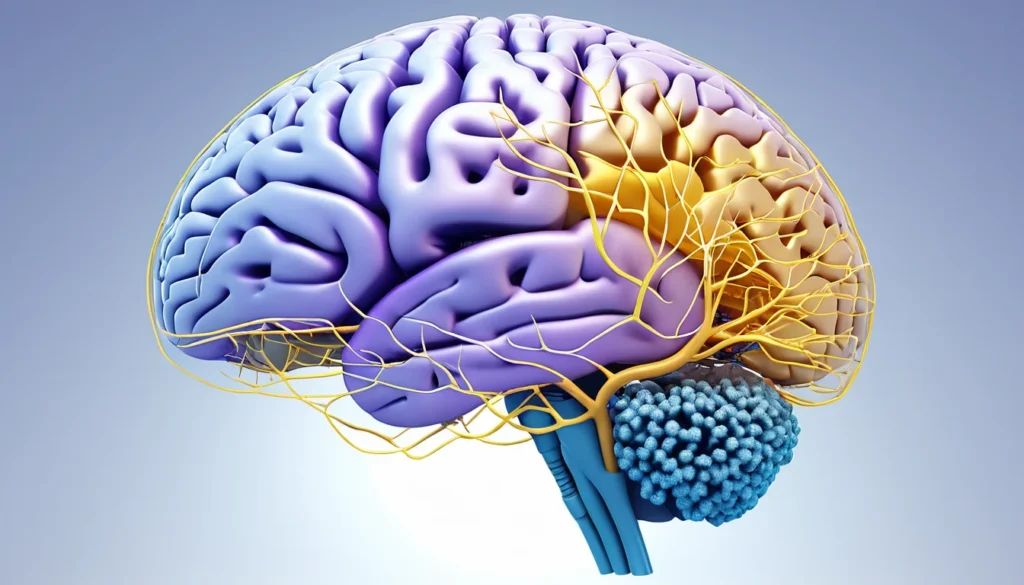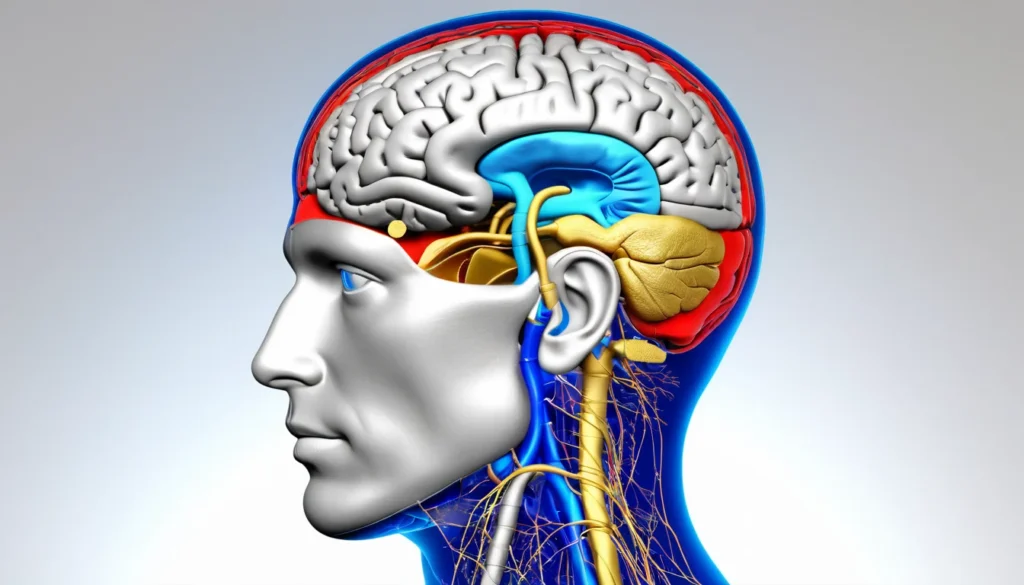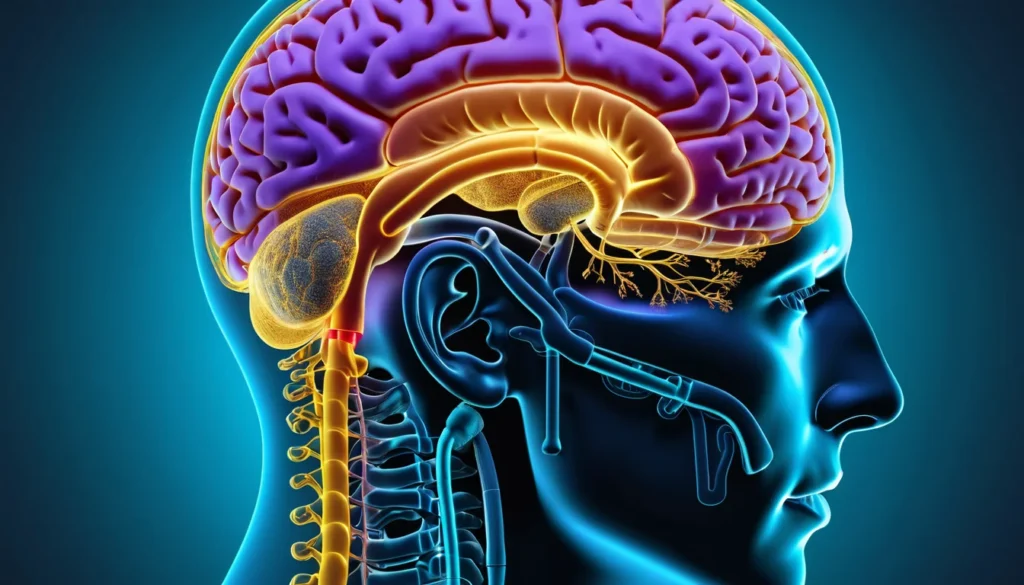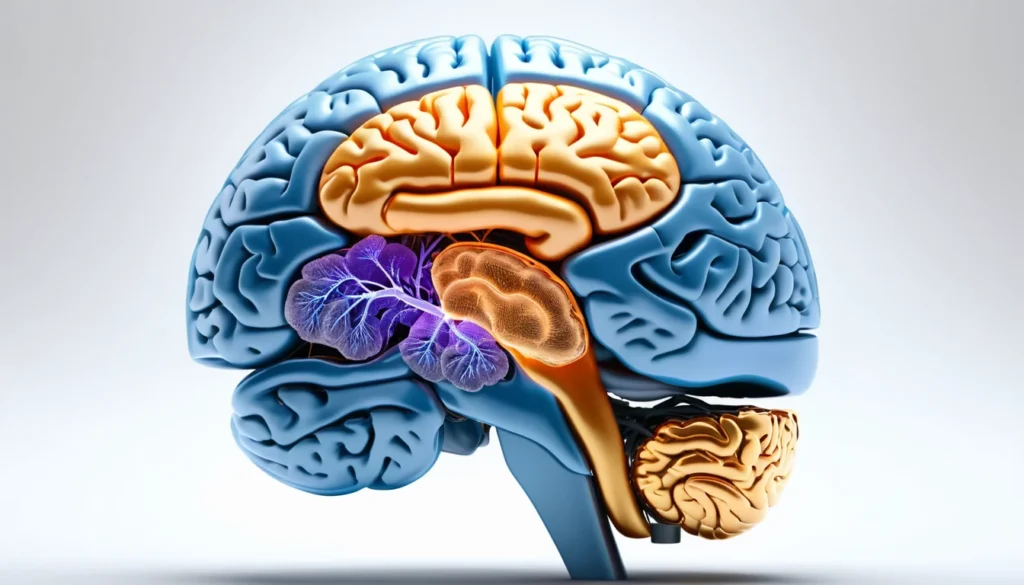
A migraine attack is more than just a bad headache. Migraines are a neurological condition that can cause intense, disabling pain along with a range of other symptoms. In Canada, migraines affect millions of people and are one of the most common reasons people visit their family doctor or a walk-in clinic. Understanding how a migraine attack unfolds — and what types exist — can help you manage your health more confidently.
What Is a Migraine Attack?
A migraine attack happens when certain physiological triggers cause blood vessels in the brain to widen. This process releases a chemical called serotonin, which sets off a chain of neurological events. The result is a complex episode that can involve much more than head pain.
Symptoms during a migraine attack can include vision disturbances, sensitivity to light, nausea, and vomiting. Attacks can last anywhere from a few minutes to several hours, or even days in some cases. For many people, migraine attacks interfere significantly with work, family life, and daily activities.
According to the World Health Organization, migraines are among the most disabling neurological disorders worldwide. However, with the right knowledge and medical support, they can be managed effectively.
The Four Stages of a Migraine Attack
A migraine attack can progress through up to four distinct stages. Not everyone will experience all four stages. In addition, the stages can vary from one attack to the next, even in the same person.
Stage 1: The Prodrome Phase
The prodrome phase can begin hours or even days before the headache itself arrives. It acts as an early warning signal that a migraine attack is on its way. Many people do not recognise these early signs, or they mistake them for other triggers.
Common prodrome symptoms include:
Muscle stiffness, especially in the neck
Increased thirst and more frequent urination
Food cravings or loss of appetite
Yawning more than usual
Constipation or diarrhoea
Fluid retention
Sensitivity to light or sound
Mood changes, including depression, euphoria, or irritability
Fatigue, drowsiness, or difficulty concentrating
Restlessness or hyperactivity
Recognising your personal prodrome symptoms can give you a valuable head start. For example, some people use this window to take medication or rest before the pain begins.
Stage 2: The Aura Phase
The aura phase occurs just before or sometimes alongside the headache. It involves temporary neurological symptoms that affect your senses. Only about 20% of people who experience migraine attacks will have an aura.
Common aura symptoms include:
Visual disturbances such as blind spots (scotomas), flashing lights, or zigzag patterns
Blurred vision
Distorted size or shape of objects
Tingling or numbness that often starts in the fingers and travels up the arm toward the face, lips, and tongue
Muscle weakness
Partial paralysis on one side of the body
Temporary difficulty speaking (dysphasia)
Aura symptoms are temporary and usually resolve once the headache phase begins. However, if you experience these symptoms for the first time, it is important to seek medical attention right away, as they can resemble symptoms of a stroke.
Stage 3: The Headache Phase
The headache phase is the most recognised part of a migraine attack. It is the stage that most often sends people to their family doctor or walk-in clinic for help. This pain can be debilitating and may last anywhere from 4 to 72 hours.
The headache associated with a migraine attack typically has these features:
Moderate to severe in intensity
A throbbing or pulsating sensation
Usually affects one side of the head
Starts gradually and builds over time
Often worst in the morning after waking
Made worse by routine physical activity
Pain that can spread from around the eyes and forehead to the temples and back of the head
Furthermore, the headache phase is often accompanied by other symptoms that make it harder to cope:
Nausea and vomiting
Sensitivity to light (photophobia) and smells (osmophobia)
Neck stiffness or tenderness
Blurred vision and stomach cramps
Facial pallor or a feeling of heat or cold
Swelling around the face or eyes
Nasal congestion, runny nose, or watery eyes
As a result of these combined symptoms, many people need to lie down in a dark, quiet room during this phase. The Mayo Clinic provides a detailed overview of migraine headache symptoms that can help you better understand what you are experiencing.
Stage 4: The Postdrome Phase
The postdrome phase follows the headache and can last up to 48 hours. People sometimes call this the “migraine hangover.” During this time, you may feel drained even though the pain has passed.
Common postdrome symptoms include:
Fatigue and low energy
Muscle aches
Food sensitivities
Low mood or general feeling of unwellness
Difficulty concentrating
Scalp tenderness
A small number of people actually feel energised or even euphoric after a migraine attack and are able to return to their normal routine quickly. However, this is not the typical experience.
Types of Migraine Attack
Not all migraine attacks look the same. There are several recognised types, and understanding which type you experience can help your doctor choose the right treatment plan for you.
Migraine Without Aura
This is the most common type. It involves a one-sided, throbbing headache without the visual or sensory warning signs of an aura. Most people who have migraine attacks fall into this category.
Migraine With Aura
This type includes the neurological warning symptoms described above. It has a genetic component, meaning it can run in families. Symptoms include visual disturbances, sensory changes, and sometimes temporary speech difficulties.
Silent Migraine (Acephalgic Migraine)
In a silent migraine, the headache pain is absent. However, the person still experiences other migraine symptoms such as aura, nausea, and sensitivity to light. This type can be confusing to recognise because pain is not present.
Abdominal Migraine
Abdominal migraines are most common in children. Instead of head pain, the main symptom is recurring stomach pain, often paired with nausea and vomiting. Children with this type may later develop more typical migraines as adults.
Hemiplegic Migraine
This is a rare and more serious form of migraine attack. It can mimic a stroke, causing temporary weakness or partial paralysis on one side of the body. If you or someone you know experiences these symptoms, call 911 immediately.
Basilar-Type Migraine
This subtype involves the brainstem and can cause temporary vision loss and a reduced level of consciousness. It is a type of migraine with aura and requires careful medical evaluation.
Retinal Migraine
Retinal migraines affect vision in only one eye. Symptoms can range from flashing lights to temporary blindness in that eye. This type should always be assessed by a doctor to rule out other causes.
Ocular (Ophthalmic) Migraine
People with ocular migraines report vision disturbances that range from mild to severe. These episodes are usually short-lived but can be alarming when they first occur.
Status Migrainosus
This is a severe and prolonged migraine attack that lasts longer than 72 hours. Status migrainosus is a medical emergency. It can increase the risk of stroke, coma, and in rare cases, death. If your migraine attack does not improve after 72 hours, seek emergency care immediately.
When to See a Doctor About a Migraine Attack
Many Canadians manage mild migraines on their own with over-the-counter pain relief. However, there are clear signs that you need professional medical help. Your family doctor or a walk-in clinic can assess your symptoms and discuss a personalised treatment plan.
See a doctor if you experience any of the following:
Your first-ever migraine attack or a sudden, severe “thunderclap” headache
A migraine attack that lasts longer than 72 hours
Neurological symptoms such as weakness, speech problems, or vision loss
Migraines that are becoming more frequent or more severe over time
Headaches that do not respond to over-the-counter medications
Migraines that affect your ability to work or carry out daily activities
Call 911 or go to your nearest emergency room right away if your headache comes on suddenly and is the worst pain you have ever felt, or if it is accompanied by fever, stiff neck, confusion, or weakness on one side of your body. These can be signs of a stroke or other serious condition.
Your provincial health plan covers visits to your family doctor for migraine assessment. If you do not have a family doctor, a walk-in clinic is a good first step. Health Canada provides information on accessing health care services across the country.
Frequently Asked Questions About Migraine Attacks
How long does a migraine attack last?
A migraine attack can last anywhere from 4 hours to 72 hours, depending on the type and the individual. Some people experience shorter episodes, while others may be affected for several days. If your migraine attack lasts longer than 72 hours, seek medical attention promptly.
What triggers a migraine attack?
Common triggers for a migraine attack include stress, hormonal changes, poor sleep, certain foods or drinks, bright lights, and strong smells. Triggers vary widely from person to person, so keeping a migraine diary can help you identify your personal ones. Sharing this information with your doctor can improve your treatment plan.
What is the difference between a migraine with aura and without aura?
A migraine with aura includes temporary neurological symptoms — such as visual disturbances, tingling, or speech difficulties — that appear before or alongside the headache. A migraine without aura involves the same type of headache pain but without these warning signs. Both types are recognised forms of migraine attack and can be treated by your doctor.
Can a migraine attack be a sign of something serious?
Most migraine attacks, while very painful, are not life-threatening. However, certain symptoms — such as sudden severe headache, weakness on one side of the body, or vision loss — can signal a more serious condition like a stroke. Always seek emergency care if your migraine attack feels different from your usual episodes or comes with these warning signs.
Are migraines covered under provincial health plans in Canada?
Yes, visits to a family doctor or walk-in clinic for migraine assessment and management are covered under most provincial health plans in Canada. Some prescription medications for migraines may also be covered, depending on your province and any additional drug benefit plans you have. Talk to your family doctor to explore your coverage options.
What is a silent migraine attack?
A silent migraine attack, also called an acephalgic migraine, is a migraine episode that occurs without any headache pain. The person may still experience aura symptoms, nausea, light sensitivity, and other typical migraine signs. Because there is no headache, silent migraines can be difficult to recognise and are often misunderstood.
Key Takeaways
A migraine attack is a neurological event that can involve up to four stages: prodrome, aura, headache, and postdrome.
Not every person experiences all four stages, and symptoms can differ between attacks.
There are several types of migraine attack, ranging from common migraines without aura to rare forms like hemiplegic or retinal migraines.
A migraine attack lasting longer than 72 hours (status migrainosus) is a medical emergency.
Canadians can access migraine assessment and treatment through their family doctor or a walk-in clinic, covered under most provincial health plans.
Always speak with a healthcare professional to get an accurate diagnosis and a treatment plan that works for you.
Medical disclaimer: This article is for informational purposes only and does not replace professional medical advice. If you are concerned about migraine attacks or any neurological symptoms, please consult your family doctor or a qualified healthcare provider.