Microcephaly in children is a rare neurological condition where a child’s head is significantly smaller than expected for their age. In many cases, the brain’s size and development are also affected. This article explains what microcephaly is, what causes it, how it is diagnosed, and what support is available for Canadian families.
What Is Microcephaly in Children?
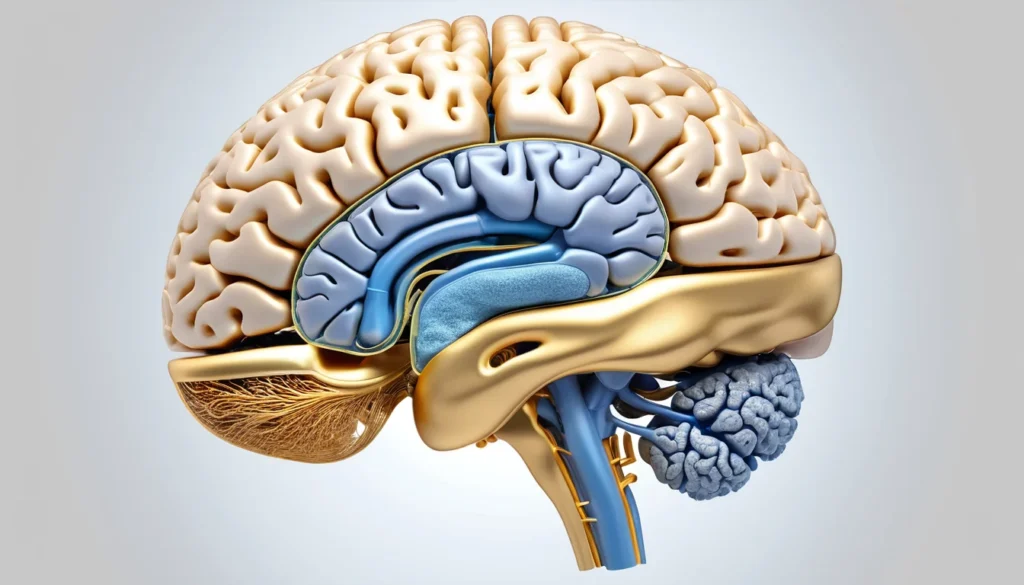
Microcephaly is diagnosed when a child’s head circumference measures much smaller than average for children of the same age and sex. The word comes from the Greek words for “small head.” It is considered a neurological condition because it often involves differences in how the brain develops.
In some children, microcephaly is the only difference present. In others, it occurs alongside other congenital conditions — meaning conditions present at birth. International health data suggests that microcephaly affects between 2 and 12 babies per 10,000 births each year.
It is important to understand that the severity of microcephaly varies widely. Some children live full lives with minimal challenges, while others may need lifelong support and care.
What Causes Microcephaly?
The exact cause of microcephaly is not always clear. The condition can be present at birth or develop during the first few years of life. However, researchers have identified several factors that can increase the risk.
Genetic and Chromosomal Conditions
Certain genetic differences can affect how the brain grows during pregnancy. For example, Down syndrome is one chromosomal condition that has been linked to microcephaly. Other gene mutations can also interfere with normal brain development.
Infections During Pregnancy
Some infections contracted during pregnancy can disrupt fetal brain development. These include rubella (German measles), toxoplasmosis, cytomegalovirus (CMV), chickenpox, and the Zika virus. Pregnant people who travel to regions where the Zika virus is active are advised to take extra precautions. Health Canada provides up-to-date travel health advisories for Canadians planning international travel.
Other Risk Factors
Additional factors that may contribute to microcephaly include:
Severe malnutrition during pregnancy
Craniosynostosis — a condition where the bones of the skull fuse too early, preventing normal brain growth
Cerebral anoxia — a reduction in the oxygen supply to the baby’s brain during fetal development
Uncontrolled phenylketonuria (PKU) in the birth parent — a metabolic condition that limits the body’s ability to break down a specific amino acid
Exposure to alcohol, illicit drugs, or environmental toxins during pregnancy
Therefore, prenatal care and avoiding harmful substances during pregnancy are among the most important steps a parent can take to support healthy brain development.
Recognising the Symptoms of Microcephaly
The most obvious sign of microcephaly in children is a head circumference that is smaller than expected. However, the condition can also affect many other areas of a child’s health and development.
Developmental Delays
Children with microcephaly may reach developmental milestones later than their peers. This can include learning to speak, sit, stand, or walk at a later age than expected. These delays can range from mild to significant depending on the individual child.
Other Possible Symptoms
In addition to a smaller head size, children with microcephaly may experience:
Learning difficulties and intellectual challenges
Problems with movement, coordination, and balance
A high-pitched cry, especially in infants
Difficulty feeding, including trouble swallowing (called dysphagia)
Hearing loss
Reduced vision due to changes in the retina
Facial feature differences
Hyperactivity — difficulty sitting still or focusing
Shorter than average height
Seizures
In the most severe cases, microcephaly can be life-threatening. However, many children with milder forms lead healthy and fulfilling lives. According to the Mayo Clinic, the outlook depends greatly on the underlying cause and the severity of the condition.
How Is Microcephaly Diagnosed?
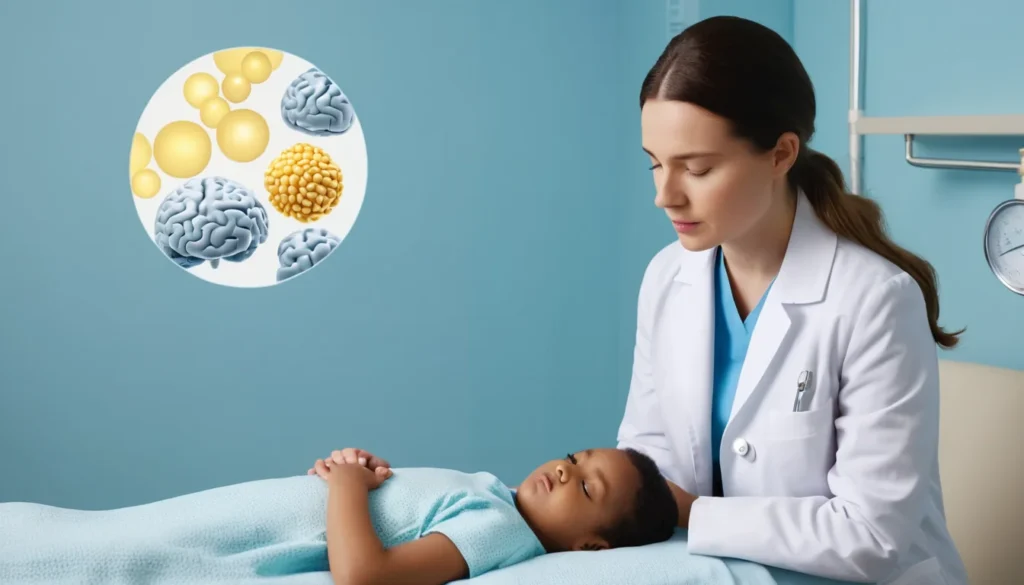
Microcephaly in children can sometimes be detected before birth. During a routine ultrasound in the second or third trimester, a doctor or midwife may notice that the baby’s head is measuring smaller than expected. In Canada, prenatal ultrasounds are typically covered under provincial and territorial health plans.
Diagnosis After Birth
If microcephaly is suspected after birth, a healthcare provider will carefully measure the baby’s head circumference and compare it to standard growth charts. The diagnostic process may also include:
A full physical examination
A detailed family health history
Measuring the head size of both parents for comparison
Tracking head growth over time with regular checkups
Further Testing
Once microcephaly is confirmed, a doctor may order additional tests to understand the cause and severity. These can include CT scans or MRI scans to look at brain structure, and blood tests to check for infections or genetic conditions. Some tests can reveal whether an infection during pregnancy may have caused changes in the brain’s development.
Treatment and Support for Microcephaly
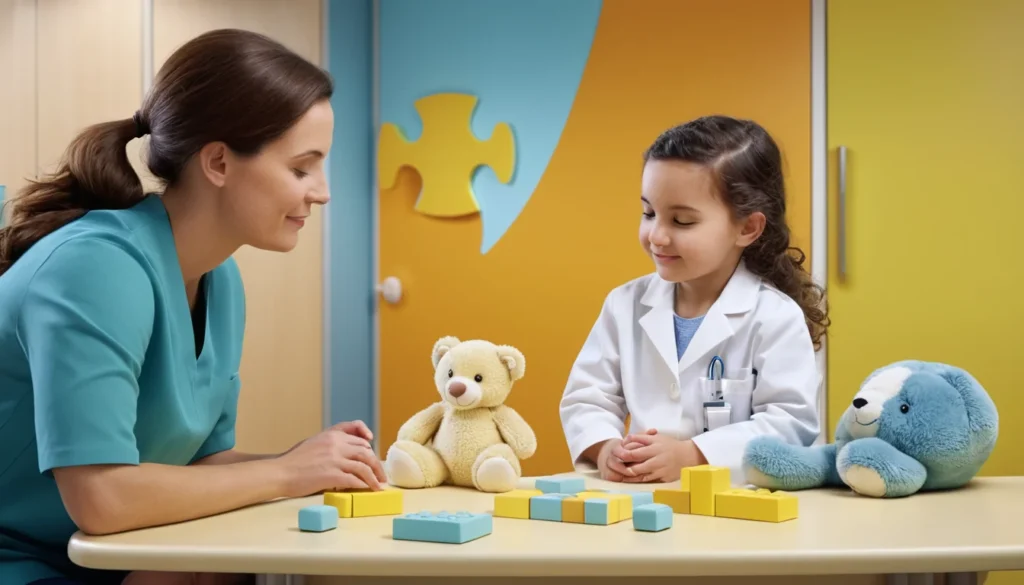
There is currently no cure for microcephaly. However, treatment focuses on managing the condition and improving the child’s quality of life. The good news is that many effective support programmes are available through Canadian healthcare systems.
Mild Cases
Children with mild microcephaly often need only routine checkups and monitoring. Their family doctor or paediatrician will track their growth and development at regular appointments. Provincial health plans across Canada generally cover these visits.
More Significant Cases
Children with more significant microcephaly may benefit from early childhood intervention programmes. These programmes are designed to strengthen both physical and intellectual abilities during the critical early years of development. They often include:
Speech-language therapy — to support communication and feeding
Physiotherapy — to improve movement, strength, and balance
Occupational therapy — to support daily living skills and independence
Furthermore, if an underlying condition is contributing to microcephaly — such as malnutrition — doctors will address that condition directly as part of the overall treatment plan.
Craniosynostosis and Surgery
When microcephaly is caused by craniosynostosis — where the skull bones fuse too early — surgery may be an option. This procedure helps reshape the skull and allows the brain more room to grow. In many cases, this intervention can significantly improve outcomes for the child.
Outlook and Long-Term Perspectives
The long-term outlook for microcephaly in children varies from person to person. Some individuals have normal cognitive function and may see their head size grow over time, even if it remains smaller than average. With the right support, many children with microcephaly reach their full potential.
However, children with microcephaly related to Zika virus infection may face more serious challenges. In some cases, these children require intensive care and ongoing support throughout their lives. The World Health Organization (WHO) continues to monitor and publish research on the connection between Zika virus and microcephaly.
Prevention: What You Can Do
While not all cases of microcephaly can be prevented, there are steps you can take to reduce the risk during pregnancy. Many of these steps align with general healthy pregnancy advice.
Avoid alcohol, drugs, and environmental toxins throughout pregnancy
Get vaccinated before becoming pregnant — vaccines for rubella and chickenpox can help protect your baby
Practise safe food handling to reduce the risk of toxoplasmosis
Take precautions against mosquito bites if travelling to regions where the Zika virus is present
Manage any existing health conditions such as PKU with the help of your healthcare provider before and during pregnancy
Pregnant Canadians planning international travel should check Health Canada’s travel health notices before their trip. Avoiding travel to areas with active Zika virus outbreaks is strongly recommended during pregnancy.
When to See a Doctor
If you notice that your child’s head seems unusually small, or if you have concerns about their development, speak with your family doctor as soon as possible. Your family doctor can measure your child’s head circumference and compare it with standard growth charts for their age.
If your regular family doctor is unavailable, a walk-in clinic can be a good first step. A doctor there can assess your concerns and provide a referral to a paediatrician or specialist if needed. Most provincial health plans in Canada cover referrals to paediatric specialists.
Early assessment and early intervention make a meaningful difference in outcomes for children with microcephaly. Do not wait if something feels off — trust your instincts and reach out to a healthcare professional.
What is microcephaly in children?
Microcephaly in children is a neurological condition where a child’s head circumference is significantly smaller than average for their age and sex. It often involves differences in brain development and can range from mild to severe. Some children with microcephaly live full, active lives with minimal challenges.
What causes microcephaly in babies?
Microcephaly can be caused by genetic conditions, infections during pregnancy (such as Zika virus, rubella, or cytomegalovirus), severe malnutrition, or early fusion of the skull bones (craniosynostosis). Exposure to alcohol, drugs, or toxins during pregnancy can also increase the risk. In some cases, the cause is not identified.
Can microcephaly be detected before birth?
Yes, microcephaly can sometimes be detected during a routine prenatal ultrasound in the second or third trimester of pregnancy. If a smaller-than-expected head size is noticed, your doctor may order additional imaging or tests. In Canada, prenatal ultrasounds are typically covered under provincial and territorial health plans.
Is there a treatment for microcephaly?
There is currently no cure for microcephaly, but treatment focuses on managing symptoms and supporting development. Children may benefit from speech therapy, physiotherapy, and occupational therapy through early intervention programmes. When microcephaly is caused by craniosynostosis, surgery may help the brain grow more normally.
Can children with microcephaly live a normal life?
Some children with microcephaly have normal cognitive function and go on to live full, independent lives, especially when the condition is mild. Others with more significant microcephaly may need ongoing support throughout childhood and into adulthood. Early intervention and therapy can greatly improve outcomes for children with this condition.
Is microcephaly linked to the Zika virus?
Yes, research has established a link between Zika virus infection during pregnancy and microcephaly in children. Health Canada recommends that pregnant individuals avoid travelling to regions with active Zika virus outbreaks. Speak with your family doctor before travelling if you are pregnant or planning to become pregnant.
Key Takeaways
Microcephaly in children is a rare condition where a child’s head and sometimes brain are smaller than expected for their age.
It can be caused by genetic conditions, infections during pregnancy, malnutrition, craniosynostosis, or exposure to harmful substances.
Symptoms range from mild developmental delays to severe cognitive and physical challenges.
Diagnosis can happen before birth through ultrasound or after birth through physical examination and growth tracking.
There is no cure, but early intervention programmes — including speech, physical, and occupational therapy — can greatly support a child’s development.
Preventing infections during pregnancy and avoiding alcohol, drugs, and toxins are key protective steps.
If you have concerns about your child’s head size or development, speak with your family doctor or visit a walk-in clinic. Early action makes a real difference.
This article is for informational purposes only and does not replace professional medical advice. Always consult your family doctor or a qualified healthcare provider if you have concerns about your child’s health or development.