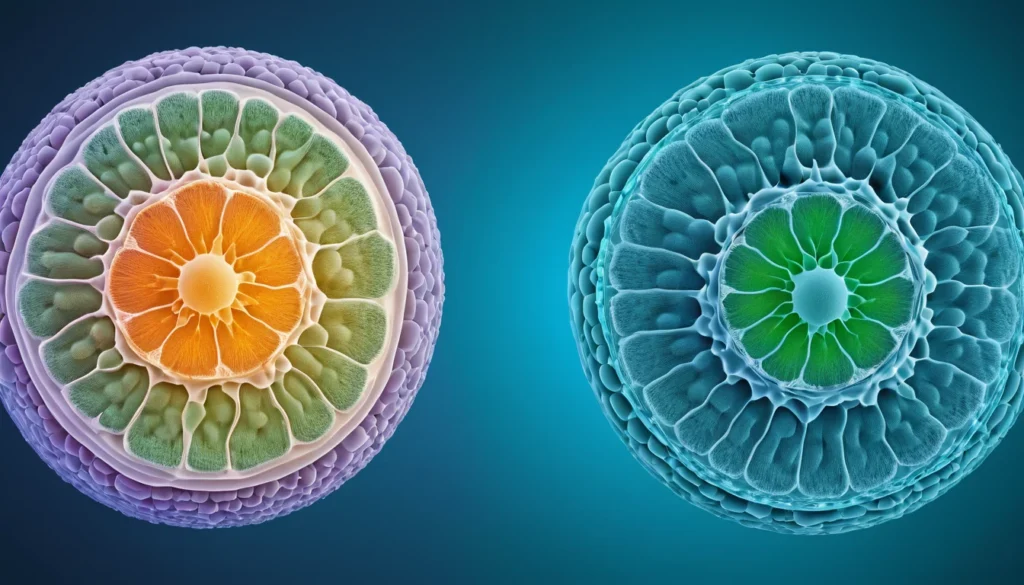
Metaplasia is a condition where one type of body tissue changes into another type. This can happen as a normal part of growth, or it can be a warning sign of something more serious. Understanding metaplasia can help you have better conversations with your family doctor or healthcare provider. In this article, we cover what metaplasia is, the different types, what causes it, and when you should seek medical attention.
What Is Metaplasia?
Metaplasia happens when cells in one part of the body start behaving like cells from a different part of the body. Your body does this in response to stress, irritation, or changes in its environment. Think of it as the body trying to adapt — sometimes helpfully, sometimes in a way that causes problems.
Not all metaplasia is dangerous. Some forms are a completely normal part of how the body grows and heals. However, other forms can be an early warning sign of cancer or other serious disease. That is why doctors take metaplasia seriously when they find it.
According to Mayo Clinic, changes in cell behaviour are often picked up during routine screenings or investigations for unrelated symptoms. Early detection makes a big difference in outcomes.
Types of Metaplasia
There are two broad categories of metaplasia: physiological and pathological. Understanding the difference helps explain why doctors respond differently depending on the type they find.
Physiological Metaplasia
Physiological metaplasia is a normal and healthy process. It happens as part of how the body develops and maintains itself. A good example is osseous metaplasia, which occurs during bone formation (a process called osteogenesis). In this case, soft tissue gradually changes into bone tissue — exactly as it should during normal growth.
This type of metaplasia does not usually require medical treatment. It is simply the body doing what it is designed to do. However, even physiological changes are worth monitoring with your doctor if they occur in unexpected locations.
Pathological Metaplasia
Pathological metaplasia is the type that raises concern. In this case, tissue changes in a way that is abnormal or potentially harmful. It is often triggered by long-term irritation, chronic inflammation, or exposure to harmful substances like tobacco smoke.
Pathological metaplasia does not automatically mean cancer. However, it can be a step along the road toward cancer if left untreated or unmonitored. Therefore, doctors treat it as a serious finding that needs follow-up.
Squamous Metaplasia: A Common and Important Type
One of the most clinically important forms is squamous metaplasia. This occurs when the cells lining the airways of the lungs — called the bronchi — change from their normal columnar shape into flat, scale-like (squamous) cells.
Normally, the bronchi are lined with tall, column-shaped cells that help move mucus and protect the airway. When these cells are repeatedly exposed to irritants — most commonly cigarette smoke — they can transform into a different type of cell that is less suited to that job.
Squamous metaplasia in the bronchi can be an early sign of lung cancer. This is one reason why doctors take smoking history so seriously during check-ups. In Canada, lung cancer remains one of the leading causes of cancer-related death, according to Health Canada.
What Causes Squamous Metaplasia?
The most common cause is long-term exposure to cigarette smoke. However, other irritants can also trigger squamous metaplasia. These include air pollution, workplace chemicals, and chronic respiratory infections.
In addition, squamous metaplasia can occur in other parts of the body — not just the lungs. For example, it can develop in the cervix, the bladder, or the lining of the mouth. In each case, chronic irritation or infection is usually the root cause.
Myeloid Metaplasia: When Bone Marrow Cells Spread
Another important form is myeloid metaplasia. In this condition, cells that normally live only inside the bone marrow begin to grow and develop in other organs — most commonly the liver and the spleen.
Under normal circumstances, blood cells are produced inside the bone marrow, which is found in the centre of your bones. When the bone marrow fails or becomes damaged, the body may try to compensate by producing blood cells elsewhere. This leads to myeloid metaplasia.
What Causes Myeloid Metaplasia?
Myeloid metaplasia most often develops as a result of bone marrow failure or disease. Conditions such as myelofibrosis — a disorder where scar tissue replaces bone marrow — can trigger this process. Certain cancers and other blood disorders can also be responsible.
The liver and spleen, when forced to take over blood cell production, can become significantly enlarged. This enlargement can cause abdominal discomfort, a feeling of fullness, and fatigue. Furthermore, the blood cells produced outside the marrow are often abnormal, which can lead to anaemia and other complications.
For a deeper look at bone marrow conditions, Healthline’s guide to bone marrow disorders provides clear and reliable information.
How Is Metaplasia Diagnosed?
Metaplasia is usually found during a medical investigation. A doctor might discover it while examining tissue samples taken during a biopsy, a routine screening, or surgery. In many cases, patients have no symptoms at all when metaplasia is first detected.
The most common diagnostic tool is a biopsy. This involves taking a small sample of the affected tissue and examining it under a microscope. A pathologist — a doctor who specialises in diagnosing disease from tissue samples — can identify metaplastic changes at the cellular level.
Screening and Monitoring in Canada
In Canada, provincial health plans cover several routine screenings that can detect tissue changes early. For example, cervical cancer screening (Pap tests) can identify squamous metaplasia in the cervix. Colonoscopies can detect similar changes in the colon.
If you are unsure which screenings you are eligible for under your provincial health plan, your family doctor is the best starting point. Each province has its own screening schedule and eligibility guidelines. Staying current with your recommended screenings is one of the best ways to catch issues like metaplasia early.
Can Metaplasia Be Reversed or Treated?
In some cases, yes. If the cause of the metaplasia is removed — for example, if a person quits smoking — the tissue changes may stabilise or even reverse over time. This is one of the strongest arguments for quitting smoking as early as possible.
However, not all metaplasia is reversible. When it has progressed to a more advanced stage, or when it is linked to an underlying disease, treatment focuses on managing the root cause and monitoring the tissue closely for further changes.
Treatment options vary widely depending on the type of metaplasia and its location in the body. Some people may need medication to manage an underlying condition. Others may need regular endoscopies or biopsies to keep a close watch on the affected tissue. In more serious cases, surgical removal of affected tissue may be recommended.
When to See a Doctor
You should speak with your family doctor if you have any persistent symptoms that are unusual for you. These might include a chronic cough, unexplained fatigue, abdominal swelling, or difficulty breathing. While these symptoms can have many causes, they are worth investigating.
If you do not have a regular family doctor, a walk-in clinic can be a good first step. A doctor at a walk-in clinic can order initial tests and refer you to a specialist if needed. Many provinces also offer Telehealth services where you can speak with a nurse or doctor by phone.
If you are a smoker, talk to your doctor about lung health screenings. If you have a history of certain infections — such as H. pylori in the stomach, or HPV in the cervix — ask your doctor whether you need monitoring for tissue changes. Early detection of metaplasia, especially pathological types, significantly improves outcomes.
Always consult a qualified healthcare provider before making any decisions about your health. The information in this article is for general educational purposes only and is not a substitute for professional medical advice.
Frequently Asked Questions About Metaplasia
Is metaplasia always a sign of cancer?
No, metaplasia is not always a sign of cancer. Some forms of metaplasia are completely normal, such as the tissue changes that occur during bone formation. However, certain types — like squamous metaplasia in the bronchi — can be an early warning sign of cancer and should be monitored closely by a doctor.
Can metaplasia be reversed?
In some cases, metaplasia can be reversed if the underlying cause is removed. For example, squamous metaplasia caused by smoking may stabilise or improve after a person quits. However, more advanced or disease-related metaplasia may not be fully reversible, which is why early detection is important.
What is squamous metaplasia of the cervix?
Squamous metaplasia of the cervix occurs when the normal glandular cells of the cervix transform into squamous cells. This is actually a normal process in many women, particularly during adolescence and pregnancy. However, when it occurs alongside certain infections like HPV, it can increase the risk of cervical cancer, so regular Pap tests are important.
What causes myeloid metaplasia?
Myeloid metaplasia is usually caused by bone marrow failure or disease, such as myelofibrosis or certain blood cancers. When the bone marrow can no longer produce blood cells normally, the body begins producing them in other organs like the liver and spleen. This can lead to organ enlargement, anaemia, and other complications.
How is metaplasia detected?
Metaplasia is most commonly detected through a biopsy, where a small tissue sample is examined under a microscope by a pathologist. It can also be identified during routine screenings such as Pap tests or colonoscopies. In many cases, metaplasia causes no symptoms and is found incidentally during testing for another condition.
Is metaplasia covered under provincial health plans in Canada?
Diagnosis and monitoring of metaplasia are generally covered under provincial health plans in Canada when medically necessary. This includes biopsies, routine screenings like Pap tests, and specialist referrals. However, coverage details vary by province, so it is best to check with your family doctor or provincial health authority for specifics.
Key Takeaways
Metaplasia is a change in tissue type, either as a normal body process or as a potentially harmful one.
There are two main types: physiological metaplasia (normal and expected) and pathological metaplasia (abnormal and potentially dangerous).
Squamous metaplasia in the lungs is strongly linked to smoking and can be an early sign of lung cancer.
Myeloid metaplasia occurs when bone marrow cells grow in other organs, often due to bone marrow failure.
Metaplasia is usually diagnosed through a biopsy or detected during routine screening.
Some forms of metaplasia can be reversed by removing the cause, such as quitting smoking.
Regular screenings covered by provincial health plans can detect metaplasia early, improving outcomes significantly.
If you have concerns, speak with your family doctor or visit a walk-in clinic — early action always helps.