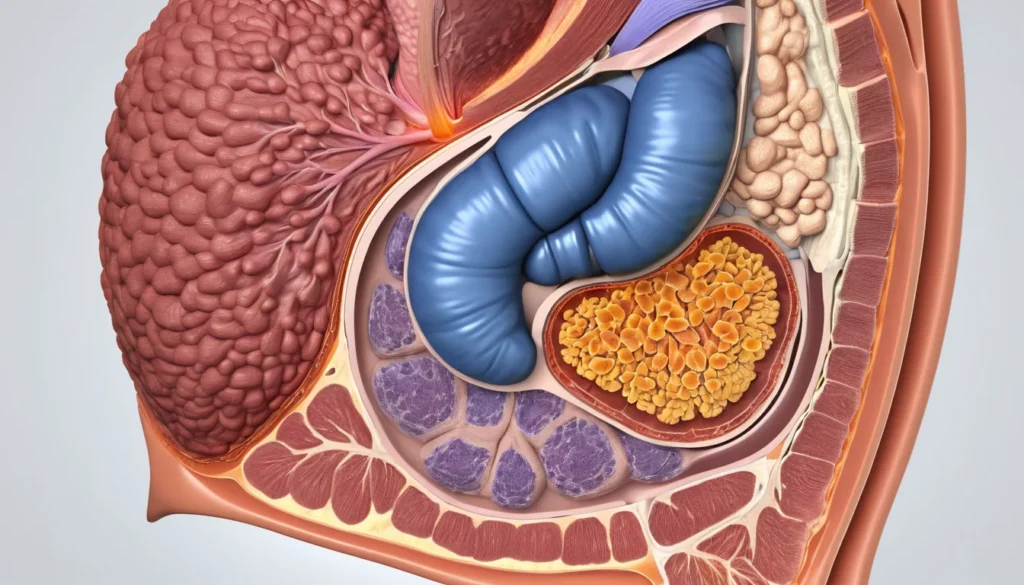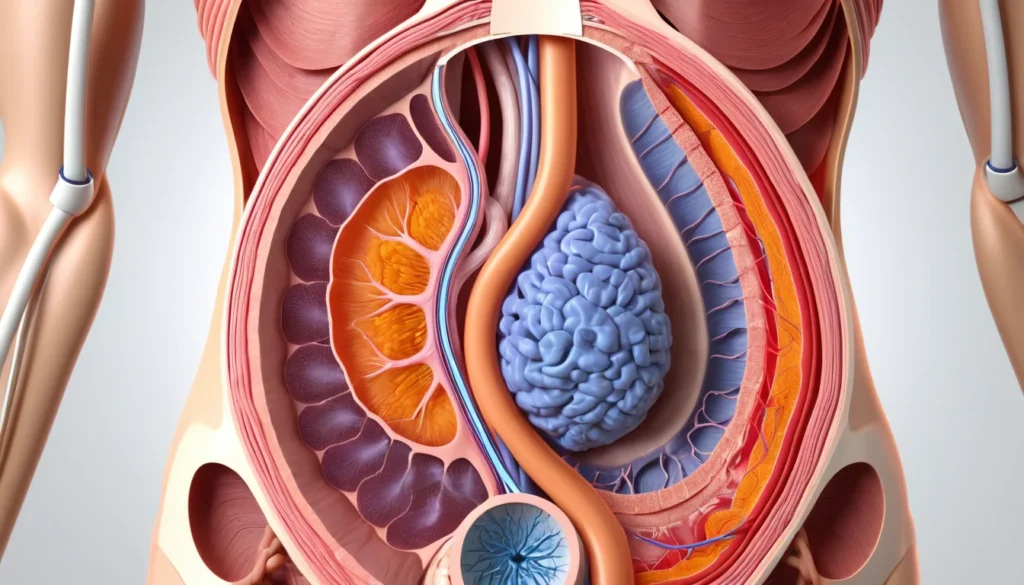
Mesenteric ischemia is a serious and potentially life-threatening condition that occurs when one or more of the arteries supplying blood to the intestines become narrowed or completely blocked. Without adequate blood flow, intestinal tissue begins to die rapidly. Although it accounts for only about 0.1% of emergency hospital admissions, this condition carries a high mortality rate if not diagnosed and treated quickly. For Canadians, understanding the warning signs could mean the difference between life and death for you or someone you love.
What Is Mesenteric Ischemia and Why Is It Dangerous?
Recognizing mesenteric ischemia symptoms early is critical because delayed diagnosis is one of the leading reasons for poor outcomes. In Canada, emergency departments use advanced imaging and blood tests to identify both acute mesenteric ischemia and chronic forms of the disease. Whether caused by a blood clot, atherosclerosis, or another vascular condition, prompt medical intervention is essential. This guide covers everything Canadian patients need to know about causes, symptoms, diagnosis, and the latest treatment options available across the country.
What Is Mesenteric Ischemia?
Types of Mesenteric Ischemia: Characteristics and Management
| Type | Characteristics | Common Causes | Management Approach |
|---|---|---|---|
| Acute Arterial Mesenteric Ischemia | Sudden, severe abdominal pain disproportionate to physical findings; rapidly progressive; high mortality if untreated | Embolism (often from atrial fibrillation), arterial thrombosis, low-flow states | Emergency surgery or endovascular intervention; anticoagulation; bowel resection if necrosis present |
| Chronic Mesenteric Ischemia | Postprandial abdominal pain (intestinal angina); weight loss; food avoidance; develops gradually over months | Atherosclerosis of mesenteric arteries; most common in older adults with cardiovascular disease | Surgical revascularization or percutaneous transluminal angioplasty with stenting; dietary modifications |
| Non-Occlusive Mesenteric Ischemia (NOMI) | No arterial blockage present; diffuse intestinal hypoperfusion; often occurs in critically ill patients | Severe cardiac failure, septic shock, vasopressor medications, dehydration | Treat underlying cause; intra-arterial vasodilators (papaverine); supportive ICU care; surgery if bowel necrosis occurs |
| Mesenteric Venous Thrombosis | More gradual onset over days to weeks; bloating, nausea, vague abdominal discomfort; better prognosis than arterial types | Hypercoagulable states, liver cirrhosis, abdominal infection, inflammatory bowel disease | Anticoagulation therapy (heparin, warfarin or direct oral anticoagulants); surgery reserved for peritonitis or bowel infarction |
| Focal Segmental Mesenteric Ischemia | Affects a small bowel segment; may present with partial obstruction or localized pain; less catastrophic presentation | Strangulated hernia, radiation injury, vasculitis, trauma | Surgical resection of affected segment; treatment of underlying condition; nutritional support post-operatively |
The intestines rely on three main arteries to receive a steady supply of blood: the celiac trunk, the superior mesenteric artery, and the inferior mesenteric artery. These arteries branch directly from the aorta, the body’s largest blood vessel, which carries blood from the heart. When any of these arteries become blocked or narrowed, the bowel is starved of oxygen and nutrients.
The intestines do have a backup blood supply system, called collateral circulation. This backup can compensate for up to a 75% reduction in blood flow, but only for about 12 hours. After that window, serious and irreversible damage can occur. This is why mesenteric ischemia is considered a medical emergency.
Diagnosing this condition is genuinely difficult, even for experienced physicians. The symptoms are vague, diffuse, and can mimic many other abdominal problems. As a result, delays in diagnosis are unfortunately common.
Types of Mesenteric Ischemia
Acute Mesenteric Ischemia
Acute mesenteric ischemia comes on suddenly and progresses rapidly. It is the more dangerous form of the condition. Blood flow to the intestines drops sharply and quickly, causing severe symptoms within hours. Without emergency treatment, acute mesenteric ischemia can be fatal.
Chronic Mesenteric Ischemia
Chronic mesenteric ischemia develops slowly over time. It typically occurs when at least two of the three main mesenteric arteries are severely narrowed, usually due to a build-up of fatty deposits called atherosclerosis. Symptoms are less dramatic but still significantly affect quality of life. Many patients with the chronic form go undiagnosed for months or even years.
What Causes Mesenteric Ischemia?
Several underlying conditions can reduce or block blood flow through the mesenteric arteries. The causes are generally grouped by the type of blood vessel involved and by whether the condition develops suddenly or gradually.
Atherosclerosis
Atherosclerosis — a hardening and narrowing of the arteries caused by fatty plaque build-up — is the most common underlying cause of mesenteric ischemia. It affects the entire vascular system, including the arteries supplying the heart and the legs. People who are obese, have high cholesterol, or have a long history of smoking face a higher risk of developing atherosclerosis in the mesenteric arteries.
In some cases, a piece of plaque breaks off and blocks the artery entirely. This is called arterial thrombosis, and it accounts for about 30% of all mesenteric ischemia cases. It tends to occur in people who already have known atherosclerotic disease.
Embolism
An embolism occurs when a blood clot forms elsewhere in the body — most often inside the heart — and then travels through the bloodstream. The clot eventually lodges in a mesenteric artery too narrow for it to pass through. This sudden blockage cuts off blood flow almost immediately. Embolism causes approximately one-third of all cases of mesenteric infarction (intestinal tissue death).
The superior mesenteric artery is most often affected, because of its larger diameter and the angle at which it branches from the aorta. People with heart arrhythmias, particularly atrial fibrillation, face a significantly higher risk of this type of blockage. Learn more about atrial fibrillation and its complications at Mayo Clinic.
Other Causes
Less commonly, mesenteric ischemia can result from arterial inflammation (arteritis), aortic dissection, aneurysms, or certain infections. In these cases, the underlying disease process damages or compresses the mesenteric arteries, reducing blood flow to the bowel.
Symptoms of Mesenteric Ischemia
The symptoms of mesenteric ischemia vary depending on whether the condition is acute or chronic, and which artery is involved. This variability is one reason the condition is so often missed or misdiagnosed in the early stages.
Symptoms of Chronic Mesenteric Ischemia
Chronic mesenteric ischemia most often causes abdominal pain that comes on after eating. The pain occurs because the intestines need more blood during digestion, but the narrowed arteries cannot keep up with this demand. Diarrhoea may also occur occasionally.
Over time, many patients develop a fear of eating — a condition called sitophobia — because they associate meals with pain. As a result, unintentional weight loss is a common and telling sign. If you or someone you know has been experiencing unexplained weight loss alongside recurring abdominal pain after meals, it is worth discussing with a family doctor.
Symptoms of Acute Mesenteric Ischemia
Acute mesenteric ischemia produces far more severe symptoms. Patients typically experience sudden and intense abdominal pain that seems out of proportion to physical findings on examination. Vomiting, diarrhoea, and rapid overall deterioration can follow. In serious cases, the patient may go into shock.
Vomiting may initially contain bile and food material. In advanced stages, it can become bloody and foul-smelling. Diarrhoea may be followed by a complete stop in bowel movements and gas, though some patients pass blood rectally. The classic triad of symptoms for embolic mesenteric ischemia includes sudden severe abdominal pain, complete emptying of the bowel, and a history of chronic heart disease.
It is important to know that in the first six to twelve hours, physical examination findings can appear almost normal. However, after that window, the abdomen may become bloated and rigid, and bowel sounds may disappear entirely. These are signs of a surgical emergency.
For a broader overview of abdominal emergencies, Healthline provides a helpful guide to causes of abdominal pain.
How Is Mesenteric Ischemia Diagnosed?
Diagnosis begins with a thorough physical examination and a detailed medical history. Because the early signs can be subtle, doctors rely on a combination of laboratory tests and imaging studies to confirm mesenteric ischemia.
Blood Tests
Blood work often shows a high white blood cell count — sometimes exceeding 20,000 cells per cubic millimetre. Low haemoglobin and signs of metabolic acidosis (an imbalance in the body’s acid-base chemistry) are also common findings. These results, combined with symptoms, help point physicians toward the correct diagnosis.
Approximately 15% of patients show signs of blood in the stool (melena or hematochezia). In addition, hidden (occult) blood in the stool is found in up to 50% of patients. Blood tests alone cannot confirm the diagnosis, but they provide important supporting evidence.
Imaging Studies
Imaging is essential for confirming the diagnosis of mesenteric ischemia. Abdominal X-rays are typically performed first, though they are often normal in early stages. CT angiography — a specialised scan that visualises blood vessels — is currently the most accurate and widely available tool for diagnosing mesenteric artery blockages. It is available at most major Canadian hospital centres.
In some cases, conventional angiography (a catheter-based procedure to directly view blood vessels) may be needed, particularly when planning surgical or interventional treatment. Health Canada provides information on accessing diagnostic imaging services across provinces.
Treatment Options
Treatment for mesenteric ischemia depends on the cause, severity, and how quickly the patient receives care. The primary goal is to restore blood flow to the intestines as quickly as possible to prevent permanent bowel damage.
In acute cases caused by an embolism or thrombosis, emergency surgery is often required to remove the clot and restore circulation. In some patients, a less invasive procedure called endovascular therapy — where a catheter is used to open the blocked artery — may be an option. Sections of the intestine that have already died must be surgically removed.
For chronic mesenteric ischemia, treatment may involve surgical bypass of the affected arteries or endovascular stenting to widen the narrowed vessel. Managing underlying risk factors — such as high cholesterol, high blood pressure, and smoking — is also a critical part of long-term care. Your provincial health plan may cover these procedures; speak with your family doctor or a specialist for guidance specific to your province.
When to See a Doctor
Sudden, severe abdominal pain that comes on without warning — especially in someone with a history of heart disease, atrial fibrillation, or atherosclerosis — requires immediate emergency care. Do not wait to see if the pain passes. Call 911 or go to the nearest emergency department right away.
If you experience recurring abdominal pain after meals, unexplained weight loss, or ongoing digestive problems, book an appointment with your family doctor. If you do not have a family doctor, a walk-in clinic can be a good starting point for an initial assessment and referral. Early detection of chronic mesenteric ischemia can prevent the condition from becoming an acute emergency.
Always speak with a qualified healthcare provider before drawing conclusions about your symptoms. This article is for informational purposes only and is not a substitute for professional medical advice.
Frequently Asked Questions About Mesenteric Ischemia
What is mesenteric ischemia and how serious is it?
Mesenteric ischemia is a condition where blood flow to the intestines is reduced or cut off entirely due to a blocked or narrowed artery. It is a serious and potentially life-threatening condition, particularly in its acute form. Without prompt treatment, it can lead to permanent bowel damage or death.
What are the early warning signs of mesenteric ischemia?
Early signs of mesenteric ischemia can include sudden, severe abdominal pain that seems disproportionate to other symptoms, nausea, vomiting, and diarrhoea. In the chronic form, recurring pain after meals and unexplained weight loss are common early indicators. Because the symptoms can be vague, it is important to seek medical attention promptly if you are concerned.
Who is most at risk of developing mesenteric ischemia?
People at highest risk for mesenteric ischemia include those with atherosclerosis, atrial fibrillation, high cholesterol, obesity, or a long history of smoking. The condition is more common in older adults. Having a known heart condition also significantly increases the risk of an embolic event that can trigger acute mesenteric ischemia.
Can mesenteric ischemia be treated without surgery?
In some cases, mesenteric ischemia can be treated with less invasive endovascular procedures, such as using a catheter to dissolve a clot or place a stent to open a narrowed artery. However, acute cases often require emergency surgery to remove dead tissue and restore blood flow. The appropriate treatment depends on the cause and how advanced the condition is when diagnosed.
Is mesenteric ischemia the same as a bowel infarction?
Mesenteric ischemia refers to the reduced blood flow to the intestines, while a bowel infarction (also called mesenteric infarction) is the result — meaning a portion of the intestinal tissue has actually died due to that lack of blood flow. Bowel infarction is the most severe outcome of untreated mesenteric ischemia. Prompt treatment of mesenteric ischemia is aimed specifically at preventing infarction.
How is mesenteric ischemia diagnosed in Canada?
According to Mayo Clinic’s guide to intestinal ischemia, this information is supported by current medical research.
For more information, read our guide on peritonitis, a serious complication of bowel ischemia.
In Canada, mesenteric ischemia is typically diagnosed through a combination of blood tests and imaging studies, most commonly CT angiography, which is available at major hospital centres across the country. A physical examination and detailed medical history are the first steps. If you have concerning symptoms, your family doctor or emergency department can arrange the appropriate investigations and specialist referrals through your provincial health plan.
Key Takeaways
Mesenteric ischemia occurs when blood flow to the intestines is reduced or blocked, and it can be life-threatening.
There are two main forms: acute (sudden onset, medical emergency) and chronic (gradual, often linked to atherosclerosis).
The most common causes include atherosclerosis, blood clots (embolism), and arterial thrombosis.
Key risk factors include atrial fibrillation, high cholesterol, obesity, and smoking.
Sudden severe abdominal pain — especially with a history of heart disease — requires immediate emergency care.
Recurring pain after eating and unexplained weight loss should be discussed with a family doctor or walk-in clinic.
CT angiography is the most effective diagnostic tool and is available at Canadian hospital centres.
Treatment may involve surgery, endovascular procedures, and long-term management of underlying risk factors covered under provincial health plans.
Frequently Asked Questions
What is mesenteric ischemia?
Mesenteric ischemia is a serious condition where blood flow to the small intestine is reduced or blocked, causing intestinal tissue to become oxygen-deprived and potentially die. It can occur suddenly (acute) or develop gradually (chronic) and is most commonly caused by blood clots, arterial blockages, or low blood pressure.
What are the warning signs of mesenteric ischemia?
Common symptoms include sudden severe abdominal pain, nausea, vomiting, diarrhea, and bloating. Chronic cases typically cause cramping pain after eating, leading to fear of food and unintentional weight loss. Acute mesenteric ischemia is a medical emergency — pain is often disproportionately severe compared to physical examination findings.
How is mesenteric ischemia treated in Canada?
Treatment depends on severity. Acute cases typically require emergency surgery to restore blood flow or remove damaged bowel tissue. Chronic mesenteric ischemia is often treated with angioplasty, stenting, or surgical bypass. Medications including blood thinners and clot-dissolving drugs may also be used. Early diagnosis significantly improves outcomes.
When should you see a doctor for abdominal pain that could be mesenteric ischemia?
Seek emergency care immediately if you experience sudden, severe abdominal pain, especially with nausea, vomiting, or bloody stool. Acute mesenteric ischemia is life-threatening and worsens rapidly without treatment. Canadians experiencing recurring post-meal cramping and unexplained weight loss should also consult a physician promptly for evaluation.
Can mesenteric ischemia be prevented?
While not always preventable, risk can be significantly reduced by managing cardiovascular risk factors. This includes quitting smoking, controlling blood pressure, cholesterol, and diabetes, maintaining a healthy weight, and staying physically active. People with atrial fibrillation or clotting disorders should follow prescribed anticoagulation therapy to lower their risk.