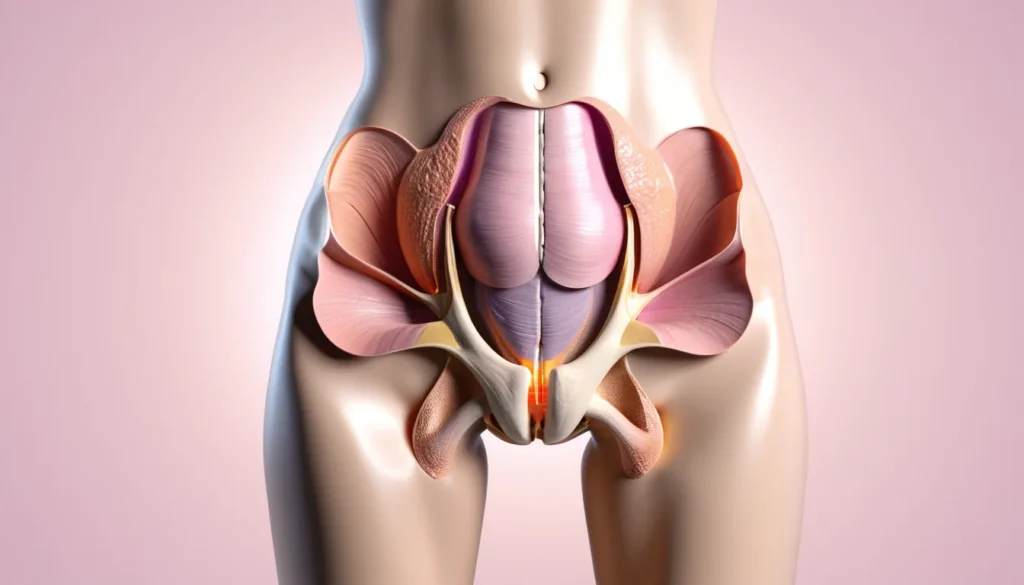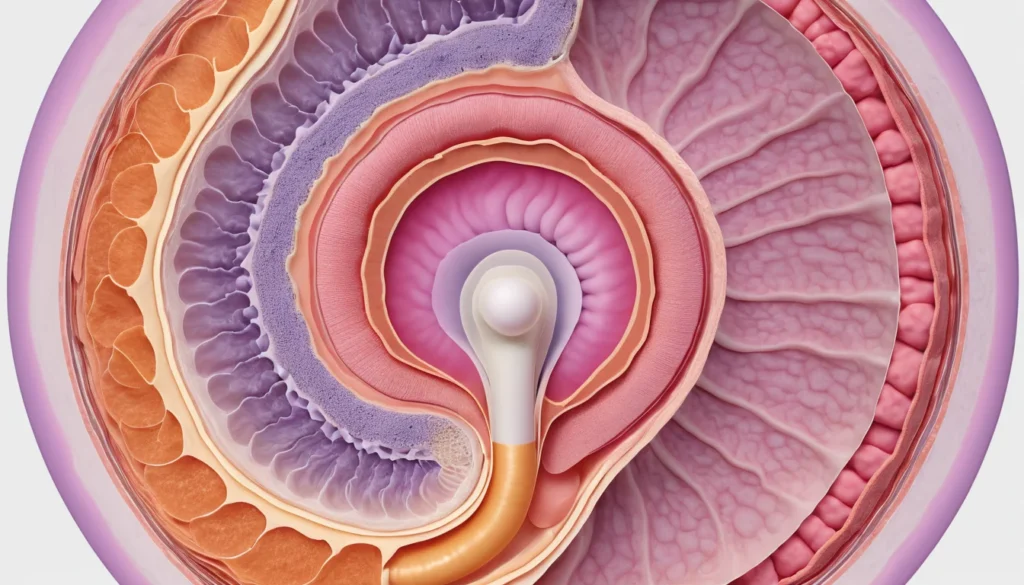
Your menstrual cycle is your body’s monthly process of preparing for a possible pregnancy. It involves hormonal changes, uterine changes, and monthly bleeding — and it can look different from one woman to the next. Understanding what is normal can help you feel more confident about your health and know when something may need attention.
What Is the Menstrual Cycle?
The menstrual cycle is counted from the first day of one period to the first day of the next. Most people learn that 28 days is the “normal” length — but in reality, only about 15% of women have a 28-day cycle. A cycle anywhere between 21 and 35 days is considered completely normal.
Each month, the lining of the uterus (called the endometrium) builds up in preparation for a fertilised egg. If pregnancy does not occur, the lining breaks down and sheds. This shedding is what causes your monthly period.
Menstruation typically begins during the teenage years and continues until menopause, which usually happens around age 50. According to the World Health Organization, understanding menstrual health is an important part of overall reproductive wellness.
What Is a Normal Menstrual Cycle Length?
Cycle length can vary quite a bit from person to person — and even from month to month for the same person. Teenagers often have longer, more irregular cycles, sometimes up to 42 days. These usually become more regular over several years.
Women between ages 25 and 35 tend to have the most regular cycles, typically lasting 21 to 35 days. As women approach menopause, cycles often become irregular again before stopping altogether.
It is also normal to track your cycle to understand your own pattern. You can do this simply by marking day one of each period on a calendar or using a free period-tracking app. Knowing your personal pattern makes it easier to notice any changes.
Cycle Changes at Different Life Stages
Your menstrual cycle does not stay the same throughout your life. In the teenage years, the hormonal system is still finding its rhythm. Irregular periods during this time are expected and usually nothing to worry about.
In your 40s, the approach of perimenopause can cause cycles to become longer, shorter, or unpredictable. This is a normal part of the body’s transition toward menopause. However, very heavy or very frequent bleeding during this time is worth discussing with your family doctor.
What Hormones Control the Menstrual Cycle?
Your menstrual cycle is controlled by a team of hormones. The hypothalamus and pituitary gland in the brain send hormonal signals to the ovaries each month. The ovaries then release the hormones estrogen and progesterone, which drive the changes in the uterus.
Estrogen rises first. It triggers the uterine lining to grow and thicken. After ovulation — the release of an egg from the ovary — progesterone levels rise. Progesterone prepares the thickened lining to receive a fertilised egg.
If pregnancy does not happen, both estrogen and progesterone levels drop. As a result, the uterine lining breaks down and your period begins. This hormonal rise and fall repeats every cycle. You can learn more about how these hormones work from the Mayo Clinic’s guide to the menstrual cycle.
What Can Disrupt Your Hormones?
Several external factors can interfere with hormonal balance and change your cycle. These include:
Hormonal birth control (such as the pill, patch, or hormonal IUD)
Significant weight loss or very low body fat
Intense or excessive exercise
High levels of stress
Certain medical conditions, such as thyroid disorders or polycystic ovary syndrome (PCOS)
The most common reason for a missed period, however, is pregnancy. If your period is late and pregnancy is possible, a home pregnancy test is a good first step.
Common Menstrual Cycle Symptoms
Many women experience some physical and emotional symptoms throughout their cycle. These are often normal, though they can range from mild to quite uncomfortable.
Around the middle of your cycle, when ovulation occurs, you might notice light spotting or a mild ache on one side of your lower pelvis. This is called mittelschmerz and is completely harmless.
Premenstrual Symptoms
In the week before your period, many women experience premenstrual symptoms. These can include:
Mood changes, such as feeling irritable, anxious, or emotional
Breast tenderness or swelling
Bloating
Breakouts or acne
Low energy or fatigue
Difficulty with exercise or concentration
These symptoms usually ease once your period begins. If they are severe enough to interfere with your daily life, this may be premenstrual dysphoric disorder (PMDD) — a condition your family doctor can help you manage.
Period Pain and Cramping
Cramping in the lower abdomen, back, or legs is very common in the first one to two days of a period. This happens because the uterus contracts to help shed its lining. For most women, the pain is mild to moderate and manageable at home.
Over-the-counter anti-inflammatory medications like ibuprofen (Advil, Motrin) can reduce both pain and the amount of bleeding. They work best when taken just before bleeding starts or at the first sign of cramping, and continued for the first day or two of your period.
Managing Your Period: Practical Tips
There are many options for managing menstrual bleeding, including pads, tampons, menstrual cups, and period underwear. Whichever you choose, change or empty it at least every four hours to reduce the risk of infection. Pads are generally the preferred choice overnight.
In addition to pain relievers, many women find that these lifestyle habits help ease symptoms:
Regular moderate exercise throughout the month
A balanced diet rich in fibre, fruits, and vegetables
Limiting caffeine and alcohol, especially before your period
Stress-reduction techniques such as yoga, walking, or mindfulness
Applying a heating pad or warm compress to the lower abdomen for cramp relief
A warm bath to relax muscles and ease discomfort
These simple steps can make a real difference in how you feel each month. According to Healthline’s overview of menstrual cycle phases, understanding where you are in your cycle can also help you plan your energy and activity levels accordingly.
When to See a Doctor
While a wide range of cycle lengths and symptoms are normal, some signs do deserve attention from a healthcare provider. In Canada, your first stop is usually your family doctor. If you do not have one, a walk-in clinic can help — and most provincial health plans cover these visits.
Book an appointment if you notice any of the following:
No period for three months or more (and you are not pregnant or menopausal)
Periods that are suddenly much heavier than usual, or soaking through a pad or tampon every hour for several hours
Periods that last longer than seven days
Severe pain that is not relieved by over-the-counter medications
Spotting or bleeding between periods
Cycles shorter than 21 days or longer than 35 days on a regular basis
Premenstrual symptoms so severe they affect your work or relationships
These symptoms could point to conditions such as endometriosis, fibroids, thyroid problems, or PCOS — all of which are treatable. The sooner you speak with a doctor, the sooner you can get support and feel better.
Frequently Asked Questions About the Menstrual Cycle
How long is a normal menstrual cycle?
A normal menstrual cycle can range from 21 to 35 days. The average is often cited as 28 days, but only about 15% of women actually have a cycle that length. Your own regular pattern — whatever it is within that range — is what matters most.
What causes an irregular menstrual cycle?
An irregular menstrual cycle can be caused by stress, significant weight changes, intense exercise, hormonal birth control, or health conditions like PCOS or thyroid disorders. Teenagers and women approaching menopause often have irregular cycles as a normal part of hormonal transition. If irregularity is new or persistent, it is worth discussing with your family doctor.
Is it normal to have pain during your period?
Mild to moderate cramping during the first day or two of your period is very common and considered normal. However, severe pain that stops you from going to school, work, or daily activities is not something you need to simply put up with. Speak to your family doctor, as effective treatments are available.
Can stress affect your menstrual cycle?
Yes — stress can disrupt the hormonal signals that control your menstrual cycle, leading to late, missed, or irregular periods. High physical stress, such as over-exercising or sudden weight loss, can have the same effect. Managing stress through rest, nutrition, and relaxation can help your cycle return to normal.
What is the difference between spotting and a period?
Spotting refers to very light bleeding that occurs outside of your regular menstrual cycle — for example, around ovulation or between periods. A period involves heavier, more sustained bleeding as the uterine lining sheds. Occasional light spotting is often normal, but regular spotting between periods should be checked by a doctor.
When should I be worried about my menstrual cycle?
You should speak with your family doctor or visit a walk-in clinic if your menstrual cycle suddenly changes, if your periods are very heavy or very painful, or if you go more than three months without a period and are not pregnant. These changes can sometimes signal an underlying condition that is easily treated when caught early.
Key Takeaways
A normal menstrual cycle ranges from 21 to 35 days — not just 28.
Hormones from the brain and ovaries drive the monthly cycle of uterine changes and bleeding.
Irregular cycles are common in teenagers and women approaching menopause.
Stress, weight changes, exercise, and birth control can all affect your cycle.
Mild cramping and premenstrual symptoms are normal; severe symptoms deserve medical attention.
Ibuprofen, heat therapy, regular exercise, and a balanced diet can ease period discomfort.
If something feels off about your cycle, your family doctor or a walk-in clinic is a great first resource — and most provincial health plans cover these visits.
This article is for general information only and is not a substitute for professional medical advice. Always speak with your family doctor or a qualified healthcare provider about any concerns related to your menstrual health.