The menstrual cycle is a natural part of life for most women and people with a uterus, from puberty through to menopause. Understanding how it works — and what changes to watch for — helps you take better care of your health. This article explains what the menstrual cycle is, what is considered normal, what can go wrong, and when it is time to speak with a healthcare provider.
What Is the Menstrual Cycle?
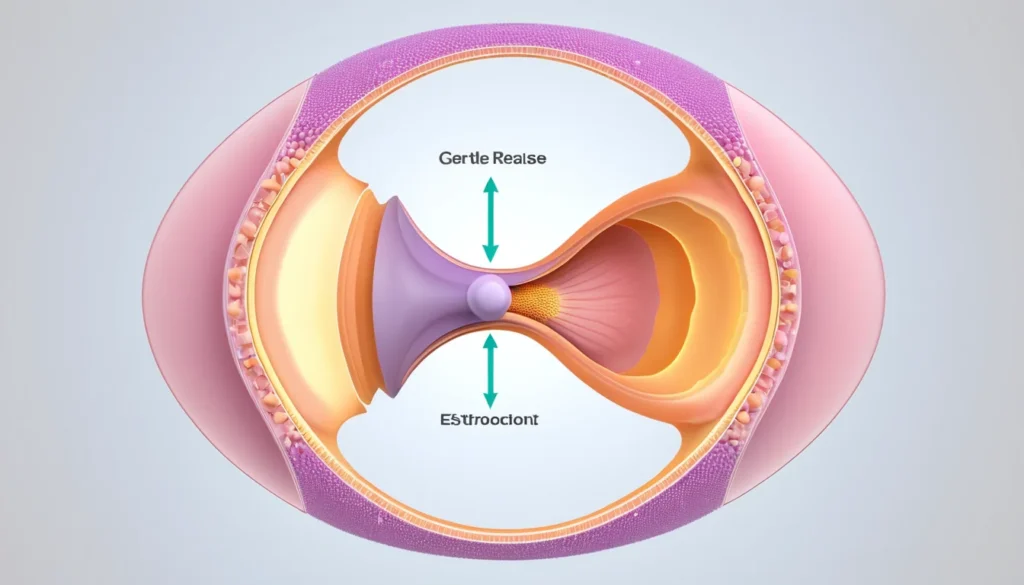
The menstrual cycle is a monthly process controlled by hormones. These hormones prepare the body for a possible pregnancy each month. The two main hormones involved are estrogen and progesterone.
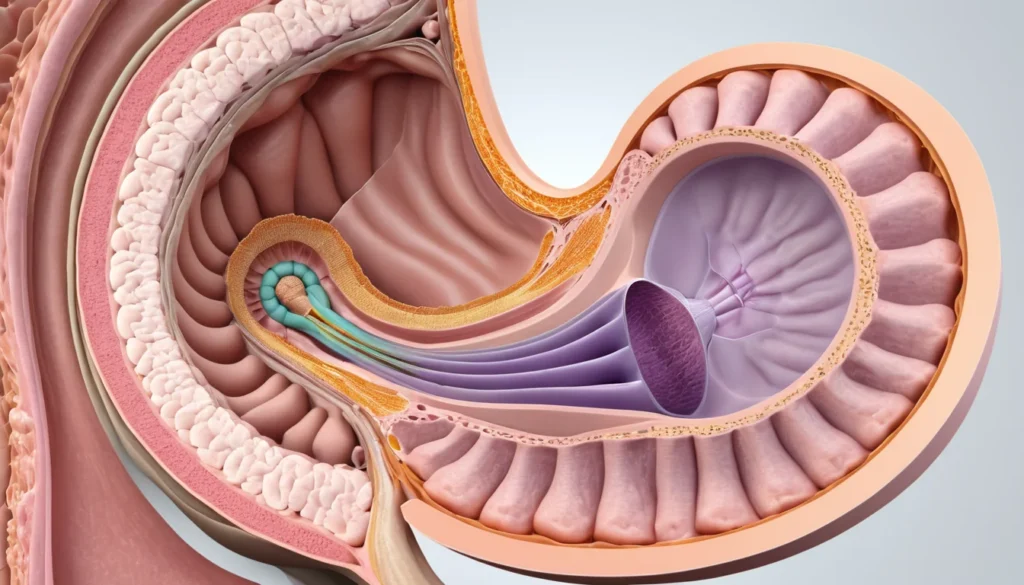
Here is how it works. Each month, the lining of the uterus (called the endometrium) builds up with blood and tissue. This prepares the uterus in case a fertilised egg needs to implant. If no fertilisation occurs, progesterone levels drop sharply. As a result, the uterine lining sheds — and this shedding is what we call a period, or menstrual bleeding.
Menstruation is a sign that the body’s hormonal system is working as it should. For most people, it is a healthy and predictable monthly event. However, many people experience variation or discomfort, and it helps to know what is normal and what is not.
When Does the Menstrual Cycle Begin and End?
The menstrual cycle begins at puberty, when a young person gets their first period. In Canada, this typically happens between the ages of 13 and 15, though it can begin as early as 10 or as late as 18. Starting within this range is generally considered normal.
The menstrual cycle ends at menopause. Menopause usually occurs between the ages of 40 and 55, with the average age being around 52. At that point, periods stop permanently, and pregnancy is no longer possible naturally.
Between puberty and menopause, most people will have a menstrual cycle every month — except during pregnancy and sometimes during breastfeeding. Health Canada recognises menstrual health as an important part of overall wellbeing throughout these years.
What Is a Normal Menstrual Cycle?
Many people wonder what “normal” actually looks like when it comes to their menstrual cycle. The truth is, there is a wide range of what is considered healthy.
Cycle Length
A typical menstrual cycle lasts between 21 and 45 days, with 28 days being the average. However, many people naturally have shorter or longer cycles. At first, especially in the years after puberty, cycles are often irregular. They usually become more regular over time.
Period Duration
Bleeding during a period normally lasts between 2 and 6 days, with 3 to 4 days being most common. Some people bleed a little longer, and that can still be within a normal range. Speak with your family doctor if your bleeding regularly lasts longer than 7 days.
Blood Volume
The amount of blood lost during a period typically ranges from 20 to 70 millilitres — roughly 1 to 5 tablespoons. This can be hard to measure, but soaking through a pad or tampon more than once per hour for several hours is considered heavy bleeding. That warrants a conversation with a healthcare provider.
According to the Mayo Clinic, tracking your cycle length, duration, and flow over several months is one of the best ways to understand what is normal for your body specifically.
Common Menstrual Cycle Problems
Not every menstrual cycle is smooth. Many people experience irregularities or discomfort at some point. Understanding the most common problems can help you know when to seek support.
Irregular Periods
Periods that come too far apart are called oligomenorrhoea. Periods that come too frequently are called polymenorrhoea. Both can be signs of hormonal imbalance or another underlying condition. Stress, significant weight changes, and thyroid problems are common causes in Canada.
Heavy Periods
Unusually heavy menstrual bleeding is called menorrhagia. It can cause fatigue and iron deficiency. If heavy bleeding is affecting your daily life, your family doctor or a walk-in clinic can run simple blood tests to check for anaemia and investigate the cause.
Absent Periods
When periods stop altogether — outside of pregnancy or menopause — this is called amenorrhoea. It can happen due to extreme stress, excessive exercise, low body weight, or hormonal conditions such as polycystic ovary syndrome (PCOS). This should always be assessed by a doctor.
Painful Periods
Painful periods are called dysmenorrhoea. Cramping during or just before a period is very common. However, severe pain that disrupts daily activities is not something you simply have to tolerate. It may point to an underlying condition such as endometriosis or uterine fibroids.
Understanding Premenstrual Syndrome (PMS)
Many people experience physical and emotional changes in the days before their period begins. This is known as premenstrual syndrome, or PMS. It is one of the most common menstrual cycle concerns in Canada.
Common PMS symptoms include:
Breast tenderness or swelling
Bloating and abdominal discomfort
Mood changes, such as irritability or low mood
Fatigue and trouble sleeping
Headaches
Food cravings
PMS is thought to be linked to hormonal fluctuations — specifically, a relative excess of estrogen compared to progesterone in the second half of the cycle. In some cases, a doctor may recommend progesterone therapy or other treatments to help manage symptoms.
A more severe form of PMS, called premenstrual dysphoric disorder (PMDD), causes intense emotional symptoms that significantly affect daily life. PMDD is a recognised medical condition and is treatable. If your symptoms are severe, please talk to your family doctor.
Pain During the Menstrual Cycle: What It Means
Pelvic or abdominal pain at different points in the cycle can mean different things. It is important to pay attention to when your pain occurs and what it feels like.
Pain at Ovulation
Some people feel a sharp or cramping pain in the middle of their cycle — around day 14 in a 28-day cycle. This is called mittelschmerz, a German word meaning “middle pain.” It happens when the ovarian follicle ruptures to release an egg. The fluid released can briefly irritate the lining of the abdomen, causing discomfort.
This pain is usually short-lived and mild. However, if it is severe or recurs regularly, your doctor should rule out other causes.
Pain Before Your Period
Pain that starts before bleeding begins is often linked to PMS. It frequently comes alongside breast tenderness and bloating, as mentioned above. A hormonal imbalance — particularly excess estrogen — is often the cause. Progesterone supplementation, lifestyle changes, and pain relievers can all help.
Pain During Your Period
Cramping during a period is caused partly by prostaglandins — hormone-like substances that make the uterus contract to shed its lining. Mild to moderate cramping is normal. However, pain that is severe, getting worse over time, or accompanied by other symptoms may be a sign of a condition such as:
Endometriosis — uterine-like tissue grows outside the uterus
Uterine fibroids — non-cancerous growths in the uterus
Pelvic inflammatory disease (PID) — often caused by a bacterial infection
Vaginal infections — including yeast infections (caused by Candida) or bacterial vaginosis
These conditions are all treatable. The sooner you get a diagnosis, the sooner you can feel better. Do not wait to ask for help. According to the World Health Organization (WHO), timely treatment of menstrual disorders significantly improves quality of life.
When to See a Doctor
Most period-related symptoms are manageable. However, some signs mean it is time to visit your family doctor or a walk-in clinic. Do not hesitate to seek care — your provincial health plan covers assessments for menstrual health concerns.
Book an appointment if you notice any of the following:
Periods that suddenly stop for more than 3 months (and you are not pregnant)
Bleeding that soaks through more than one pad or tampon per hour
Severe cramping that does not respond to over-the-counter pain relievers
Periods lasting longer than 7 days
Spotting or bleeding between periods
PMS symptoms that affect your ability to work or go to school
Sudden changes in your usual cycle pattern
Your family doctor can order blood tests, ultrasounds, and other assessments. If needed, they can refer you to a gynaecologist. Walk-in clinics across Canada are also a good option if you cannot get a timely appointment with your regular doctor. You deserve answers — do not put off getting them.
Frequently Asked Questions About the Menstrual Cycle
How long should a normal menstrual cycle be?
A normal menstrual cycle lasts between 21 and 45 days, with 28 days being the average. Your cycle length may vary from month to month, and that is often perfectly normal. If your menstrual cycle is consistently shorter than 21 days or longer than 45 days, speak with your family doctor.
Is it normal to have an irregular menstrual cycle?
Yes, some irregularity is common — especially in the first few years after puberty begins. Stress, diet changes, illness, and intense exercise can all temporarily affect your menstrual cycle. However, ongoing irregularity is worth discussing with a healthcare provider to rule out hormonal or other health issues.
Why is my period so painful?
Mild cramping during your period is caused by natural uterine contractions and is very common. However, severe period pain that disrupts your daily life may be linked to conditions like endometriosis or fibroids, which affect the menstrual cycle. Talk to your doctor — effective treatments are available.
Can the menstrual cycle stop for reasons other than pregnancy?
Yes. Periods can stop due to extreme stress, low body weight, excessive exercise, thyroid disorders, or conditions like PCOS. This is called amenorrhoea, and it means the menstrual cycle has been disrupted. A doctor should always investigate missed periods if pregnancy has been ruled out.
What is PMS and how does it affect the menstrual cycle?
PMS, or premenstrual syndrome, refers to physical and emotional symptoms that appear in the days before your period begins. It is caused by hormonal shifts in the second half of the menstrual cycle. Symptoms like bloating, mood changes, and breast tenderness usually ease once bleeding starts.
When does the menstrual cycle end permanently?
The menstrual cycle ends at menopause, which most Canadians experience between ages 40 and 55, with an average age of 52. In the years leading up to menopause (called perimenopause), cycles often become irregular. Your doctor can help you manage this transition comfortably.
Key Takeaways
The menstrual cycle is a monthly hormonal process that prepares the body for pregnancy.
A normal cycle lasts between 21 and 45 days, with bleeding lasting 2 to 6 days.
Periods typically begin between ages 13 and 15 and end at menopause, around age 52.
Common issues include irregular periods, heavy bleeding, painful periods, and PMS.
Severe or changing symptoms — especially pain, very heavy bleeding, or missed periods — should be assessed by a family doctor or at a walk-in clinic.
Conditions like endometriosis, PCOS, and hormonal imbalances are treatable when caught early.
Your provincial health plan covers assessments for menstrual health — do not hesitate to use it.
This article is for general health information only. Always speak with your family doctor or a qualified healthcare provider about any concerns related to your menstrual cycle or reproductive health.