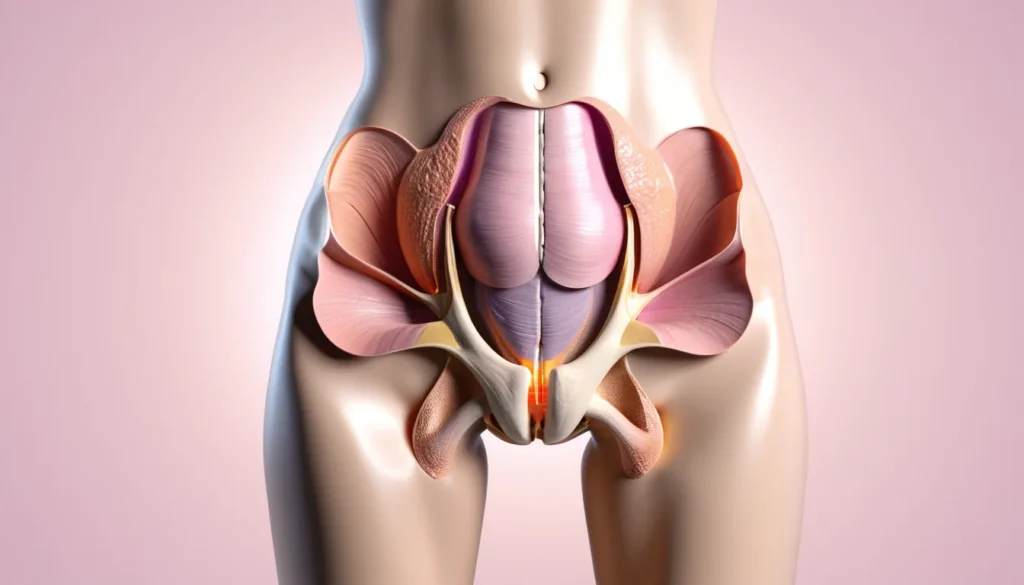
Menstrual cramps are one of the most common reasons Canadian women miss work, school, or daily activities every month. They cause pain in the lower belly and pelvic area during a period. For some women, the pain is mild and passes quickly. For others, it can be severe enough to disrupt daily life for several days. In this article, we explain what causes menstrual cramps, who is most at risk, and what you can do to find relief.
What Are Menstrual Cramps?
Menstrual cramps are the pain and discomfort felt in the lower abdomen during menstruation. They are different from premenstrual syndrome (PMS), which causes symptoms like mood changes and bloating in the days before a period begins. However, many women experience both PMS and menstrual cramps at the same time.
Mild menstrual cramps may feel like a dull heaviness in the abdomen. They are short-lived and easy to manage. Severe cramps, on the other hand, can cause sharp, throbbing pain that makes it hard to carry on with normal activities.
According to the World Health Organization, period pain is one of the leading causes of absenteeism among women of reproductive age worldwide.
How Common Are Menstrual Cramps?
Menstrual cramps are very common. Experts estimate that about 50% of women experience them during their periods. Of those women, around 15% describe their symptoms as severe. Among teenage girls, the numbers are even higher — surveys suggest that over 90% of adolescents experience some degree of period pain.
This means menstrual cramps are far from rare. If you experience them, you are definitely not alone.
Primary vs. Secondary Dysmenorrhea
The medical term for menstrual cramps is dysmenorrhea. There are two types: primary and secondary.
Primary Dysmenorrhea
Primary dysmenorrhea refers to menstrual cramps that are not caused by an underlying medical condition. The pain usually begins within six months to one year after a girl’s first period. Cramps typically do not appear until ovulatory cycles are established — meaning real egg-releasing periods are happening regularly. As a result, it may take several months after menstruation begins before a young woman experiences true dysmenorrhea.
Secondary Dysmenorrhea
Secondary dysmenorrhea is caused by an underlying condition that contributes to period pain. This type of cramp may start later in life and often gets worse over time. It is important to speak with a family doctor or visit a walk-in clinic if you suspect your pain has a medical cause.
What Causes Menstrual Cramps?
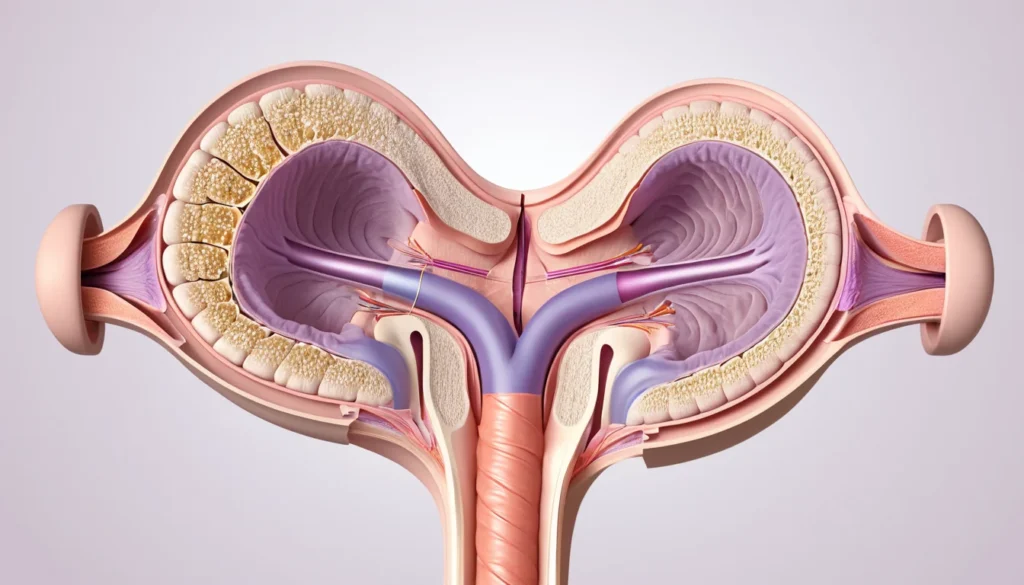
During a period, the uterus contracts to help shed its inner lining. These contractions are triggered by hormone-like substances called prostaglandins. The higher a woman’s prostaglandin levels, the stronger and more painful the contractions tend to be.
Many experts believe that very strong contractions can cut off blood flow to the uterus. The resulting pain is similar to the chest pain felt during angina, when the heart muscle is temporarily starved of oxygen. For more on how prostaglandins work in the body, visit Mayo Clinic’s women’s health section.
Underlying Conditions That Can Cause Menstrual Cramps
In cases of secondary dysmenorrhea, the following conditions are common culprits:
Endometriosis: Tissue that normally lines the uterus grows outside of it — often on the fallopian tubes, ovaries, or pelvic lining. This is a painful condition that requires medical diagnosis and treatment.
Uterine fibroids: These are non-cancerous growths in the wall of the uterus. They can sometimes cause significant pain during menstruation.
Adenomyosis: In this condition, the tissue that lines the uterus begins to grow into the muscular walls of the uterus itself. This can make periods heavier and more painful.
Pelvic inflammatory disease (PID): This is an infection of the female reproductive organs, usually caused by sexually transmitted bacteria. It requires prompt medical treatment.
Cervical stenosis: In some women, the opening of the cervix is very narrow. This can slow or block menstrual flow, creating a painful buildup of pressure inside the uterus.
If you think any of these conditions may apply to you, please speak with your family doctor or a walk-in clinic provider as soon as possible.
Why Are Some Menstrual Cramps More Painful Than Others?
The intensity of menstrual cramps comes down largely to prostaglandin levels. Women who experience severe cramps tend to have higher levels of prostaglandins in their uterine lining compared to women who have little or no pain.
Pain can also be worse when blood clots or pieces of uterine tissue pass through the cervix. This is especially true when the cervical canal is narrow. In addition, the experience of menstrual cramping is very similar to the contractions caused when prostaglandins are given medically to induce labour. This helps explain just how powerful these natural chemicals can be.
Risk Factors for Menstrual Cramps
Certain factors can make a woman more likely to experience painful periods. These include:
Being under 20 years of age
Starting puberty early (before age 11)
Having heavy menstrual bleeding
Having irregular periods
Never having been pregnant
Having a family history of dysmenorrhea
Smoking cigarettes
However, having one or more of these risk factors does not mean severe pain is inevitable. Many women manage their symptoms successfully with the right support and treatment.
Natural Remedies and Relief Options for Menstrual Cramps
There are several ways to ease menstrual cramp pain at home. Some of these are well-supported by research, while others are traditional remedies that many women find helpful. Always speak with your doctor before starting any new supplement or remedy.
Heat Therapy
Applying a heating pad or hot water bottle to the lower abdomen is one of the most effective ways to relieve menstrual cramps. Heat helps relax the uterine muscles and improves blood flow to the area. Many Canadian women find this simple remedy works just as well as over-the-counter pain medication.
Over-the-Counter Pain Relief
Nonsteroidal anti-inflammatory drugs (NSAIDs) like ibuprofen work by reducing prostaglandin levels in the body. This directly targets the cause of the cramping. Taking NSAIDs at the first sign of pain — rather than waiting until the pain is severe — tends to give the best results. Always follow the dosage instructions on the package and check with your pharmacist if you have any questions.
Herbal and Natural Options
Some women find relief with natural remedies. These include:
Peppermint tea: Acts as a gentle muscle relaxant and may help ease cramping.
Ginger tea: Some research suggests ginger can help reduce the duration and intensity of menstrual pain.
Valerian root: Traditionally used as a sleep aid, it also has mild muscle-relaxing properties that some women find helpful.
Evening primrose oil: This supplement contains gamma-linolenic acid (GLA), an essential fatty acid that may help reduce the severity of menstrual cramps over time.
For a broader look at evidence-based relief strategies, Healthline’s guide to period pain relief is a useful resource.
Lifestyle Changes
Regular physical activity, a balanced diet rich in fibre and omega-3 fatty acids, and reducing caffeine and alcohol intake may all help reduce the severity of menstrual cramps over time. Stress management techniques like yoga and deep breathing can also make a difference.
When to See a Doctor
Menstrual cramps are normal, but some symptoms signal that you should seek medical attention. Visit your family doctor or a walk-in clinic if:
Your cramps are severe enough to interfere with daily life
Over-the-counter pain relief is not helping
Your pain has been getting worse over time
You experience heavy or irregular bleeding alongside cramping
You develop new pain that feels different from your usual cramps
At your appointment, your doctor will ask about your menstrual history and symptoms. They may perform a pelvic exam using a speculum to view the vagina and cervix. In some cases, they may take a vaginal swab for testing. They will also manually check your ovaries and uterus for any abnormalities. If needed, further testing such as an ultrasound may be ordered.
Your provincial health plan covers most of these diagnostic services when referred by a family doctor, so do not hesitate to seek care. Always talk to your doctor before trying new treatments or supplements.
Toxic Shock Syndrome Warning
Women who use internal tampons should be aware of toxic shock syndrome (TSS). This is a rare but life-threatening condition. Seek emergency care immediately if you develop any of the following while using a tampon:
Fever above 38.5°C
Vomiting or diarrhea
Dizziness, fainting, or feeling faint
A rash that looks like a sunburn
Frequently Asked Questions About Menstrual Cramps
What helps menstrual cramps go away fast?
The fastest relief for menstrual cramps usually comes from taking an NSAID like ibuprofen at the very first sign of pain, combined with applying heat to the lower abdomen. These two approaches together target both the cause of cramping and the muscle tension that makes pain worse. Ginger tea and light physical activity can also provide quick additional relief.
Are menstrual cramps a sign of something serious?
Most menstrual cramps are normal and not a sign of a serious problem. However, if your period pain is severe, getting worse over time, or not responding to pain relief, it could be a sign of an underlying condition such as endometriosis or fibroids. See your family doctor or visit a walk-in clinic to rule out any medical causes.
Why do menstrual cramps get worse as you get older?
For some women, menstrual cramps do get worse with age, which can be a sign of a developing condition like endometriosis or adenomyosis. These conditions tend to progress over time and can make period pain increasingly severe. If your cramps have become noticeably worse, it is important to speak with your doctor.
Can exercise help with menstrual cramps?
Yes, gentle exercise can help relieve menstrual cramps by boosting circulation and releasing natural pain-relieving endorphins. Activities like walking, yoga, or light stretching are often recommended. Many women find that staying active during their period reduces overall discomfort compared to resting completely.
What is the difference between menstrual cramps and endometriosis pain?
Menstrual cramps caused by primary dysmenorrhea usually begin just before or at the start of a period and ease within a few days. Endometriosis pain can occur throughout the menstrual cycle, not just during a period, and is often more intense and persistent. If your pain fits this pattern, ask your family doctor for a referral to a gynaecologist.
Can birth control help reduce menstrual cramps?
Yes, hormonal birth control is one of the most effective medical treatments for reducing menstrual cramps. Options like the pill, hormonal IUD, or patch can thin the uterine lining and lower prostaglandin levels, which significantly reduces cramping. Talk to your family doctor or a walk-in clinic provider to find out which option may be right for you.
Key Takeaways
Menstrual cramps affect up to 50% of women and over 90% of teenage girls.
They are caused by prostaglandins, which trigger uterine contractions during a period.
There are two types: primary dysmenorrhea (no underlying cause) and secondary dysmenorrhea (caused by a condition like endometriosis or fibroids).
Effective relief options include heat therapy, NSAIDs, herbal teas, and lifestyle changes.
Severe, worsening, or unusual pain should always be assessed by a family doctor or walk-in clinic.
Most diagnostic and follow-up services are covered under provincial health plans across Canada.
Always consult your doctor before starting any new treatment or supplement for period pain.