Menopause is a natural stage of life that every woman goes through, usually between the ages of 40 and 55. It marks the end of menstrual cycles and is caused by the ovaries gradually stopping their production of key hormones — estrogen and progesterone. Understanding what to expect can help you manage this transition with confidence and get the right support from your healthcare team.
What Is Menopause?
Menopause is confirmed when a woman has gone 12 consecutive months without a menstrual period. It is not a sudden event. Instead, it unfolds in two main stages: perimenopause and confirmed menopause.
The average age for menopause in Canada is around 51 to 52 years old. However, some women experience it earlier or later. This is completely normal, and every woman’s experience is different.
Perimenopause: The First Stage
Perimenopause is the transitional period that leads up to menopause. It can last several months or even several years. During this time, the ovaries gradually produce less progesterone, while estrogen levels may still fluctuate.
As a result, menstrual cycles become irregular. Some months may have no ovulation at all. Bleeding may be heavier or lighter than usual, and the time between periods can change significantly.
Confirmed Menopause: The Second Stage
Confirmed menopause begins once periods have stopped entirely for 12 months. At this point, the ovaries have stopped producing hormones. Levels of gonadotropins — hormones that once triggered ovulation — rise noticeably in the blood and urine.
This hormonal shift is what triggers the wide range of physical and emotional changes women experience during this time.
Common Menopause Symptoms
Menopause symptoms vary widely from one woman to another. Some women sail through this stage with minimal discomfort. Others find that symptoms significantly affect their daily life. The main cause of most symptoms is the drop in estrogen levels.
Hot Flashes
Hot flashes are the most well-known symptom of menopause. They affect between 75 and 85 percent of women. A hot flash is a sudden feeling of intense warmth that spreads across the body, often causing the face, neck, and chest to flush red.
Hot flashes happen because of sudden changes in blood vessel activity. They are often accompanied by a racing heart, a feeling of anxiety, and sometimes a sense of breathlessness. They typically end with heavy sweating, especially on the face, the back of the neck, and the chest area.
At first, hot flashes tend to happen at night, disrupting sleep. Over time, they can occur throughout the day — after meals, during physical activity, or seemingly at random. Their frequency and intensity can vary greatly.
Sleep Problems and Mood Changes
Many women experience trouble sleeping during menopause. Night sweats are a common cause of disrupted sleep. Furthermore, insomnia can develop even without hot flashes.
Mood changes are also very common. Women may notice increased irritability, anxiety, or sudden shifts in mood. In some cases, more serious depression can develop. Memory lapses and difficulty concentrating are also frequently reported during this stage of menopause.
Sexual Health and Vaginal Changes
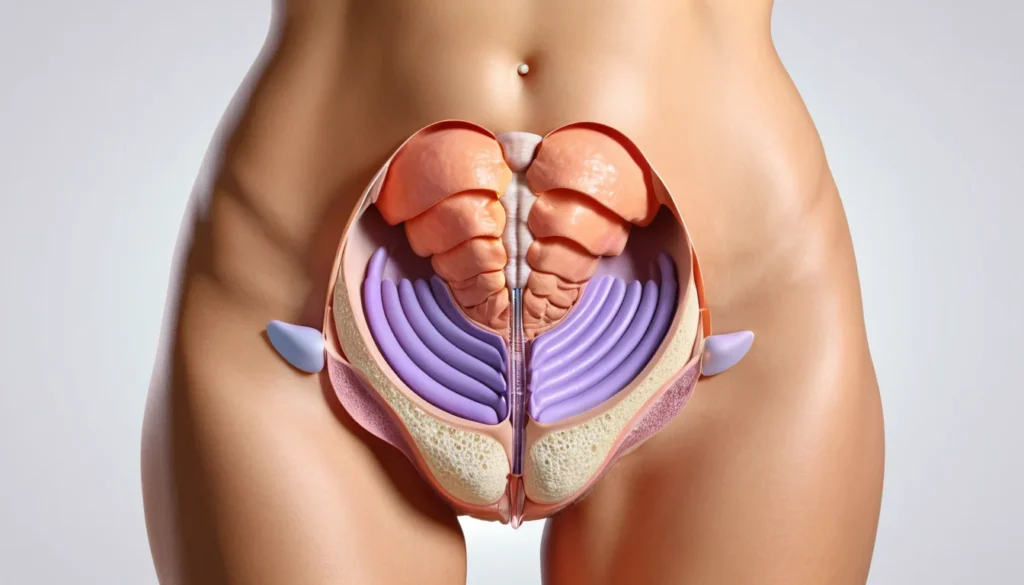
Lower estrogen levels affect sexual health in several ways. Many women notice a decrease in sexual desire. In addition, vaginal dryness and thinning of vaginal tissues can make sexual activity uncomfortable or painful.
These physical changes also make the vaginal area more vulnerable to infection. Urinary tract infections become more common during and after menopause. Talking openly with your family doctor about these changes is important — effective treatments are available.
Long-Term Health Risks Linked to Menopause
Beyond the immediate symptoms, menopause brings some longer-term health changes worth knowing about. These risks can be managed effectively with the right care and lifestyle choices.
Bone Health and Osteoporosis
One of the most significant long-term effects of menopause is the loss of bone density. Estrogen plays a key role in keeping bones strong. When estrogen levels drop, bones can become more fragile over time.
This condition is called osteoporosis. It increases the risk of fractures, particularly in the spine and the hip (femoral neck). However, regular weight-bearing exercise, adequate calcium and vitamin D intake, and medical treatment when needed can help protect bone health. Health Canada provides guidance on bone health and nutrition for women at every stage of life.
Cardiovascular Health
Before menopause, estrogen helps protect the heart and blood vessels from the buildup of fatty deposits — a process called atherosclerosis. After menopause, this protective effect is lost.
As a result, the risk of heart disease and conditions like angina (chest pain caused by reduced blood flow) and heart attack increases. Maintaining a heart-healthy lifestyle — including regular physical activity, a balanced diet high in fibre, and not smoking — becomes especially important after menopause.
Breast Changes
Some women notice a reduction in breast volume as estrogen levels decline. Breast tissue changes in density and firmness. Regular breast screening, as recommended by your provincial health plan, remains important throughout and after menopause.
Menopause Treatment Options in Canada
There is no single “right” treatment for menopause. The best approach depends on your symptoms, your health history, and your personal preferences. Your family doctor or a specialist can help you find the right plan.
Hormone Therapy
Hormone therapy — sometimes called hormone replacement therapy or HRT — is the most effective medical treatment for menopause symptoms. It works by replacing the estrogen and progesterone that the ovaries no longer produce. This helps ease hot flashes, night sweats, vaginal dryness, and mood changes.
Estrogen can be taken in several ways. Oral tablets are common and easy to use. Alternatively, estrogen patches applied to the abdomen or back deliver the hormone through the skin. Topical creams are another option. Progesterone is usually taken as an oral tablet.
Hormone therapy is not suitable for everyone. Women with a history of certain cancers, blood clots, or cardiovascular disease may need to explore other options. Your family doctor can review your health history and help you decide if hormone therapy is right for you. The Mayo Clinic offers a thorough overview of menopause treatment options, including hormone therapy risks and benefits.
Non-Hormonal Treatments
Several non-hormonal options can help manage menopause symptoms. Certain antidepressants and blood pressure medications have been shown to reduce hot flashes. Vaginal moisturisers and lubricants can ease dryness and discomfort during sex.
Lifestyle changes also make a real difference. Regular exercise improves mood, supports bone health, and reduces cardiovascular risk. Eating a balanced diet rich in calcium, vitamin D, and fibre supports overall health. Limiting caffeine and alcohol can reduce the frequency of hot flashes for some women.
Mental Health Support
The emotional side of menopause deserves just as much attention as the physical side. If you are struggling with anxiety, depression, or significant mood changes, please reach out to your family doctor. Counselling, cognitive behavioural therapy (CBT), and support groups can all be very helpful.
You do not have to manage these changes alone. Many Canadian women find that speaking with others going through the same experience — in person or online — provides real comfort and practical advice.
When to See a Doctor
You should speak with your family doctor if menopause symptoms are affecting your quality of life. There is no need to simply “push through” discomfort — effective help is available through Canada’s healthcare system.
Visit your family doctor or a walk-in clinic if you experience any of the following:
Hot flashes or night sweats that disrupt your sleep or daily routine
Vaginal dryness or pain during sex
Significant mood changes, anxiety, or signs of depression
Unexpected bleeding after periods have stopped
Concerns about bone health or fracture risk
Questions about hormone therapy or other treatments
Unexpected bleeding after confirmed menopause should always be evaluated promptly — it is not a normal part of the process and needs medical attention. Most provincial health plans cover visits to your family doctor to discuss menopause-related concerns, so do not hesitate to book an appointment.
The World Health Organization provides global context on menopause and women’s health that may also be a useful reference.
Frequently Asked Questions About Menopause
What are the first signs of menopause?
The first signs of menopause often appear during perimenopause and include irregular periods, hot flashes, and sleep disturbances. Many women also notice mood changes such as irritability or increased anxiety. If you are noticing these changes, speaking with your family doctor is a good first step.
At what age does menopause usually start in Canada?
Most Canadian women reach menopause between the ages of 40 and 55, with the average age being around 51 to 52. However, some women experience early menopause before age 40, which should be discussed with a doctor. Genetics, smoking, and certain medical treatments can affect the timing of menopause.
How long do menopause symptoms last?
Menopause symptoms can last anywhere from a few months to more than a decade, depending on the individual. On average, hot flashes and related symptoms last around four to five years after the final menstrual period. Treatment options are available to help manage symptoms throughout this time.
Is hormone therapy safe for menopause?
Hormone therapy is safe and effective for many women experiencing menopause symptoms, but it is not suitable for everyone. Your family doctor will review your personal health history before recommending it. The decision should always be made individually, weighing the benefits against any potential risks.
Can menopause cause weight gain?
Many women notice weight gain during menopause, particularly around the abdomen, due to hormonal and metabolic changes. A diet rich in fibre and lean protein, combined with regular physical activity, can help manage weight during this stage. Your family doctor or a registered dietitian can offer personalised advice.
Does menopause increase the risk of osteoporosis?
Yes, the drop in estrogen during menopause directly increases the risk of osteoporosis by reducing bone density. Women are encouraged to ensure adequate calcium and vitamin D intake and to engage in weight-bearing exercise regularly. Ask your family doctor whether a bone density test is appropriate for your age and health history.
Key Takeaways
Menopause is a natural biological process, usually occurring between ages 40 and 55, with an average age of 51 to 52 in Canada.
It happens in two stages: perimenopause (irregular cycles, hormonal fluctuations) and confirmed menopause (periods stopped for 12 months).
Common symptoms include hot flashes, night sweats, vaginal dryness, mood changes, and sleep problems.
Long-term health risks include osteoporosis and increased cardiovascular risk — both manageable with the right care.
Hormone therapy is the most effective medical treatment for many women, but non-hormonal options are also available.
Your family doctor or walk-in clinic is your best first resource — menopause support is covered under most provincial health plans.
Always consult a healthcare professional before starting or stopping any treatment for menopause symptoms.