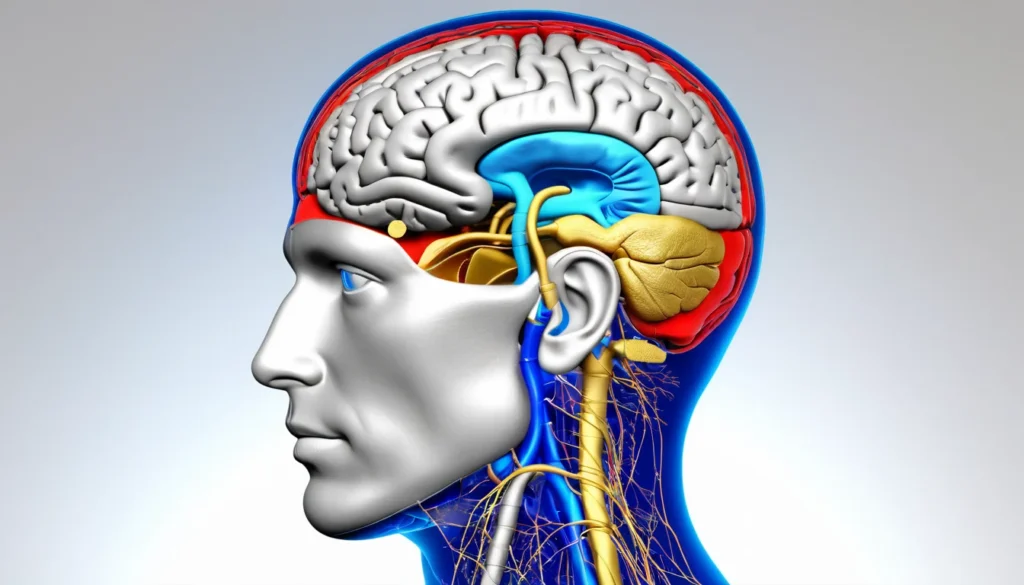
Occasional memory loss is something most of us experience at some point. Forgetting where you left your keys or blanking on a name is usually nothing to worry about. However, when forgetfulness starts affecting your daily life, it is worth paying attention. This article explains the common causes of memory problems and shares 10 practical, science-backed tips to help keep your mind sharp.
What Is Normal Memory Loss?
As we age, it is natural for memory to slow down a little. This is different from serious conditions like Alzheimer’s disease or dementia. Normal forgetfulness means you might take longer to recall something, but you eventually remember it.
Other everyday factors can also affect memory. These include fatigue, depression, poor diet, and high stress. In most cases, if your friends and family have not noticed a change in your behaviour, your memory is likely just fine.
However, if you are struggling to handle basic daily tasks or process simple information, that is a different story. Early diagnosis of conditions like Alzheimer’s or dementia can make a big difference in treatment outcomes. It is always better to check with a healthcare provider sooner rather than later.
10 Tips to Reduce Memory Loss and Sharpen Your Mind
The good news is that there are simple, effective steps you can take every day. These habits support brain health and can help reduce memory loss over time. Here is what the evidence suggests.
1. Exercise Your Brain Regularly
Your brain works like a muscle — it needs regular exercise to stay strong. Doing puzzles, reading, learning a new language, or picking up a new hobby all help keep your mind active. An engaged brain processes information faster and remembers things more easily.
Try to avoid falling into the same routines every single day. Challenging your brain with new experiences encourages the growth of new neural connections. Therefore, variety in your mental activities is key.
2. Get Enough Sleep Every Night
Sleep deprivation has effects on the brain similar to being impaired by alcohol. Your concentration suffers, your reaction time slows, and your memory weakens significantly. A tired mind simply cannot store new information properly.
Aim for seven to nine hours of sleep each night. Keeping a consistent sleep schedule — going to bed and waking up at the same time — helps your brain stay in top shape. Sleeping in on weekends to “catch up” does not repair the damage done during the week.
3. Pay Attention and Focus
Many times, we forget things simply because we were not fully paying attention when we first learned them. For example, you might forget someone’s name because you were distracted when you were introduced. Active listening and focus are powerful tools against memory loss.
When you need to remember something important, repeat it out loud or write it down right away. Even a brief moment of focused attention can make a big difference in how well your brain stores that information.
4. Use Rhymes and Memory Tricks
Rhymes are not just for children. They are a proven technique for helping adults remember names, numbers, and facts. If you struggle to remember someone’s name, try associating it with a word that rhymes with it.
Repeat the name and the rhyme a few times out loud. This repetition helps your brain lock in the information more firmly. Memory techniques like these are used by memory champions and everyday people alike.
5. Write Things Down
Keeping a simple daily to-do list is one of the most effective ways to manage forgetfulness. You do not need to check it constantly. However, having it available gives you peace of mind and a reliable backup when your memory slips.
A small notebook, a sticky note on the fridge, or a notes app on your phone all work well. The act of writing something down also helps reinforce the memory in your brain. In addition, it reduces the mental stress of trying to remember everything at once.
6. Take Regular Breaks While Learning
Students often find it hard to study for long stretches because they remember the beginning and end of a session clearly, but forget the middle. This effect grows the longer the study session lasts. The same applies to anyone trying to learn or memorize new information.
Try taking a short break every 30 to 50 minutes. These breaks give your brain time to consolidate what it has just learned. As a result, you will retain information more evenly and more effectively across the whole session.
How Diet Affects Memory Loss
What you eat has a direct impact on brain health. A nutritious diet can slow cognitive decline and support memory function at any age. According to Health Canada, eating a balanced diet is one of the most important things you can do for your overall health — and that includes your brain.
7. Eat Antioxidant-Rich Foods at Breakfast
As we age, the brain becomes more vulnerable to damage from free radicals. These are unstable molecules that build up over time and contribute to memory loss and cognitive decline. Antioxidants help slow this process down.
Starting your day with foods rich in vitamins A, C, and E gives your brain a protective boost right from the morning. Here are some excellent Canadian-friendly sources of these key nutrients:
Vitamin A and beta-carotene: spinach, carrots, cantaloupe, winter squash
Vitamin C: broccoli, tomatoes, strawberries, oranges, and other citrus fruits
Vitamin E: vegetable oils, seeds, nuts, wheat germ
8. Add Fish to Your Weekly Meals
Research shows that people who eat fish regularly tend to have better memory function. Fatty fish like salmon, mackerel, and sardines — all readily available across Canada — are rich in polyunsaturated fatty acids. These support healthy brain development and function throughout life.
Fish also contains omega-3 fatty acids, which help brain cells communicate more efficiently. This allows your mind to process information more quickly and clearly. The Mayo Clinic recommends omega-3 fatty acids as part of a brain-healthy diet.
Lifestyle Habits That Contribute to Memory Loss
Beyond diet, certain daily habits can quietly chip away at your memory over time. Making a few simple changes to your lifestyle can have a meaningful impact on long-term brain health.
9. Quit Smoking
A large body of research links smoking to reduced brain function. Heavy smokers face a significantly higher risk of both visual and verbal memory loss. Smoking does not only damage your lungs — it also damages the brain cells responsible for storing memories.
If you are a smoker, quitting is one of the best things you can do for your brain health. Canada offers several free resources to help, including provincial quit-smoking programmes through your provincial health plan. Talk to your family doctor or visit a walk-in clinic for support and options.
10. Cut Back on Caffeine
A morning coffee can help you feel more alert, and that is fine in moderation. However, too much caffeine can cause sleep disruption, anxiety, and nervousness. All of these conditions interfere with your brain’s ability to store new memories properly.
Memory works best when you are calm and focused. Furthermore, excessive caffeine creates a cycle of poor sleep and increased stress — both known contributors to forgetfulness. Try limiting yourself to one or two cups of coffee per day and see if you notice a difference.
Bonus: Build Confidence and Manage Stress
Chronic anxiety causes the body to release stress hormones that can damage brain cells over time. Studies show that people who are constantly stressed or anxious tend to experience more frequent memory loss. Relaxation is not a luxury — it is a brain health strategy.
According to the World Health Organization, managing mental health is a core part of overall wellbeing. Practices like deep breathing, walking in nature, yoga, or simply spending time with loved ones can all help reduce stress and protect your memory.
When to See a Doctor About Memory Loss
It is important to know the difference between occasional forgetfulness and a more serious problem. If you or someone you love is showing signs of significant memory loss, do not wait. Seek medical advice as soon as possible.
Warning signs that warrant a visit to your family doctor or a walk-in clinic include:
Getting lost in familiar places
Forgetting the names of close family members
Difficulty completing everyday tasks like cooking or paying bills
Repeating the same questions or stories in a short period of time
Noticeable personality or behaviour changes
Confusion about time, place, or recent events
In Canada, your first step should always be your family doctor. If you do not have one, a walk-in clinic can provide an initial assessment and referral. Many provincial health plans cover cognitive assessments, so check with your provincial health authority for coverage details. Early diagnosis of conditions like Alzheimer’s or dementia can open the door to treatments that significantly improve quality of life.
Please note: The information in this article is for general educational purposes only. Always consult a qualified healthcare provider before making changes to your health routine, especially if you have concerns about memory or cognitive function.
Frequently Asked Questions About Memory Loss
What are the most common causes of memory loss?
The most common causes of memory loss include sleep deprivation, chronic stress, poor diet, and lack of mental stimulation. Medical conditions such as depression, thyroid disorders, and vitamin deficiencies can also affect memory. In older adults, conditions like Alzheimer’s disease and dementia are important causes to rule out with a doctor.
Is memory loss a normal part of aging?
Some degree of memory loss is a normal part of aging, such as taking longer to recall a name or misplacing objects occasionally. However, significant memory loss that interferes with daily life is not considered normal and should be evaluated by a healthcare provider. Early detection of conditions like dementia can lead to better treatment outcomes.
Can diet help improve memory and reduce memory loss?
Yes, diet plays a significant role in brain health and can help reduce memory loss over time. Foods rich in antioxidants, omega-3 fatty acids, and key vitamins like A, C, and E protect brain cells from damage. Adding fatty fish, leafy greens, berries, and nuts to your regular meals is a great place to start.
When should I see a doctor about memory loss in Canada?
You should see a doctor about memory loss if it is affecting your ability to complete daily tasks, you are getting lost in familiar places, or family members have noticed a change in your behaviour. In Canada, you can visit your family doctor or a walk-in clinic for an initial assessment. Many provincial health plans cover cognitive evaluations, so check your coverage.
Does smoking cause memory loss?
Yes, research strongly links heavy smoking to increased risk of memory loss, including both visual and verbal memory impairment. Smoking reduces blood flow to the brain and damages the neurons responsible for storing memories. Quitting smoking is one of the most effective steps you can take to protect your long-term brain health.
How much sleep do I need to prevent memory loss?
Most adults need between seven and nine hours of sleep per night to support healthy brain function and prevent memory loss. A consistent sleep schedule — going to bed and waking at the same time each day — is more effective than trying to catch up on sleep on weekends. Poor sleep is one of the most reversible causes of forgetfulness.
Key Takeaways
Memory loss is often caused by lifestyle factors like poor sleep, stress, smoking, and diet — not just aging or disease.
Keeping your brain active with new challenges and learning helps maintain sharp cognitive function.
A diet rich in antioxidants, omega-3 fatty acids, and key vitamins supports long-term brain health.
Simple habits like writing things down, paying focused attention, and taking regular breaks can significantly reduce forgetfulness.
Quitting smoking, limiting caffeine, and managing stress are powerful lifestyle changes for protecting your memory.
If memory loss is affecting your daily life, speak with your family doctor or visit a walk-in clinic as soon as possible.
In Canada, provincial health plans may cover cognitive assessments — ask your healthcare provider about your options.