Melanoma skin cancer is one of the most serious forms of skin cancer in Canada. It starts in the cells that give your skin its colour, and it can spread to other parts of the body if not caught early. The good news is that melanoma skin cancer is often visible to the naked eye — which means you may be the first person to notice something is wrong. Catching it early can make all the difference.
What Is Melanoma Skin Cancer?
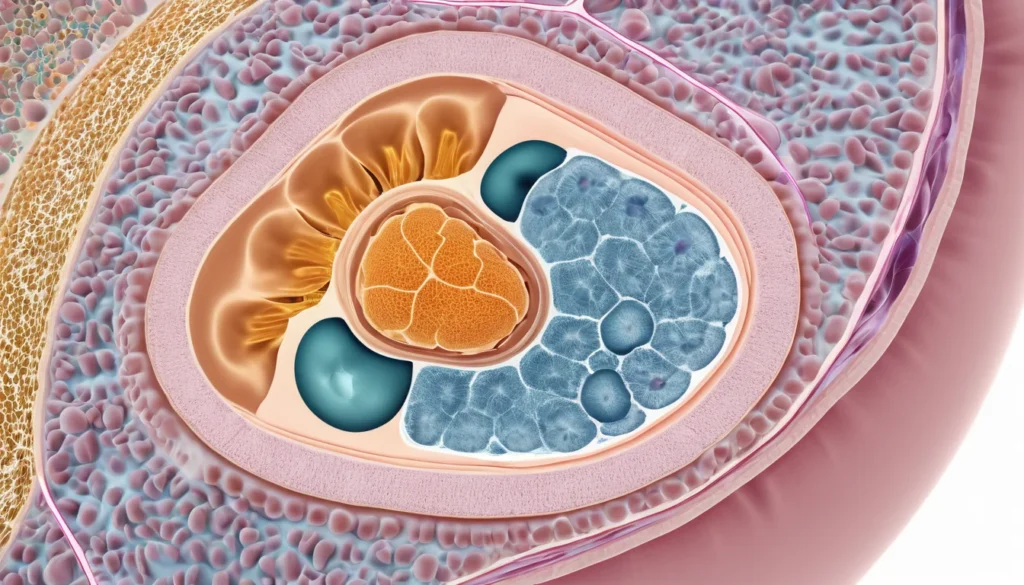
Melanoma develops in cells called melanocytes. These are the pigment-producing cells found in your skin. When these cells begin to grow abnormally, they can form a tumour — and that tumour can spread.
Unlike many other cancers, melanoma skin cancer often appears right on the surface of your skin. That makes early detection possible for most people. However, it is also more dangerous than other skin cancers because it can spread quickly through the lymphatic system or bloodstream to other organs.
According to Health Canada, skin cancer is among the most commonly diagnosed cancers in the country. Protecting yourself starts with knowing the facts.
What Causes Melanoma?
The main cause of melanoma is exposure to ultraviolet (UV) radiation. UV radiation comes from the sun, but it also comes from artificial sources like tanning beds and sun lamps. There are two types of UV rays — UVA and UVB — and both can damage your skin over time.
This damage builds up slowly. Even if you never had a serious sunburn, years of unprotected sun exposure raise your risk. Furthermore, using tanning beds — even occasionally — increases your chances of developing melanoma skin cancer.
How Does Cancer Spread in the Body?
Cancer starts when cells multiply in an uncontrolled way. These abnormal cells form a tumour. If left untreated, the tumour can grow and invade nearby tissue.
From there, cancer cells can enter the lymphatic system. Think of this system as a network of channels and glands spread throughout your body. It connects to your bloodstream, which means cancer can travel to your bones, lungs, liver, or other organs. This is why early treatment matters so much.
Risk Factors for Melanoma Skin Cancer
Anyone can develop melanoma, but some people face a higher risk. All of the following factors make your skin more sensitive to the effects of UV radiation.
Fair or light skin that burns easily and rarely tans
Red or blonde hair
Blue or light-coloured eyes
A large number of moles on the body
Many freckles
A family history of melanoma in a close relative
A condition that weakens the immune system, such as HIV
Taking medications that suppress the immune system
Certain rare skin conditions that increase cancer risk
Having one or more of these risk factors does not mean you will develop melanoma skin cancer. However, it does mean you should be extra careful about sun protection and regular skin checks.
Symptoms and Warning Signs of Melanoma
Melanoma can appear anywhere on the body. However, it most commonly shows up on the back, legs, arms, and face. The first sign is usually a new mole or a change in an existing one.
A normal mole is one colour, round or oval in shape, and no larger than 6 mm across — about the size of a pencil eraser. Melanomas tend to look different. They are often irregular in shape and may have more than one colour.
The ABCDE Method
A simple way to check your moles is to use the ABCDE method. This approach helps you spot the signs of melanoma skin cancer early. The Mayo Clinic also recommends this method for regular self-checks.
A — Asymmetry: One half of the mole does not match the other half.
B — Border: The edges are ragged, notched, or blurred, not smooth and even.
C — Colour: The mole has two or more colours — brown, black, red, white, or blue.
D — Diameter: The mole is larger than 6 mm across.
E — Evolution: The mole is changing in size, shape, colour, or it bleeds or itches.
In addition to these signs, watch for any mole that feels itchy, bleeds, or becomes raised and swollen. Any of these changes deserve prompt attention.
Types of Melanoma Skin Cancer
Not all melanomas look the same. There are several types, and each behaves a little differently.
Superficial Spreading Melanoma
This is the most common type, making up about 70% of all melanoma cases. It tends to appear on the legs in women and the back in men. It most often affects people between the ages of 30 and 50.
This type usually appears as a raised mole with multiple colours. When diagnosed in its early stages, it can often be removed with minor surgery.
Nodular Melanoma
Nodular melanoma accounts for roughly 20% of cases. It is typically dark blue-black in colour. This type is more aggressive — it grows and spreads faster than other forms. Therefore, early detection is especially important.
Lentigo Maligna
Lentigo maligna is different from other types because it usually develops on areas of skin that get a lot of sun — for example, the face, neck, or forearms. It looks like a cluster of unevenly coloured freckles. This type grows slowly and may take many years to become dangerous. However, it still needs to be monitored and treated.
Rare Forms of Melanoma
Some less common forms of melanoma skin cancer can appear under the fingernails or toenails, on the palms of the hands, on the soles of the feet, or inside the eye. In rare cases, melanoma can even develop inside the body. These forms can be harder to detect, so regular check-ups are important.
How Is Melanoma Diagnosed?
If you notice a suspicious mole, your first step is to visit your family doctor or a walk-in clinic. Your doctor will examine the mole and decide whether you need a referral to a dermatologist — a skin specialist.
Skin Biopsy
The dermatologist may perform a biopsy. This is a quick procedure where the suspicious mole is removed from the skin and examined under a microscope. It is the most reliable way to confirm whether a mole is cancerous.
If the biopsy confirms melanoma skin cancer, a small area of surrounding skin will also be removed during surgery. This helps ensure all the cancer cells are gone. Further tests may also be ordered to check whether the cancer has spread to other parts of the body.
Further Testing
Depending on the biopsy results and the stage of the melanoma, your doctor may recommend imaging tests such as an ultrasound, CT scan, or MRI. These tests help check nearby lymph nodes and organs. As a result, doctors can create the most effective treatment plan for your situation.
For more information on skin cancer diagnosis and treatment, visit the World Health Organization’s skin cancer resource page.
When to See a Doctor About a Mole
You should see a doctor as soon as possible if you notice any of the following changes to a mole or patch of skin:
A new mole that looks unusual
A mole that has changed in size, shape, or colour
A mole that bleeds, itches, or feels sore
Any spot on your skin that looks different from your other moles
In Canada, you can start by booking an appointment with your family doctor. If you do not have a family doctor, a walk-in clinic can assess your skin and refer you to a dermatologist if needed. Most provincial health plans cover medically necessary dermatology referrals, so do not let cost be a barrier to getting checked.
Do not wait for a scheduled check-up if something looks wrong. Early action can save your life.
Frequently Asked Questions About Melanoma Skin Cancer
What does melanoma skin cancer look like in its early stages?
In its early stages, melanoma skin cancer often looks like an unusual mole. It may be asymmetrical, have irregular borders, contain more than one colour, or be larger than 6 mm across. Using the ABCDE method during regular self-checks can help you spot changes early.
Is melanoma skin cancer curable if caught early?
Yes — when melanoma skin cancer is caught early and has not spread, it can often be cured with minor surgery to remove the affected skin. The earlier it is found, the better the outcome. This is why regular skin self-checks and annual doctor visits are so important.
What are the main risk factors for melanoma in Canada?
The main risk factors for melanoma skin cancer include fair skin, light-coloured eyes, red or blonde hair, a large number of moles, a family history of melanoma, and significant sun exposure or tanning bed use. Canadians who spend a lot of time outdoors should take extra care to protect their skin year-round.
Can tanning beds cause melanoma?
Yes. Tanning beds emit UV radiation — the same type of radiation from the sun that damages skin cells and increases the risk of melanoma skin cancer. Even occasional tanning bed use raises your risk. Health experts in Canada strongly recommend avoiding tanning beds entirely.
How is melanoma skin cancer different from other skin cancers?
Melanoma skin cancer is more dangerous than most other skin cancers because it can spread quickly to other organs through the lymphatic system or bloodstream. Other common skin cancers, like basal cell carcinoma, are less likely to spread and are generally easier to treat.
Does provincial health coverage in Canada include melanoma treatment?
Yes. In Canada, medically necessary cancer treatment — including surgery, biopsy referrals, and follow-up care for melanoma skin cancer — is generally covered under provincial and territorial health plans. If you have concerns about coverage, speak with your family doctor or contact your provincial health authority for details.
Key Takeaways
Melanoma skin cancer is a serious but often visible form of cancer that starts in pigment-producing skin cells.
UV radiation from the sun and tanning beds is the leading cause.
Use the ABCDE method to check your moles regularly — look for asymmetry, irregular borders, multiple colours, large diameter, and changes over time.
Risk factors include fair skin, light eyes, red or blonde hair, many moles, and a family history of melanoma.
When caught early, melanoma is often treatable with minor surgery.
See your family doctor or visit a walk-in clinic promptly if you notice any changes to a mole or new unusual spots on your skin.
Always speak with a qualified healthcare provider before making any decisions about your health. This article is for informational purposes only and is not a substitute for professional medical advice.