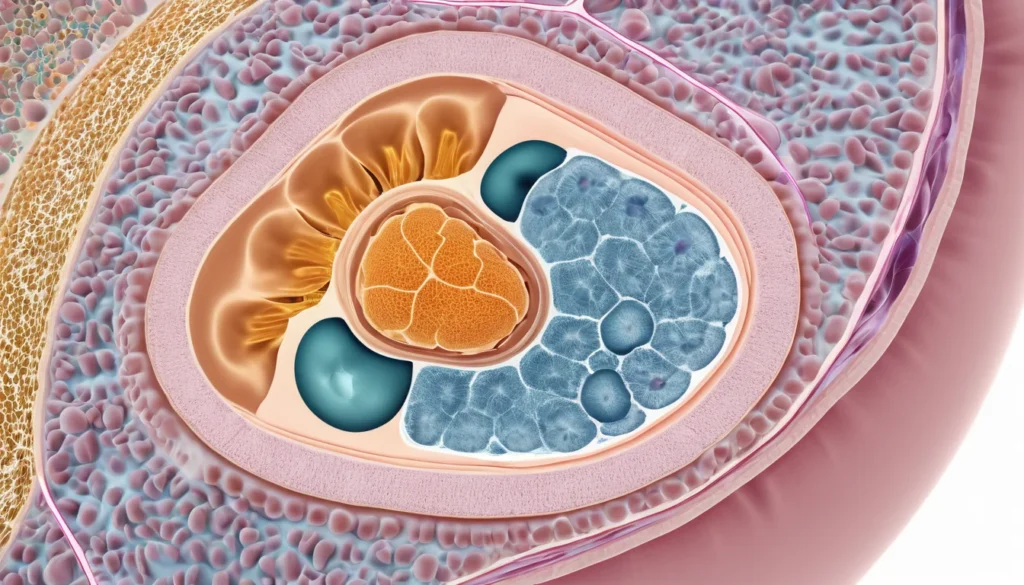
Melanoma is the most dangerous form of skin cancer — but here is the good news: when caught early, it is nearly always curable. In fact, melanoma has a survival rate of about 99% when found in its earliest stage. Understanding the warning signs, risk factors, and prevention strategies can make a life-saving difference for Canadians of all skin types and backgrounds.
What Is Melanoma?
Melanoma gets its name from the word meaning “black tumour.” It starts in cells called melanocytes, which produce melanin — the pigment that gives your skin its colour. Because these cells are found throughout the body, melanoma can spread quickly to other organs if left untreated.
Most melanomas are black or brown in colour. However, some can appear pink, red, purple, or even skin-toned, which makes them easy to miss. That is why knowing what to look for is so important.
About 30% of melanomas begin in existing moles. The other 70% develop on normal-looking skin. This means you cannot rely on moles alone as your warning system — you need to watch your entire skin regularly.
Warning Signs of Melanoma: The ABCDE Rule
Catching melanoma early starts with knowing what to look for. Dermatologists recommend using the ABCDE rule to check any spot or mole on your skin. This tool helps you identify changes that may signal melanoma.
A – Asymmetry: One half of the spot does not match the other half.
B – Border: The edges are ragged, notched, or blurred rather than smooth.
C – Colour: The colour is uneven, with shades of brown, black, grey, red, or white.
D – Diameter: The spot is larger than 6 mm — about the size of a pencil eraser.
E – Evolution: The spot is new, or it is changing in size, shape, or colour.
Not every melanoma follows these rules perfectly. Therefore, you should also tell your doctor about any sore that will not heal, unusual bumps, rashes, or any change to an existing mole. When in doubt, get it checked out.
The “Ugly Duckling” Sign
Another useful way to spot melanoma is called the “ugly duckling” sign. Most moles on your body look similar to one another. If one mole looks noticeably different from the rest, it is the “ugly duckling” — and it deserves a closer look from a dermatologist.
Melanoma can also appear as scaly patches, open sores, or raised bumps that look nothing like a typical mole. Furthermore, on people with darker skin tones, melanoma most often appears on the palms, soles of the feet, and under the nails.
Who Is at Risk for Melanoma in Canada?
Anyone can develop melanoma, regardless of skin tone or background. However, certain factors raise your risk significantly. Knowing your risk level helps you stay more alert and get screened more regularly.
You may be at higher risk if you have:
A personal or family history of melanoma
Fair skin, freckles, blonde or red hair, and blue or green eyes
A history of blistering sunburns, especially during childhood
Many moles, particularly unusual or irregular ones
A weakened immune system
A history of tanning bed use
Worked or lived in high-altitude or high-sun environments
Melanoma is more common in people with lighter skin. However, people with darker skin tones are not immune — and may actually face delayed diagnoses because awareness is lower. As a result, everyone should be familiar with the warning signs.
Tanning Beds and UV Exposure
UV radiation is the leading cause of melanoma. Research shows that 86% of melanoma cases are linked to sun exposure. UV rays damage the DNA inside skin cells, causing changes that allow cells to grow out of control.
Tanning beds are just as dangerous. The World Health Organization classifies tanning beds as a Group 1 carcinogen — meaning they are confirmed to cause cancer in humans. In addition, Health Canada strongly advises against their use, especially for anyone under 18.
Causes of Melanoma
The main cause of melanoma is overexposure to ultraviolet (UV) radiation — from the sun or from artificial sources like tanning beds. UV rays penetrate the skin and damage DNA in melanocyte cells. When that DNA is damaged and cells begin to reproduce abnormally, cancer can develop.
Sunburns during childhood are especially harmful. Even one severe, blistering sunburn can significantly increase your lifetime risk of melanoma. This is why sun protection habits learned early in life are so valuable.
Genetics also play a role. If a close family member has had melanoma, your own risk is higher. In some cases, specific gene mutations can be inherited that make the skin more vulnerable to UV damage. Talk to your family doctor about your family history so they can help assess your personal risk.
How Is Melanoma Diagnosed?
If your doctor notices a suspicious mole or skin change, they will likely recommend a biopsy. This means removing a small sample of the skin and examining it under a microscope for cancer cells. A biopsy is the only way to confirm a melanoma diagnosis.
If the biopsy confirms melanoma, the next step is staging — determining how far the cancer has spread. The thickness of the tumour is the most important factor in predicting outcomes. Thinner tumours caught early are far more treatable.
Tests Used to Stage Melanoma
Your doctor may use one or more of the following tests to stage your melanoma:
Sentinel lymph node biopsy – checks nearby lymph nodes for cancer cells
CT scan – creates detailed images of the inside of the body
MRI – uses magnetic fields to produce detailed images of soft tissues
PET scan – detects cancer activity throughout the body
Blood tests – may help assess overall health and organ function
The stage of your melanoma guides the treatment plan your medical team will recommend. The Mayo Clinic provides a detailed overview of melanoma staging and treatment options that may help you understand what to expect.
Melanoma Treatment Options
Treatment for melanoma depends on the stage of the cancer and your overall health. In most cases, surgery is the first and main treatment. A surgeon removes the melanoma along with a small margin of healthy skin around it. This procedure is often done under local anaesthetic in a dermatologist’s office.
For more advanced cases, additional treatments may be needed, including:
Lymphadenectomy – removal of nearby lymph nodes if cancer has spread
Immunotherapy – medicines that help your immune system fight the cancer
Targeted therapy – drugs that target specific gene mutations in cancer cells
Radiation therapy – high-energy rays used to destroy cancer cells
Chemotherapy – medicines that kill fast-growing cells throughout the body
Early-stage melanoma is often treated with surgery alone and has excellent outcomes. However, the success of treatment drops significantly as the cancer grows deeper or spreads. This is why early detection is so critical.
How to Prevent Melanoma
The most effective way to reduce your melanoma risk is to protect your skin from UV radiation every day — not just on sunny summer days. UV rays can damage your skin even on cloudy days and during winter months in Canada.
Here are key prevention steps recommended by Health Canada’s sun safety guidelines:
Apply a broad-spectrum SPF 30 or higher sunscreen every day, even in winter
Reapply sunscreen every two hours when outdoors
Wear protective clothing, wide-brimmed hats, and UV-blocking sunglasses
Seek shade between 11 a.m. and 3 p.m., when UV rays are strongest
Avoid tanning beds entirely
Check the UV index daily — many Canadian weather apps and forecasts include it
Protect children’s skin from an early age and teach sun-safe habits
In addition, perform a full skin self-examination once a month. Stand in front of a mirror in good light and check all areas of your body, including your scalp, the soles of your feet, and between your toes.
When to See a Doctor
Do not wait to seek medical advice if you notice any changes on your skin. In Canada, you can start by booking an appointment with your family doctor or visiting a walk-in clinic if your regular doctor is not immediately available. Your family doctor can examine the spot and refer you to a dermatologist if needed.
See a doctor promptly if you notice any of the following:
A mole that is changing in size, shape, or colour
A new growth or spot that looks different from your other moles
A sore that bleeds or does not heal within a few weeks
Any skin change that concerns you, even if you are not sure why
Most provincial health plans in Canada cover medically necessary referrals to dermatologists. If you are concerned about a suspicious spot, advocate for yourself and ask for that referral. Early action can save your life.
As always, the information in this article is for general educational purposes. Please speak with your family doctor or a qualified healthcare provider for advice specific to your situation.
Frequently Asked Questions About Melanoma
What does melanoma look like in its early stages?
Early-stage melanoma often looks like a changing mole or a new dark spot on the skin. It may be asymmetrical, have uneven borders or colour, or measure larger than 6 mm. Using the ABCDE rule regularly helps you catch melanoma when it is most treatable.
Can melanoma be cured if caught early?
Yes — melanoma has a survival rate of approximately 99% when detected in its earliest stage. Early detection means the cancer has not yet spread beyond the skin, making surgical removal highly effective. That is why regular skin checks are so important.
Is melanoma covered by provincial health plans in Canada?
Yes, diagnosis and treatment of melanoma are generally covered under provincial and territorial health plans across Canada. This includes doctor visits, biopsies, and referrals to specialists. Check with your provincial health authority for specific details about your coverage.
Can people with darker skin get melanoma?
Yes, melanoma can affect people of all skin tones and backgrounds. In people with darker skin, melanoma most commonly appears on the palms, soles of the feet, or under the nails. Everyone should perform regular skin checks and speak with their doctor about any unusual changes.
Are tanning beds linked to melanoma?
Yes, tanning beds are directly linked to an increased risk of melanoma. The World Health Organization classifies tanning bed UV radiation as a confirmed carcinogen. Health Canada strongly advises against tanning bed use, particularly for young people under 18.
How often should I check my skin for melanoma?
Most dermatologists recommend performing a full skin self-examination once a month. In addition, ask your family doctor to include a skin check as part of your regular annual physical. If you are at higher risk for melanoma, your doctor may recommend more frequent professional skin exams.
Key Takeaways
Melanoma is serious but treatable — especially when found early, with a 99% survival rate at the earliest stage.
Use the ABCDE rule to check moles and skin spots for warning signs of melanoma.
UV radiation is the primary cause — protect your skin with sunscreen, clothing, and shade every day.
Tanning beds cause cancer — avoid them entirely, regardless of your skin tone.
Everyone is at risk — melanoma affects people of all skin colours, though risk factors vary.
See your family doctor or walk-in clinic if you notice any suspicious skin changes — do not wait.
Monthly self-exams matter — make skin checks a regular part of your health routine.