Meckel’s diverticulum is the most common congenital (present at birth) defect of the small intestine. It affects roughly 2 to 4 percent of the population. Most people never know they have it, but for some, it can cause serious complications that require surgery.
What Is Meckel’s Diverticulum?
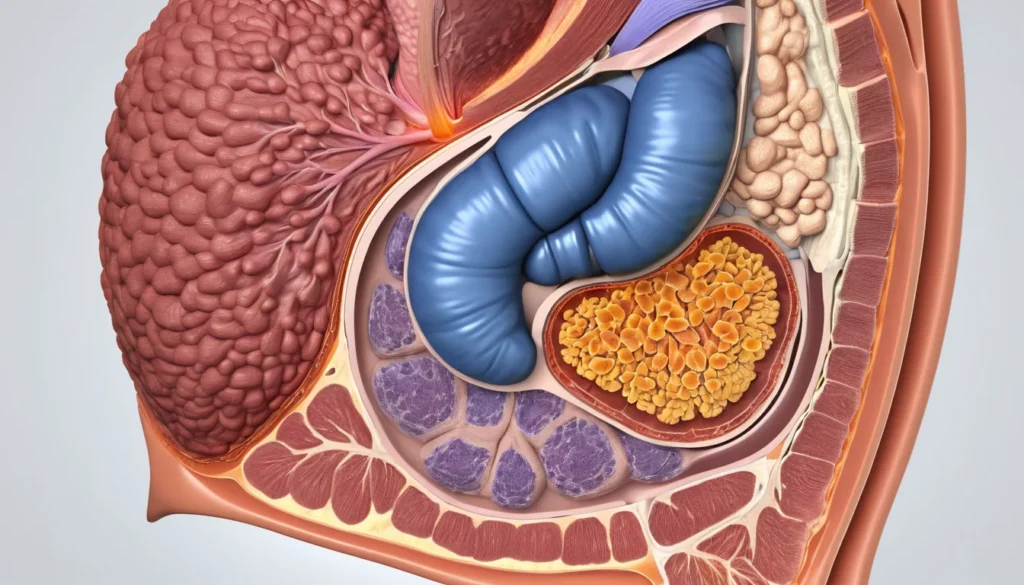
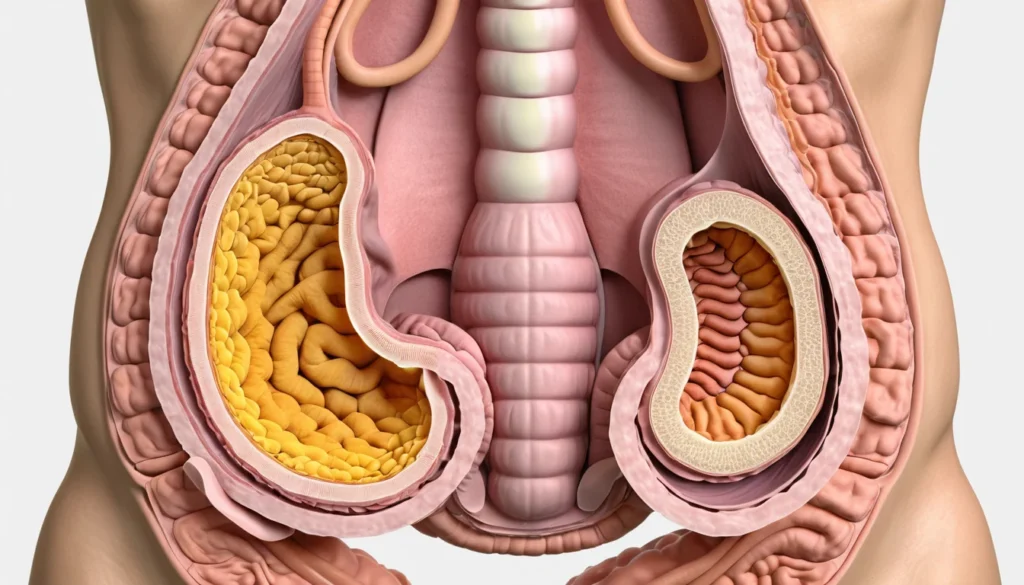
Meckel’s diverticulum is a small, pouch-like sac on the wall of the small intestine (called the ileum). It sits roughly 70 to 90 centimetres from the point where the small and large intestines meet.
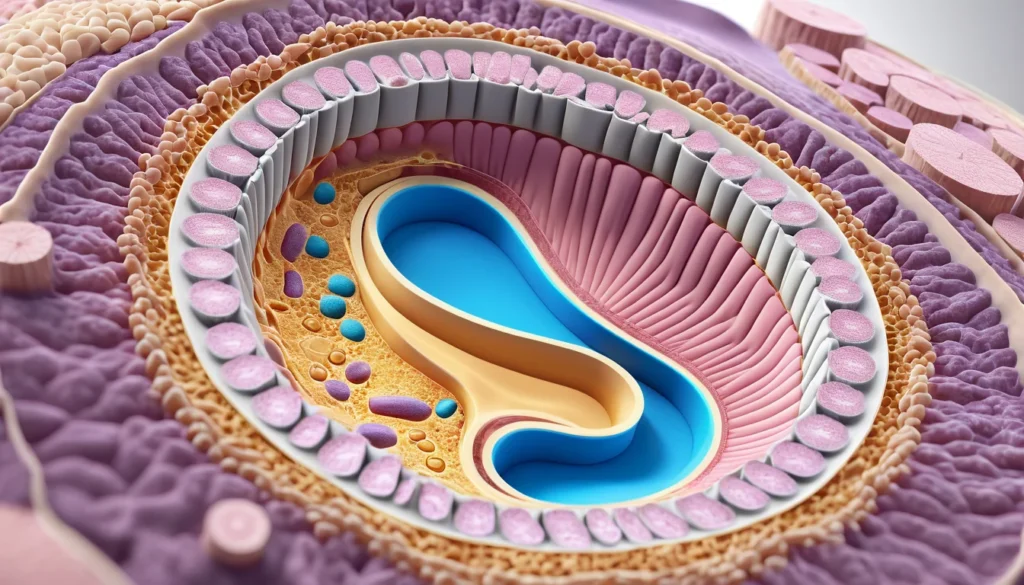
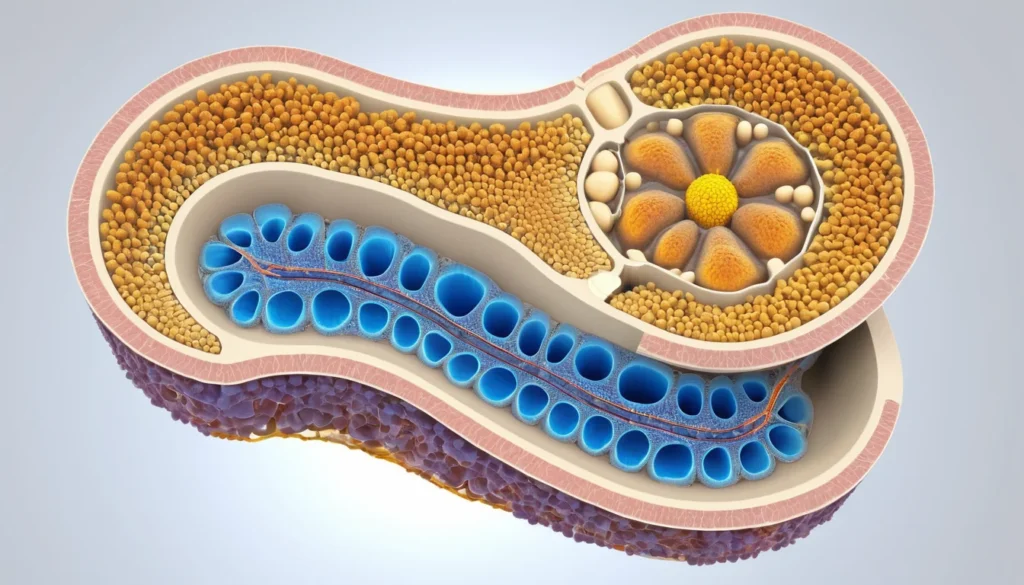
This pouch usually has the same tissue structure as the surrounding intestine. However, it sometimes contains stomach (gastric) or pancreatic tissue that has no business being there. This misplaced tissue is called ectopic tissue, and it is the main reason complications develop.
Meckel’s diverticulum follows what doctors call the “Rule of 2s.” It affects about 2% of people, is roughly 2 inches long, sits about 2 feet from the end of the small intestine, and most often causes problems before age 2. You can learn more about congenital digestive conditions at Mayo Clinic’s overview of Meckel’s diverticulum.
What Causes Meckel’s Diverticulum?
Meckel’s diverticulum is not inherited. There is no known genetic defect passed down from parent to child. Instead, it forms during fetal development when a small duct fails to close properly.
During the first seven weeks of pregnancy, a structure called the omphalomesenteric duct (also known as the vitelline duct) connects the developing baby’s gut to the yolk sac. This duct normally disappears completely on its own. When it does not fully close, the leftover tissue forms Meckel’s diverticulum.
In some cases, the condition appears alongside other birth defects, such as duodenal malformations or imperforate anus. These associations are rare, but your child’s doctor will look for them if Meckel’s diverticulum is found early. For general information on fetal development and birth defects, Health Canada is a trusted resource for Canadian families.
Symptoms of Meckel’s Diverticulum
Most people with Meckel’s diverticulum never develop symptoms at all. In fact, the majority of cases are discovered by accident during surgery or imaging for an unrelated problem.
When symptoms do appear, they most often show up in children under the age of two. Adults can be affected as well, but this is less common. The type of symptom depends on which complication is developing.
Symptoms in Infants and Young Children
Bleeding is the most common problem in infants and toddlers. You may notice bright red or brick-red blood in your child’s stool. This is called hematochezia, and it should always be checked by a doctor right away.
Bowel obstruction is another serious complication in this age group. Signs include severe abdominal pain, bloating, vomiting, and no bowel movements. This is a medical emergency — do not wait to seek care.
Symptoms in Older Children and Adults
In people over age two, inflammation of the diverticulum (called diverticulitis) becomes more common. The symptoms closely resemble appendicitis: cramping, abdominal pain, nausea, and fever.
Some people develop a peptic ulcer inside the pouch, caused by the misplaced stomach tissue producing acid. This leads to pain, vomiting, and intestinal bleeding. Furthermore, in rare cases, the diverticulum can become trapped inside a hernia sac — a condition called Littre’s hernia — which can be very difficult to diagnose without imaging.
Signs of a Surgical Emergency
Meckel’s diverticulum can become a surgical emergency. Seek immediate care at your nearest emergency department if you or your child experiences sudden, severe abdominal pain along with muscle rigidity, high fever, or signs of significant bleeding.
These signs may point to a perforated bowel, peritonitis (infection of the abdominal cavity), or a volvulus (twisted bowel). These conditions are life-threatening if not treated immediately.
How Is Meckel’s Diverticulum Diagnosed?
Diagnosing Meckel’s diverticulum can be challenging because its symptoms mimic many other conditions. A clinical exam alone is not enough — your doctor will need imaging and lab tests to confirm the diagnosis.
Blood Tests
Your doctor will order a complete blood count (CBC) to check for anaemia (low red blood cell levels caused by bleeding). They will also measure your haemoglobin and haematocrit levels. A stool test checks for hidden (occult) blood that is not visible to the naked eye.
Technetium-99 Scan (Meckel’s Scan)
The preferred imaging test for Meckel’s diverticulum is a nuclear medicine scan using Technetium-99m (Tc-99m). A small amount of a radioactive tracer is injected into the bloodstream. This tracer has a natural attraction to gastric (stomach) tissue, making ectopic gastric tissue in the diverticulum light up on the scan.
Over 50% of Meckel’s diverticula contain gastric tissue, so this scan picks up many cases. However, it is not perfect — false negatives do occur. A negative scan does not rule out Meckel’s diverticulum entirely. Your specialist may order additional tests if clinical suspicion remains high.
Other Imaging and Procedures
Colonoscopy allows a doctor to view the inside of the large intestine using a flexible camera. Angiography is especially useful when active bleeding is occurring, as it can pinpoint the exact source. Rectosigmoidoscopy uses a flexible tube with a small camera to examine the rectum and sigmoid colon for signs of bleeding or obstruction.
In some cases, Meckel’s diverticulum is only found during abdominal surgery performed for another reason. Surgeons are trained to look for it routinely. You can read more about digestive imaging procedures at Healthline’s guide to Meckel’s diverticulum.
Treatment for Meckel’s Diverticulum
The only effective treatment for Meckel’s diverticulum is surgery. There are no medications or lifestyle changes that can resolve the condition or prevent its complications.
Surgical Removal (Diverticulectomy)
The surgeon removes the diverticulum along with the affected section of intestine. The two healthy ends are then rejoined in a procedure called anastomosis. This restores normal bowel continuity. The operation is very similar to an appendectomy, and most patients recover quickly.
Surgery is clearly recommended when there is bleeding, bowel obstruction, or inflammation. Surgeons also recommend removing the diverticulum even when it causes no symptoms, if it is discovered during another abdominal procedure. This prevents future complications, including — in rare cases — malignant (cancerous) transformation of the tissue inside the pouch.
Managing Bleeding and Anaemia
If significant bleeding has occurred, your care team will address anaemia before or after surgery. Iron supplements are typically prescribed to help the body rebuild red blood cells. In more severe cases, a blood transfusion may be necessary before the patient is stable enough for the operation.
Your surgical team will work with your family doctor or paediatrician to coordinate postoperative care. Most patients are discharged within a few days and return to normal activities quickly.
Complications of Meckel’s Diverticulum
When Meckel’s diverticulum is not found and treated, it can lead to a range of serious complications. These are more likely in infants and young children, but they can occur at any age.
The most common complications include:
Intestinal bleeding — especially when ectopic gastric tissue is present
Peptic ulcer — caused by acid secreted by misplaced stomach tissue
Diverticulitis — inflammation of the diverticulum, similar to appendicitis
Littre’s hernia — the diverticulum becomes trapped in a hernia sac, risking an intestinal fistula if untreated
Peritonitis — serious abdominal infection following perforation
Bowel obstruction — including intussusception (telescoping of the bowel) and volvulus (twisting of the bowel)
Malignant transformation — rare, but possible over time
As a result of these risks, most surgeons recommend removing the diverticulum whenever it is found, even if it is currently causing no problems.
Outlook and Recovery
The prognosis after surgical treatment of Meckel’s diverticulum is excellent. Once the pouch is removed, the source of bleeding, pain, and obstruction is gone for good.
Most patients — including young children — recover fully within a matter of weeks. Complications from the surgery itself are uncommon. Furthermore, because the condition is not genetic, having Meckel’s diverticulum does not increase the risk for your children or other family members.
When to See a Doctor
You should contact your family doctor or visit a walk-in clinic if you or your child notices blood in the stool, unexplained abdominal pain, or recurring digestive upset. These symptoms are not always serious, but they should always be evaluated.
If symptoms are sudden and severe — including intense abdominal pain, a rigid abdomen, high fever, or signs of heavy bleeding — go to your nearest emergency department immediately. Do not wait for a scheduled appointment. Provincial health plans across Canada cover emergency care, and timely treatment makes a significant difference in outcomes.
As always, this article is for general information only. Please speak with your family doctor or a qualified healthcare provider before making any decisions about your health or your child’s health.
Frequently Asked Questions
Is Meckel’s diverticulum dangerous?
Meckel’s diverticulum is not dangerous for most people, as the majority of cases never cause symptoms. However, when complications such as intestinal bleeding, bowel obstruction, or inflammation develop, Meckel’s diverticulum can become a serious or even life-threatening condition that requires emergency surgery.
How common is Meckel’s diverticulum?
Meckel’s diverticulum affects approximately 2 to 4 percent of the general population, making it the most common congenital defect of the small intestine. Most people who have it are completely unaware, as it causes no symptoms throughout their lifetime.
Can Meckel’s diverticulum be treated without surgery?
No — surgery is the only effective treatment for Meckel’s diverticulum. There are no medications that can remove the pouch or reliably prevent its complications. Most surgeons recommend removing Meckel’s diverticulum whenever it is discovered, even if it is not currently causing problems.
What does Meckel’s diverticulum feel like?
When Meckel’s diverticulum causes symptoms, they often feel like crampy abdominal pain, bloating, and nausea — very similar to appendicitis. In children, the most noticeable sign is often painless rectal bleeding, which appears as bright red or brick-coloured blood in the stool.
Is Meckel’s diverticulum hereditary?
No, Meckel’s diverticulum is not hereditary. It forms during fetal development when a specific duct fails to close, but this is not caused by a genetic defect passed from parent to child. Having Meckel’s diverticulum does not increase the risk for your children or other family members.
How is Meckel’s diverticulum diagnosed in Canada?
In Canada, Meckel’s diverticulum is typically diagnosed using a Technetium-99m nuclear scan, blood tests to check for anaemia, and stool tests for hidden blood. Your family doctor can refer you to a gastroenterologist or paediatric surgeon, and these diagnostic tests are generally covered under provincial health plans.
Key Takeaways
Meckel’s diverticulum is the most common congenital intestinal defect, present in 2–4% of the population.
Most people have no symptoms and never require treatment.
When symptoms occur, they include rectal bleeding, abdominal pain, and bowel obstruction — more common in children under age 2.
The preferred diagnostic test is a Technetium-99m (Meckel’s) scan, supported by blood and stool tests.
Surgery (diverticulectomy) is the only treatment and carries an excellent prognosis.
Severe symptoms — sudden intense pain, rigid abdomen, or heavy bleeding — require immediate emergency care.
The condition is not inherited, so family members are not at increased risk.
Always consult your family doctor, walk-in clinic, or specialist if you have concerns about digestive symptoms.