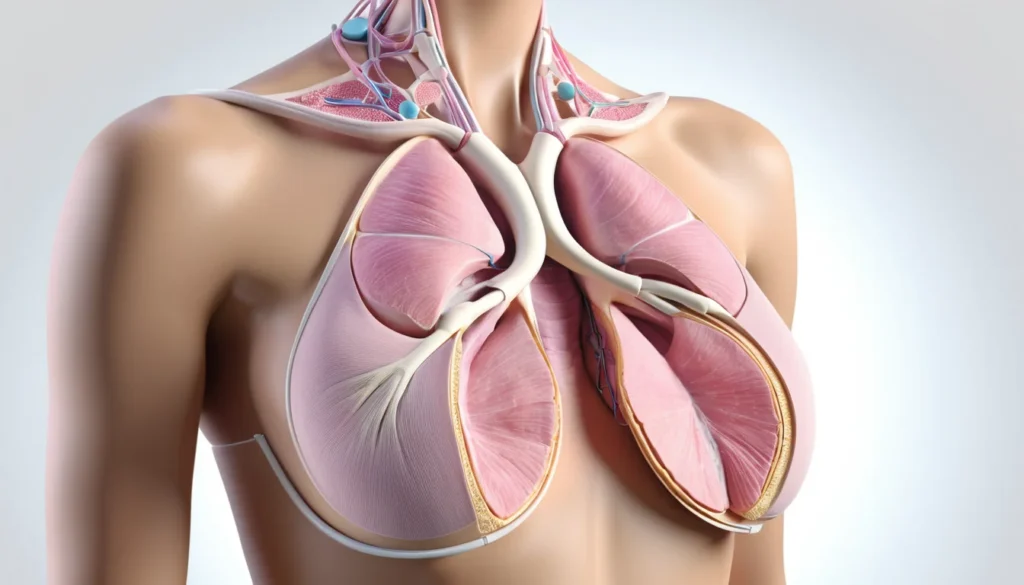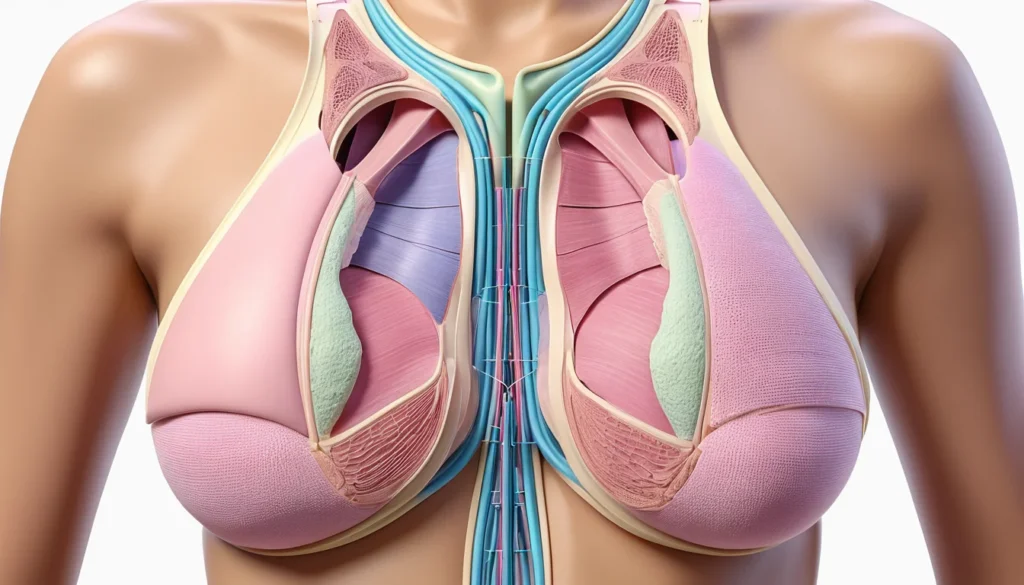
A mastectomy is a surgery to remove all or part of the breast. Doctors use it to treat or prevent breast cancer. It is one of the most common breast cancer surgeries in Canada. Understanding your options can help you feel more confident when talking with your healthcare team.
What Is a Mastectomy?
A mastectomy removes breast tissue to treat or prevent breast cancer. It is often recommended when cancer has spread through a large area of the breast. However, it is not the only option available to women with breast cancer.
Lumpectomy is another common choice. It removes only the tumour and a small amount of surrounding healthy tissue. Both mastectomy and lumpectomy can be equally effective for early-stage breast cancer, depending on the individual case.
Newer surgical techniques have improved outcomes significantly. Surgeons can now preserve more skin during a mastectomy. This makes breast reconstruction more natural-looking and helps many women feel better about their bodies after surgery.
Types of Mastectomy
There are several types of mastectomy. Your surgeon will recommend the most appropriate one based on your diagnosis, cancer stage, and personal health goals. In addition, your own preferences and values play an important role in this decision.
Partial Mastectomy
A partial mastectomy removes only the part of the breast that contains the tumour. Doctors often recommend it for women with Stage I or Stage II breast cancer. It is considered a breast-conserving therapy.
After a partial mastectomy, radiation therapy is almost always required. Radiation destroys any remaining cancer cells and helps prevent the cancer from coming back. This combination approach is very effective for many women.
There are a few forms of partial mastectomy. A lumpectomy removes the tumour along with a small margin of healthy tissue around it. A quadrantectomy removes the tumour plus a larger portion of breast tissue — roughly one quarter of the breast.
In some cases, the surgeon may need to perform a second surgery. This happens when cancer cells are still found near the edges of the removed tissue. If cancer cells are widespread, removing the entire breast may become necessary.
Total (Simple) Mastectomy
A total mastectomy removes the entire breast, including the nipple. However, it does not remove the underlying chest muscles or the lymph nodes under the arm. This is one of the most commonly performed types of mastectomy in Canada.
Surgeons often recommend a total mastectomy when cancer is present in more than one area of the breast. It may also be recommended if a patient has a strong genetic risk. Furthermore, it is sometimes chosen by women who prefer a more definitive surgical option.
Modified Radical Mastectomy
A modified radical mastectomy removes the entire breast along with the lymph nodes located under the arm. The chest muscles are left intact. This approach is less traumatic than older surgical methods and is widely used today.
Removing the lymph nodes helps doctors check whether cancer has spread beyond the breast. This information guides decisions about further treatment. As a result, it plays an important role in planning your overall cancer care.
Radical Mastectomy
A radical mastectomy is the most extensive form of this surgery. It removes the entire breast, the nipple, the chest muscles underneath, and the lymph nodes. Today, this procedure is rarely performed in Canada.
Research has shown that a radical mastectomy is not more effective than a modified radical mastectomy. Therefore, surgeons now choose less invasive approaches whenever possible. Less tissue removal also means a faster recovery and better quality of life.
Preventive Mastectomy: Reducing Your Risk
Some women choose a mastectomy before cancer develops. This is called a preventive or prophylactic mastectomy. It is an option for women who carry a high genetic or family risk of breast cancer, such as those with a BRCA1 or BRCA2 gene mutation.
Studies show that preventive mastectomy can reduce the risk of breast cancer by up to 90 percent in high-risk women. This is a significant reduction. However, the decision to have preventive surgery is deeply personal and requires careful thought.
There are two main types of preventive mastectomy. A total preventive mastectomy removes the entire breast and nipple. A subcutaneous mastectomy removes the breast tissue but leaves the nipple intact.
Sometimes, a woman who has had cancer in one breast chooses to have the healthy breast removed as well. This is called a contralateral prophylactic mastectomy. It aims to lower the risk of cancer developing in the second breast.
Breast reconstruction can be done at the same time as the preventive mastectomy or scheduled for a later date. Your surgeon will help you decide what works best for your situation. For more information on genetic testing and risk assessment, visit Health Canada’s official health resources.
Breast Reconstruction After Mastectomy
Many women choose breast reconstruction after a mastectomy. Reconstruction can restore the shape and appearance of the breast. It can have a meaningful positive effect on a woman’s self-image and emotional well-being.
Reconstruction can happen immediately during the mastectomy surgery. It can also be planned as a separate procedure at a later date. Both approaches have advantages, and your surgical team will help you explore what is right for you.
Surgeons use two main methods for reconstruction. The first involves synthetic implants, which are placed under the skin or chest muscle. The second uses a tissue flap, which takes tissue from another part of your body — such as the back, abdomen, or thigh — to rebuild the breast.
Reconstruction is typically covered under provincial health plans in Canada, though coverage details vary by province. Ask your family doctor or specialist about what is available in your province. You can also learn more about your surgical options through the Mayo Clinic’s mastectomy overview.
What to Expect Before and After Surgery
Before your mastectomy, your healthcare team will run tests to assess your overall health. These may include blood tests, imaging scans, and a review of your medications. You will also have a detailed conversation about the risks and benefits of surgery.
After surgery, most women stay in hospital for one to two days. You will have a small drain near the incision site to remove fluid. Your care team will show you how to manage the drain at home.
Recovery time varies from person to person. Most women can return to light daily activities within two to four weeks. However, full recovery — especially after reconstruction — may take several months.
Common side effects after a mastectomy include swelling, soreness, and tightness in the chest area. Some women also experience lymphedema, which is swelling in the arm caused by removal of lymph nodes. Your healthcare team can refer you to a physiotherapist or lymphedema specialist if needed.
Emotional recovery is just as important as physical recovery. Many women find it helpful to connect with a support group or speak with a social worker. Cancer Care Ontario and similar provincial programmes offer these services across Canada.
When to See a Doctor
If you have been diagnosed with breast cancer or have a strong family history of the disease, speak with your family doctor as soon as possible. Your doctor can refer you to a breast surgeon or oncologist for a full assessment. Early conversations lead to better outcomes.
You should also see a doctor promptly if you notice a new lump in your breast, changes to the skin of your breast, nipple discharge, or unexplained pain. Do not wait to see if symptoms go away on their own. A walk-in clinic can help if you cannot reach your family doctor right away.
If you have already had a mastectomy and are experiencing unusual symptoms — such as redness, fever, or sudden swelling at the surgical site — seek medical attention right away. These could be signs of infection or another complication. For general guidance on breast health, the World Health Organization’s breast cancer fact sheet is a reliable resource.
Frequently Asked Questions About Mastectomy
Is a mastectomy the only treatment for breast cancer?
No, a mastectomy is not the only option. For early-stage breast cancer, a lumpectomy combined with radiation therapy can be just as effective. Your doctor will recommend the best treatment based on the type, size, and location of the cancer.
How long does it take to recover from a mastectomy?
Most women return to light daily activities within two to four weeks after a mastectomy. Full recovery, especially if breast reconstruction is involved, can take several months. Your healthcare team will provide a personalised recovery plan.
Is breast reconstruction covered by provincial health plans in Canada?
In most Canadian provinces, breast reconstruction after a mastectomy is covered under the provincial health plan. However, coverage details can vary depending on where you live. Speak with your family doctor or surgeon to understand what is available in your province.
Who should consider a preventive mastectomy?
Women with a high genetic risk — such as those who carry a BRCA1 or BRCA2 mutation — may be candidates for a preventive mastectomy. Research shows it can reduce breast cancer risk by up to 90 percent in high-risk individuals. This is a major personal decision and should be made with guidance from a genetic counsellor and specialist.
Will I lose all feeling in my chest after a mastectomy?
Some loss of sensation in the chest area is common after a mastectomy. However, many women regain some feeling over time as nerves heal. Newer nerve-sparing surgical techniques are also improving sensory outcomes for some patients.
Can a mastectomy be done on both breasts at the same time?
Yes, a bilateral mastectomy — removing both breasts — can be performed in a single surgery. Some women choose this option when cancer is present in both breasts, or when they have a very high genetic risk. Your surgeon will discuss whether this approach is appropriate for your specific situation.
Key Takeaways
A mastectomy is a surgery that removes all or part of the breast to treat or prevent breast cancer.
There are several types, including partial mastectomy, total mastectomy, modified radical mastectomy, and radical mastectomy.
For early-stage breast cancer, mastectomy and lumpectomy with radiation are often equally effective.
Preventive mastectomy can reduce breast cancer risk by up to 90 percent in high-risk women.
Breast reconstruction is available immediately or as a later procedure, and is often covered by provincial health plans in Canada.
Recovery takes two to four weeks for basic activities, and longer when reconstruction is involved.
Always speak with your family doctor or a specialist before making any decisions about breast cancer treatment.
Please note: This article is for general information only. It is not a substitute for professional medical advice. Always consult your family doctor, a walk-in clinic, or a specialist before making any decisions about your health or treatment.