Mastectomy recovery looks different for every person. The type of surgery you had, your overall health, and whether you had breast reconstruction all affect how long healing takes. This article covers what to expect after a mastectomy, what you should and should not do during recovery, and when breast reconstruction may be an option. Always talk to your surgeon or family doctor before making any changes to your care plan.
What Is a Mastectomy?
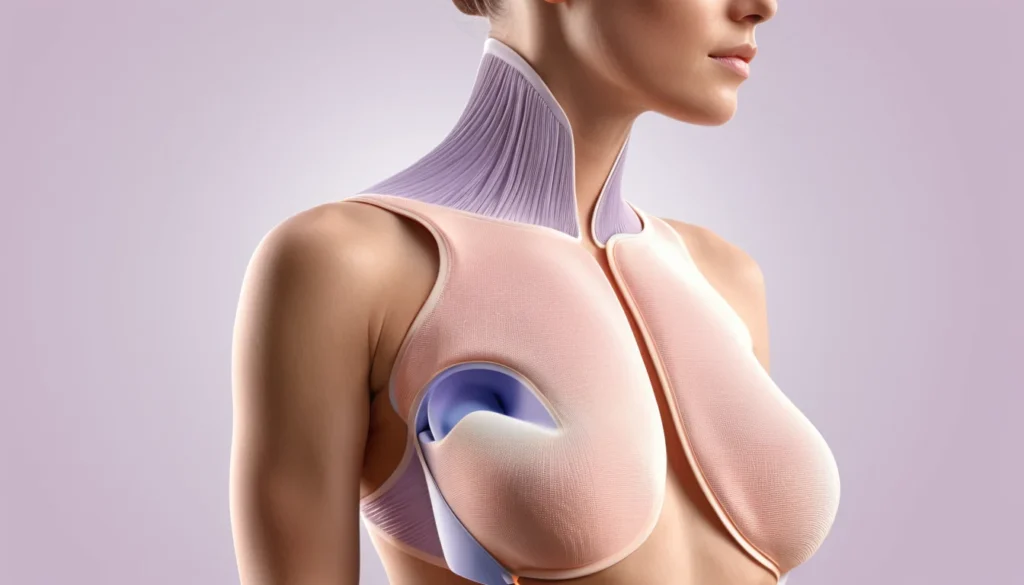
A mastectomy is a surgery to remove one or both breasts. Doctors most often recommend it to treat or prevent breast cancer. There are several types, but they generally fall into two groups: total (removing the entire breast) and partial (removing only part of the breast tissue).
One of the most common types is the modified radical mastectomy. It removes the entire breast gland but leaves the chest muscle in place. Most patients stay in hospital overnight and are monitored closely for one to two weeks afterward.
If you have breast reconstruction at the same time as your mastectomy, your recovery period will be longer. Your surgical team will walk you through what to expect based on your specific procedure. For a general overview of breast cancer treatment in Canada, visit Health Canada’s breast health resources.
Mastectomy Recovery: What to Expect in the First Weeks
The first two weeks after surgery are the most important for healing. Your body is working hard, and small decisions each day can make a big difference in how well you recover.
When you leave hospital, you will likely still have drainage tubes in place near the surgical site. These tubes collect fluid and are usually removed after one to two weeks. Your surgeon will show you how to care for them at home.
Clothing After Mastectomy
Choosing the right clothing matters more than you might think. Your arm movement will be limited, so loose, comfortable clothing is essential. Button-up shirts or zip-front tops are ideal because you do not need to lift your arms to put them on.
Look for soft, breathable fabrics that will not irritate the surgical area. Avoid anything tight across the chest or underarm. Many pharmacies and medical supply stores across Canada carry post-surgical camisoles and bras designed for mastectomy patients.
Nutrition and Hydration
Good nutrition supports healing. Stay well hydrated and aim for a balanced diet rich in protein, vitamins, and minerals. Protein helps your body repair tissue, while vitamins C and D support immune function and wound healing.
However, do not start any new supplements without checking with your doctor or pharmacist first. Some supplements can interact with medications you may be taking after surgery.
Driving Restrictions
Most surgeons advise patients not to drive for several weeks after a mastectomy. The seatbelt can press directly on the surgical area and cause pain or damage the healing tissue. In an emergency, you can place a small, soft pillow between the seatbelt and your chest for protection.
Ask a family member, friend, or neighbour for help with transportation. Many communities across Canada also offer volunteer driver programmes through cancer support organizations.
Managing Pain and Medications After Mastectomy
Pain after a mastectomy is normal, and every person experiences it differently. Your doctor will likely recommend an anti-inflammatory pain reliever to start. In more severe cases, stronger prescription medications may be needed for a short period.
Applying ice wrapped in a cloth to the surgical area can also help reduce swelling and discomfort, especially around the underarm region. Never apply ice directly to the skin.
Always let your doctor know about any allergies before taking new medications. If your pain is not well controlled after a few days, contact your surgeon or visit a walk-in clinic for guidance. You can also learn more about pain management after mastectomy at Mayo Clinic.
Physical Therapy and Exercise During Mastectomy Recovery
Mastectomy recovery benefits greatly from guided physical therapy. A registered physiotherapist can help reduce stiffness, restore arm movement, and prevent scar tissue from becoming tight and painful. In many provinces, physiotherapy is partially covered under provincial health plans or workplace benefits. Ask your family doctor for a referral.
Gentle Exercises to Try at Home
Once your surgeon gives you the go-ahead, you can begin light exercises at home. These help restore flexibility and strength without putting stress on the healing area. Good starting exercises include:
Gentle arm circles
Opening and closing your fist slowly
Raising and lowering your arms while seated
Shoulder rolls
Always avoid lifting heavy objects during early recovery. Your surgeon will tell you when it is safe to increase activity. Do not rush this process, as pushing too hard too soon can cause complications.
Caring for Your Scar
Scar tissue continues to mature for up to six months after surgery. During this time, protect the scar from direct sun exposure. Use a broad-spectrum sunscreen with SPF 50 or higher whenever the area may be exposed to sunlight.
Silicone-based scar gels are also widely recommended by plastic surgeons to help soften and flatten scar tissue over time. Ask your surgeon or pharmacist which product is right for you. Furthermore, your physiotherapist may use manual therapy techniques to keep the scar tissue flexible and comfortable.
Emotional Health After Mastectomy
Emotional recovery is just as important as physical healing. A mastectomy is a major life event that can affect how you feel about your body, your identity, and your future. These feelings are completely normal and very common.
Lean on the people around you. Family and friends can provide practical support, but they may not always understand what you are going through. As a result, many patients find it helpful to speak with a psychotherapist or counsellor who specializes in cancer recovery.
In addition, many Canadian hospitals and cancer centres offer free mental health support programmes for people recovering from breast cancer surgery. Ask your care team what is available in your area. You do not have to navigate this alone.
Recognizing Signs of Infection After Mastectomy
Infections after surgery are uncommon but serious. Knowing the warning signs helps you get treatment quickly. Contact your doctor or go to a walk-in clinic right away if you notice any of the following:
Fever that does not come down with Tylenol or Advil
Increasing redness around the surgical site
Swelling that is getting worse instead of better
Pain that is not relieved by your prescribed pain medication
Fluid leaking from the wound that looks cloudy or has an unusual smell
These symptoms can signal an infection that needs prompt medical attention. Do not wait to see if it improves on its own. Early treatment leads to better outcomes.
Showering and Hygiene
You will need to wait until your drainage tubes and sutures are removed before you can shower normally. Your surgical team will give you specific instructions about keeping the area clean in the meantime. Follow these instructions carefully to reduce the risk of infection.
Breast Reconstruction After Mastectomy
Many people choose breast reconstruction after a mastectomy. This surgery rebuilds the shape of the breast and can have a meaningful effect on self-confidence and quality of life. Research shows that patients who choose reconstruction often report improved body image and emotional well-being.
Reconstruction can happen in two ways. Immediate reconstruction takes place during the same surgery as the mastectomy. Delayed reconstruction happens weeks, months, or even years later. Both options are valid, and the right choice depends on your health, your treatment plan, and your personal preferences.
For patients who require chemotherapy or radiation therapy after surgery, reconstruction is usually delayed by six to nine months. This allows the body to fully recover from cancer treatment before undergoing additional surgery. Talk to your surgical oncologist and plastic surgeon together to understand your options. Learn more about breast reconstruction options after mastectomy from Healthline.
Types of Breast Reconstruction
There are two main approaches to breast reconstruction. The first uses breast implants made of silicone or saline. The second uses your own body tissue, taken from areas like the abdomen or back, to recreate the breast. Each approach has advantages and trade-offs.
Your plastic surgeon will review which option suits your body type, health history, and goals. In Canada, breast reconstruction after mastectomy for cancer is generally covered by provincial health insurance plans. Confirm the details with your provincial health authority.
When to See a Doctor
You should always follow up with your surgeon as scheduled during mastectomy recovery. However, do not wait for your next appointment if something feels wrong. Contact your family doctor or visit a walk-in clinic if you experience signs of infection, worsening pain, or emotional distress that feels unmanageable.
If you are unsure whether a symptom is serious, call 811 to speak with a registered nurse through Health Canada’s free provincial telehealth lines available in most provinces. They can help you decide whether you need to be seen right away or whether it is safe to wait.
Your care team — including your surgeon, oncologist, family doctor, physiotherapist, and mental health professional — is there to support you every step of the way. Do not hesitate to reach out.
Frequently Asked Questions About Mastectomy Recovery
How long does mastectomy recovery take?
Mastectomy recovery typically takes four to six weeks for the initial healing. However, full recovery — including emotional healing and scar maturation — can take up to six months or longer. If you had breast reconstruction at the same time, your recovery period will likely be longer.
Can I sleep on my side after a mastectomy?
Most surgeons recommend sleeping on your back for the first few weeks after a mastectomy to avoid putting pressure on the surgical site. As mastectomy recovery progresses and pain decreases, your surgeon will advise when it is safe to return to your preferred sleep position. Using pillows to prop yourself up can also help with comfort in the early weeks.
Is breast reconstruction covered by provincial health insurance in Canada?
In most Canadian provinces, breast reconstruction after a mastectomy performed for cancer treatment is covered under provincial health plans. However, coverage details vary by province, so it is important to check with your provincial health authority or your surgeon’s billing office. Your care team can help you understand what is included in your coverage.
What should I wear during mastectomy recovery?
During mastectomy recovery, loose-fitting clothing that opens at the front is best. Button-up shirts, zip-front tops, and soft post-surgical camisoles are all good choices. Avoid tight clothing across the chest and underarm area, and choose soft, breathable fabrics to prevent skin irritation.
When can I exercise after a mastectomy?
Light, gentle exercises such as arm circles and shoulder rolls can often begin a few weeks into mastectomy recovery, once your surgeon gives approval. Heavy lifting and strenuous activity should be avoided for at least six weeks. A referral to a physiotherapist from your family doctor can help you build a safe exercise plan tailored to your healing progress.
What are the signs of infection after a mastectomy?
Signs of infection after a mastectomy include fever that does not respond to medication, increasing redness or warmth around the wound, worsening swelling, and discharge that looks cloudy or has an unusual smell. If you notice any of these symptoms during mastectomy recovery, contact your family doctor or visit a walk-in clinic right away.
Key Takeaways
Recovery time varies. Mastectomy recovery takes four to six weeks for basic healing and up to six months for full recovery, including scar maturation.
Wear the right clothing. Loose, front-opening tops with soft fabric make dressing easier and more comfortable after surgery.
Physiotherapy helps. A registered physiotherapist can restore arm movement, reduce scar tightness, and support overall recovery. Ask your family doctor for a referral.
Watch for infection. Fever, increasing redness, swelling, and uncontrolled pain are warning signs that need prompt medical attention.
Emotional support matters. Counselling and peer support programmes are available at many Canadian cancer centres and are an important part of recovery.
Reconstruction is an option. Breast reconstruction can be done immediately or delayed, and is generally covered by provincial health plans for cancer patients.
Always check with your doctor. Every recovery is different. Your surgeon, family doctor, or walk-in clinic team can give you guidance based on your specific situation.