Marfan syndrome is a genetic disorder that affects connective tissue — the elastic tissue that holds your body’s organs and structures together. It can cause serious problems with the heart, eyes, and skeleton. Without early diagnosis and proper care, Marfan syndrome can be life-threatening. This article explains what Marfan syndrome is, what signs to watch for, and how it is managed within the Canadian healthcare system.
What Is Marfan Syndrome?
Marfan syndrome affects the body’s connective tissue. Connective tissue acts like a support network, linking organs and holding everything in place. When this tissue doesn’t form properly, many parts of the body can be affected at once.
The condition most commonly causes the aorta — the large artery that carries blood from your heart to the rest of your body — to widen at its base. It also affects the heart’s valves, the eyes, and the bones. In severe cases, it can cause sudden death if not caught in time.
According to Mayo Clinic’s overview of Marfan syndrome, approximately 1 in 5,000 people live with this condition worldwide. In Canada, that means tens of thousands of Canadians may be affected.
What Causes Marfan Syndrome?
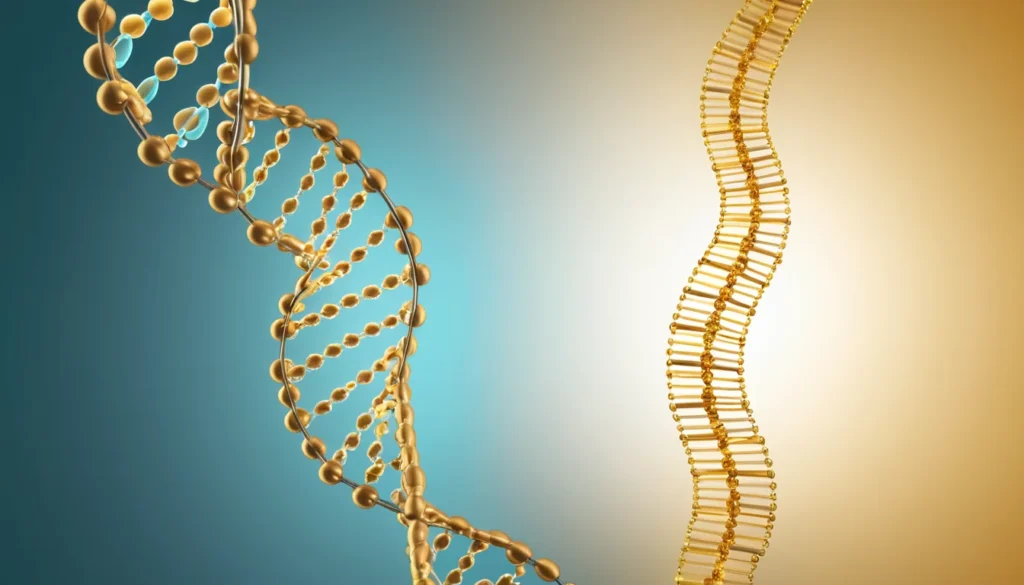
Marfan syndrome is caused by a change — called a mutation — in a specific gene. This gene controls the production of a protein called fibrillin-1. Fibrillin-1 plays a key role in building the elastic fibres of connective tissue.
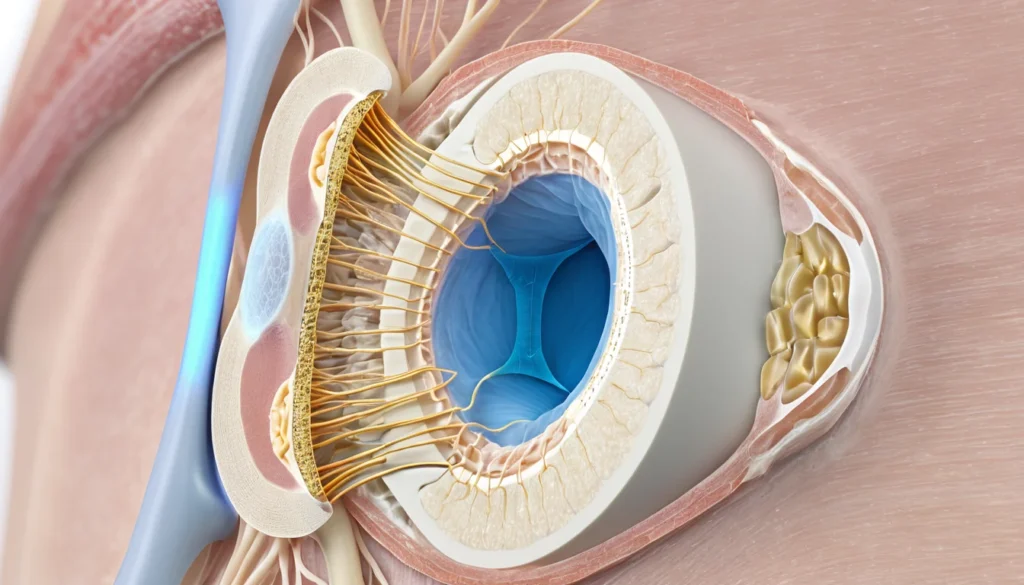
When fibrillin-1 doesn’t work properly, the connective tissue becomes weak and stretchy in the wrong ways. This explains why the aorta can balloon outward and why the lens of the eye can shift out of place.
Is Marfan Syndrome Inherited?
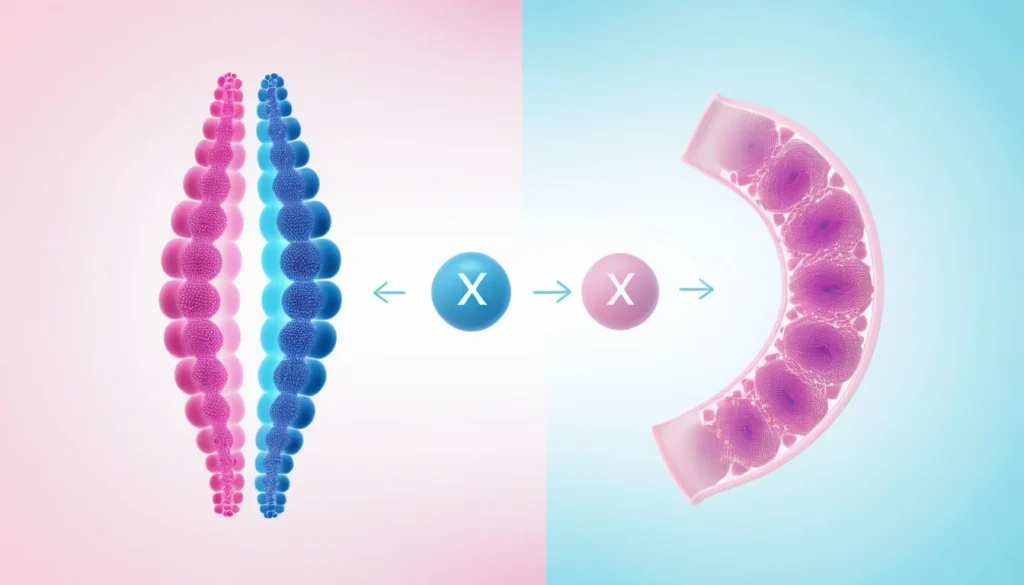
In most cases, Marfan syndrome is passed down from a parent to a child. Either parent can carry and pass on the affected gene. However, about 25% of cases involve a brand-new gene mutation with no family history of the condition.
When a new mutation occurs — rather than being inherited — the symptoms can sometimes be more severe. Even when the gene is inherited, the degree of severity varies widely from person to person. One family member may have mild symptoms while another has serious heart complications.
Signs and Symptoms of Marfan Syndrome
Marfan syndrome can look different from person to person. Some people have obvious physical features from an early age. Others may not notice symptoms until adulthood. This is one reason the condition is sometimes missed or diagnosed late.
The most common signs involve the body’s shape and size. People with Marfan syndrome are often very tall and slender. Their arms, legs, and fingers tend to be long in proportion to the rest of their body.
Physical Features
Tall, thin build with long limbs and fingers
A breastbone that either sticks out or caves inward
Flat feet or other foot deformities
Very flexible joints that may dislocate easily
A curved spine, such as scoliosis (side-to-side curve) or kyphosis (forward hunch)
Crowded teeth due to a high, arched palate
Heart and Blood Vessel Symptoms
Chest pain or discomfort
Shortness of breath during mild activity
A rapid or irregular heartbeat
Heart murmurs caused by leaky heart valves
Eye Symptoms
Severe nearsightedness (myopia)
A dislocated lens in one or both eyes
Increased risk of retinal detachment
Early-onset glaucoma or cataracts
Children’s symptoms often become more noticeable as they grow. If your child is unusually tall, has poor coordination, or complains of blurry vision, it is worth bringing up with your family doctor.
How Is Marfan Syndrome Diagnosed?
There is no single blood test that diagnoses Marfan syndrome. Instead, doctors use a combination of physical examinations, imaging tests, and sometimes genetic testing. In Canada, a referral from your family doctor or a walk-in clinic can connect you with specialists such as a cardiologist, ophthalmologist, or medical geneticist.
Doctors use a set of clinical criteria called the Ghent nosology to make a formal diagnosis. This system scores findings from the heart, eyes, skeleton, and family history. Genetic testing can confirm a fibrillin-1 gene mutation, but a negative test does not always rule out the condition.
For more information on genetic testing and rare conditions in Canada, Health Canada provides resources on inherited conditions and patient supports.
Tests Commonly Used
Echocardiogram: An ultrasound of the heart to check the aorta’s size and valve function
Eye examination: To check for lens dislocation and nearsightedness
Imaging of the spine: X-rays or MRI to assess scoliosis or kyphosis
Genetic testing: To look for mutations in the FBN1 gene
Treatment Options for Marfan Syndrome
There is currently no cure for Marfan syndrome. However, treatment can manage symptoms effectively and greatly improve quality of life. The most important goal is protecting the heart and aorta from serious damage.
Treatment plans are usually managed by a team of specialists. In Canada, your provincial health plan covers most essential tests and specialist visits when referred by a primary care provider.
Medications
Doctors often prescribe blood pressure-lowering medications to reduce stress on the aorta. Beta-blockers are commonly used for this purpose. Some patients may also be prescribed a medication called losartan, which has shown promise in slowing aortic growth.
These medications do not cure Marfan syndrome. However, they significantly reduce the risk of the aorta tearing or rupturing — a life-threatening emergency.
Activity and Lifestyle Adjustments
People with Marfan syndrome are generally advised to avoid intense physical activity. Heavy weightlifting and contact sports that strain the heart are not recommended. Lower-impact activities like walking, swimming, and cycling are usually safer choices.
Your healthcare team can help you build a safe, personalised activity plan. Following these recommendations can protect your heart and help you live an active life.
Physiotherapy and Orthopaedic Care
If scoliosis or kyphosis is present, physiotherapy can help strengthen the muscles around the spine. In some cases, a back brace may be recommended for growing children. Foot deformities may also benefit from custom orthotics, which are covered under some provincial extended health plans.
Surgical Treatment
Surgery may be needed in more serious cases. For the spine, surgeons can correct severe curves using a metal rod and bone grafts to stabilise the vertebrae. This approach aims to correct the curve while preserving as much movement as possible.
For the heart, a cardiac surgeon may replace the base of the aorta and its associated valve with a graft. This procedure becomes necessary when the aorta reaches a dangerous size. Without surgery, the aorta can rupture — a medical emergency with very high mortality. Fortunately, outcomes from this surgery have improved significantly in recent decades.
As a result of better monitoring and surgical techniques, the life expectancy of people with Marfan syndrome has improved considerably. Many people with Marfan syndrome today live into their 70s or beyond with proper care.
For a broader look at connective tissue conditions and treatment approaches, the Healthline guide to Marfan syndrome offers additional patient-friendly information.
When to See a Doctor
If you or your child has any of the features described in this article — unusual height, very flexible joints, vision problems, or chest discomfort — speak with your family doctor as soon as possible. Early diagnosis makes a real difference in managing Marfan syndrome safely.
You do not need to wait for a specialist. Start with your family doctor or a walk-in clinic. They can assess your symptoms, order initial tests, and refer you to the right specialists through your provincial health system.
If you experience sudden, severe chest or back pain, call 911 immediately. This could be a sign of aortic dissection — a life-threatening tear in the aorta that requires emergency surgery.
Always consult a qualified healthcare provider for a proper diagnosis and personalised treatment plan. The information in this article is for general health education only and is not a substitute for professional medical advice.
Frequently Asked Questions About Marfan Syndrome
Is Marfan syndrome life-threatening?
Marfan syndrome can be life-threatening, especially when it affects the aorta. If the aorta dilates and ruptures, it can cause sudden death. However, with early diagnosis and proper treatment, most people with Marfan syndrome live long, full lives.
Can Marfan syndrome be cured?
There is currently no cure for Marfan syndrome. Treatment focuses on managing symptoms and preventing serious complications, particularly in the heart and aorta. Ongoing research continues to improve treatment options for people living with this condition.
How is Marfan syndrome inherited?
Marfan syndrome is caused by a mutation in the FBN1 gene and follows an autosomal dominant inheritance pattern. This means only one copy of the altered gene — from either parent — is enough to cause the condition. About 75% of cases are inherited from a parent, while 25% result from a new mutation.
What sports are safe for people with Marfan syndrome?
Low-impact activities such as walking, swimming, and recreational cycling are generally considered safe for people with Marfan syndrome. High-intensity sports, contact sports, and heavy weightlifting should be avoided, as they put extra strain on the aorta. Always speak with your doctor before starting any exercise programme.
At what age is Marfan syndrome usually diagnosed?
Marfan syndrome can be diagnosed at any age, from infancy to adulthood. Symptoms often become more noticeable as children grow. In Canada, individuals with a family history of Marfan syndrome may be screened earlier through referral to a medical geneticist or cardiologist.
Does provincial health coverage in Canada cover Marfan syndrome treatment?
In Canada, most medically necessary tests, specialist visits, and surgeries related to Marfan syndrome are covered under provincial and territorial health plans. Some additional costs, such as custom orthotics or extended physiotherapy, may require supplemental insurance. Check with your provincial health authority for specific coverage details.
Key Takeaways
Marfan syndrome is a genetic disorder affecting connective tissue throughout the body.
It is caused by a mutation in the FBN1 gene, which disrupts the production of fibrillin-1.
Common features include tall stature, long limbs, very flexible joints, scoliosis, and heart or eye problems.
The most serious risk is aortic dilation or rupture, which requires careful monitoring and sometimes surgery.
There is no cure, but medications, lifestyle changes, physiotherapy, and surgery can effectively manage the condition.
Life expectancy has improved greatly with modern treatment and regular cardiac monitoring.
If you suspect you or a family member may have Marfan syndrome, speak with your family doctor or visit a walk-in clinic to get a referral to the right specialists.