MAO inhibitors are a class of medication used to treat certain types of depression and Parkinson’s disease. They work differently from most modern antidepressants, which makes them a powerful — but carefully managed — treatment option. If your doctor has mentioned MAO inhibitors, or if you simply want to understand how they work, this guide explains everything in plain language. As always, speak with your family doctor or a licensed healthcare provider before starting, stopping, or changing any medication.
What Are MAO Inhibitors?
MAO inhibitors — also called monoamine oxidase inhibitors, or MAOIs — are drugs that block a naturally occurring enzyme in the body called monoamine oxidase. This enzyme breaks down certain brain chemicals. When the enzyme is blocked, those chemicals build up and become more active.
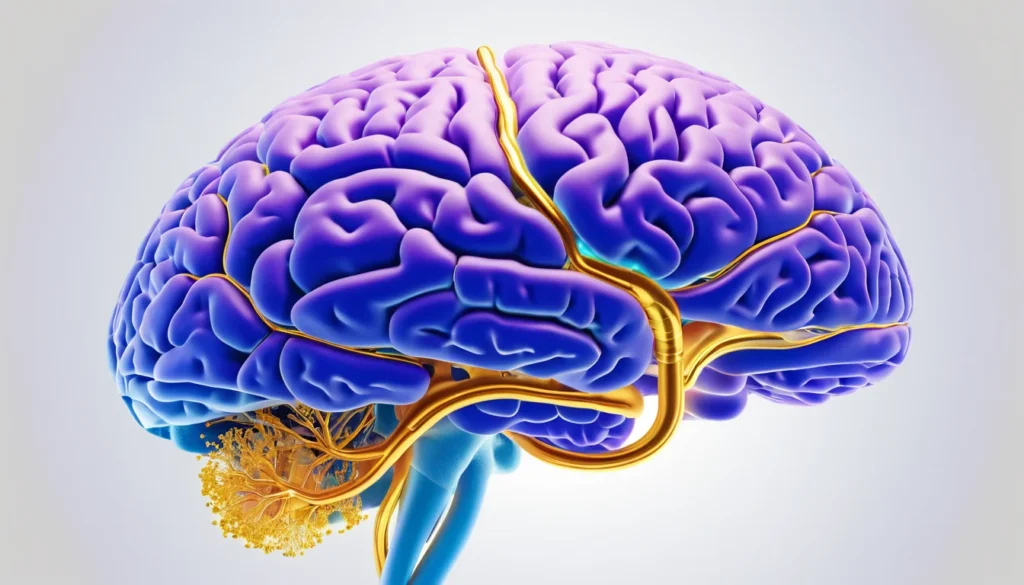
These brain chemicals include adrenaline, noradrenaline, serotonin, and phenylethylamine. Together, they play a major role in mood, energy, and movement. By keeping more of these chemicals available, MAO inhibitors can help relieve symptoms of depression and movement disorders like Parkinson’s disease.
MAO inhibitors were among the first antidepressants ever developed. Today, they are used less commonly than newer medications, but they remain an important treatment for specific conditions. For more background, Mayo Clinic provides a detailed overview of MAOI antidepressants.
How MAO Inhibitors Work in the Body
To understand MAO inhibitors, it helps to know what monoamine oxidase does normally. This enzyme acts like a cleanup crew. It breaks down neurotransmitters — the chemical messengers in your brain — after they have done their job.
In people with depression or Parkinson’s disease, there may not be enough of these neurotransmitters available. MAO inhibitors slow the cleanup process. As a result, more of these chemicals stay active in the brain for longer periods of time.
Two Main Types: MAOI-A and MAOI-B
There are two main subtypes of MAO inhibitors, and each targets a slightly different enzyme.
MAOI-A (non-selective MAOIs): These are mainly used to treat depression that has not responded to other antidepressants, including tricyclic antidepressants.
MAOI-B (selective MAOIs): These are used to treat Parkinson’s disease and related movement disorders called Parkinsonian syndromes.
Your doctor will choose the right type based on your diagnosis and medical history. Never switch between types or adjust your dose on your own.
Medical Uses of MAO Inhibitors
MAO inhibitors are prescribed for specific conditions where other treatments have not worked well enough. They are not usually the first medication a doctor will try.
Treatment-Resistant Depression
Some people with depression do not improve with standard antidepressants, such as SSRIs or tricyclic antidepressants. In these cases, a psychiatrist or specialist may recommend an MAOI. Research has shown MAOIs can be highly effective for certain types of depression, including atypical depression.
However, MAOIs require careful management. They interact with many other medications and certain foods, which we will cover in detail below. Healthline explains how MAOIs compare to other antidepressants if you want to explore further.
Parkinson’s Disease and Parkinsonian Syndromes
MAOI-B medications help preserve dopamine in the brain. Dopamine is the chemical most affected by Parkinson’s disease. By slowing its breakdown, MAOI-B drugs can help improve movement and reduce tremors.
These medications are sometimes used alongside other Parkinson’s treatments. Your neurologist or family doctor will coordinate your full treatment plan.
Who Should Not Take MAO Inhibitors
Not everyone is a suitable candidate for MAO inhibitors. There are several important contraindications — that is, medical reasons why a drug should not be used. Your doctor will carefully review your health history before prescribing these medications.
Key Contraindications
Delirium or acute confusion: MAOIs can worsen these conditions significantly.
Manic episodes: People currently experiencing mania should not take MAOIs, as they may trigger more severe mood swings.
History of stroke or cerebrovascular disease: This is especially important for older adults, as MAOIs can affect blood pressure in dangerous ways.
Severe liver disease: The liver processes most medications. Serious liver damage makes MAOIs unsafe.
General anaesthesia: MAOIs interact dangerously with many anaesthetic agents. Always tell your surgical team and anaesthesiologist if you are taking an MAOI.
If you are unsure whether you have any of these conditions, speak with your family doctor or visit a walk-in clinic for an assessment before discussing MAOI therapy with a specialist.
Side Effects of MAO Inhibitors
Like all medications, MAO inhibitors can cause side effects. Some are mild and manageable. Others can be serious and require immediate medical attention.
Common Side Effects
Orthostatic hypotension: This means your blood pressure drops when you stand up quickly. You may feel dizzy or lightheaded. Stand up slowly to reduce this risk.
Insomnia: Many people taking MAOIs report difficulty sleeping. Taking the medication earlier in the day may help.
Increased reflexes (hyperreflexia): Your reflexes may become overactive, which can feel unusual or uncomfortable.
Serious Side Effects
Hypertensive crisis: A sudden, severe spike in blood pressure. This is a medical emergency. Symptoms include a severe headache, chest pain, nausea, and blurred vision. Call 911 immediately if this happens.
Peripheral neuropathy (polyneuritis): This involves nerve damage that causes tingling, numbness, or weakness, usually in the hands or feet.
Seizures: In rare cases, MAOIs can trigger convulsions.
Fulminant hepatitis: A rare but life-threatening form of sudden liver inflammation. Symptoms include yellowing of the skin or eyes (jaundice), extreme fatigue, and abdominal pain.
If you experience any serious side effect, seek emergency care right away. In Canada, you can call 911, go to your nearest emergency room, or call your provincial health line such as Health811 in Ontario, 8-1-1 in British Columbia, or the equivalent service in your province.
Food and Drug Interactions: A Critical Warning
One of the most important things to understand about MAO inhibitors is that they interact with many common foods and medications. These interactions can be dangerous — and in some cases, life-threatening.
Foods to Avoid
Certain foods contain natural compounds called biogenic amines, particularly tyramine. When MAOIs are present in the body, tyramine cannot be broken down properly. This can cause a dangerous spike in blood pressure.
Foods you must avoid while taking MAOIs include:
Aged and fermented cheeses (such as cheddar, brie, blue cheese, and camembert)
Cured or processed meats (such as salami, pepperoni, and smoked fish)
Chicken liver and other organ meats
Red wine, tap beer, and other fermented alcoholic drinks
Overripe or dried fruits, including raisins and overripe bananas
Fermented soy products such as soy sauce, miso, and tofu
Broad beans (fava beans)
This is not a complete list. Ask your pharmacist or doctor for a full dietary guide when you are prescribed an MAOI. Health Canada’s drug product information is also a useful resource for understanding your medication safety.
Medications to Avoid
In general, no other medication should be combined with an MAOI without explicit guidance from a doctor. Several drug combinations are especially dangerous.
Other antidepressants (SSRIs, SNRIs, tricyclics): Combining these with MAOIs can cause serotonin syndrome — a potentially fatal condition involving confusion, rapid heart rate, high blood pressure, and muscle rigidity.
Cold and flu medications: Many over-the-counter products contain decongestants like pseudoephedrine, which can trigger a hypertensive crisis when combined with MAOIs.
Opioid pain medications: Certain opioids, including meperidine (Demerol), are extremely dangerous when combined with MAOIs.
Stimulants and diet pills: These can dangerously raise blood pressure when taken with MAOIs.
Always tell every healthcare provider — including your dentist, pharmacist, and emergency room staff — that you are taking an MAOI. This is critically important for your safety.
When to See a Doctor
If you are experiencing depression that has not improved with standard treatments, talk to your family doctor. They can refer you to a psychiatrist who may evaluate whether MAO inhibitors are appropriate for your situation.
If you have been diagnosed with Parkinson’s disease or a related movement disorder, your neurologist will guide your treatment. Your family doctor can also coordinate care within your provincial health plan.
For non-emergency questions about your medication, visit a walk-in clinic or speak with a pharmacist. Pharmacists in Canada are trained medication experts and can advise on interactions and side effects at no cost.
Seek emergency care immediately if you experience a sudden severe headache, chest pain, confusion, high fever, or muscle stiffness while taking an MAOI. These symptoms may indicate a medical emergency that requires immediate treatment.
Frequently Asked Questions About MAO Inhibitors
What are MAO inhibitors used for?
MAO inhibitors are primarily used to treat depression that has not responded to other antidepressants, as well as Parkinson’s disease and related movement disorders. They work by blocking an enzyme that breaks down important brain chemicals like serotonin and dopamine. A doctor or specialist will determine whether an MAOI is the right choice based on your specific condition and medical history.
What foods should you avoid when taking MAO inhibitors?
When taking MAO inhibitors, you must avoid foods high in tyramine, a naturally occurring compound that the medication prevents your body from breaking down safely. These foods include aged cheeses, cured meats, chicken liver, red wine, tap beer, and fermented soy products. Eating these foods while on an MAOI can cause a dangerous and sudden increase in blood pressure known as a hypertensive crisis.
Are MAO inhibitors still prescribed in Canada?
Yes, MAO inhibitors are still prescribed in Canada, but they are generally considered a second- or third-line treatment for depression after other medications have been tried. They are also used in the management of Parkinson’s disease. A psychiatrist or specialist typically oversees MAOI therapy due to the careful monitoring required.
What is the most dangerous side effect of MAO inhibitors?
The most dangerous side effect of MAO inhibitors is a hypertensive crisis — a sudden and severe spike in blood pressure that can lead to stroke or heart attack if not treated immediately. This is most often triggered by eating tyramine-rich foods or taking incompatible medications. If you experience a sudden severe headache, chest pain, or blurred vision while on an MAOI, call 911 right away.
Can you drink alcohol while taking MAO inhibitors?
No — drinking alcohol while taking MAO inhibitors is strongly discouraged and can be dangerous. Fermented alcoholic beverages like red wine and tap beer contain tyramine, which can trigger a life-threatening spike in blood pressure. Even alcoholic drinks with lower tyramine levels can worsen side effects like dizziness and low blood pressure, so it is safest to avoid alcohol entirely.
How long does it take for MAO inhibitors to work for depression?
Like most antidepressants, MAO inhibitors typically take two to four weeks before noticeable improvement in mood occurs, and the full benefit may take six to eight weeks. During this time, your doctor will monitor your response and watch for side effects. It is important not to stop taking the medication suddenly without speaking to your healthcare provider first.
Key Takeaways
MAO inhibitors are medications that block the monoamine oxidase enzyme, keeping important brain chemicals like serotonin and dopamine more active. They are used to treat treatment-resistant depression and Parkinson’s disease. MAOIs are not suitable for everyone. People with certain conditions — including severe liver disease, mania, or a history of stroke — should not take them. Side effects range from dizziness and insomnia to serious risks like hypertensive crisis, seizures, and rare liver damage. Dietary restrictions are essential. Tyramine-rich foods like aged cheeses, cured meats, and red wine must be avoided to prevent dangerous blood pressure spikes. MAOIs interact with many common medications, including over-the-counter cold