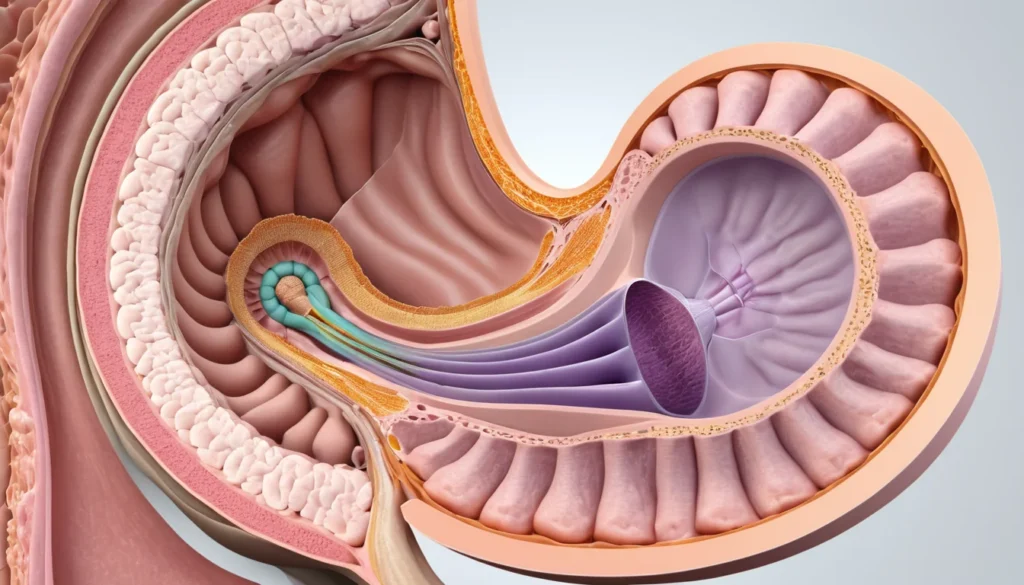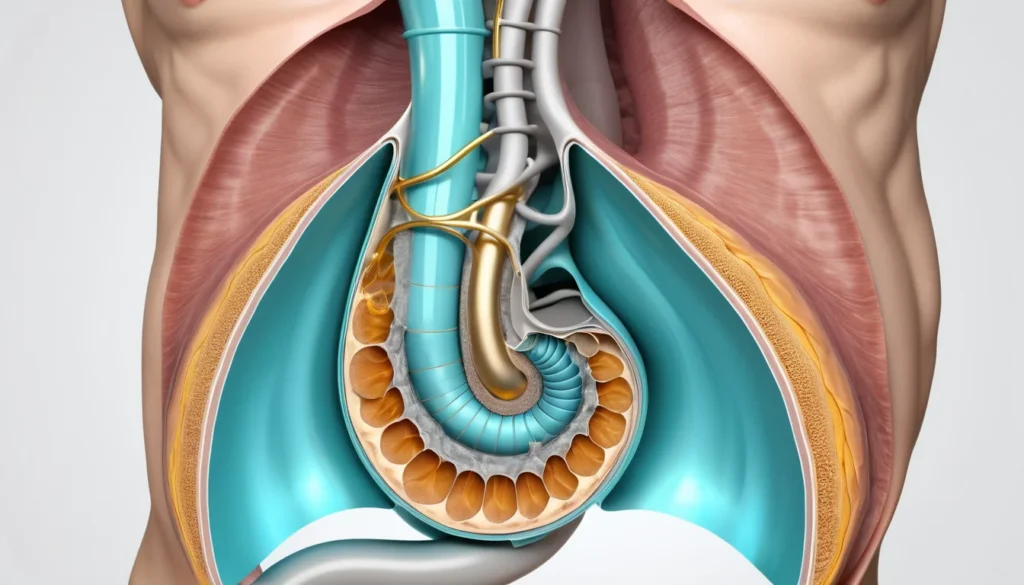
Manometry is a medical test that measures and records pressure inside parts of your digestive tract. Doctors use it most often to check how well your esophagus, stomach, or rectum is working. If you have been referred for this test, understanding what it involves can help ease your worries. This guide explains what manometry is, why it is done, and what you can expect before, during, and after the procedure.
What Is Manometry?
Manometry is a diagnostic test used to measure the pressure inside hollow organs, especially those in the digestive system. The word comes from the Greek word manos, meaning pressure. Doctors rely on this test to find out whether muscles and nerves in your digestive tract are working properly.
During manometry, a thin, flexible tube called a catheter is placed inside the organ being tested. This tube contains tiny sensors that detect pressure. The sensors send information to a computer, which records the results as a graph or chart.
The test is painless for most people. However, you may feel some mild discomfort or an urge to swallow or use the bathroom, depending on which part of the digestive tract is being tested.
Why Do Doctors Order a Manometry Test?
Your family doctor or a specialist called a gastroenterologist may refer you for manometry when you have ongoing digestive symptoms that are hard to explain. This test helps them find the cause so they can choose the right treatment.
Common reasons for ordering a manometry test include:
Difficulty swallowing (called dysphagia)
Frequent heartburn or acid reflux (GERD)
Chest pain that is not related to the heart
Chronic constipation or inability to control bowel movements
Feeling like food is stuck in your chest or throat
Preparation before certain surgeries, such as anti-reflux surgery
In addition, manometry is sometimes used after surgery to check how well the digestive tract has healed. It gives doctors a clear picture of muscle function that other tests simply cannot provide.
Types of Manometry
There are several types of manometry, each focused on a different part of the digestive system. The type your doctor orders depends on your symptoms and medical history.
Esophageal Manometry
Esophageal manometry is the most common type. It measures pressure inside the esophagus, which is the tube that carries food from your mouth to your stomach. This test checks how well the muscles in your esophagus contract and whether the lower esophageal sphincter — the valve between your esophagus and stomach — opens and closes properly.
Doctors often order esophageal manometry to diagnose a condition called achalasia, where the esophagus cannot push food into the stomach. It is also used to evaluate GERD and unexplained chest pain. According to Mayo Clinic’s overview of esophageal manometry, this test is key in diagnosing swallowing disorders.
Anorectal Manometry
Anorectal manometry checks the muscles and nerves in your rectum and anus. This helps doctors understand problems with bowel control or chronic constipation. The test measures how well the sphincter muscles squeeze and relax.
This type of manometry is particularly helpful for people with fecal incontinence — meaning they have trouble controlling when they have a bowel movement. It is also used to diagnose Hirschsprung’s disease, a rare condition affecting the nerves in the large intestine.
Antroduodenal Manometry
Antroduodenal manometry looks at the stomach and the first part of the small intestine, called the duodenum. Doctors use this test less often. It is mainly for people with severe nausea, vomiting, or a condition called gastroparesis, where the stomach empties too slowly.
How to Prepare for a Manometry Test
Preparing properly for manometry helps ensure accurate results. Your doctor or the testing centre will give you specific instructions before your appointment. However, the following steps are generally required.
Fasting Before the Test
For esophageal manometry, you will typically need to stop eating and drinking for at least six hours before the test. This ensures your esophagus and stomach are empty, which makes the readings more accurate.
For anorectal manometry, your doctor may ask you to use an enema beforehand to clear the rectum. Follow the instructions carefully, as incomplete preparation can affect the results.
Medications to Review
Tell your doctor about all medications you take, including over-the-counter drugs and supplements. Some medications can affect how your digestive muscles work. For example, certain antacids, calcium channel blockers, and antidepressants may interfere with the test results.
Your doctor will tell you which medications to stop temporarily and which ones are safe to continue. Never stop a prescription medication without guidance from your healthcare provider.
What Happens During a Manometry Procedure?
Understanding what happens step by step during a manometry procedure can make the experience feel much less stressful. The test is done at a hospital or a specialised gastrointestinal testing centre.
Step-by-Step: Esophageal Manometry
When you arrive, a nurse or technician will explain the process. They will ask you to sit or lie down in a comfortable position. A thin, flexible catheter — about the width of a piece of spaghetti — is gently passed through one nostril, down the back of your throat, and into your esophagus.
You will be asked to swallow small sips of water while the catheter is in place. The sensors record pressure changes as your esophagus contracts and relaxes. The whole procedure usually takes between 20 and 45 minutes.
Most people find the insertion of the catheter to be the most uncomfortable part. However, once it is in place, discomfort usually fades quickly. A local anaesthetic spray may be applied to your nose and throat to reduce irritation.
Step-by-Step: Anorectal Manometry
For anorectal manometry, you will lie on your side on an examination table. A small, flexible tube is gently inserted into your rectum. The tube has a tiny balloon at the tip, which may be briefly inflated to check your nerve reflexes.
You will be asked to squeeze, relax, and push at different times during the test. This helps measure how well your sphincter muscles respond. The procedure is typically completed in about 30 minutes.
Understanding Your Manometry Results
After the test, a specialist will analyse the pressure readings and prepare a report. Your referring doctor — usually your family doctor or gastroenterologist — will review the results with you at a follow-up appointment.
Normal manometry results mean the muscles and nerves in the tested area are working as expected. Abnormal results may point to a specific condition, such as:
Achalasia — the lower esophageal sphincter does not relax properly
Diffuse esophageal spasm — uncoordinated muscle contractions in the esophagus
Hypertensive lower esophageal sphincter — the valve squeezes too tightly
Weak sphincter muscles — can contribute to fecal incontinence
Hirschsprung’s disease — absent nerve reflexes in the rectum
Furthermore, the results from manometry are often used together with other tests, such as an endoscopy or imaging scan, to give your doctor a full picture of your digestive health. You can learn more about digestive health conditions through Healthline’s digestive health resource centre.
Risks and Side Effects of Manometry
Manometry is generally a very safe procedure. Serious complications are rare. However, like any medical test, there are some mild risks and side effects to be aware of.
Common side effects after esophageal manometry include:
A sore throat or mild irritation in the nose
Temporary difficulty swallowing
Slight nausea
For anorectal manometry, you may feel mild cramping or bloating for a short time after the test. These symptoms usually go away within a few hours.
In very rare cases, the catheter can cause a small tear or injury in the digestive tract. If you experience severe pain, bleeding, or fever after the procedure, contact your doctor or go to the nearest walk-in clinic or emergency department right away. For more information on digestive procedures and safety, visit Health Canada’s official health information portal.
When to See a Doctor
You do not need a referral for manometry on your own — your family doctor or a specialist will order this test based on your symptoms. However, there are signs that should prompt you to make an appointment sooner rather than later.
Talk to your family doctor or visit a walk-in clinic if you experience:
Ongoing difficulty swallowing or pain when swallowing
Chest pain that is not explained by a heart condition
Persistent heartburn or acid reflux that does not respond to over-the-counter medication
Chronic constipation lasting more than three weeks
Loss of bowel control that is affecting your daily life
Unexplained weight loss combined with digestive symptoms
In Canada, your provincial health plan typically covers manometry when it is ordered by a physician as a medically necessary test. Check with your provincial health authority or ask your doctor’s office about coverage in your province or territory.
As always, this article is for general information only. Please speak with a qualified healthcare provider before making any decisions about your health or treatment.
Frequently Asked Questions About Manometry
Is manometry painful?
Most people find manometry uncomfortable rather than painful. The insertion of the catheter may cause brief irritation, but a local anaesthetic spray is often used to reduce discomfort. Once the tube is in place, the majority of patients report only mild pressure or an unusual sensation.
How long does a manometry test take?
A typical manometry procedure takes between 20 and 45 minutes, depending on the type being performed. You should also allow extra time for preparation and recovery at the testing centre. Most people are able to return to their normal activities the same day.
Do I need to fast before manometry?
Yes, fasting is usually required before a manometry test. For esophageal manometry, you typically need to avoid food and drink for at least six hours beforehand. Your doctor or testing centre will give you specific instructions based on the type of manometry you are having.
Is manometry covered by provincial health plans in Canada?
In most Canadian provinces, manometry is covered by the provincial health plan when a physician orders it as a medically necessary test. Coverage can vary by province or territory, so it is a good idea to confirm with your doctor’s office or provincial health authority before your appointment.
What conditions can manometry diagnose?
Manometry can help diagnose several conditions, including achalasia, esophageal spasm, GERD, fecal incontinence, and Hirschsprung’s disease. The test measures muscle pressure and coordination in the digestive tract, giving doctors key information that other tests may not reveal. Your gastroenterologist will interpret the results in the context of your overall health.
How should I prepare for an anorectal manometry test?
Your doctor will usually ask you to use an enema to clear your rectum before anorectal manometry. You may also be asked to adjust certain medications in the days leading up to the test. Always follow the specific preparation instructions provided by your doctor or the testing centre for the most accurate results.
Key Takeaways
Manometry is a safe, diagnostic test that measures pressure inside the digestive tract.
The most common types are esophageal manometry and anorectal manometry.
Doctors use this test to diagnose conditions such as achalasia, GERD, esophageal spasm, and fecal incontinence.
Preparation usually involves fasting or bowel preparation, depending on the type of test.
The procedure is generally well-tolerated, with only mild and temporary side effects for most people.
In Canada, manometry is typically covered by provincial health plans when medically necessary.
Always speak with your family doctor or a specialist if you have ongoing digestive symptoms — early assessment leads to better outcomes.