Mania is a mental health condition marked by extreme highs in mood, energy, and behaviour. People experiencing mania often feel unusually powerful, restless, and full of ideas. It can affect daily life, relationships, and physical health. This article explains what mania is, what causes it, and how it is treated within the Canadian healthcare system.
What Is Mania?
Mania is a state of intense mental and physical agitation. It goes far beyond simply feeling happy or energetic. During a manic episode, a person’s thoughts, emotions, and actions become difficult to control.
Mania is most commonly linked to bipolar disorder. However, it can also occur on its own or alongside other mental health conditions. Understanding mania is the first step toward getting effective help.
According to the World Health Organization’s overview of bipolar disorder, manic episodes are a core feature of certain mood disorders and affect millions of people worldwide.
Common Symptoms of Mania
Recognising the symptoms of mania early can make a big difference. Symptoms can range from mild to severe. They often develop quickly, sometimes over just a few days.
Emotional and Mental Symptoms
People with mania often feel an overwhelming sense of euphoria. They may feel unusually confident or believe they have special powers or abilities. This elevated mood can shift suddenly into irritability or aggression.
Racing thoughts are another hallmark of mania. The mind moves very fast, jumping from idea to idea. As a result, it becomes hard to focus or make decisions.
Physical and Behavioural Symptoms
Mania causes a dramatic increase in physical energy and activity. A person may talk rapidly and without stopping, even when others are not responding. This is sometimes called pressured speech.
Reduced need for sleep is very common during a manic episode. A person may sleep only two or three hours yet still feel energised. In addition, appetite changes — including episodes of overeating — can occur.
Other behavioural signs include impulsive decisions, reckless spending, and risky behaviour. These actions often feel completely reasonable to the person in the moment. However, they can cause serious harm to relationships and finances.
Hyperactivity and Restlessness
Psychomotor agitation is a key feature of mania. This means the person cannot sit still and feels a constant urge to move or act. They may start many projects at once but finish very few.
This restlessness is different from normal excitement. It is persistent and difficult to calm down. Friends and family often notice it before the person does.
What Causes Mania?
The exact cause of mania is not fully understood. However, researchers believe several factors play a role. These include brain chemistry, genetics, and life experiences.
Brain Chemistry
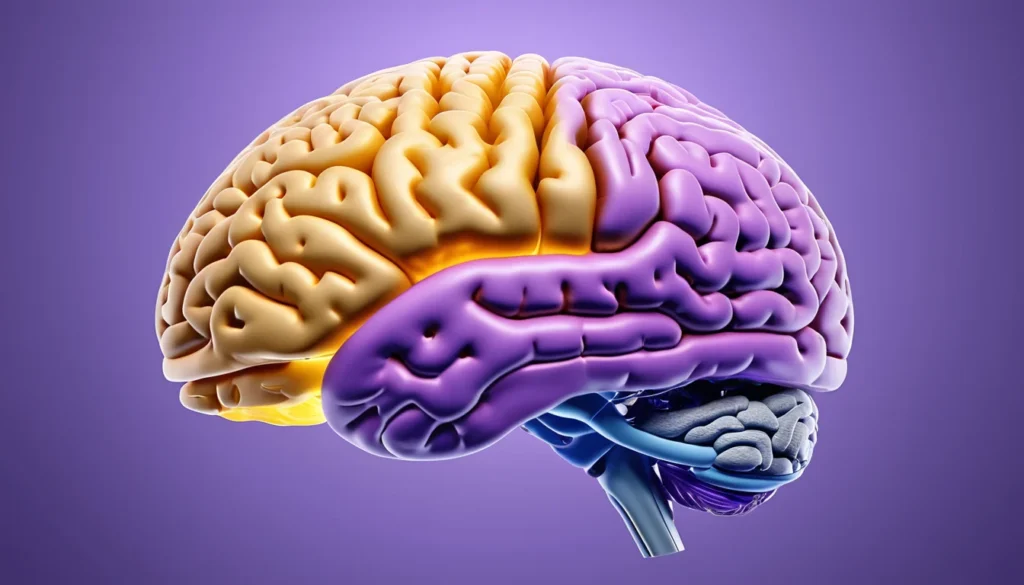
Mania appears to involve imbalances in brain chemicals called neurotransmitters. Dopamine and serotonin are two key chemicals linked to mood. When these are out of balance, extreme mood states like mania can occur.
Furthermore, certain areas of the brain that regulate emotion may function differently in people with mania. Brain imaging studies have shown clear differences in activity patterns. This supports the idea that mania has a biological basis.
Genetics and Family History
Mania tends to run in families. If a close family member has bipolar disorder or another mood disorder, your risk may be higher. However, having a family history does not mean you will definitely develop mania.
Genetics is one piece of the puzzle. Environment and personal circumstances also matter greatly. Most cases of mania result from a combination of both.
Triggers and Risk Factors
Certain situations can trigger a manic episode in people who are already at risk. Common triggers include sleep deprivation, high stress, and major life changes. Substance use, including alcohol and certain drugs, can also bring on mania.
Some medications, such as certain antidepressants, may trigger mania in people with bipolar disorder. Therefore, it is important to always discuss medication changes with your doctor. Never adjust your medications without professional guidance.
How Is Mania Diagnosed?
Diagnosing mania requires a thorough assessment by a qualified healthcare professional. There is no single blood test or scan that confirms mania. Instead, doctors rely on a combination of tools and observations.
A family doctor or psychiatrist will usually ask about your symptoms, their duration, and their impact on your daily life. They may also speak with family members or close contacts. This helps build a complete picture of your mental health history.
For a formal diagnosis of a manic episode, symptoms must last at least one week and be severe enough to disrupt normal functioning. In some cases, hospitalisation may be needed to keep the person safe during this assessment period.
Ruling Out Other Conditions
Other health conditions can sometimes mimic mania. These include thyroid disorders, neurological conditions, and the effects of certain substances. Therefore, a doctor may order blood tests or other investigations to rule these out.
Getting an accurate diagnosis is essential. The right diagnosis leads to the right treatment. Misdiagnosis can result in treatments that make symptoms worse.
Treatment Options for Mania
Mania is treatable. With the right support, most people can manage their symptoms and lead full, productive lives. Treatment usually involves a combination of medication and therapy.
Medications
Antipsychotic medications, sometimes called neuroleptics, are often the first line of treatment during an acute manic episode. These medications help calm the brain and reduce symptoms quickly. They are especially helpful in cases of severe or hospitalised mania.
Mood stabilisers such as lithium are also widely used. They help prevent future manic and depressive episodes. Your doctor will work with you to find the right medication and dose.
For more detailed information on medications used for mania, visit the Mayo Clinic’s guide to bipolar disorder treatment.
Therapy and Psychosocial Support
Medication alone is often not enough for long-term management of mania. Psychotherapy — especially cognitive behavioural therapy (CBT) — can be very effective. It helps people understand their triggers and develop coping strategies.
In Canada, many provinces offer mental health programmes through provincial health plans. Ask your family doctor about referrals to a psychologist or psychiatrist. Some walk-in mental health clinics also provide short-term counselling.
Hospitalisation
In severe cases, hospitalisation may be necessary. This is especially true when a person is a danger to themselves or others. Hospital care provides a safe environment and close monitoring during treatment.
Hospitalisation is typically short-term. Once symptoms are stabilised, care continues on an outpatient basis. Follow-up with a mental health professional is a critical part of recovery.
Long-Term Management
Managing the underlying cause of mania is just as important as treating the episode itself. Long-term treatment focuses on preventing relapses and maintaining stable mood. This is called maintenance therapy.
Lifestyle factors also play a role in long-term management. Regular sleep, healthy eating, and stress reduction all support mood stability. Exercise has also been shown to have a positive effect on mental health.
The Healthline overview of bipolar treatment options offers additional detail on long-term strategies for managing mood disorders like mania.
Mania in the Canadian Healthcare Context
Canada has a strong publicly funded healthcare system to support people dealing with mania and related conditions. Mental health services are covered under provincial and territorial health plans in most cases. However, access can vary depending on where you live.
Your first point of contact should be your family doctor. They can assess your symptoms, provide an initial diagnosis, and refer you to a specialist. If you do not have a family doctor, a walk-in clinic can be a helpful starting point.
Many provinces also have dedicated mental health crisis lines and community mental health centres. These services are available at no cost to Canadians. In an emergency, always go to your nearest hospital emergency department or call 911.
When to See a Doctor
You should speak to a doctor if you or someone you know is showing signs of mania. Early intervention leads to better outcomes. Do not wait until symptoms become severe.
See your family doctor or visit a walk-in clinic if you notice sudden changes in mood, energy, or behaviour. If the person is in danger of harming themselves or others, call 911 immediately. Mental health crises are medical emergencies.
It is also important to see a doctor if you have been previously diagnosed with a mood disorder and feel a change in your symptoms. A medication adjustment or therapy session may prevent a full manic episode. Always consult your healthcare provider before making any changes to your treatment plan.
Frequently Asked Questions About Mania
What is the difference between mania and hypomania?
Mania and hypomania share similar symptoms, but mania is more severe and lasts longer. Hypomania does not usually require hospitalisation, while full mania often does. Both are associated with bipolar disorder, but they differ in intensity and impact on daily life.
Can mania go away on its own without treatment?
A manic episode may eventually pass without treatment, but this can take weeks or months. Without treatment, mania can cause serious harm to relationships, finances, and physical health. It is always best to seek medical help as early as possible.
Is mania the same as bipolar disorder?
Mania is a symptom of bipolar disorder, but not all cases of mania mean a person has bipolar disorder. A doctor must evaluate the full pattern of symptoms over time to make a diagnosis. Mania can also occur due to other causes, such as certain medications or substance use.
How long does a manic episode typically last?
Without treatment, a manic episode can last anywhere from a few days to several months. With proper treatment, symptoms usually begin to improve within days to weeks. Early treatment is key to shortening the duration and reducing the severity of mania.
What should I do if a loved one is experiencing mania?
Stay calm and avoid arguing with the person, as this can increase agitation. Encourage them to contact their family doctor or go to a walk-in clinic for an assessment. If they are in immediate danger, call 911 or take them to the nearest hospital emergency department.
Is mania covered under provincial health plans in Canada?
Yes, treatment for mania — including doctor visits, hospitalisation, and some medications — is generally covered under provincial and territorial health plans. Access to psychiatrists and specialised mental health services may require a referral from your family doctor. Coverage details vary by province, so check with your local health authority for specifics.
Key Takeaways
Mania is a serious mental health condition involving extreme mood elevation, racing thoughts, and hyperactivity.
Common symptoms include reduced need for sleep, rapid speech, impulsive behaviour, and a powerful sense of energy.
Mania is most often associated with bipolar disorder, but can have other causes including medication or substance use.
Treatment includes antipsychotic medications, mood stabilisers, psychotherapy, and in severe cases, hospitalisation.
Long-term management focuses on treating the underlying cause, maintaining healthy habits, and preventing future episodes.
Canadians can access mental health support through their family doctor, walk-in clinics, or provincial mental health programmes.
Always consult a qualified healthcare provider before making any changes to your treatment. If you or someone you know is in crisis, seek help immediately.