Malnutrition is a serious health condition that affects people of all ages — including Canadians. It happens when the body does not get the right amount of nutrients it needs to function properly. This article explains what malnutrition is, what causes it, how it affects your health, and when you should speak with a doctor.
What Is Malnutrition?
Malnutrition means the body is not getting proper nutrition. However, it is not just about eating too little. It also includes eating too much of the wrong foods, or having a condition that prevents the body from absorbing nutrients properly.
Clinically, malnutrition is defined as having too little or too much protein, energy, and micronutrients such as vitamins and minerals. It also includes frequent infections that make it harder for the body to use nutrients effectively.
According to the World Health Organization (WHO), malnutrition in all its forms is one of the greatest threats to global health. Understanding it is the first step toward prevention and treatment.
Types of Malnutrition
There are several different types of malnutrition. Each one affects the body in a different way. Knowing the type can help guide the right treatment.
Undernutrition
Undernutrition happens when a person does not eat enough calories or protein. The body begins to break down muscle and fat for energy. Over time, this weakens the immune system and slows growth, especially in children.
Severe forms of undernutrition include marasmus, which causes a dramatic loss of fat, muscle, and body tissue. Another severe condition is vitamin A deficiency, which can lead to blindness and a higher risk of serious infection.
Protein Deficiency
Protein is essential for building and repairing body tissue. Without enough protein, the body cannot grow or heal properly. Protein deficiency is a leading factor in early death in developing regions of the world.
Even in Canada, low protein intake can be a concern — especially among older adults, people with chronic illness, or those experiencing food insecurity.
Micronutrient Deficiency
Micronutrients are vitamins and minerals the body needs in small amounts. However, they are crucial for good health. Deficiencies in iron, iodine, vitamin D, and vitamin A are among the most common worldwide.
For example, iodine deficiency can cause irreversible brain damage and a condition known as cretinism. In Canada, iodized salt and fortified foods help prevent some of these deficiencies, but they can still occur in vulnerable populations.
Overnutrition
Overnutrition happens when a person consumes too many calories, often from foods low in nutritional value. This can lead to obesity, type 2 diabetes, and heart disease. It is a growing concern in many high-income countries, including Canada.
Common Causes of Malnutrition
The causes of malnutrition are complex. They involve a mix of medical, social, and environmental factors. No single cause tells the whole story.
Poor Diet and Food Insecurity
Eating a diet that lacks variety is one of the most common causes of malnutrition. This can happen when people cannot afford nutritious food, have limited access to fresh produce, or rely heavily on processed foods.
Food insecurity affects many Canadians. According to Health Canada’s nutrition surveys, a significant number of households in Canada experience difficulty accessing adequate food at some point during the year.
Medical Conditions That Affect Absorption
Some illnesses make it hard for the body to absorb nutrients, even when a person eats a balanced diet. This is called secondary malnutrition. Conditions such as Crohn’s disease, celiac disease, and chronic diarrhoea can all interfere with nutrient absorption.
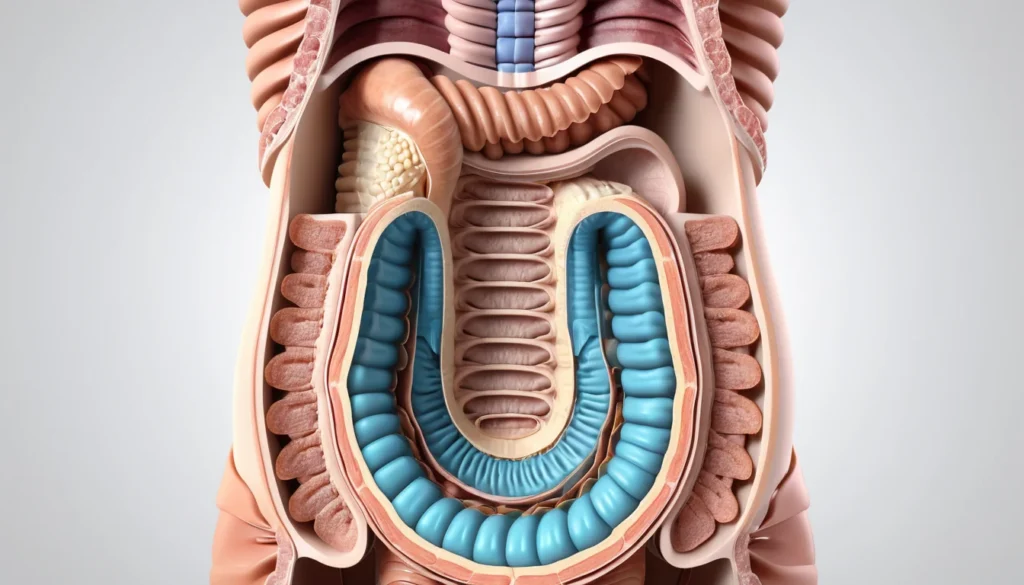
People who experience frequent or persistent diarrhoea are especially at risk. The rapid movement of stool through the intestines prevents the body from absorbing enough nutrients from food. As a result, even a nutritious diet may not be enough to maintain good health.
Poverty and Social Factors
Malnutrition is both a medical and a social issue. Poverty plays a major role. When people cannot afford healthy food, safe drinking water, or proper sanitation, their nutritional health suffers.
In many developing countries, unsafe water and poor sanitation lead to repeated infections — especially in children. These infections cause diarrhoea, which further worsens nutritional status and creates a difficult cycle to break.
Premature Birth and Early Childhood
Infants and young children are especially vulnerable to malnutrition. Their bodies are growing quickly and need a steady supply of nutrients. Babies born prematurely have even greater nutritional needs.
Premature babies often require fortified breast milk or specially designed infant formula to support healthy growth. Parents of premature infants should work closely with their paediatrician or neonatologist to ensure proper nutrition from the start.
How Malnutrition Affects Your Health
Malnutrition in all its forms increases the risk of disease and early death. Its effects can be felt across every system in the body.
Effects on the Immune System
When the body lacks proper nutrition, the immune system weakens. This makes it harder to fight off infections. People who are already undernourished are also slower to recover from illness.
Furthermore, those with protein deficiency are at greater risk of serious complications from common infections. This creates a dangerous cycle where illness worsens malnutrition, and malnutrition worsens illness.
Effects on Children’s Development
Children are at the highest risk of long-term harm from malnutrition. During infancy and early childhood, the brain and body develop rapidly. Poor nutrition during this window can cause lasting damage.
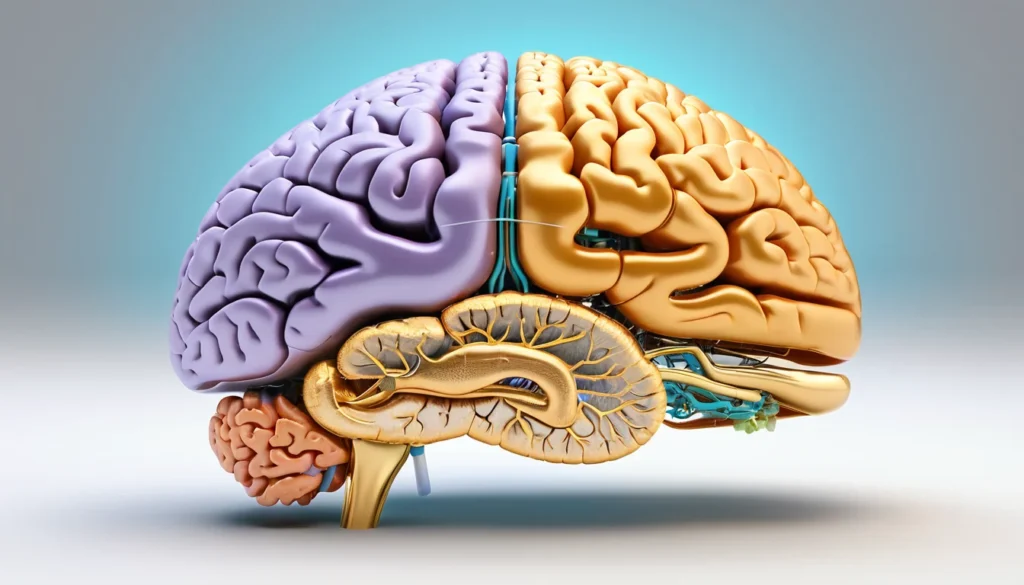
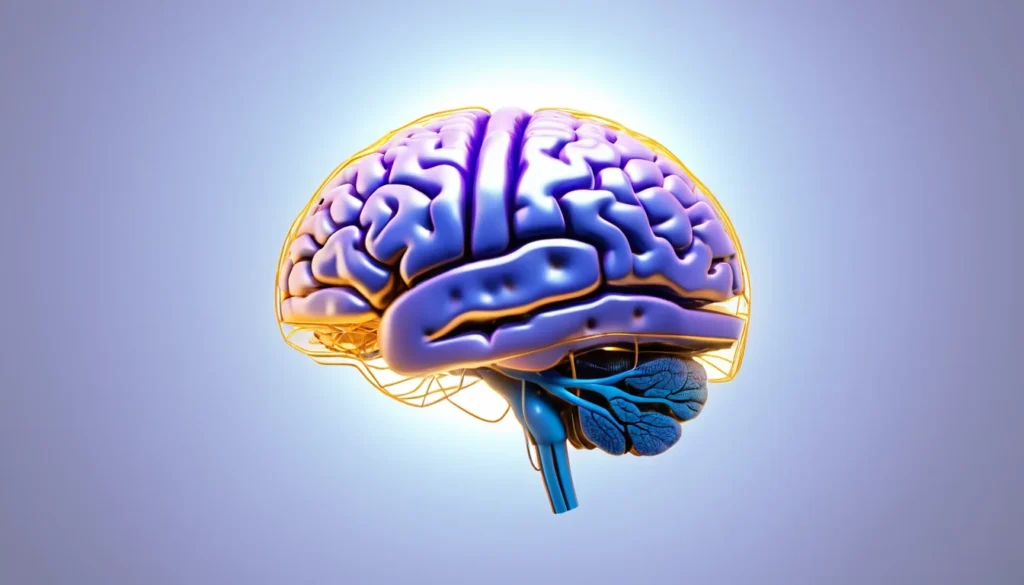
Severe iodine deficiency during early development can lead to irreversible cognitive impairment. Inadequate protein and calorie intake can slow physical growth and delay developmental milestones. These effects can follow a child into adulthood.
Effects on Adults and Older Canadians
Adults can also suffer from malnutrition, though it is often overlooked. Older adults in particular are at risk due to reduced appetite, difficulty chewing, chronic illness, and limited mobility.
In Canada, malnutrition among seniors in hospital and long-term care settings is a recognized concern. It can slow recovery, increase the risk of complications, and reduce overall quality of life.
Malnutrition in Canada: What You Should Know
While malnutrition is most associated with developing countries, it exists in Canada too. It often looks different here, but the health effects are just as serious.
In Canada, malnutrition can affect people experiencing homelessness, seniors living alone, individuals with eating disorders, people with chronic illness, and those in remote or northern communities with limited food access. Cultural and language barriers can also make it harder for some newcomers to access nutritious food and health information.
The link between poverty and poor nutrition is well established. Addressing malnutrition in Canada requires not just medical care, but also social support, including access to community food programmes, dietitian services covered under provincial health plans, and culturally appropriate food resources.
When to See a Doctor
If you or someone you care for shows signs of malnutrition, it is important to seek medical advice promptly. You do not need to wait for things to get worse.
Signs that you should see a doctor include:
Unexplained weight loss
Constant fatigue or weakness
Difficulty concentrating or remembering things
Slow wound healing
Frequent infections or illness
Swollen or painful joints
Hair loss or changes in skin colour
Persistent diarrhoea or digestive problems
Start by booking an appointment with your family doctor. If you do not have a family doctor, a walk-in clinic can help assess your symptoms and refer you to a registered dietitian or specialist. Most provincial health plans in Canada cover visits to a family doctor or walk-in clinic for concerns like these.
A registered dietitian can create a personalized nutrition plan to address deficiencies. Your doctor may also order blood tests to check for vitamin and mineral levels, or to look for underlying conditions affecting nutrient absorption.
Always speak with a qualified healthcare provider before making significant changes to your diet or starting supplements. This article is for informational purposes only and does not replace professional medical advice.
Frequently Asked Questions About Malnutrition
What are the early signs of malnutrition?
Early signs of malnutrition include unexplained weight loss, tiredness, muscle weakness, and getting sick more often than usual. You may also notice changes in your hair, skin, or nails. If you notice these symptoms, speak with your family doctor or visit a walk-in clinic as soon as possible.
Can malnutrition happen in Canada?
Yes, malnutrition does occur in Canada, even though it is often less visible than in developing countries. It can affect seniors, people with chronic illness, individuals experiencing food insecurity, and those in remote communities. Malnutrition in Canada is a recognized public health concern, and support services are available through provincial health programmes and community organizations.
How is malnutrition treated?
Treatment for malnutrition depends on the type and severity of the condition. In many cases, a registered dietitian will work with you to build a nutrition plan that addresses specific deficiencies. Your doctor may also treat any underlying conditions, such as digestive disorders, that are contributing to poor nutrient absorption.
Is malnutrition only about not eating enough?
No — malnutrition includes both undernutrition and overnutrition. A person can be malnourished even if they eat a large amount of food, if that food lacks essential nutrients. Consuming too many calories from low-nutrient foods can also lead to a form of malnutrition that increases the risk of obesity and chronic disease.
How does diarrhoea cause malnutrition?
Frequent or persistent diarrhoea prevents the intestines from absorbing nutrients properly. As a result, even if a person is eating enough food, their body may not be getting the calories, protein, or vitamins it needs. This type of malnutrition is called secondary malnutrition, and treating the underlying cause of the diarrhoea is an important part of recovery.
Are children more at risk of malnutrition than adults?
Yes, children — especially infants and toddlers — are more vulnerable to the effects of malnutrition because their bodies and brains are growing rapidly. Nutritional deficiencies during early childhood can cause lasting developmental harm. Premature babies have especially high nutritional needs and should be monitored closely by a paediatrician.
Key Takeaways
Malnutrition is not just about eating too little — it includes poor diet quality, overnutrition, and conditions that prevent nutrient absorption.
Children, seniors, premature infants, and people with chronic illness are at the highest risk.
Malnutrition increases the risk of infection, disease, and early death.
In Canada, food insecurity, poverty, and chronic illness are leading contributors to malnutrition.
Secondary malnutrition caused by persistent diarrhoea is a serious concern, as the body cannot absorb nutrients properly.
Treatment involves working with a family doctor and registered dietitian to address deficiencies and any underlying health conditions.
If you are concerned about malnutrition in yourself or a loved one, contact your family doctor or visit a walk-in clinic. Most provincial health plans cover this type of care.