A malignant tumour is a cancerous growth that can invade nearby tissues and spread to other parts of the body. Unlike a benign tumour, which stays in one place and is usually harmless, a malignant tumour poses serious health risks. Understanding the difference — and knowing when to act — can make a real difference in your health outcomes. This article explains what malignant means, how these tumours behave, and what steps Canadians can take if they have concerns.
What Does “Malignant” Mean?
The word malignant comes from the Latin word meaning “evil” or “harmful.” In medicine, doctors use it to describe a tumour or condition that is dangerous, aggressive, and likely to worsen without treatment. A malignant tumour is, in short, a cancerous one.
However, not every tumour is malignant. Doctors classify tumours into two broad categories: malignant and benign. Knowing which type a tumour is shapes the entire treatment plan.
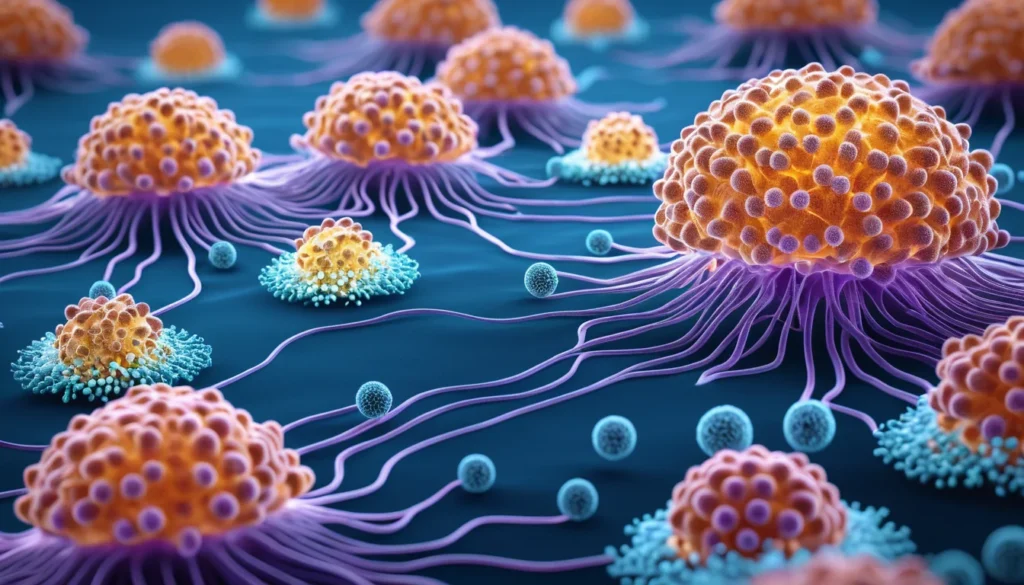
A malignant tumour has specific characteristics that make it more serious than a benign one. It grows in an uncontrolled way, damages surrounding tissue, and can release cancer cells into the bloodstream or lymphatic system. This process — called metastasis — allows cancer to spread far from its original location.
Malignant Tumour vs. Benign Tumour: Key Differences
Many Canadians hear the words “tumour” or “growth” and feel immediate worry. However, it is important to understand that not all tumours are cancerous. A benign tumour grows slowly, does not invade nearby tissue, and does not spread to other organs. A benign growth is often removed simply and does not usually return.
A malignant tumour, on the other hand, behaves very differently. It grows quickly and aggressively. It can push into and destroy healthy tissue around it. Furthermore, it can break away and travel through the body, forming new tumours in distant organs like the lungs, liver, or brain.
Here is a simple comparison:
Benign tumour: Slow-growing, contained, does not spread, rarely life-threatening
Malignant tumour: Fast-growing, invasive, can spread (metastasize), potentially life-threatening
For example, a lipoma — a soft lump under the skin — is benign and harmless for most people. A melanoma, on the other hand, is a malignant skin tumour that can spread rapidly if not caught early. According to Health Canada, cancer is one of the leading causes of death in Canada, making early detection critically important.
How Does a Malignant Tumour Develop?
The Role of Cell Mutations
Every malignant tumour starts with a change in the DNA of a single cell. Our bodies produce billions of new cells every day through a process called cell division. Normally, the body has built-in controls that tell cells when to grow and when to stop. When mutations — errors in a cell’s DNA — disrupt these controls, the cell can begin to divide without stopping.
Over time, these abnormal cells build up and form a tumour. As the tumour grows, it may develop the ability to invade nearby structures. Eventually, some cells may break off and travel through the blood or lymph system to form new tumours elsewhere in the body.
Risk Factors That Can Contribute
Several factors can increase the risk of developing a malignant tumour. Some of these are within our control, while others are not. Common risk factors include:
Tobacco use: Smoking is the leading preventable cause of cancer in Canada
Excessive alcohol consumption: Linked to cancers of the mouth, throat, liver, and breast
Ultraviolet (UV) radiation: Overexposure to sunlight or tanning beds increases skin cancer risk
Diet and physical inactivity: A low-fibre diet and sedentary behaviour are associated with certain cancers
Family history and genetics: Some people inherit gene mutations that raise their cancer risk
Certain infections: Viruses like HPV and hepatitis B are linked to specific cancers
Age: The risk of most malignant tumours increases as we get older
Environmental exposures: Long-term contact with chemicals like asbestos or radon can be harmful
According to the World Health Organization (WHO), between 30 and 50 percent of cancers are preventable through lifestyle changes and early detection programmes.
Common Types of Malignant Tumours
Malignant tumours can develop in almost any tissue or organ in the body. Doctors classify them based on the type of cell they originate from. Understanding the different types helps explain why cancers behave differently and respond to different treatments.
Carcinomas
Carcinomas are the most common type of malignant tumour. They begin in the cells that line the surfaces of organs and tissues — called epithelial cells. Breast cancer, lung cancer, colon cancer, and prostate cancer are all carcinomas. These are among the most frequently diagnosed cancers in Canada.
Sarcomas
Sarcomas develop in connective tissues such as bone, muscle, fat, and cartilage. They are less common than carcinomas but can be aggressive. Osteosarcoma (bone cancer) and liposarcoma (fat tissue cancer) are examples of sarcomas.
Lymphomas and Leukaemias
These malignant tumours affect the blood and immune system. Lymphomas start in lymph nodes, while leukaemias begin in the bone marrow. Both types affect the body’s ability to fight infection and carry oxygen. Therefore, they often cause symptoms like fatigue, frequent infections, and unusual bleeding.
Melanomas
Melanomas begin in the pigment-producing cells of the skin called melanocytes. They are one of the most serious forms of skin cancer because they spread quickly. In Canada, rates of melanoma have been rising, making sun protection and regular skin checks especially important.
Signs and Symptoms to Watch For
A malignant tumour does not always cause obvious symptoms in its early stages. This is one reason why regular health screenings are so valuable. However, there are warning signs that should never be ignored. If you notice any of the following, speak with a healthcare provider as soon as possible:
A lump or thickening under the skin that is new or changing
Unexplained weight loss
Persistent fatigue that does not improve with rest
Changes in bowel or bladder habits
A sore that does not heal
Unusual bleeding or discharge
A nagging cough or hoarseness that lasts more than three weeks
Changes in the size, shape, or colour of a mole or skin lesion
Difficulty swallowing
As a result of finding these signs early, many malignant tumours can be treated more effectively. Early-stage cancer almost always responds better to treatment than advanced-stage cancer. Learn more about recognising cancer warning signs at Mayo Clinic’s cancer overview.
How Are Malignant Tumours Diagnosed?
Diagnosing a malignant tumour involves several steps. No single test can confirm cancer on its own. Doctors use a combination of tools to get a complete picture.
Physical Examination and Medical History
Your family doctor will typically start with a thorough physical exam and a review of your personal and family medical history. This helps identify any risk factors and guides the next steps. In Canada, your family doctor plays a central role in coordinating this process through the provincial health care system.
Imaging Tests
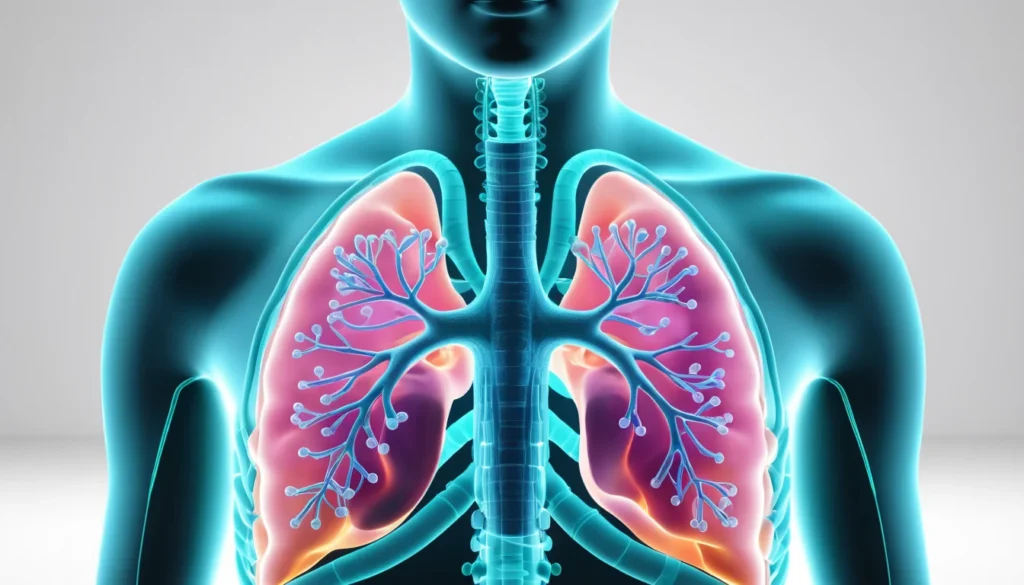
Imaging tests allow doctors to see inside the body without surgery. Common imaging tools include X-rays, ultrasounds, CT (computed tomography) scans, MRI (magnetic resonance imaging) scans, and PET (positron emission tomography) scans. These tests can reveal the size and location of a tumour and whether it has spread.
Biopsy
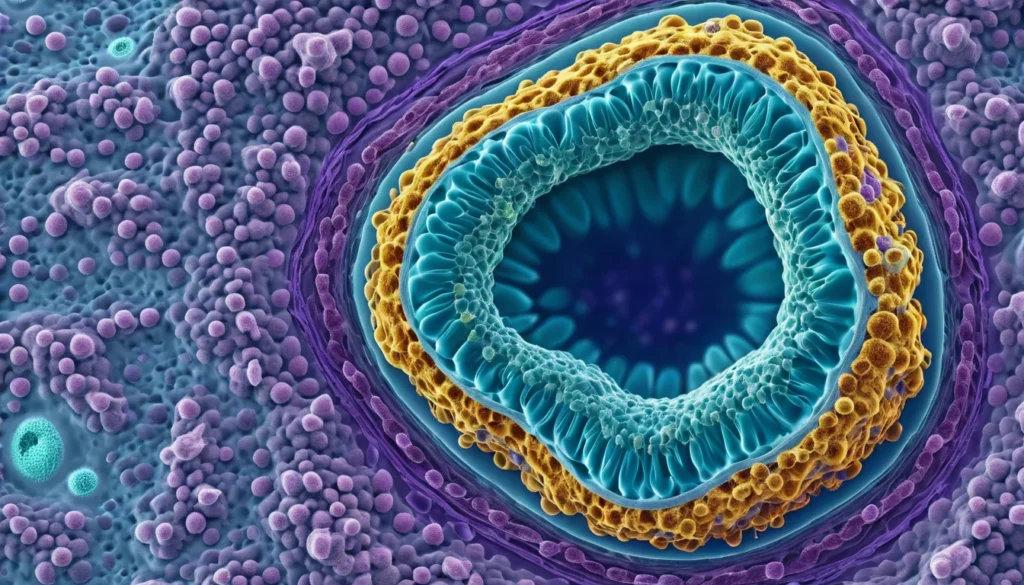
A biopsy is the only definitive way to confirm whether a tumour is malignant. During a biopsy, a small sample of tissue is removed from the tumour and examined under a microscope by a pathologist. The pathologist looks for abnormal cells that confirm a cancer diagnosis. Furthermore, biopsy results help determine the specific type and grade of cancer, which guides treatment decisions.
Blood Tests and Tumour Markers
Some blood tests can detect substances produced by cancer cells, called tumour markers. For example, PSA (prostate-specific antigen) levels are used to screen for prostate cancer. However, blood tests alone are rarely enough to diagnose a malignant tumour and are usually used alongside other methods.
Treatment Options for Malignant Tumours
Treatment for a malignant tumour depends on many factors: the type of cancer, its location, its stage, and the overall health of the patient. In Canada, cancer treatment is covered under provincial health plans, though wait times and available treatments can vary by province.
Common treatment approaches include:
Surgery: Removing the tumour and surrounding tissue is often the first step for solid tumours
Radiation therapy: High-energy rays target and destroy cancer cells in a specific area
Chemotherapy: Powerful drugs travel through the bloodstream to kill cancer cells throughout the body
Immunotherapy: This treatment helps the body’s own immune system recognise and fight cancer cells
Targeted therapy: Drugs that target specific molecules involved in cancer cell growth
Hormone therapy: Used for cancers that are fuelled by hormones, such as some breast and prostate cancers
Many patients receive a combination of these treatments. A team of specialists — including oncologists, surgeons, and nurses — works together to create a personalised treatment plan. Palliative care is also an important part of cancer treatment in Canada, focused on improving quality of life at every stage.
When to See a Doctor
If you notice any unusual changes in your body that last more than two weeks, do not wait. Talk to your family doctor as soon as possible. Early detection is one of the most powerful tools against a malignant tumour.
In Canada, you can book an appointment with your family doctor through your provincial health plan at no direct cost. If you do not have a family doctor, a walk-in clinic is a good first step. Walk-in clinics can assess your symptoms, order initial tests, and refer you to a specialist if needed.
Provincial cancer screening programmes — such as mammography for breast cancer, Pap tests for cervical cancer, and colorectal cancer screening — are designed to catch malignant tumours before symptoms even appear. Ask your family doctor which screening tests are right for your age and risk level.
Always consult a qualified healthcare professional for any health concerns. The information in this article is for educational purposes and is not a substitute for medical advice.
Frequently Asked Questions
What is the difference between a malignant tumour and a benign tumour?
A malignant tumour is cancerous — it grows aggressively, invades nearby tissue, and can spread to other parts of the body. A benign tumour is non-cancerous, grows slowly, stays contained, and does not spread. Your doctor can determine which type you have through tests such as a biopsy.
Can a malignant tumour be cured?
Many malignant tumours can be successfully treated, especially when caught early. Treatment outcomes depend on the type of cancer, its stage, and the patient’s overall health. Your oncologist and healthcare team will discuss the best treatment plan and realistic outcomes for your specific situation.
How quickly does a malignant tumour grow?
The growth rate of a malignant tumour varies widely depending on the type of cancer. Some, like pancreatic cancer, grow and spread very quickly. Others, like certain prostate cancers, may grow slowly over many years. This is why regular screening and early detection are so important.
What causes a tumour to become malignant?
A tumour becomes malignant when DNA mutations cause cells to grow out of control and gain the ability to invade other tissues. These mutations can be triggered by factors like tobacco use, radiation, certain viruses, or inherited genetic changes. In some cases, no clear cause is ever identified.
Is every lump or growth a malignant tumour?
No — most lumps and growths are benign and not dangerous. However, any new or changing lump should be evaluated by a doctor to rule out a malignant tumour. In Canada, your family doctor or a walk-in clinic can assess a new lump and arrange any necessary testing.
Does cancer screening in Canada cover malignant tumour detection?
Yes. Provincial health plans in Canada fund several cancer screening programmes designed to detect malignant tumours early, before symptoms develop. These include mammograms, Pap tests, and colorectal cancer screening. Talk to your family doctor about which screenings are recommended for your age and health history.
Key Takeaways
A malignant tumour is cancerous — it can invade nearby tissue and spread to other parts of the body through a process called metastasis.</li