Malignant pleural effusion is a serious condition where fluid builds up between the lungs and the chest wall. It is most often linked to advanced cancer, and it can cause significant breathing difficulty. Understanding this condition can help you ask the right questions and get the right care — whether that starts with your family doctor or a walk-in clinic.
What Is Malignant Pleural Effusion?
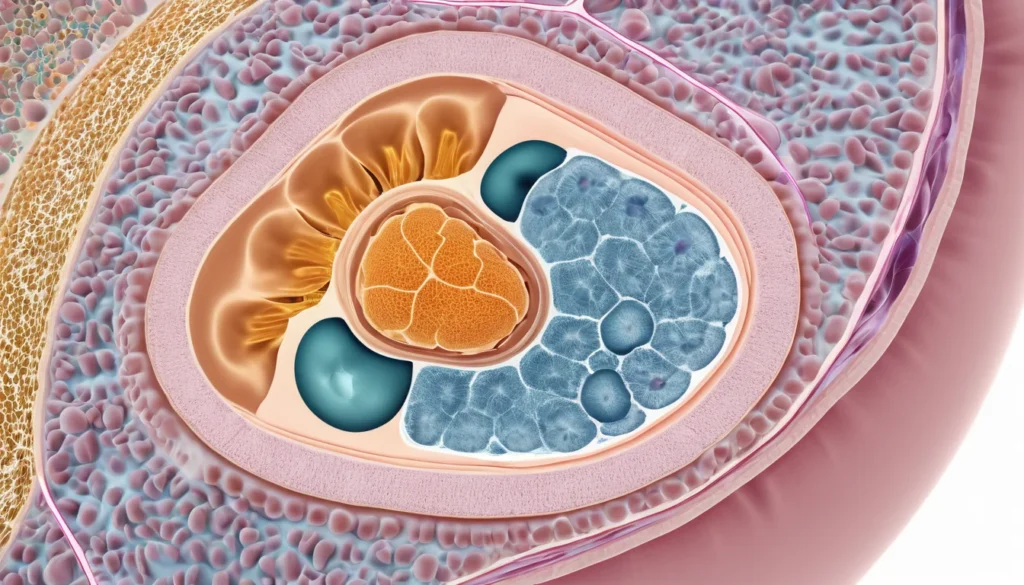
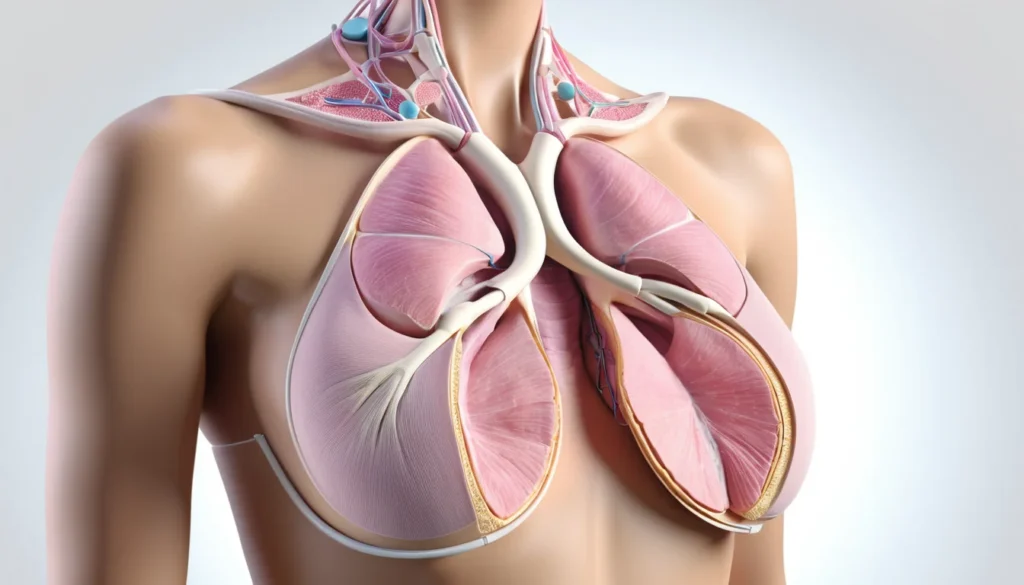
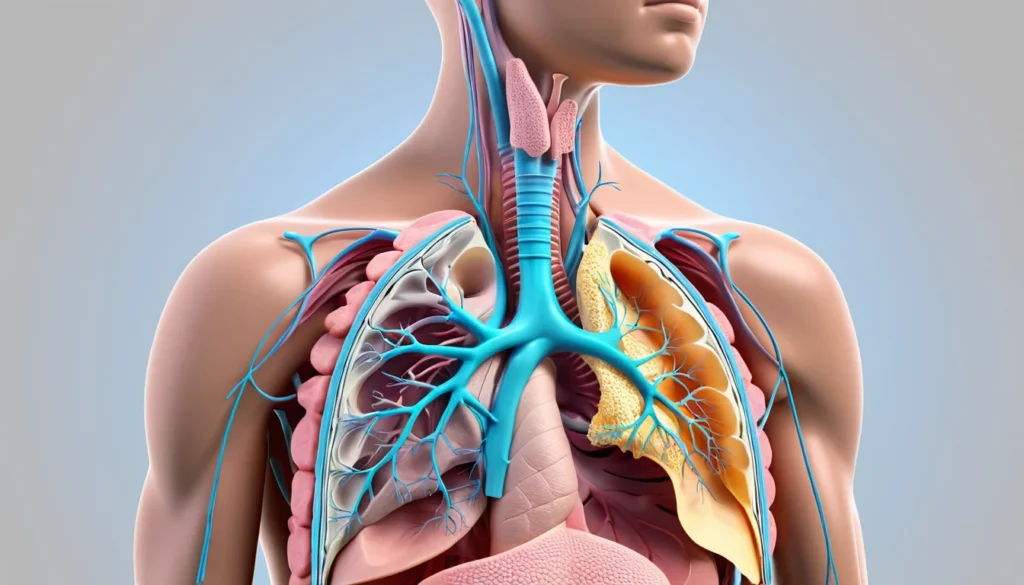
Your lungs sit inside a two-layered membrane called the pleura. Normally, a small amount of fluid keeps these layers moist and allows smooth breathing movement. When cancer is involved, fluid can build up in this space much faster than the body can remove it.
This buildup is called a malignant pleural effusion. The word “malignant” means that cancer cells are either present in the fluid or are directly causing the fluid to accumulate. It is generally a sign that cancer has reached an advanced stage.
The most common cancers that cause this condition include lung cancer, breast cancer, ovarian cancer, and lymphoma. In men, lung cancer is the leading cause. In women, breast cancer is frequently responsible. Learn more about lung cancer from the Canadian Cancer Society.
Types of Malignant Pleural Effusion
Doctors generally recognize two main types of this condition, and the distinction matters for treatment planning.
Type I
In Type I, the pleura itself is invaded by tumour cells — either from a primary tumour or from cancer that has spread (metastasized). Malignant cells are found directly in the pleural fluid or in tissue samples taken from the pleura. This is the most definitive form of the diagnosis.
Type II
In Type II, a confirmed cancer is present elsewhere in the body, but the pleura is not directly invaded. No malignant cells are found in the fluid or tissue samples. However, the cancer still triggers fluid buildup through indirect mechanisms, such as blocked lymph drainage.
Cancer-Specific Patterns
Different cancers affect the pleura in different ways. For example, lung adenocarcinoma tends to spread to both sides of the chest. Breast cancer often causes fluid on the same side as the tumour. Lymphomas — both Hodgkin and non-Hodgkin — typically cause fluid buildup by blocking lymph nodes in the chest. Malignant mesothelioma, a rare cancer of the pleura itself, causes fluid by directly invading tissue and blocking lymphatic drainage.
Symptoms of Malignant Pleural Effusion
Symptoms can vary depending on how much fluid has built up. Small effusions often cause no symptoms at all and may only be found on a chest X-ray. Larger effusions, however, can cause noticeable and distressing symptoms.
Common Symptoms
Shortness of breath (dyspnea): This is the most common symptom. It can come on gradually or, in some cases, quite suddenly.
Chest pain or discomfort: Pain is more likely when the outer layer of the pleura (the parietal pleura) or the chest wall becomes involved.
Persistent cough: A dry cough that does not go away is frequently reported.
Fatigue: Feeling unusually tired, even with rest, is common with advanced cancer.
Loss of appetite: Many people notice a reduced desire to eat.
Symptoms Related to the Underlying Cancer
In addition to the above, people may also experience symptoms tied to the cancer causing the effusion. These can include unexplained weight loss, fever, and general weakness. If you notice any combination of these symptoms, speak with your family doctor as soon as possible.
Causes and Risk Factors
The exact process by which a tumour causes a malignant pleural effusion is not fully understood. However, doctors believe that cancer cells growing in or near the pleura disrupt the normal balance of fluid production and drainage. As a result, fluid accumulates faster than the body can clear it. This puts pressure on the lungs and makes breathing harder.
Several factors can increase a person’s risk of developing this condition.
Personal cancer history: People who have been diagnosed with lung, breast, ovarian cancer, or lymphoma face a higher risk.
Advanced or metastatic cancer: Malignant pleural effusion is most common in later stages of cancer, when the disease has spread beyond its original site.
Age: People over 60 are more likely to develop this condition.
Sex: Men have a somewhat higher overall risk, largely because of higher rates of lung cancer.
Cancer treatments: Certain treatments, including radiation therapy and some forms of chemotherapy, can increase the risk of pleural complications.
HIV infection: People living with HIV have a higher risk, due to a weakened immune system and increased susceptibility to certain cancers.
Furthermore, the type of cancer plays a significant role. Adenocarcinoma of the lung, for instance, is the most frequently involved cancer because of its tendency to grow near the outer edges of the lung tissue, close to the pleura.
How Is Malignant Pleural Effusion Diagnosed?
Diagnosing a malignant pleural effusion usually involves a combination of imaging tests and tissue or fluid sampling. Your doctor will choose the right combination based on your symptoms, health history, and the results of initial tests. Mayo Clinic provides a detailed overview of pleural effusion diagnosis and treatment.
Imaging Tests
A chest X-ray is usually the first step. Small effusions (around 200–300 mL) may show subtle haziness in the lower part of the chest. Larger effusions produce a dense, uniform shadow with a curved upper border — a classic finding called the “meniscus sign.”
A CT scan (computed tomography) gives a much more detailed picture. It can identify the primary tumour, detect pleural spread, and help surgeons plan any procedures needed. An MRI is sometimes used to assess invasion into soft tissue. A PET scan can help determine how far the cancer has spread throughout the body.
Pleural ultrasound is a valuable bedside tool. It can show the size and location of the fluid collection and guide needle procedures safely and accurately.
Fluid and Tissue Analysis
Finding malignant cells in the pleural fluid — through a procedure called thoracentesis (draining a sample of fluid with a needle) — confirms the diagnosis with nearly 100% certainty. Advanced laboratory techniques, including molecular biology and monoclonal antibody testing, have made this even more reliable.
If fluid analysis is not conclusive, a pleural biopsy may be needed. This can be done using a needle through the chest wall, through a minimally invasive camera procedure called thoracoscopy, or in rare cases through open surgery (thoracotomy). Thoracoscopy under local anaesthesia and sedation is now widely preferred because it allows targeted, precise biopsies.
Risks of Leaving Malignant Pleural Effusion Untreated
Without treatment, a malignant pleural effusion tends to worsen over time. As fluid continues to build up, the pressure on the lungs increases. This leads to progressively worsening shortness of breath, reduced oxygen levels, and significant decline in quality of life.
In addition, an untreated effusion can compress the heart and major blood vessels, creating serious cardiovascular stress. People may become unable to carry out daily activities, including walking, eating, or sleeping comfortably. Therefore, early diagnosis and treatment are important for both comfort and overall health outcomes.
Treatment options — which your oncology team will discuss with you — may include draining the fluid, procedures to prevent it from returning (such as pleurodesis), or targeted cancer therapy. Healthline offers a patient-friendly guide to malignant pleural effusion treatment.
When to See a Doctor
If you or someone you care for is experiencing unexplained shortness of breath, chest pain, or a persistent cough — especially with a known cancer history — do not wait. Contact your family doctor as soon as possible. If you do not have a family doctor, a walk-in clinic can assess your symptoms and refer you for imaging or specialist care through your provincial health plan.
In Canada, referrals to respirologists (lung specialists) or oncologists are covered under most provincial and territorial health plans. Your family doctor or walk-in clinic physician can start that process quickly.
If you experience sudden, severe difficulty breathing, chest tightness, or feel faint, go to your nearest emergency department right away or call 911. These symptoms can indicate a large or rapidly growing effusion that needs immediate attention.
As always, this article is for general information only. Please speak with a qualified healthcare provider about your personal health situation before making any medical decisions.
Frequently Asked Questions
What is malignant pleural effusion and how serious is it?
Malignant pleural effusion is a buildup of fluid around the lungs caused by cancer. It is a serious condition that usually indicates advanced or metastatic cancer. However, treatment can significantly relieve symptoms and improve quality of life.
What cancers most commonly cause malignant pleural effusion?
Lung cancer is the most common cause of malignant pleural effusion in men. In women, breast cancer is a leading cause. Other cancers that frequently cause this condition include ovarian cancer and lymphoma.
What are the main symptoms of malignant pleural effusion?
The most common symptom of malignant pleural effusion is shortness of breath, which can range from mild to severe. Other symptoms include chest pain, a persistent cough, fatigue, and loss of appetite. Small effusions may cause no symptoms at all.
How is malignant pleural effusion diagnosed in Canada?
Diagnosis typically starts with a chest X-ray or CT scan, which your family doctor or specialist can order through the provincial health system. A sample of pleural fluid is then examined for cancer cells to confirm the diagnosis. In some cases, a pleural biopsy is also needed.
Can malignant pleural effusion be treated?
Yes, malignant pleural effusion can be treated, although the goal is usually to manage symptoms rather than cure the underlying cancer. Common approaches include draining the fluid and procedures to prevent it from returning, such as pleurodesis. Your oncology team will recommend the best option based on your overall health and cancer treatment plan.
What happens if malignant pleural effusion is left untreated?
Without treatment, malignant pleural effusion tends to worsen over time, leading to increasing shortness of breath and reduced ability to perform daily activities. The fluid can also put pressure on the heart and major blood vessels. Early treatment helps protect quality of life and breathing function.
Key Takeaways
Malignant pleural effusion is a fluid buildup around the lungs caused by cancer — most often lung, breast, or ovarian cancer, or lymphoma.
The most common symptom is shortness of breath, which can appear gradually or suddenly.
Small effusions may cause no symptoms; larger ones can seriously affect breathing and daily life.
Diagnosis involves imaging tests (X-ray, CT, ultrasound) and analysis of pleural fluid or tissue samples.
Treatment focuses on relieving symptoms and improving quality of life — options are available through the Canadian healthcare system.
If you have a cancer history and notice new or worsening breathing problems, contact your family doctor or visit a walk-in clinic promptly.
Always consult a qualified healthcare provider for advice tailored to your personal health needs.