Malignant hyperthermia is a rare but life-threatening genetic disorder. It causes a dangerous reaction to certain anaesthetic drugs used during surgery. If it is not caught and treated immediately, it can be fatal. This article explains what malignant hyperthermia is, who is at risk, and what doctors do to treat it.
What Is Malignant Hyperthermia?
Malignant hyperthermia is a genetic condition passed down through families. It follows an autosomal dominant inheritance pattern. This means that if one parent carries the gene mutation, each child has a 50% chance of inheriting it.
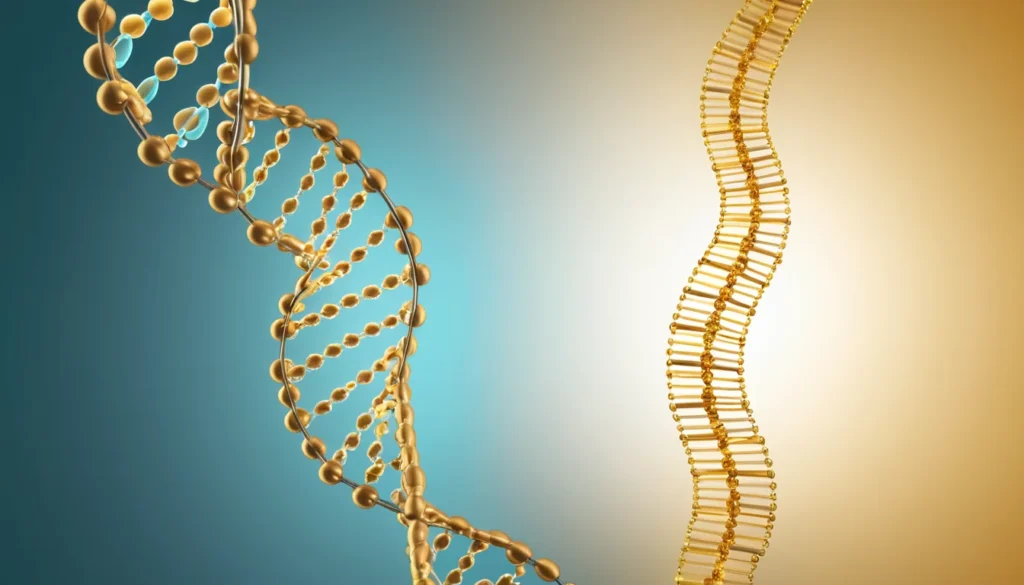
The condition is linked to a mutation on chromosome 19. Specifically, the mutation affects the long arm of that chromosome. This mutation changes how muscle cells respond to certain anaesthetic drugs.
However, most people with this mutation never know they have it. They may have no symptoms at all in everyday life. The reaction only happens when they are exposed to specific triggering agents, usually during surgery.
According to Mayo Clinic’s overview of malignant hyperthermia, this condition affects roughly 1 in 5,000 to 1 in 60,000 people who receive a general anaesthetic. It is more common in children and young adults than in older patients.
What Triggers Malignant Hyperthermia?
Certain anaesthetic drugs are known to trigger a malignant hyperthermia episode. These are called triggering agents. The most common ones are volatile inhaled anaesthetics.
Triggering agents include:
Sevoflurane
Desflurane
Isoflurane
Halothane
Enflurane
Methoxyflurane
Succinylcholine (a muscle relaxant)
When a susceptible person receives one of these drugs, their muscle cells go into overdrive. The cells release large amounts of calcium. As a result, the muscles contract uncontrollably and generate intense heat.
It is important to note that not every exposure will trigger a reaction. Some people may tolerate an anaesthetic once or twice before having an episode. This makes the condition especially unpredictable and dangerous.
Recognising the Symptoms of Malignant Hyperthermia
Symptoms of malignant hyperthermia usually appear during or shortly after surgery. The anaesthesia team monitors for these warning signs closely. Early recognition is critical to saving a patient’s life.
Early Warning Signs
The first signs can develop quickly once a triggering drug is given. Healthcare providers watch for these symptoms:
Muscle rigidity, especially stiffness in the jaw muscles
A rapid and unexpected rise in carbon dioxide levels in exhaled breath
Fast or irregular heartbeat (arrhythmia)
High blood pressure
Rapid breathing or difficulty breathing
Bluish skin colour (cyanosis)
Importantly, a very high body temperature is not always the first symptom. Many people assume fever is the key warning sign. However, dangerously high temperatures often appear later in the episode, not at the start.
Severe and Life-Threatening Symptoms
If malignant hyperthermia is not treated right away, the episode becomes much worse. The body temperature can rise to extremely dangerous levels. This can cause serious damage throughout the body very quickly.
Severe symptoms include:
Rhabdomyolysis — the rapid breakdown of muscle tissue, which releases harmful proteins into the bloodstream
Internal bleeding
Brain injury
Acute kidney failure
Heart failure
Skeletal muscle degeneration
These complications can develop within minutes. Therefore, every operating room in Canada is required to stock the antidote and have an emergency protocol ready.
Associated Conditions and Genetic Links
Some people who carry the malignant hyperthermia gene mutation also have other health differences. These are not present in everyone, but they can be a clue to the underlying genetic condition.
Associated features may include:
Myopathy (muscle weakness or disease)
Slower than average growth
Cryptorchidism (undescended testicles in males)
Curvature of the spine (lordosis or kyphosis)
A chest wall deformity called pectus carinatum (pigeon chest)
Distinctive facial features
Furthermore, a family history of problems during anaesthesia is a very important warning sign. If a close relative had a serious reaction during surgery, always tell your anaesthesiologist before any procedure.
How Is Malignant Hyperthermia Diagnosed?
Diagnosing malignant hyperthermia happens in two different ways. The first is recognising an active episode in the operating room. The second is identifying susceptible individuals before a problem occurs.
Diagnosing an Active Episode
During surgery, the anaesthesia team diagnoses malignant hyperthermia based on clinical signs. They look for a combination of symptoms happening together. Blood and gas tests support the diagnosis.
Common tests include:
Complete blood count (CBC)
Serum enzyme levels (especially creatine kinase, which rises sharply with muscle damage)
Electrolyte panel
Blood gas analysis (to detect metabolic or respiratory acidosis)
Kidney function tests (because rhabdomyolysis can cause acute kidney failure)
Doctors use a clinical grading scale to assess how likely it is that a patient is having a malignant hyperthermia episode. Key criteria include respiratory acidosis, metabolic acidosis, cardiac involvement, muscle rigidity, rapid temperature rise above 38.8°C, and a family history of the condition.
Testing for Susceptibility
In Canada, people with a family history of malignant hyperthermia can be referred for genetic testing or a specialised muscle biopsy test. The muscle biopsy test — called the caffeine-halothane contracture test (CHCT) — is the gold standard for confirming susceptibility. Ask your family doctor for a referral if you have concerns.
For more information on genetic testing options, you can visit the Health Canada information portal or speak with a genetic counsellor through your provincial health plan.
Treatment for Malignant Hyperthermia
Malignant hyperthermia is a medical emergency. Treatment must begin immediately. Every second counts when a patient is having an active episode.
Dantrolene: The Only Effective Antidote
The primary treatment for malignant hyperthermia is intravenous dantrolene. Dantrolene is a muscle relaxant. It works by blocking the abnormal release of calcium in muscle cells, which stops the chain reaction.
The introduction of dantrolene has been life-changing for patients. Before this drug was available — roughly 40 to 50 years ago — malignant hyperthermia had a mortality rate of about 80%. Today, thanks to dantrolene and faster recognition, the mortality rate has dropped to approximately 10%.
Treatment must start as soon as a malignant hyperthermia episode is suspected. Waiting for test results is not recommended. The clinical picture alone is enough to begin giving dantrolene.
Supportive Care
Alongside dantrolene, the medical team provides supportive care to stabilise the patient. This includes:
Stopping all triggering anaesthetic agents immediately
Active cooling measures to bring body temperature down
Oxygen therapy to support breathing
Intravenous fluids to protect the kidneys
Medications to correct abnormal heart rhythms
Monitoring for organ failure
After the episode is controlled, patients are monitored closely in intensive care. Malignant hyperthermia can recur in the hours following the initial episode. Therefore, dantrolene may continue to be given for 24 to 48 hours.
You can learn more about emergency anaesthetic protocols from the Healthline guide to malignant hyperthermia.
When to See a Doctor
If you have a family history of malignant hyperthermia reactions during surgery, speak with your family doctor as soon as possible. This is not something to wait on. Your doctor can refer you to a specialist or arrange genetic counselling through your provincial health plan.
Before any scheduled surgery, always tell your anaesthesiologist about your family history. This one conversation could save your life. The surgical team can plan a safe, trigger-free anaesthetic for susceptible patients.
If you do not have a family doctor, visit a walk-in clinic and ask for a referral to a specialist in genetics or anaesthesiology. Many provinces also offer direct access to genetic counselling services. Your pharmacist can also help point you to the right resources in your community.
Always consult a qualified healthcare provider before making any decisions about your health or upcoming medical procedures. The information in this article is for educational purposes only and is not a substitute for professional medical advice.
Frequently Asked Questions About Malignant Hyperthermia
What is malignant hyperthermia and how does it happen?
Malignant hyperthermia is a rare genetic disorder that causes a life-threatening reaction to certain anaesthetic drugs. When a susceptible person receives a triggering agent, their muscle cells release large amounts of calcium uncontrollably. This leads to severe muscle contractions, dangerously high body temperature, and potential organ failure.
Is malignant hyperthermia hereditary?
Yes, malignant hyperthermia is a hereditary condition passed down through families in an autosomal dominant pattern. This means a child has a 50% chance of inheriting the gene mutation if one parent carries it. If a close family member has had a reaction during surgery, you should tell your doctor before any procedure.
Can malignant hyperthermia be prevented?
Yes, malignant hyperthermia can be prevented in known susceptible individuals by avoiding all triggering anaesthetic agents. Anaesthesiologists can use safe, non-triggering drugs for surgery in patients who are at risk. Genetic testing or a muscle biopsy test can confirm susceptibility before an emergency occurs.
What is the treatment for malignant hyperthermia?
The only effective antidote for malignant hyperthermia is a drug called dantrolene, given intravenously. Treatment also includes stopping all triggering anaesthetic agents immediately and providing supportive care such as cooling, oxygen, and fluids. Early treatment is essential, as delays can lead to serious complications including organ failure.
How common is malignant hyperthermia in Canada?
Malignant hyperthermia affects approximately 1 in 5,000 to 1 in 60,000 people who receive a general anaesthetic, making it relatively rare but still a serious concern. It occurs more often in children and young adults than in older populations. Canadian hospitals are required to be prepared with dantrolene and emergency protocols for this reason.
What are the first signs of a malignant hyperthermia reaction during surgery?
The earliest signs of malignant hyperthermia during surgery include jaw muscle stiffness, rapidly rising carbon dioxide levels in exhaled breath, and an abnormally fast heartbeat. High body temperature is not always the first symptom, despite the name. Anaesthesia teams are trained to spot these early warning signs and act immediately.
Key Takeaways
Malignant hyperthermia is a rare, life-threatening genetic disorder triggered by specific anaesthetic drugs.
It is caused by a gene mutation on chromosome 19 and follows an autosomal dominant inheritance pattern.
Common triggers include volatile inhaled anaesthetics like sevoflurane and isoflurane, as well as the muscle relaxant succinylcholine.
Early symptoms include muscle rigidity, rising carbon dioxide levels, and abnormal heart rhythms — not always a high fever.
If untreated, malignant hyperthermia can cause kidney failure, heart failure, brain injury, and death.
Dantrolene is the only effective antidote and has reduced the death rate from 80% to approximately 10%.
If you have a family history of anaesthetic reactions, speak with your family doctor or visit a walk-in clinic to get a referral before any planned surgery.
Always inform your anaesthesiologist of any family history of malignant hyperthermia before undergoing any procedure.