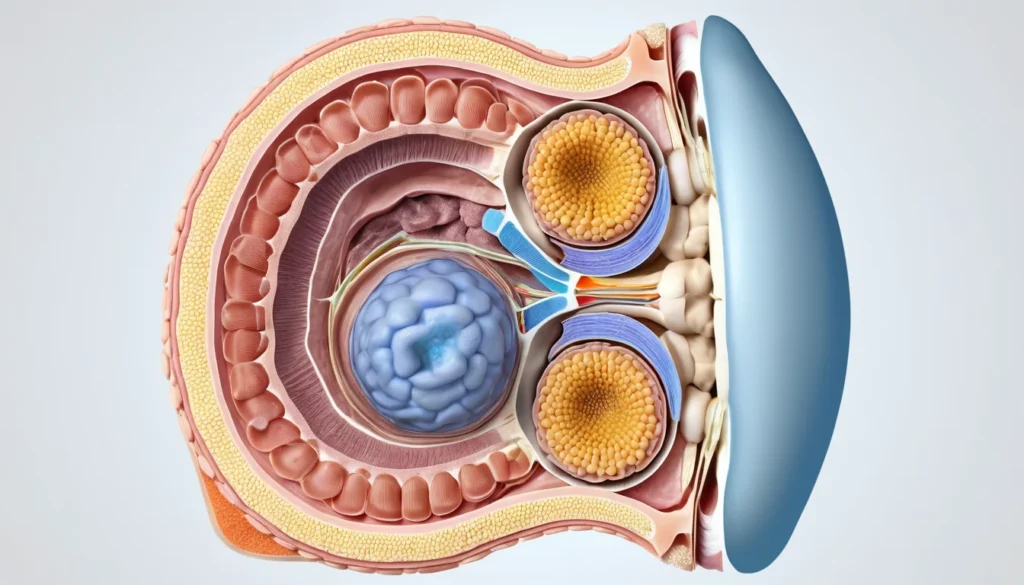
Male genital health covers a range of conditions that affect the penis, scrotum, and testicles. Many of these conditions are treatable, especially when caught early. However, many men feel embarrassed to talk about them, which can delay care. This article explains the most common male genital health conditions in plain language — so you know what to watch for and when to seek help.
How the Male Reproductive System Works
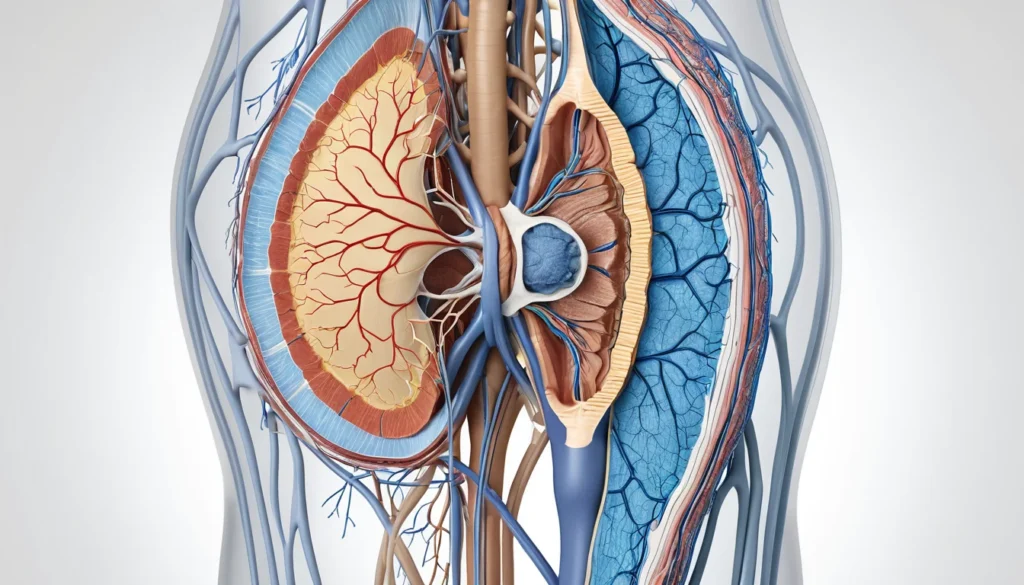
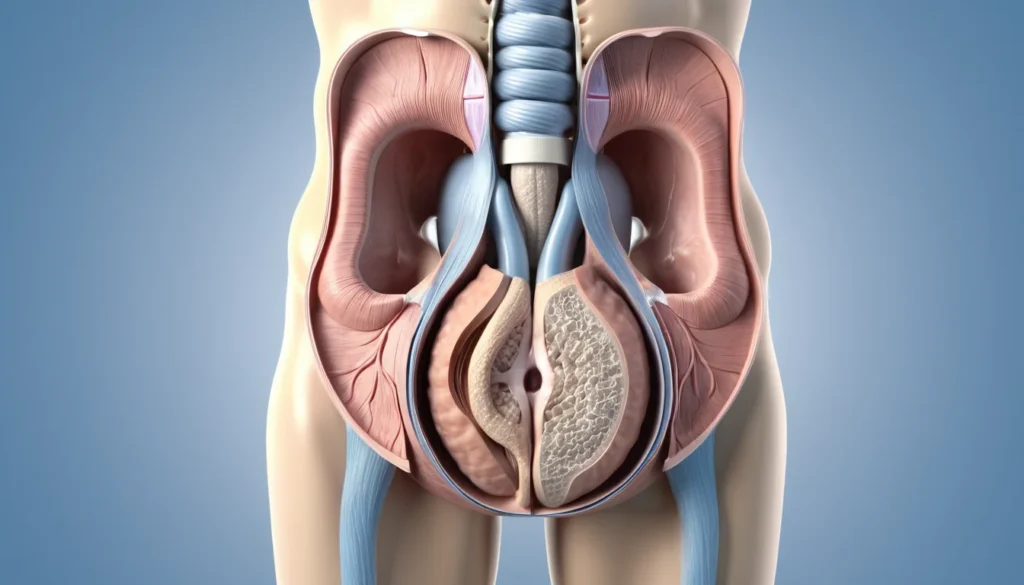
The male reproductive system has one main job: to produce, store, and deliver sperm. It also produces hormones like testosterone, which plays a key role in overall health.
The system includes external structures — the penis, scrotum, and testicles. It also includes internal organs such as the vas deferens, urethra, seminal vesicles, prostate gland, and Cowper’s glands. All of these parts work together.
When something goes wrong with any part of this system, it can affect fertility, sexual function, and general wellbeing. Therefore, understanding the signs of common problems is an important part of men’s health.
Peyronie’s Disease: Abnormal Penile Curvature
Some degree of curve in the penis is normal. However, an abnormal or painful curve can be a sign of Peyronie’s disease. This condition happens when scar tissue forms under the skin inside the erectile tissue of the penis.
The scar tissue forces the penis to bend — upward, downward, or to one side. This can make sex painful or even impossible. Many men feel embarrassed about this condition, which can also lead to anxiety and relationship difficulties.
What Causes Peyronie’s Disease?
The most common cause is physical trauma to the penis. This can happen during vigorous sex or a sports injury. In rare cases, Peyronie’s disease runs in families. It most often affects men between 40 and 60 years of age.
In addition, about 30% of men with Peyronie’s disease also develop Dupuytren’s contracture — an abnormal thickening of tissue in the palm of the hand. This suggests a shared connective tissue problem.
Penile curvature can also signal vasculitis, which is inflammation of the blood vessel walls. For this reason, it is important to get any new or worsening curve checked by a healthcare provider.
Treatment Options
Sometimes Peyronie’s disease goes away on its own over time. However, if the condition causes pain or makes sex difficult, surgery may be recommended. Your family doctor can refer you to a urologist through your provincial health plan. Early assessment leads to better outcomes.
Priapism: A Prolonged Erection That Needs Medical Attention
A prolonged erection lasting more than four hours — without sexual stimulation — is a medical emergency called priapism. Despite how it sounds, priapism is not pleasurable. It is painful, and it can permanently damage the penis if left untreated.
Priapism is more common in men with sickle cell disease. Studies suggest that up to 42% of men with sickle cell disease will experience priapism at some point in their lives. It can also occur as a reaction to a black widow spider bite, along with severe muscle cramps.
What Triggers Priapism?
Several medications can trigger priapism as a side effect. These include certain antipsychotics, antidepressants, and blood pressure medications. In addition, erectile dysfunction drugs — such as sildenafil (Viagra), tadalafil (Cialis), and vardenafil (Levitra) — carry this risk, though it is uncommon.
Priapism can also result from substance use, including alcohol, marijuana, or cocaine. Carbon monoxide poisoning and failed penile surgery are other known causes. Furthermore, it can be an early symptom of leukaemia or malaria, though these are rare.
Why You Must Act Quickly
If an erection lasts more than four hours, go to your nearest emergency department immediately. Do not wait. Untreated priapism can cause permanent scarring and erectile dysfunction. This is a true medical emergency, and Canadian emergency departments are equipped to treat it. You can read more about priapism from the Mayo Clinic’s guide to priapism.
Male Genital Health: Penile Skin Changes to Watch For
Changes in the skin of the penis should never be ignored. Red or purple sores or ulcers on the surface of the penis can be an early sign of penile cancer. This is a rare form of skin cancer, but it is treatable when found early.
As penile cancer progresses, other symptoms may appear. These include red rashes, foul-smelling discharge, or bleeding from the skin. Any of these signs should prompt a visit to your doctor.
Who Is at Higher Risk?
Men who carry the human papillomavirus (HPV) face a significantly higher risk of developing penile cancer. HPV is one of the most common sexually transmitted infections in Canada. The Health Canada HPV immunisation programme offers vaccination that can reduce this risk.
Other risk factors include smoking, having HIV/AIDS, or having received ultraviolet light therapy combined with the drug psoralen as a treatment for psoriasis. If any of these apply to you, discuss your risk with your family doctor.
Scrotal Swelling and What It Might Mean
Finding a lump or swelling inside the scrotum is understandably alarming. However, not all scrotal swellings are dangerous. Knowing the common causes can help you respond appropriately.
Varicocele: Varicose Veins of the Testicle
A varicocele is a cluster of enlarged veins around the testicle — similar to varicose veins in the leg. It usually affects the left testicle. The swelling is more noticeable when standing and may seem to shrink when lying down.
Some men describe the feeling as carrying “a bag of worms” inside the scrotum. Varicoceles affect about 20% of men and most commonly appear between the ages of 15 and 25.
Varicoceles can raise the temperature inside the testicle, which may reduce sperm production. As a result, approximately 40% of men with varicoceles also experience infertility. Treatment is available and effective.
Hydrocele: Fluid Around the Testicle
A hydrocele is a painless collection of fluid that surrounds the testicle. It causes the scrotum to appear swollen or enlarged. Hydroceles are common in newborns and usually resolve on their own. In adult men, they may develop after an injury or infection.
Most hydroceles are harmless. However, any new scrotal swelling in an adult man should be evaluated by a doctor to rule out other causes, including testicular cancer. Healthline’s overview of hydrocele provides helpful additional information.
Other Common Male Genital Health Concerns
Balanitis: Inflammation of the Glans
Balanitis is inflammation of the glans — the head of the penis. It can cause redness, swelling, itching, and discharge. It is more common in men who are uncircumcised. Poor hygiene, skin conditions, or infections (including yeast infections) can all cause balanitis.
Treatment depends on the cause. Antifungal creams, antibiotics, or improved hygiene habits may be recommended. Your family doctor or a walk-in clinic can diagnose and treat balanitis quickly.
Hematospermia: Blood in Semen
Seeing blood in semen — a condition called hematospermia — is alarming, but it is rarely a sign of something serious. It is most often caused by inflammation or infection of the prostate or seminal vesicles. Vigorous sexual activity or a prostate biopsy can also cause it.
In most cases, hematospermia resolves on its own within a few weeks. However, if it persists or occurs alongside other symptoms, see your doctor. Persistent cases may require investigation to rule out other conditions.
Urethral Discharge
Any unusual discharge from the penis — especially if it is coloured, has an odour, or causes burning — should be assessed promptly. This is often a sign of a sexually transmitted infection (STI) such as gonorrhoea or chlamydia. Both are treatable with antibiotics when caught early.
Free STI testing is available through many provincial health programmes across Canada. You can access this through your family doctor, a sexual health clinic, or a walk-in clinic — no referral is usually needed.
When to See a Doctor
Many men put off seeking help for genital health concerns due to embarrassment. However, early assessment almost always leads to better outcomes. Do not delay if you notice any of the following:
An erection lasting more than four hours — go to the emergency department immediately
Any new lump, swelling, or pain in the scrotum or testicles
Sores, rashes, or skin changes on the penis
Blood in the urine or semen
Unusual penile discharge or burning during urination
A painful or increasing curve in the penis
Your family doctor is your first point of contact for most of these concerns. If you do not have a family doctor, a walk-in clinic can assess many of these conditions and refer you to a specialist such as a urologist when needed. Most provinces cover urological consultations under their provincial health plans.
Always consult a qualified healthcare provider before drawing conclusions about your symptoms. This article is for informational purposes only and does not replace professional medical advice.
Frequently Asked Questions About Male Genital Health
What are the most common male genital health problems?
The most common male genital health conditions include Peyronie’s disease, priapism, varicocele, balanitis, and penile skin changes. STIs such as chlamydia and gonorrhoea are also very common. Most of these conditions are treatable, especially when caught early.
Is a curved penis a sign of a serious problem?
A slight natural curve in the penis is normal and not a cause for concern. However, if the curve is new, getting worse, or causing pain during sex, it may be a sign of Peyronie’s disease. See your family doctor or visit a walk-in clinic for an assessment.
How long is too long for an erection?
An erection lasting more than four hours without sexual stimulation is a medical emergency called priapism. It requires immediate treatment at an emergency department to prevent permanent damage. Do not wait to seek help if this happens.
Can HPV cause penile cancer?
Yes. HPV (human papillomavirus) is one of the leading risk factors for penile cancer. Men with HPV have a significantly higher risk than those without the virus. Canada’s HPV vaccination programme can help reduce this risk — ask your doctor if you are eligible.
What does a lump in the scrotum mean?
A lump in the scrotum can have several causes, including varicocele, hydrocele, cyst, or — in some cases — testicular cancer. Not all lumps are dangerous, but any new scrotal lump should be examined by a doctor as soon as possible. Early detection makes a significant difference in outcomes.
Should I be worried about blood in my semen?
Blood in semen (hematospermia) is usually not a sign of a serious condition and often clears up on its own within a few weeks. However, if it happens repeatedly or comes with other symptoms, it is important to speak with your doctor. Good male genital health means getting checked rather than guessing.
Key Takeaways
Male genital health conditions are common, varied, and often very treatable.
Peyronie’s disease causes abnormal penile curvature due to internal scar tissue — surgery may be needed in some cases.
Priapism is a medical emergency. An erection lasting over four hours requires immediate emergency care.
Skin changes on the penis — especially sores or rashes — should be assessed promptly, as they can signal penile cancer or STIs.
Scrotal swelling is often caused by varicocele or hydrocele, but always needs a medical evaluation.
Blood in semen or unusual discharge are signs to bring to your family doctor or walk-in clinic.
Most conditions are covered under provincial health plans — do not let cost be a barrier to seeking care.
Always speak with a qualified healthcare provider about your symptoms. This article does not replace a medical diagnosis.