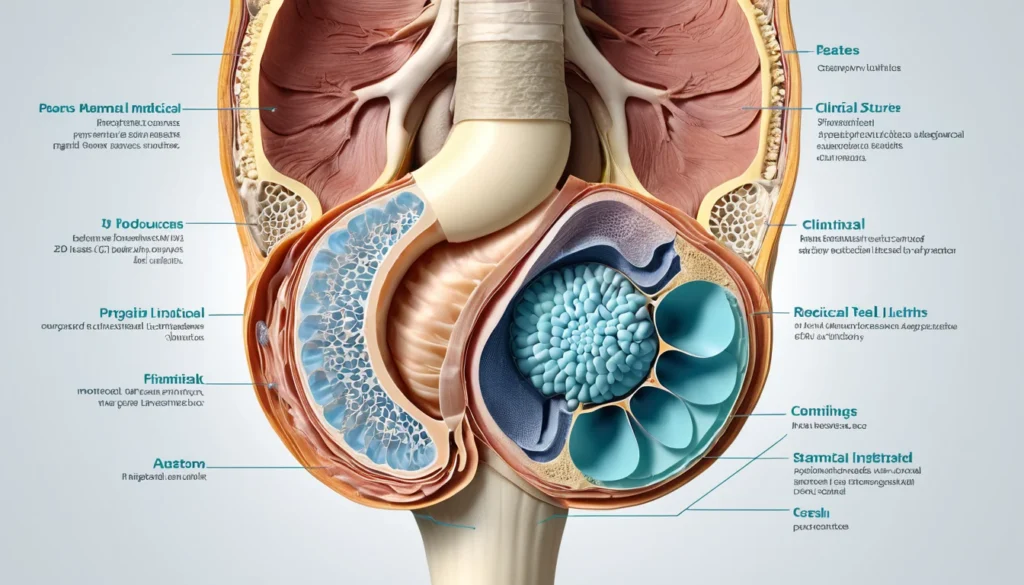
Male genital health covers a wide range of conditions that can affect men at any age. Some are minor and heal on their own. Others are medical emergencies that need immediate care. This guide explains the most common conditions, their symptoms, and when to seek help from your family doctor or a walk-in clinic.
Injuries and Trauma to the Male Genitals
Because of their location, male genitals are at risk of injury during everyday activities. Sports like soccer and cycling are common causes. Workplace exposure to harsh chemicals and falls can also cause damage.
Most minor injuries cause intense pain that fades on its own. However, certain signs mean you need medical attention right away.
When Trauma Becomes Serious
See a doctor immediately if you notice any of these after a genital injury:
Swelling that does not go down within a few hours
Bruising or black-and-blue discolouration around the scrotum or penis
Persistent or worsening pain that does not improve with rest
Itching or a rash that appears after chemical exposure
Minor injuries and uncomplicated conditions do not usually require a hospital stay. Your family doctor can manage most cases. However, complicated injuries with significant swelling or bruising need urgent evaluation.
Male Genital Health: Non-Traumatic Conditions
Not all male genital health problems come from injuries. Many conditions develop on their own, due to anatomy, genetics, or changes in blood flow. Here are the most important ones to know about.
Testicular Cancer
Testicular cancer is the most common cancer in men between the ages of 15 and 35. It appears about four times more often in white men than in men of other ethnic backgrounds, though the reasons for this are not fully understood.
Not every change in the scrotum or testicles means cancer. Benign (non-cancerous) lumps are also common. However, you should always have any new lump or change checked by a doctor.
Key symptoms of testicular cancer include:
A lump or swelling in one or both testicles
A feeling of heaviness or discomfort in the scrotum
A dull ache in the lower abdomen or groin
Pain that gets worse when the area is touched
For more information, visit the Health Canada official health resources page.
Erectile Dysfunction and Priapism
Erection problems fall into two main categories. Understanding the difference matters, because one is a long-term concern and the other is a medical emergency.
Erectile dysfunction (ED) is the inability to get or keep an erection firm enough for sex. In most cases, reduced blood flow to the penis is the cause. ED is very common and very treatable. Your family doctor is a great first step.
Priapism is the opposite problem. The penis stays erect for a long time without sexual stimulation and does not return to its normal state. This is extremely painful and is a medical emergency. Go to your nearest emergency room right away if this happens.
Testicular Torsion
Testicular torsion happens when the testicle twists around the spermatic cord. This cuts off blood supply to the testicle. It is a medical emergency.
If treated within four to six hours, doctors can usually save the testicle and restore full function. After that window, the risk of permanently losing the testicle increases significantly. Do not wait. Go to an emergency room immediately if you feel sudden, severe pain in one testicle.
Scrotal Conditions: Hydrocele and Varicocele
Two common scrotal conditions affect male genital health but are usually not dangerous.
A hydrocele is a buildup of fluid around one or both testicles. It causes the scrotum to look swollen or enlarged. It is generally painless. In newborns, it often resolves on its own. In adults, it may require minor surgery.
A varicocele is an enlargement of the veins inside the scrotum, similar to varicose veins in the legs. Varicoceles can sometimes affect fertility. Treatment is surgical and straightforward. Most men recover fully without lasting effects.
Foreskin Problems (In Uncircumcised Men)
Two conditions can affect the foreskin of an uncircumcised penis.
Phimosis is when the foreskin is too tight to be pulled back over the head of the penis. It can be painful and sometimes impossible to retract. Treatment options range from steroid creams to circumcision, depending on severity.
Paraphimosis is a more serious condition. It happens when the foreskin, once pulled back, cannot return to its normal position. It traps and squeezes the head of the penis. This is a medical emergency. Get help right away if this occurs.
Hypospadias
Hypospadias is a birth defect where the opening of the urethra (the tube that carries urine out of the body) is not at the tip of the penis. Instead, it may be located on the underside of the penis, in the middle, or near the base where the penis meets the scrotum.
This condition is present from birth and is usually corrected with surgery during early childhood. Most boys go on to have completely normal urinary and sexual function after treatment.
Undescended Testicle (Cryptorchidism)
Before birth, testicles develop inside the abdomen. They normally move down into the scrotum before a baby is born. In some boys, one or both testicles do not complete this journey. This is called cryptorchidism, or undescended testicle.
The scrotum provides a cooler temperature that the testicles need to function properly. If a testicle stays in the abdomen, it cannot work as it should. Furthermore, an undescended testicle significantly raises the risk of testicular cancer later in life. For this reason, early diagnosis and treatment are very important. Surgery is typically done in the first year of life.
Inguinal Hernia
An inguinal hernia occurs when part of the intestine pushes through a weak spot in the abdominal muscles into the groin area. You may notice a bulge in your groin or scrotum that becomes more visible when you cough, sneeze, strain, or lift something heavy.
Inguinal hernias are very common in men. They do not always cause pain, but they do not go away on their own. Surgery is the standard treatment. Your provincial health plan may cover this procedure. Ask your family doctor for a referral.
Kidney Stones
Kidney stones form when minerals like calcium, magnesium, or phosphorus build up and crystallize inside the kidneys. Calcium-based stones are the most common type.
Stones that stay in place often cause no symptoms at all. However, when a stone moves through the urinary tract, it causes renal colic — a severe, sharp pain that comes in waves. The pain typically radiates from the back down to the groin. It can be one of the most intense pains a person experiences. Learn more about kidney stones from the Mayo Clinic.
Sebaceous Cysts on the Scrotum
A sebaceous cyst is a small, raised lump filled with a thick, cheesy substance. These cysts can develop on the scrotum when the drainage opening of a sebaceous gland (an oil-producing gland connected to a hair follicle) becomes blocked.
As a result, the gland’s oily secretion builds up under the skin, forming a visible lump. Sebaceous cysts are generally harmless and painless. However, they can become infected. A doctor can remove them with a simple procedure if needed.
Infections Affecting Male Genital Health
Infections are another major category of male genital health concerns. They can affect many different parts of the genital and urinary system.
Types of Genital Infections
Common infection sites include:
Testicles — orchitis (infection or inflammation of the testicles)
Epididymis — epididymitis (infection of the tube that carries sperm from the testicle)
Urethra — urethritis (infection of the tube that carries urine out of the body)
Bladder — cystitis (bladder infection, less common in men than in women)
Hair follicles — abscesses or boils in the genital area
Entire genital region — Fournier’s gangrene, a rare but life-threatening infection
Genital Itching and Sexually Transmitted Infections
Genital itching (called pruritus) has many possible causes. These include genital herpes, fungal infections, yeast infections (candidiasis), and parasitic infections like scabies.
Importantly, itching can be the first sign of a sexually transmitted infection (STI). If you have had recent sexual contact and develop unexplained itching, stop sexual activity right away and see a doctor. Early treatment protects both you and your partner.
For a broader overview of sexual health and STIs in Canada, the World Health Organization’s STI fact sheet is a reliable resource.
When to See a Doctor
Many male genital health conditions are easy to treat when caught early. However, knowing when to act quickly can make a real difference.
Go to an emergency room immediately if you experience:
Sudden, severe pain in one testicle (possible testicular torsion)
A prolonged, painful erection that will not go away (priapism)
A foreskin that is stuck and cannot be returned to its normal position (paraphimosis)
Severe groin or abdominal pain with a visible bulge (possible strangulated hernia)
Signs of a serious infection: fever, redness, rapid swelling
Book an appointment with your family doctor or visit a walk-in clinic if you notice:
A new lump or swelling in the testicles or scrotum
Unexplained genital itching, rash, or discharge
Ongoing difficulty with erections
Pain during urination
A groin bulge that appears when you cough or strain
Most provincial health plans in Canada cover visits to your family doctor and referrals to specialists for these conditions. Do not let embarrassment stop you from getting care. These are common medical issues that doctors handle every day.
As always, this article is for general information only. Please speak with a qualified healthcare provider for personal medical advice and diagnosis.
Frequently Asked Questions About Male Genital Health
What are the most common male genital health problems?
Common male genital health conditions include testicular cancer, erectile dysfunction, inguinal hernias, varicoceles, hydroceles, and sexually transmitted infections. Many of these are treatable, especially when caught early. Your family doctor is a good first point of contact for any concerns.
What does a lump on the testicle mean?
A lump on or around the testicle can be caused by many things, including a cyst, hydrocele, varicocele, or in some cases, testicular cancer. Not all lumps are dangerous, but any new lump should be checked by a doctor as soon as possible. Early diagnosis leads to much better outcomes.
Is testicular torsion a medical emergency?
Yes, testicular torsion is a medical emergency. It occurs when the testicle twists and cuts off its own blood supply. If treated within four to six hours, the testicle can usually be saved. Go to the nearest emergency room immediately if you feel sudden, severe pain in one testicle.
Can male genital infections be treated?
Yes, most genital infections respond well to treatment when diagnosed early. Bacterial infections are usually treated with antibiotics, while fungal infections like candidiasis require antifungal medication. Protecting your male genital health means seeing a doctor promptly if you notice itching, discharge, pain, or sores.
Does a varicocele affect fertility?
A varicocele can sometimes affect sperm production and quality, which may impact fertility. However, many men with varicoceles have no fertility problems at all. If you are concerned about fertility, speak with your family doctor, who can refer you to a urologist or fertility specialist.
When should a man see a doctor about genital itching?
You should see a doctor if genital itching lasts more than a few days, is accompanied by a rash, sores, or discharge, or follows recent sexual contact. Genital itching can be a sign of an STI or fungal infection, both of which are easily treated when caught early. A walk-in clinic is a convenient option if your family doctor is unavailable.
Key Takeaways
Male genital health includes a broad range of conditions, from injuries to infections to congenital issues. Testicular torsion, priapism, and paraphimosis