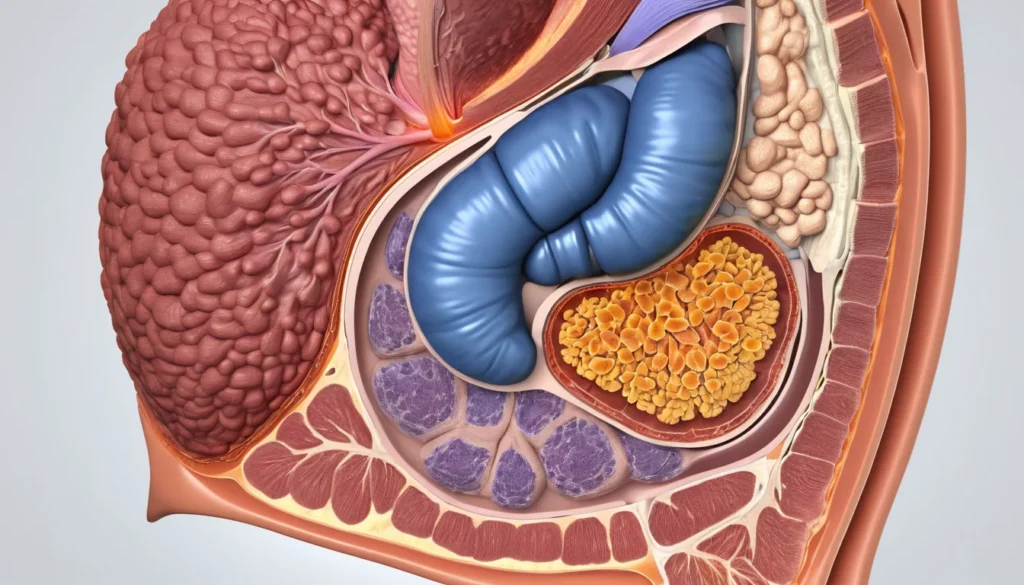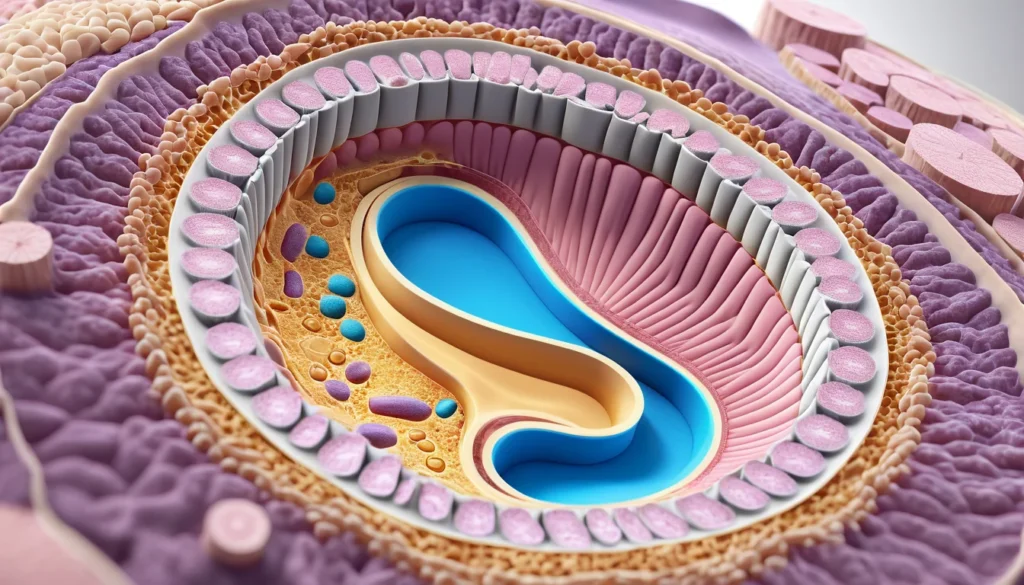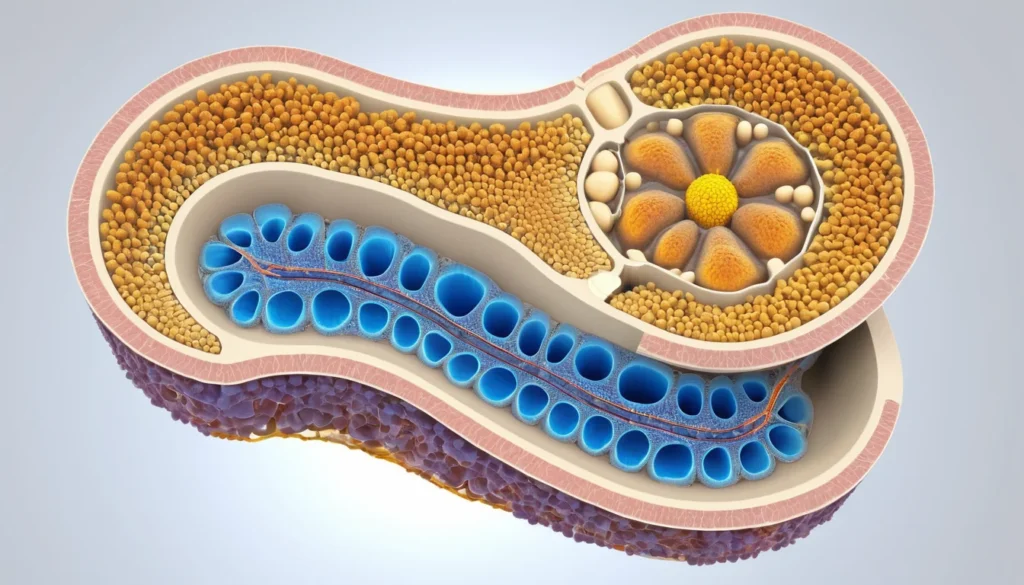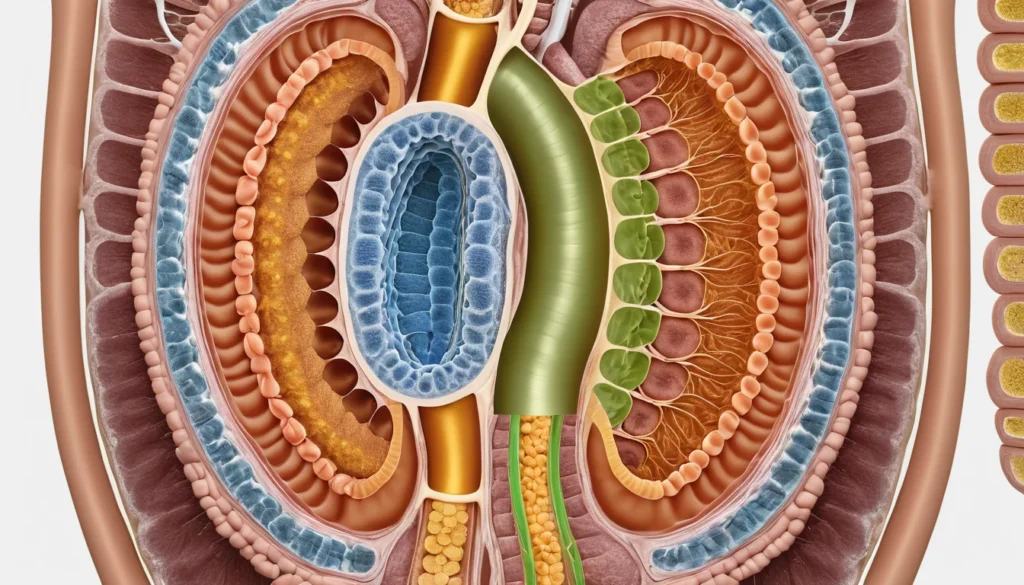
Malabsorption happens when the small intestine cannot properly absorb nutrients from food. This can lead to serious nutritional deficiencies, ongoing digestive problems, and a range of symptoms that affect your whole body. Many Canadians live with this condition without knowing it. This article explains what malabsorption is, what causes it, and how it is diagnosed and treated.
What Is Malabsorption?
Your small intestine does most of the work when it comes to absorbing nutrients. It pulls vitamins, minerals, proteins, fats, and carbohydrates out of the food you eat and delivers them to your bloodstream.
When something interferes with this process, malabsorption occurs. Your body stops getting what it needs, even if you are eating a healthy diet. Over time, this can cause serious health problems throughout the body.
Malabsorption is not a single disease. It is a condition that results from many different underlying causes. Understanding the root cause is key to finding the right treatment. For more background, visit Health Canada’s digestive health resources.
Common Causes of Malabsorption
Many different conditions can disrupt how the small intestine absorbs nutrients. Some are genetic. Others develop over time due to illness, infection, or injury.
Lactose Intolerance
Lactose intolerance is one of the most common causes of malabsorption in Canada. It happens when the body does not produce enough lactase — the enzyme needed to break down the sugar found in milk and dairy products.
Common symptoms include gas, bloating, diarrhoea, and stomach cramps after eating dairy. Many people manage this condition by avoiding dairy or using lactase supplements.
Celiac Disease
Celiac disease is an inherited condition that causes the immune system to react to gluten. Gluten is a protein found in wheat, rye, and barley. When someone with celiac disease eats gluten, the lining of the small intestine becomes damaged.
This damage makes it harder to absorb nutrients. Symptoms include slow growth in children, stomach pain, foul-smelling stools, and difficulty absorbing fats. A doctor can diagnose celiac disease through blood tests and a biopsy of the intestinal lining. The main treatment is a strict gluten-free diet.
Tropical Sprue
Tropical sprue is a relatively rare condition. It is most often seen in people who have spent time in tropical regions. Symptoms include anaemia, weight loss, diarrhoea, and mouth sores. Treatment usually involves a course of antibiotics along with nutritional supplements.
Whipple’s Disease
Whipple’s disease is another rare but serious cause of malabsorption. It tends to affect middle-aged men more than others. Symptoms include severe malabsorption, nutritional deficiencies, chronic low-grade fever, diarrhoea, and joint pain. It requires medical treatment, typically with long-term antibiotics.
Other Causes of Malabsorption
Several other conditions can also interfere with nutrient absorption. These include:
Liver disease — affects the production of bile, which is needed to digest fats
Pancreatic disease — reduces the output of digestive enzymes
Intestinal lymphoma — a type of cancer affecting the intestinal lining
Scleroderma — a connective tissue disease that can affect the gut
Bacterial overgrowth — too many bacteria in the small intestine disrupt normal absorption
Radiation damage — radiation therapy to the abdomen can injure the intestinal lining
Surgical removal of part of the small intestine reduces the absorptive surface area
Certain medications that irritate or damage the gut lining over time
In addition, some parasitic infections can also cause malabsorption. These are more common in people who have recently travelled outside of Canada.
Recognising the Symptoms of Malabsorption
The symptoms of malabsorption can vary widely. They depend on which nutrients the body is failing to absorb. However, several signs appear frequently across different types of malabsorption.
Digestive Symptoms
The most common symptoms are related to digestion. These include frequent loose, watery, or bulky stools that may be pale and foul-smelling. You may also notice bloating, gas, stomach cramps, and a feeling of fullness after eating small amounts.
Foul-smelling or greasy stools are a strong indicator of fat malabsorption. This is known as steatorrhoea. It is one of the key signs doctors look for when investigating malabsorption syndrome.
Systemic and Nutritional Symptoms
Because the body is not getting enough nutrients, symptoms can appear throughout the body. These include:
Unexplained weight loss despite eating normally
Fatigue and low energy
Muscle cramps and weakness
Bone and joint pain
Slow growth or short stature in children
Mouth sores (canker sores)
Skin rashes
Difficulty seeing in low light (due to vitamin A deficiency)
Infertility
Pale or anaemic appearance
Furthermore, malabsorption can also affect mental and emotional health. Some people experience feelings of anxiety or depression linked to long-term nutritional deficiencies.
How Malabsorption Is Diagnosed
A doctor may suspect malabsorption when a patient has chronic diarrhoea, significant weight loss, and nutritional deficiencies — even while eating a balanced diet. Diagnosing malabsorption often requires several tests.
It is worth noting that malabsorption can be harder to recognise in older adults. Symptoms may be more subtle or attributed to other conditions. This makes regular check-ups with your family doctor especially important.
Stool Tests
The most reliable test for fat malabsorption involves collecting stool samples over two to three days. Lab staff then measure the amount of fat present. If a single day’s stool contains more than 7 grams of fat, this strongly suggests malabsorption.
Stool samples are also examined visually and under a microscope. Undigested food particles in the stool suggest that food is moving too quickly through the intestines. In some cases, stool tests reveal parasites or parasite eggs, pointing to an infectious cause.
Blood and Breath Tests
Blood tests can detect low levels of specific nutrients, such as vitamin B12, iron, calcium, and folate. These results help identify the type and severity of malabsorption.
Breath tests are sometimes used to check for lactose intolerance or bacterial overgrowth. These are non-invasive and easy to perform at many diagnostic centres across Canada.
Endoscopy and Biopsy
In some cases, a doctor may recommend an endoscopy. A thin, flexible tube with a light and a small clamp at the end is passed through the mouth and into the small intestine. The doctor then takes a tiny tissue sample (biopsy) to look for abnormalities in the intestinal lining.
This procedure is important for diagnosing conditions like celiac disease, where the intestinal lining shows specific patterns of damage. Learn more about diagnostic procedures at the Mayo Clinic’s malabsorption overview.
Pancreatic Function Tests
If the doctor suspects the pancreas is not producing enough digestive enzymes, further testing may be needed. In one type of test, the patient swallows a substance that interacts with pancreatic enzymes. The by-products are then measured in the urine. These tests can be more complex and time-consuming, but they provide important diagnostic information.
Treatment Options for Malabsorption
Treating malabsorption starts with identifying and addressing the underlying cause. There is no single treatment that works for every type. However, most treatment plans share a few key elements.
Dietary Changes
For many people, changing what they eat makes a significant difference. For example, people with celiac disease must eliminate all gluten from their diet. Those with lactose intolerance may need to avoid or reduce dairy products.
A registered dietitian can help you build a meal plan that meets your nutritional needs while managing your condition. Many provincial health plans in Canada cover dietitian visits when referred by a family doctor. Ask your doctor whether this service is available to you.
Medications
Depending on the cause, your doctor may prescribe medications such as:
Antibiotics — to treat bacterial overgrowth or infections like Whipple’s disease
Anti-diarrhoeal medications — to help manage frequent loose stools
Enzyme replacement therapy — to supplement digestive enzymes, particularly for pancreatic insufficiency
Nutritional supplements — including vitamins, minerals, or electrolyte replacement
Hydration and Hospital Care
Staying well-hydrated is essential for anyone with malabsorption. In severe cases, diarrhoea can lead to dangerous dehydration and electrolyte imbalances. Hospitalisation may be needed in these situations. Intravenous fluids and nutrients can be given until the patient stabilises.
Surgery
In certain cases, surgery may be necessary. This is most often the case when a structural problem, tumour, or damaged section of intestine is causing the malabsorption. Your specialist will discuss whether surgery is appropriate for your situation. For additional information on treatment approaches, see Healthline’s guide to malabsorption treatment.
When to See a Doctor
You should speak with your family doctor if you notice ongoing digestive symptoms, unexplained weight loss, or signs of nutritional deficiency. These symptoms should never be ignored, especially if they persist for more than a few weeks.
If you do not have a family doctor, a walk-in clinic can be a good first step. A clinic doctor can order basic blood and stool tests and refer you to a gastroenterologist (a digestive specialist) if needed. Most provincial health plans cover these referrals.
Malabsorption can be more difficult to recognise in older adults, so it is especially important for seniors to raise any new or unusual digestive symptoms with their healthcare provider promptly.
Always consult a qualified healthcare provider before making changes to your diet or starting any new treatment. This article is for informational purposes only and does not replace professional medical advice.
Frequently Asked Questions About Malabsorption
What are the most common signs of malabsorption?
The most common signs of malabsorption include frequent loose or greasy stools, unexplained weight loss, bloating, and fatigue. You may also notice nutritional deficiency symptoms such as muscle cramps, bone pain, or mouth sores. If these symptoms persist, it is important to speak with your family doctor.
What diseases cause malabsorption syndrome?
Several diseases can cause malabsorption syndrome, including celiac disease, lactose intolerance, Crohn’s disease, Whipple’s disease, and pancreatic insufficiency. Liver disease, intestinal infections, and bacterial overgrowth are also common causes. A doctor can help identify the specific condition through testing.
How is malabsorption diagnosed in Canada?
Malabsorption is typically diagnosed through a combination of stool tests, blood tests, breath tests, and sometimes an endoscopy with biopsy. Your family doctor or a gastroenterologist will recommend the appropriate tests based on your symptoms. Most of these tests are covered under provincial health plans.
Can malabsorption be cured?
Whether malabsorption can be cured depends on the underlying cause. For example, celiac disease is managed — not cured — through a strict gluten-free diet. Bacterial overgrowth may resolve with antibiotics. Working closely with your doctor gives you the best chance of managing your symptoms effectively.
What foods should you avoid if you have malabsorption?
The foods to avoid with malabsorption depend on the cause. People with celiac disease must avoid gluten, while those with lactose intolerance need to limit or avoid dairy products. A registered dietitian can help you create a personalised eating plan that supports nutrient absorption and overall health.
Is malabsorption serious?
Yes, malabsorption can be serious if left untreated. Long-term nutritional deficiencies can lead to bone loss, anaemia, weakened immunity, and developmental delays in children. However, with proper diagnosis and treatment, most people with malabsorption are able to manage their condition and maintain a good quality of life.
Key Takeaways
Malabsorption occurs when the small intestine cannot properly absorb nutrients from food. Common causes include celiac disease, lactose intolerance, pancreatic disease, and intestinal infections. Symptoms range from digestive issues like greasy stools and bloating to systemic signs like fatigue, bone pain, and weight loss. Diagnosis involves stool tests, blood tests, and sometimes endoscopy or biopsy. Treatment depends on the underlying cause and may include dietary changes, medications, enzyme replacement, and nutritional support.