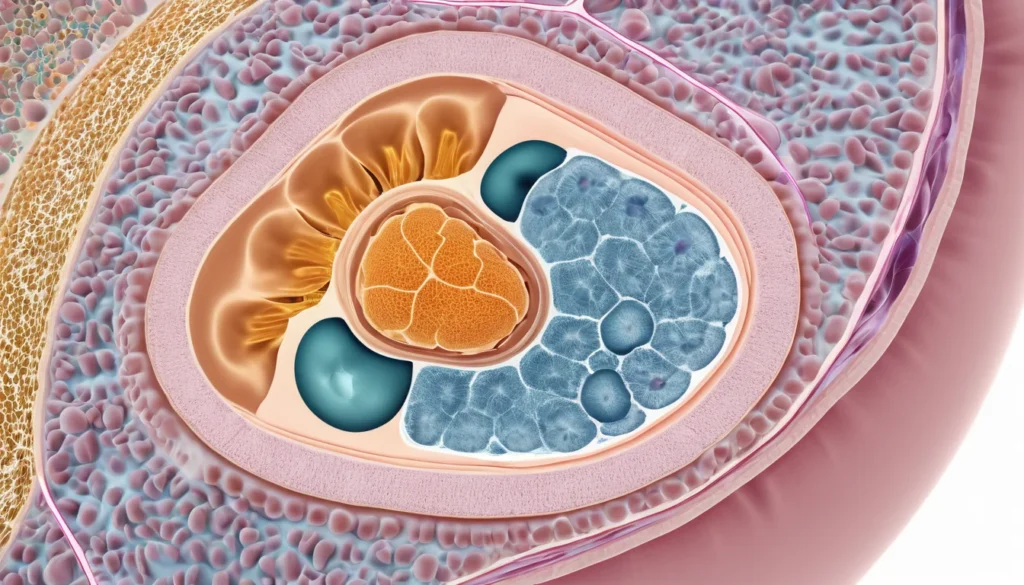
Lynch syndrome is a rare, inherited condition that significantly raises a person’s risk of developing colon cancer and several other types of cancer. It is one of the most common hereditary cancer syndromes, responsible for roughly 3% of all colon cancer cases. Understanding Lynch syndrome — including its causes, symptoms, and available tests — can help Canadians take early action to protect their health.
What Is Lynch Syndrome?
Lynch syndrome was formerly known as hereditary non-polyposis colorectal cancer (HNPCC). Doctors now use the term Lynch syndrome to better reflect how it affects the whole body, not just the colon.
Several inherited conditions can increase the risk of colon cancer. However, Lynch syndrome is the most common among them. In families where Lynch syndrome is present, colon cancer tends to appear at a younger age than usual — often before age 45.
According to Mayo Clinic’s overview of Lynch syndrome, people with this condition also face a higher risk of cancers beyond the colon, including endometrial, ovarian, and stomach cancers.
Symptoms and Warning Signs of Lynch Syndrome
Lynch syndrome itself does not always cause obvious symptoms on its own. Instead, doctors look for certain patterns that suggest the condition may be present in a family.
Key Warning Signs to Watch For
Your doctor may suspect Lynch syndrome if any of the following apply to you or your family:
Colon cancer develops before age 45
Multiple family members have been diagnosed with colorectal or endometrial cancer
Cancer has appeared in several generations of your family
Family members were diagnosed with cancer at a younger-than-average age
There is a family history of ovarian, stomach, small intestine, kidney, pancreatic, or brain cancer
Family members have had tumours of the sebaceous glands in the skin
These patterns do not confirm Lynch syndrome on their own. However, they are important signals that genetic testing may be worth exploring.
Causes of Lynch Syndrome
Lynch syndrome is caused by inherited changes, called mutations, in specific genes. These genes are normally responsible for finding and fixing errors in your DNA. Think of them as your body’s built-in spell-checkers for genetic code.
How Lynch Syndrome Is Inherited
Lynch syndrome follows an autosomal dominant inheritance pattern. This means that if one parent carries the faulty gene, each child has a 50% chance of inheriting it. The risk is the same whether the carrier is the mother or the father, and whether the child is a boy or a girl.
When these repair genes are mutated, small errors in DNA are not corrected. Over time, these errors build up inside cells. As a result, the cells can grow out of control and become cancerous.
It is important to understand that inheriting the gene mutation does not guarantee you will develop cancer. It does, however, mean your risk is considerably higher than average. For more background on how inherited gene mutations work, visit Health Canada’s health information resources.
Diagnosis: How Lynch Syndrome Is Identified
If your doctor suspects Lynch syndrome, they will start by reviewing your personal and family medical history. From there, they may recommend one or more tests to get a clearer picture.
Family History Review
Your doctor will ask about cancer diagnoses in your family — particularly colorectal and endometrial cancer. They will want to know how many relatives were affected and at what ages they were diagnosed. This information helps identify patterns that are consistent with Lynch syndrome.
Tumour Testing
If you or a family member has already been diagnosed with cancer, doctors can test the tumour itself for signs of Lynch syndrome. Two common methods are used:
Immunohistochemistry (IHC): This test uses special dyes on tumour tissue samples. The presence or absence of colour in the tissue shows whether certain proteins are missing. Missing proteins can signal that Lynch syndrome genes triggered the cancer.
Microsatellite instability (MSI) testing: Microsatellites are small, repeating sequences of DNA. People with Lynch syndrome often show errors or instability in these sequences. About 15% of people with colon cancer test positive for MSI — but most of these cases are not caused by Lynch syndrome. Further testing can clarify the cause.
A positive tumour test result suggests that Lynch syndrome genes may be involved. However, it does not confirm the diagnosis on its own. In Lynch syndrome, the gene changes are present in every cell in the body — not just in the cancer cells.
Genetic Blood Testing
Genetic testing uses a blood sample to look directly for mutations in the genes linked to Lynch syndrome. This is currently the most definitive way to confirm a diagnosis.
Test results can come back in three ways:
Positive: A gene mutation was found. This does not mean cancer is certain, but it does mean your risk is significantly elevated. Your doctor will guide you on a monitoring and prevention plan.
Negative: No mutation was found. This is reassuring, but it does not eliminate all cancer risk. Regular screening is still important.
Uncertain (variant of unknown significance): A gene change was found, but it is not yet clear whether it raises cancer risk. Follow-up may be needed over time.
Genetic counselling is strongly recommended before and after testing. A genetic counsellor can help you understand what results mean for you and your family members.
When to See a Doctor About Lynch Syndrome
You should speak with your family doctor or visit a walk-in clinic if you have any concerns about your family’s cancer history. Early conversations can make a real difference.
In particular, book an appointment if:
A close relative has been diagnosed with Lynch syndrome
Multiple family members have had colorectal or endometrial cancer
Cancer appeared in your family at an unusually young age
You are unsure whether your family history puts you at higher risk
Your family doctor can refer you to a genetics specialist or a hereditary cancer programme through your provincial health plan. In Ontario, for example, referrals can be made to hereditary cancer clinics covered under OHIP. Similar programmes exist across other provinces and territories.
If you do not have a family doctor, a walk-in clinic can still help you get a referral or connect you with appropriate screening resources. Always consult a qualified healthcare provider before making any decisions about genetic testing or cancer screening.
Managing Lynch Syndrome: Screening and Prevention
A Lynch syndrome diagnosis is not a reason to panic. With the right monitoring plan, many cancers can be caught early — or even prevented. Your healthcare team will work with you to build a plan based on your specific gene mutation and family history.
Common Screening Recommendations
People with Lynch syndrome are typically advised to begin cancer screening earlier and more frequently than the general population. Common recommendations include:
Colonoscopy: Usually recommended every one to two years, starting between ages 20 and 25
Endometrial and ovarian cancer screening: Recommended for women with Lynch syndrome, often starting around age 30 to 35
Other cancer screenings: Depending on your specific gene mutation, your doctor may also recommend monitoring for stomach, urinary tract, or other cancers
Furthermore, some people with Lynch syndrome choose to discuss preventive surgeries with their doctors. These decisions are deeply personal and should always involve thorough conversations with your medical team and a genetic counsellor.
Lifestyle Factors
While genetics play a major role in Lynch syndrome, healthy lifestyle choices can still support your overall cancer risk management. Eating a diet rich in fibre, maintaining a healthy weight, avoiding smoking, and limiting alcohol are all behaviours that support colon health.
For more information on cancer risk reduction strategies, visit Healthline’s guide to Lynch syndrome.
Frequently Asked Questions About Lynch Syndrome
What cancers are associated with Lynch syndrome?
Lynch syndrome most commonly raises the risk of colorectal and endometrial (uterine) cancer. However, it is also linked to increased risk of ovarian, stomach, small intestine, kidney, pancreatic, brain, and certain skin cancers. Your specific gene mutation determines which cancers pose the greatest risk for you.
How is Lynch syndrome inherited?
Lynch syndrome is inherited in an autosomal dominant pattern. This means that if one parent carries the gene mutation, each child has a 50% chance of inheriting it. The risk is the same regardless of whether the carrying parent is the mother or the father.
Does having Lynch syndrome mean I will definitely get cancer?
No — having Lynch syndrome means your risk of developing certain cancers is significantly higher than average, but it does not guarantee that cancer will develop. With regular screening and close monitoring, many cancers linked to Lynch syndrome can be caught very early or even prevented. Talk to your doctor about a personalised surveillance plan.
How is Lynch syndrome diagnosed in Canada?
In Canada, Lynch syndrome is typically diagnosed through a combination of family history review, tumour testing, and genetic blood testing. Your family doctor can refer you to a genetics specialist or a hereditary cancer programme covered under your provincial health plan. Genetic counselling is an important part of the process.
At what age should colonoscopy screening start for Lynch syndrome?
People with Lynch syndrome are generally advised to begin colonoscopy screening between ages 20 and 25, or two to five years before the youngest cancer diagnosis in their family — whichever comes first. Colonoscopies are usually recommended every one to two years. Your doctor will tailor this schedule to your specific situation.
Is genetic testing for Lynch syndrome covered in Canada?
Coverage for Lynch syndrome genetic testing varies by province and territory. In many cases, testing is covered under provincial health plans when ordered by a physician and supported by a significant family or personal history of associated cancers. Ask your family doctor or a genetic counsellor about what is available in your province.
Key Takeaways
Lynch syndrome is the most common inherited syndrome linked to colon and other cancers.
It is caused by inherited mutations in DNA repair genes and follows a 50% inheritance risk per child.
Warning signs include early-onset colon cancer and multiple family members affected by related cancers.
Diagnosis involves family history review, tumour testing, and genetic blood testing.
A positive genetic test does not mean cancer is certain — it means closer monitoring is needed.
Screening programmes and preventive options are available through provincial health plans across Canada.
If you have concerns about your family history, speak with your family doctor or visit a walk-in clinic for a referral.
This article is for informational purposes only and does not replace professional medical advice. Always consult your family doctor or a qualified healthcare provider if you have questions about Lynch syndrome, genetic testing, or your personal cancer risk.