Lymphogranuloma venereum (LGV) is a sexually transmitted infection (STI) caused by specific strains of the bacterium Chlamydia trachomatis. While it is most common in tropical regions of Asia and Africa, cases do appear in Canada — especially among men who have sex with men. Understanding its symptoms early can make a real difference in recovery and preventing serious complications.
What Is Lymphogranuloma Venereum?
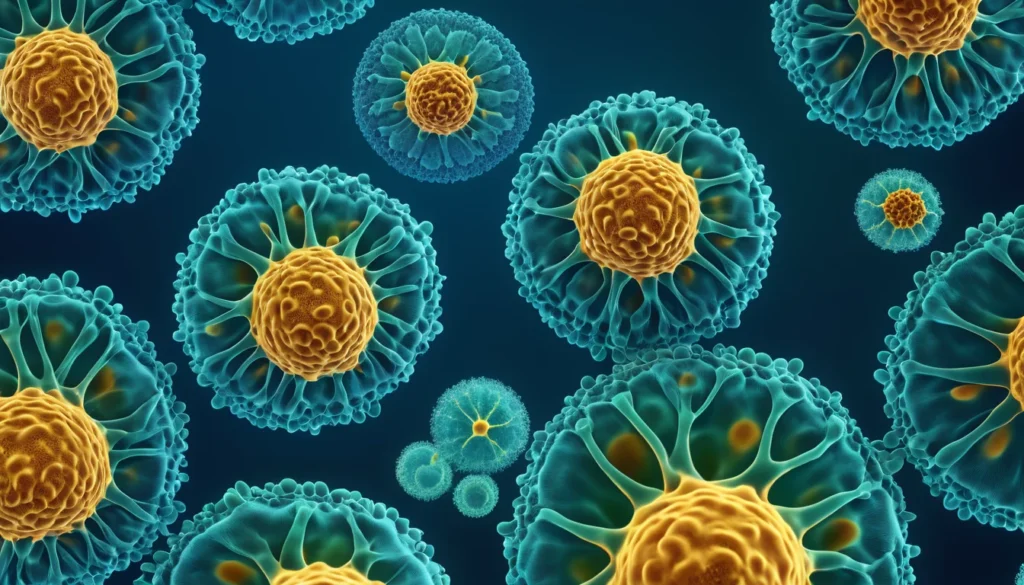
Lymphogranuloma venereum is caused by serovariants L1, L2, and L3 of Chlamydia trachomatis. These strains are different from the ones that cause common chlamydia infections. They are more aggressive and can spread into the lymphatic system — the network of vessels and nodes that helps fight infection.
LGV is far more common in men than in women, with roughly a 6-to-1 ratio. The age group most often affected is 23 to 30 years old. However, anyone who is sexually active can be at risk, regardless of age or gender.
In Canada, LGV is considered a rare infection. However, Health Canada monitors STI trends closely, and small outbreaks have been documented in urban centres like Toronto and Vancouver. Knowing what to look for matters.
How Does Lymphogranuloma Venereum Spread?
LGV spreads through direct sexual contact with an infected person. This includes vaginal, anal, and oral sex. The infection enters the body through small breaks in the skin or through mucous membranes — the moist tissue lining areas like the genitals and rectum.
Because LGV is an STI, it is important to remember that condoms significantly reduce — but do not completely eliminate — the risk of transmission. Regular STI testing is the best way to protect yourself and your partners. The World Health Organization (WHO) recommends routine STI screening for sexually active individuals.
Lymphogranuloma Venereum Symptoms: What to Watch For
LGV develops in stages. Symptoms can be easy to miss at first, which is part of what makes this infection tricky. Understanding each stage helps you act quickly if something does not feel right.
Stage One: The Initial Sore
The incubation period for LGV ranges from 6 to 21 days after exposure. After that, a small, painless pimple, blister, or sore appears on or near the genitals. In women, this often shows up on the vulva or vagina. In men, it typically appears on the penis, often in the groove behind the head.
The sore can also appear around the anus or in the groin area. Because it is painless, many people do not notice it at all. Furthermore, it often heals on its own within a few days. This is why LGV is so frequently missed at this early, most treatable stage.
Stage Two: Swollen Lymph Nodes
One to three weeks after the initial sore heals, swollen and tender lymph nodes appear in the groin. This is called inguinal lymphadenopathy. In about two-thirds of cases, only one side of the groin is affected.
The skin over the swollen nodes may turn a reddish-purple colour. The nodes can grow into painful abscesses — pockets of pus — that eventually burst open. When they do burst, they often drain through multiple small openings, sometimes described as a “watering-can” pattern. This stage is usually when most people seek medical help.
Additional symptoms in stage two may include:
Abnormal discharge from the genitals
Painful, firm swelling of the vulva (in women)
Pain during sex (called dyspareunia)
Anal pain when sitting, walking, or having a bowel movement
Fever and general feeling of being unwell
Stage Three: Long-Term Complications
If lymphogranuloma venereum goes untreated, it can lead to serious long-term problems. The infection causes scarring and blockages in the lymphatic system. As a result, fluid builds up and causes severe, rubbery swelling of the genitals — a condition called elephantiasis of the vulva.
In addition, scarring can narrow the rectum, making bowel movements painful or even impossible. Vaginal narrowing (vaginal stricture) can also occur, causing ongoing pain during sex. These complications are rare today because of better access to treatment, but they remain a real risk when LGV is left undiagnosed.
How Is Lymphogranuloma Venereum Diagnosed?
Diagnosing LGV requires more than a physical exam. Your doctor will need to confirm which specific strains of Chlamydia trachomatis are present. This is done through laboratory testing, including cell cultures and blood tests called serological tests (specifically, complement fixation tests that identify L1, L2, or L3 serovariants).
However, because LGV symptoms overlap with several other conditions, your doctor will also need to rule out other causes. These include:
Syphilis: Also causes a painless sore and swollen lymph nodes, but later produces a non-itchy skin rash across the body.
Donovanosis (granuloma inguinale): Causes painless, beefy-red ulcers that bleed easily.
Chancroid: Causes painful sores and a single swollen, tender lymph node in the groin.
Tuberculosis: Can cause swollen lymph nodes with irregular, necrotising ulcers.
In some cases — especially when rectal symptoms are present — a biopsy (a small tissue sample) may be needed. This helps rule out rectal cancer, which can sometimes look similar on examination. Mayo Clinic provides helpful background on chlamydia-related infections and how they are differentiated.
Treatment for Lymphogranuloma Venereum in Canada
The good news is that lymphogranuloma venereum responds well to antibiotics when caught early. Treatment typically involves a course of antibiotics taken for 14 to 21 days. The most commonly used options include doxycycline, erythromycin, or tetracyclines. Your doctor will choose the best option based on your health history and any allergies you may have.
Because LGV is an STI, your sexual partner or partners must also be tested and treated — even if they have no symptoms. Treating only one partner leaves both people at risk of reinfection.
In more advanced cases, additional treatment may be needed. For example, a doctor may drain a painful abscess using a needle. In rare cases, surgery may be required to address complications like rectal narrowing or severe vulvar swelling. These procedures would be arranged through a specialist referral from your family doctor.
It is also important to know that any genital sore or ulcer increases your risk of getting or transmitting HIV. Therefore, early diagnosis and treatment of LGV — and any other genital infection — is an important part of HIV prevention as well.
When to See a Doctor
You should see a doctor as soon as possible if you notice any unusual sore, blister, or discharge in the genital or anal area — even if it is painless. Do not wait for it to go away on its own. Early-stage LGV heals quickly on its own, but the infection is still active and progressing inside your body.
In Canada, you have several options for getting help quickly:
Your family doctor: The best starting point for STI testing, diagnosis, and referrals. Most provincial health plans cover STI testing when ordered by a physician.
A walk-in clinic: A good option if you cannot get a timely appointment with your family doctor. Walk-in doctors can order the same tests and start treatment.
A sexual health clinic: Many cities across Canada have dedicated sexual health centres that offer confidential, judgement-free STI testing and treatment. These clinics often have faster access to specialised tests for infections like LGV.
If you develop a fever, severe groin pain, or signs of a spreading infection, seek care urgently — visit an emergency department or urgent care centre right away. Always speak with a healthcare professional before starting or stopping any treatment. This article is for informational purposes only and does not replace personalised medical advice.
Frequently Asked Questions About Lymphogranuloma Venereum
Is lymphogranuloma venereum common in Canada?
Lymphogranuloma venereum is considered a rare STI in Canada. However, small outbreaks have been reported in larger cities, particularly among men who have sex with men. Public health authorities continue to monitor LGV trends across the country.
Can lymphogranuloma venereum be cured?
Yes, lymphogranuloma venereum can be fully cured with a complete course of antibiotics, usually taken for 14 to 21 days. It is important to finish the full course even if symptoms improve early. Your sexual partners must also be tested and treated to prevent reinfection.
What does an LGV sore look like?
An LGV sore typically starts as a small, painless pimple, blister, or shallow ulcer on or near the genitals or anus. Because it does not hurt and heals quickly on its own, many people never notice it. The swollen, painful lymph nodes in the groin that follow are usually what prompt someone to seek medical care.
How is LGV different from regular chlamydia?
Both conditions are caused by Chlamydia trachomatis, but lymphogranuloma venereum is caused by different, more aggressive strains (serovariants L1, L2, L3). Regular chlamydia mainly affects the urethra and cervix, while LGV invades the lymphatic system and can cause far more serious complications if left untreated.
Does a condom protect against lymphogranuloma venereum?
Using a condom consistently and correctly significantly lowers your risk of getting lymphogranuloma venereum and other STIs. However, condoms do not provide complete protection, since LGV can spread through skin contact not covered by a condom. Regular STI testing remains essential for sexually active individuals.
Is LGV testing covered by provincial health plans in Canada?
STI testing ordered by a family doctor or walk-in clinic physician is generally covered under provincial and territorial health plans across Canada. However, coverage details can vary by province. It is always a good idea to check with your local health authority or ask your doctor’s office about what is covered in your area.
Key Takeaways
Lymphogranuloma venereum (LGV) is a rare but serious STI caused by specific strains of Chlamydia trachomatis.
It develops in stages — a painless sore is followed weeks later by painful, swollen lymph nodes in the groin.
Early symptoms are easy to miss, which is why regular STI testing is so important for sexually active Canadians.
LGV is fully treatable with a 14-to-21-day course of antibiotics, but all sexual partners must also be treated.
Untreated LGV can lead to serious complications, including severe genital swelling and rectal scarring.
Any genital ulcer increases your HIV risk — early treatment matters beyond just treating LGV itself.
See your family doctor, a walk-in clinic, or a sexual health centre if you notice any unusual genital sores or groin swelling.
STI testing is generally covered under Canadian provincial health plans when ordered by a physician.