Lymphedema is a condition where fluid builds up under the skin, causing swelling in the arms or legs. It most often affects people who have had lymph nodes removed or damaged during cancer treatment. However, it can also develop on its own, without any clear cause. Understanding lymphedema can help you manage symptoms and protect your quality of life.
What Is Lymphedema?
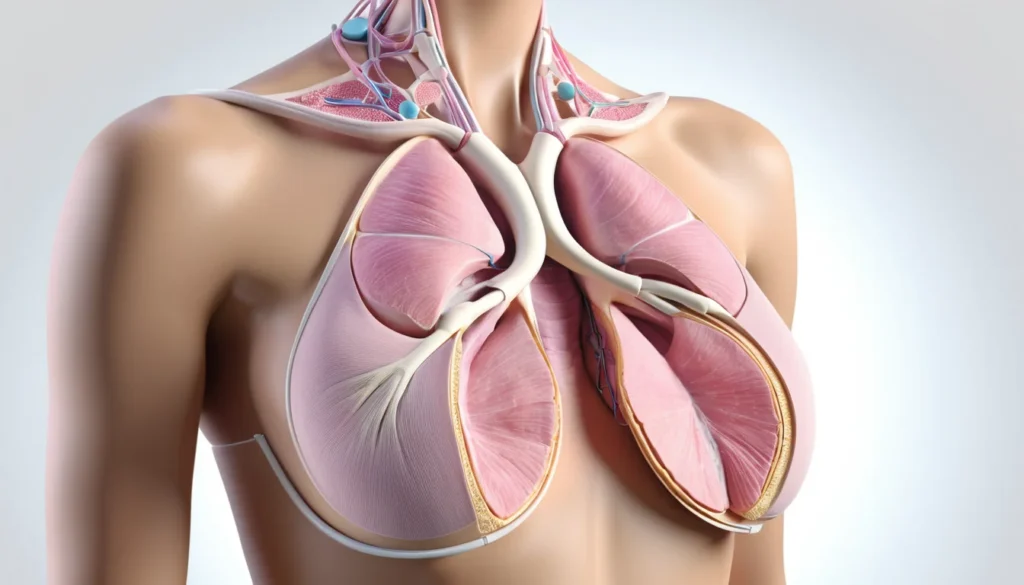
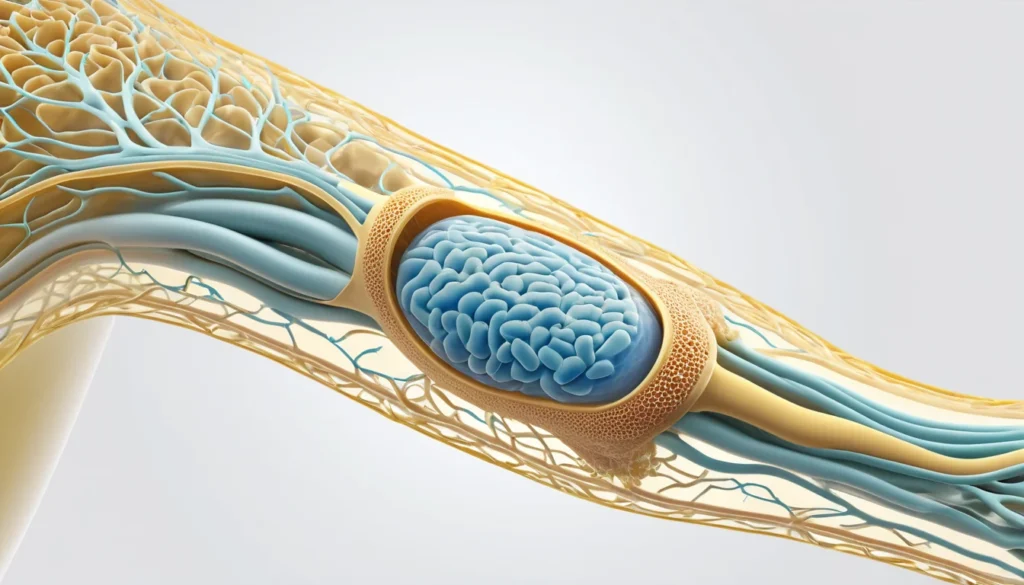
Your body has a network of vessels and nodes called the lymphatic system. This system moves a clear fluid called lymph through your body, filtering out bacteria, viruses, and other harmful substances.
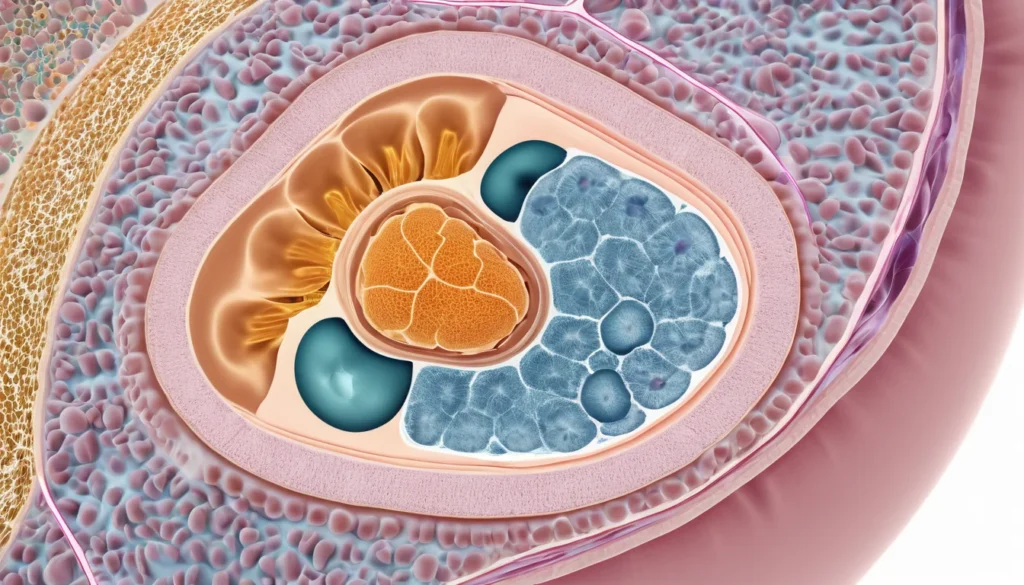
Lymph nodes are small glands found throughout your body — in your armpits, groin, and neck, for example. They act like filters, trapping harmful particles so that your white blood cells, called lymphocytes, can destroy them.
When lymph nodes are damaged or removed, fluid can no longer drain properly. As a result, it builds up in the arms or legs. This build-up causes the swelling we call lymphedema.
Causes of Lymphedema
There are two main types of lymphedema: primary and secondary. Each has a different cause.
Primary Lymphedema
Primary lymphedema is not caused by another condition or treatment. It may be present at birth, or it may develop during puberty or adulthood. The exact cause of primary lymphedema is not fully understood.
Secondary Lymphedema
Secondary lymphedema is the more common type in Canada. It develops as a result of damage to the lymphatic system. The most frequent causes include:
Surgical removal of lymph nodes during cancer treatment
Radiation therapy to lymph node areas
Injury or trauma to lymph nodes
Certain medications, such as tamoxifen, used in breast cancer treatment
Cancer treatments — especially for breast cancer, prostate cancer, and melanoma — often involve removing lymph nodes. This is a leading cause of lymphedema in Canadian patients. Health Canada recognizes lymphedema as an important concern for cancer survivors.
Symptoms of Lymphedema
Lymphedema symptoms can develop slowly over time. They are not always obvious at first. Knowing what to look for can help you catch the condition early.
Common symptoms include:
A feeling that clothing, rings, watches, or bracelets feel too tight
A heavy or full feeling in the arm or leg
Reduced movement or stiffness in the wrist, hand, or ankle
Visible swelling in the arm, hand, leg, or foot
Skin that feels tight or looks puffy
Aching or discomfort in the affected limb
If you notice any of these signs after cancer surgery or radiation, speak with your family doctor or visit a walk-in clinic as soon as possible. Early treatment gives the best results.
How Lymphedema Is Treated
There is no cure for lymphedema, but effective management can greatly reduce swelling and improve daily life. Treatment depends on the cause and severity of your condition.
Compression Garments
Wearing compression sleeves or stockings is one of the most effective ways to manage lymphedema. These garments apply gentle pressure to help move fluid away from the affected limb. Your doctor or lymphedema therapist can recommend the right type and fit for you.
Elevating the Affected Limb
Raising your swollen arm or leg above heart level helps drain excess fluid. When resting, try to support the limb on a comfortable surface above the level of your heart. However, avoid holding the limb up unsupported for long periods, as this can increase fluid build-up.
In addition, avoid compressing the armpit or groin area. These areas contain important lymph nodes that help with drainage.
Gentle Exercise
Light exercise can help reduce swelling. When muscles contract during movement, they naturally push fluid through the body. This process can ease lymphedema symptoms over time.
However, vigorous exercise increases blood flow to the muscles, which can also increase fluid. Therefore, it is important to wrap or bandage the affected limb before exercising. Ask your doctor or a lymphedema specialist about which exercises are safe for you.
Skin Care and Diet
Good skin care is essential for people with lymphedema. Damaged or infected skin can make swelling much worse. Use a gentle, moisturising soap and apply moisturiser daily to keep skin healthy.
A balanced diet also plays a role. Staying at a healthy weight and eating a diet rich in fibre and nutrients supports your lymphatic system. Talk to your family doctor about a nutrition plan that fits your needs.
Manual Lymphatic Drainage
Manual lymphatic drainage is a gentle massage technique performed by a trained therapist. It helps move fluid from swollen areas toward working lymph nodes. This treatment is often available through provincial health programmes or private physiotherapy clinics across Canada. The Mayo Clinic provides detailed information on lymphedema treatment options that may help guide your conversations with your healthcare provider.
Preventing Lymphedema After Cancer Treatment
If your cancer treatment included the removal of lymph nodes or radiation therapy, taking preventive steps can help you avoid or control lymphedema. These steps are important to follow even years after your surgery.
Protecting the Skin
Skin near the surgery site needs extra care. Follow these tips to reduce your risk:
Wear gloves while gardening or doing activities that could cause cuts or scrapes on your hands or fingers
Use sunscreen and insect repellent when outdoors to prevent sunburn and insect bites
Treat any cuts, scrapes, or insect bites promptly and keep them clean
Wash the affected area daily with warm (not hot) water and a mild, moisturising soap
Protecting the Arm After Lymph Node Removal
If lymph nodes were removed from your arm area, there are specific precautions to take. These steps protect the arm and prevent complications:
Do not have blood drawn from the affected arm
Do not allow a blood pressure cuff to be placed on the affected arm — always inform healthcare providers about your surgery
Avoid injections or IV lines in the affected arm whenever possible
Protecting the Leg After Lymph Node Removal
If lymph nodes were removed from the groin area, protecting the legs is equally important:
Wear well-fitting, comfortable shoes
Wear properly fitting socks or stockings — avoid tight garters, elastics, or compression that cuts into the skin
Wash feet daily in warm water and dry thoroughly between the toes
Apply moisturiser to the feet and legs regularly
Medical Alert Identification
People living with lymphedema are encouraged to wear a medical alert bracelet. This bracelet tells healthcare providers about your condition and the affected limb. It helps prevent treatments like blood pressure checks or blood draws on the affected arm, which can worsen lymphedema. Ask your doctor or lymphedema clinic about how to obtain one.
When to See a Doctor
You should contact your family doctor or visit a walk-in clinic if you notice new or worsening swelling in your arm, hand, leg, or foot. This is especially important after cancer surgery or radiation treatment.
Seek prompt medical attention if you experience:
Redness, warmth, or rash on the skin of the affected limb
Sudden or significant increase in swelling
Fever combined with swelling — this may signal an infection
Pain or tightness that gets worse quickly
Infection in a limb affected by lymphedema can become serious very quickly. Therefore, do not wait to see if symptoms improve on their own. Most provincial health plans cover visits related to post-cancer care. Your family doctor can refer you to a specialist who focuses on lymphedema management. Healthline offers a helpful overview of lymphedema warning signs that you can review before your appointment.
Frequently Asked Questions About Lymphedema
What is lymphedema and what causes it?
Lymphedema is swelling in the arms or legs caused by a build-up of lymph fluid. It most commonly occurs when lymph nodes are removed or damaged during cancer treatment. It can also develop on its own, which is called primary lymphedema.
Can lymphedema be cured?
Currently, there is no permanent cure for lymphedema. However, with proper management — including compression garments, exercise, skin care, and drainage techniques — most people can control their symptoms effectively. Early treatment gives the best long-term results.
Is lymphedema covered by provincial health insurance in Canada?
Coverage for lymphedema treatment varies by province. Some provincial health plans cover visits to lymphedema specialists and certain therapies, especially when related to cancer treatment. It is best to check with your provincial health authority or speak with your family doctor about available coverage and referrals.
What does lymphedema feel like in the early stages?
In the early stages, lymphedema often feels like heaviness or fullness in the arm or leg. You may notice that rings, watches, or clothing feel tighter than usual. Some people experience mild aching or a feeling of pressure in the affected limb before visible swelling appears.
Can exercise make lymphedema worse?
Gentle exercise can actually help reduce lymphedema by encouraging fluid movement through the body. However, intense exercise can increase fluid build-up in the affected limb. Always wrap or bandage the limb before exercising, and ask your doctor or a lymphedema therapist which activities are safe for your situation.
When should I go to a walk-in clinic for lymphedema symptoms?
You should visit a walk-in clinic or your family doctor promptly if you notice sudden redness, warmth, or increased swelling in a limb affected by lymphedema. These signs may indicate an infection, which requires quick treatment. If you also have a fever, seek care the same day.
Key Takeaways
Lymphedema is a build-up of lymph fluid that causes swelling, most often in the arms or legs.
It commonly affects people who have had lymph nodes removed or irradiated during cancer treatment.
Symptoms include tightness, heaviness, reduced movement, and visible swelling in the limb.
Treatment includes compression garments, elevation, gentle exercise, skin care, and manual drainage.
Preventive steps — such as protecting the skin, avoiding blood draws on the affected arm, and wearing medical alert identification — can reduce the risk of complications.
Contact your family doctor or a walk-in clinic promptly if you notice signs of infection or sudden worsening of swelling.
Most provincial health plans offer some coverage for post-cancer care — ask your doctor about referrals to a lymphedema specialist.
This article is for informational purposes only and does not replace professional medical advice. Always consult your family doctor or a qualified healthcare provider about any health concerns, including symptoms of lymphedema.