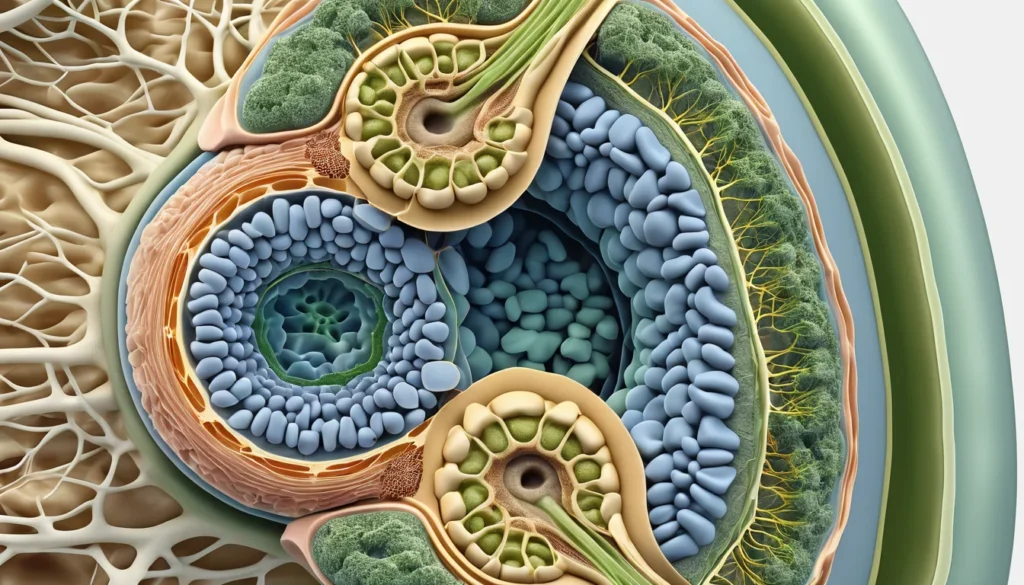
A lymph node abscess is a serious infection that causes a pocket of pus to form in or around a lymph node. It can appear just under the skin or deep inside the body, and it often spreads to nearby tissue if left untreated. Understanding the causes, symptoms, and treatment options can help you act quickly and protect your health. This article covers everything everyday Canadians need to know about this condition.
What Is a Lymph Node Abscess?
Your body has hundreds of lymph nodes. These small, bean-shaped glands are part of your immune system. They filter harmful substances and help fight infection.
When bacteria invade a lymph node, the node becomes inflamed. This condition is called lymphadenitis. In some cases, the infection grows more severe. Pus builds up inside or around the node, forming an abscess.
A lymph node abscess — sometimes called adenophlegmon in medical literature — can be either superficial or deep. A superficial abscess forms close to the skin’s surface. A deep abscess forms further inside the body, making it harder to detect and treat.
The abscess may stay in one area (circumscribed) or spread into the surrounding tissue (diffuse). When it spreads, it can affect muscles, fat, and nearby organs. This makes prompt treatment very important.
What Causes a Lymph Node Abscess?
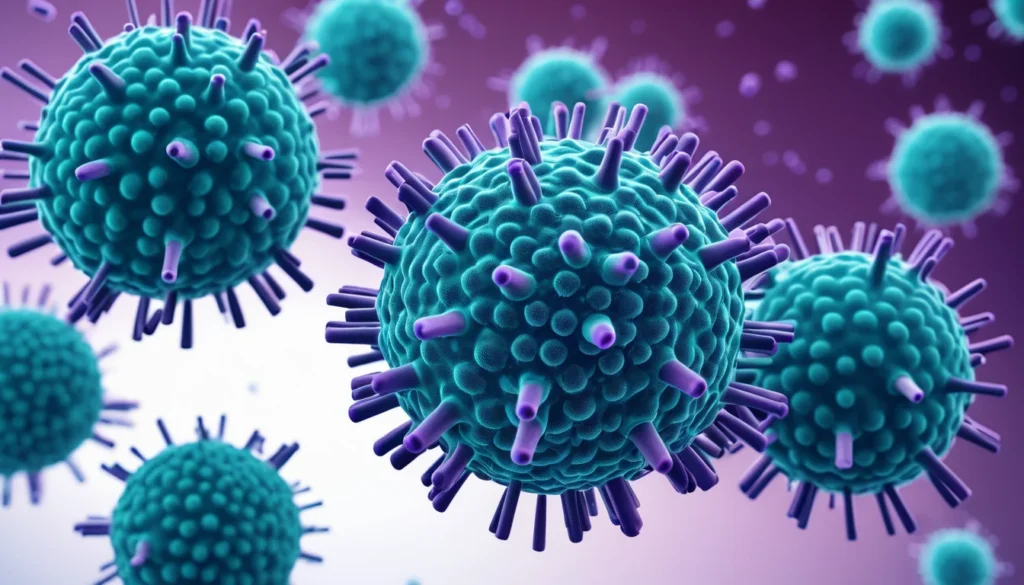
Bacterial infection is the most common cause of a lymph node abscess. Certain bacteria are responsible more often than others.
Common Bacterial Causes
Staphylococcus aureus and Streptococcus species are the most frequent culprits. These bacteria are commonly found on the skin and in the throat. They can enter the lymph nodes through a cut, wound, or nearby infection.
In some cases, Mycobacterium tuberculosis — the bacterium that causes tuberculosis — can infect lymph nodes. This is more common in communities with higher rates of TB. Health Canada provides updated information on tuberculosis rates across the country.
Other Contributing Factors
A dental infection, throat infection, or skin wound can allow bacteria to travel to nearby lymph nodes. For example, an infected tooth can spread bacteria to the nodes in the neck or jaw. Similarly, a skin cut on the arm can lead to an abscess in the armpit nodes.
People with weakened immune systems face a higher risk. This includes individuals with diabetes, HIV, or those taking immunosuppressive medications. However, a lymph node abscess can develop in otherwise healthy people too.
Recognising the Symptoms
Knowing the symptoms of a lymph node abscess helps you seek care at the right time. Symptoms can vary depending on whether the abscess is superficial or deep.
Symptoms of a Superficial Abscess
A superficial lymph node abscess is often easier to spot. You may notice a swollen, tender lump under the skin. The skin over the lump may appear red, warm, or shiny.
As the abscess grows, the skin may feel soft or fluctuant — meaning it has a wave-like feeling when you press it. This signals that pus has collected inside. Some people also experience a fever and general fatigue.
Symptoms of a Deep Abscess
A deep abscess is harder to identify. You may not see or feel a lump from the outside. Instead, you might feel a dull, persistent pain deep in the neck, chest, abdomen, or groin — depending on which lymph nodes are affected.
Fever, night sweats, and unexplained weight loss are also possible signs. In addition, some people notice difficulty swallowing or breathing if the abscess is near the throat or chest. These symptoms require urgent medical attention.
General Warning Signs
Swollen lump that grows quickly
Redness and warmth over the swollen area
Fever above 38°C (100.4°F)
Chills and body aches
Fatigue and loss of appetite
Pus or fluid draining from the lump
Pain that worsens over time
According to the Mayo Clinic’s guide on swollen lymph nodes, nodes that are tender, red, or growing rapidly should always be evaluated by a healthcare provider.
How Is a Lymph Node Abscess Diagnosed?
Your doctor will start with a physical examination. They will feel the swollen area and check your other lymph nodes. They will also ask about your recent health history, including any infections, injuries, or dental problems.
Diagnostic Tests
Blood tests can show signs of infection, such as a high white blood cell count. Your doctor may also order imaging tests. An ultrasound is often the first choice. It can confirm whether fluid (pus) is present and help guide drainage.
In some cases, a CT scan or MRI is needed. These tests give a clearer picture of deep abscesses. They can also show how far the infection has spread.
Your doctor may take a sample of the pus for a culture test. This test identifies the exact bacteria causing the infection. As a result, it helps your doctor choose the most effective antibiotic.
Treatment Options for a Lymph Node Abscess
Treatment for a lymph node abscess depends on its size, location, and severity. Most cases require a combination of antibiotics and drainage.
Antibiotic Therapy
Antibiotics are a key part of treatment. Your doctor will prescribe an antibiotic that targets the bacteria involved. Common choices include amoxicillin-clavulanate or clindamycin, depending on the type of bacteria.
It is very important to complete the full course of antibiotics, even if you start feeling better. Stopping early can allow the infection to return or become resistant to treatment. Furthermore, antibiotic-resistant infections are harder to treat and more dangerous.
Drainage of the Abscess
Many abscesses also need to be drained. A doctor makes a small incision and allows the pus to drain out. This procedure is usually done under local anaesthetic in a clinic or hospital setting.
In some cases, a small drain is left in place for a day or two. This ensures all the pus clears out completely. The area is then cleaned and bandaged carefully.
Surgery for Deep Abscesses
Deep abscesses sometimes require surgery. This is especially true if the infection has spread to surrounding tissue. A surgeon removes the infected material and cleans the area thoroughly.
Recovery from surgery may take several weeks. Your care team will monitor your progress and adjust your antibiotics as needed. In addition, follow-up appointments are essential to make sure the infection does not return.
Home Care During Recovery
While you recover, there are steps you can take at home. Apply a warm compress to a superficial abscess several times a day. This can help reduce pain and encourage drainage.
Rest as much as possible and stay hydrated. Do not try to squeeze or pop the abscess on your own. This can push the infection deeper and make things worse. Always follow your doctor’s instructions carefully.
When to See a Doctor
You should see a doctor promptly if you notice a swollen, painful lump that does not go away after a few days. A lymph node abscess will not heal on its own without proper treatment. Early care can prevent the infection from spreading.
In Canada, you have several options for getting care. You can visit your family doctor for a thorough assessment. If your family doctor is not available, a walk-in clinic can evaluate your symptoms and start treatment. Most provincial health plans cover these visits, so cost should not be a barrier.
Go to your nearest emergency department right away if you experience any of the following:
A high fever (above 39°C) with shaking chills
Difficulty breathing or swallowing
Rapid swelling in the neck or throat
Signs of a spreading skin infection (red streaks, expanding redness)
Confusion or extreme weakness
These symptoms can signal a serious, life-threatening infection. Therefore, do not wait to seek help. Healthline’s overview of lymphadenitis also outlines red-flag symptoms that warrant emergency care.
As always, this article is for general information only. Please consult your doctor or a qualified healthcare provider for advice specific to your situation.
Frequently Asked Questions
What does a lymph node abscess feel like?
A lymph node abscess usually feels like a swollen, tender lump under the skin. The area is often warm and red, and it may feel soft or squishy as pus builds up inside. Some people also experience fever, fatigue, and general body aches alongside the swelling.
Can a lymph node abscess go away on its own?
A lymph node abscess rarely goes away without medical treatment. Unlike a minor swollen lymph node caused by a cold, an abscess contains pus and requires antibiotics and often drainage. Leaving it untreated can allow the infection to spread to surrounding tissue, which is much more dangerous.
How is a lymph node abscess treated in Canada?
Treatment for a lymph node abscess in Canada typically involves a course of prescription antibiotics and, in many cases, drainage of the pus by a healthcare provider. You can start by visiting your family doctor or a walk-in clinic, and most provincial health plans cover these services. Severe or deep abscesses may require hospital care or surgery.
Which lymph nodes are most commonly affected by an abscess?
The lymph nodes in the neck, armpits, and groin are most commonly affected by a lymph node abscess. Neck abscesses often follow throat or dental infections, while armpit abscesses may result from skin injuries on the arm or hand. Groin abscesses can develop after infections in the leg or lower abdomen.
Is a lymph node abscess contagious?
A lymph node abscess itself is not directly contagious. However, the bacteria that caused it — such as Staphylococcus aureus — can spread through direct contact with the pus or infected wound. Always wash your hands carefully and avoid touching the abscess to reduce the risk of spreading bacteria to others or to other parts of your own body.
How long does it take to recover from a lymph node abscess?
Recovery time from a lymph node abscess depends on its size and severity. A mild superficial abscess treated early with antibiotics may improve within one to two weeks. A deeper or more serious abscess that requires surgery can take several weeks to heal fully, with follow-up care needed to ensure the infection has cleared completely.
Key Takeaways
A lymph node abscess is a pocket of pus that forms in or around an infected lymph node.
It is most often caused by bacterial infections, including Staphylococcus aureus and Streptococcus.
Symptoms include a swollen, tender lump, redness, warmth, fever, and fatigue.
Treatment involves antibiotics and often drainage of the abscess by a healthcare provider.
Do not try to drain the abscess yourself — always seek professional care.
In Canada, your family doctor or a walk-in clinic can assess and treat this condition, covered under most provincial health plans.
Seek emergency care if you have a high fever, trouble breathing, or rapid spreading of redness and swelling.
Early treatment leads to faster recovery and prevents the infection from spreading.