Lyme disease is a bacterial infection spread through the bite of an infected tick. It can affect your joints, nervous system, and heart. In Canada, Lyme disease is a growing concern — cases have been rising steadily as tick habitats expand across provinces. This article explains what Lyme disease is, how it progresses, how it is treated, and when you should seek medical help.
What Is Lyme Disease?
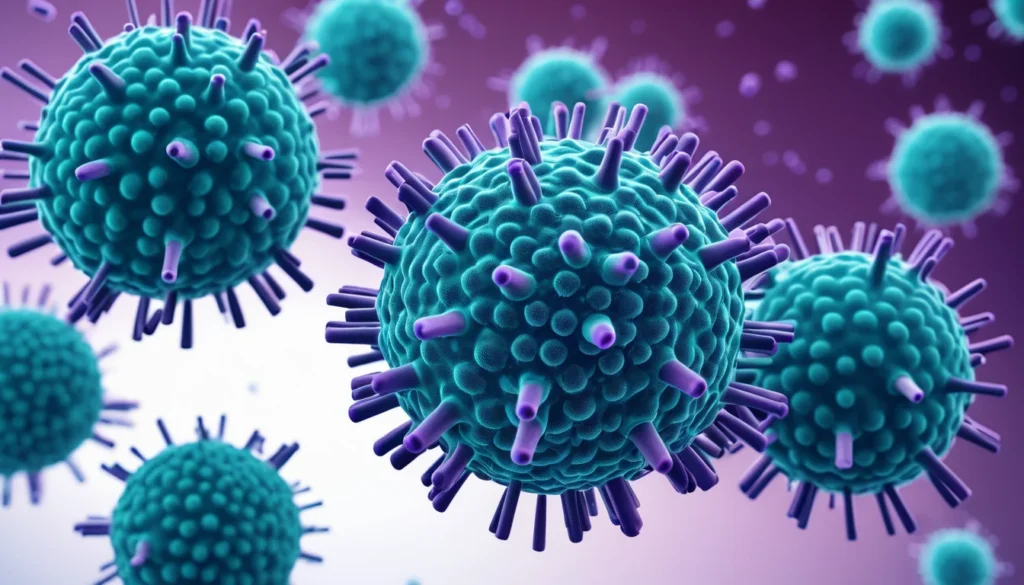
Lyme disease is caused by a bacterium called Borrelia burgdorferi. This bacterium belongs to a group of spiral-shaped bacteria known as spirochetes. Ticks pick up the bacteria from animals like deer and mice, then pass it on to humans through a bite.
The disease is found across Europe, North America, and Australia. In Canada, it is most commonly reported in British Columbia, Ontario, Quebec, Nova Scotia, and New Brunswick. However, as the climate warms, ticks are moving into new areas every year.
For more information on Lyme disease in Canada, visit Health Canada’s official health resources.
How Do You Get Lyme Disease?
You get Lyme disease when an infected black-legged tick (also called a deer tick) bites you. The tick must usually be attached for 24 to 48 hours before it can transmit the bacteria. This is why checking your body after being outdoors is so important.
Ticks are very small — sometimes no larger than a poppy seed. They are easy to miss, especially in body folds, the scalp, or behind the knees. They live in wooded areas, tall grass, and leaf piles.
Who Is Most at Risk?
Anyone who spends time outdoors in tick-prone areas can get Lyme disease. However, some groups face a higher risk. These include hikers, campers, gardeners, and children who play outside in grassy or forested areas. Outdoor workers are also at elevated risk.
In Canada, peak tick season runs from spring through fall. However, ticks can be active any time the temperature is above 4°C. Therefore, it is important to take precautions year-round in warmer regions.
The Three Stages of Lyme Disease
Lyme disease progresses in three distinct stages. Each stage brings different symptoms, and the disease can become more serious if left untreated. Understanding these stages helps you act quickly and get the right care.
Stage 1: Early Localized Lyme Disease
The first stage begins three days to one month after a tick bite. The most recognizable sign is a skin rash called erythema migrans, which means “migrating redness.” This rash appears at the site of the bite and slowly expands outward in a circular or oval shape, often resembling a bull’s-eye.
The rash is usually not painful or itchy, but it is a clear warning sign. Not everyone develops this rash, which can make early diagnosis difficult. Along with the rash, you may feel like you have the flu — with mild fever, fatigue, muscle aches, and joint pain.
The skin rash typically fades on its own within three weeks. However, fading does not mean the infection is gone. Without treatment, the bacteria continue to spread through your body.
Stage 2: Early Disseminated Lyme Disease
In the second stage, the bacteria have spread beyond the skin into the bloodstream and other parts of the body. This stage can last from several weeks to several months. It brings a wider range of symptoms that can feel confusing and hard to connect to a tick bite.
During this stage, you may experience recurring episodes of the bull’s-eye rash in different parts of the body. Neurological problems can also appear. These include facial palsy (drooping on one side of the face), numbness, tingling, and shooting pains in the limbs.
Heart problems are another concern in stage two. Some people develop a condition called Lyme carditis, where the bacteria interfere with the heart’s electrical signals. This can cause an irregular heartbeat or heart palpitations. In addition, joint pain and inflammation — especially in the knees — become more noticeable.
Stage 3: Late Disseminated Lyme Disease
Stage three can occur months or even years after the original tick bite. This is the most serious stage of Lyme disease. At this point, the infection has had time to cause lasting damage to multiple body systems.
Symptoms of late Lyme disease include severe joint inflammation (particularly in large joints like the knees), brain fog, memory problems, and difficulty concentrating. Some people develop a skin condition called acrodermatitis chronica atrophicans, which causes the skin to become thin and discoloured, usually on the hands or feet.
Neurological complications can also worsen at this stage. These may include confusion, mood changes, and problems with coordination. Furthermore, some patients develop what is known as Post-Treatment Lyme Disease Syndrome (PTLDS), where symptoms persist even after antibiotic treatment. Researchers are still studying this condition.
For a detailed medical overview of Lyme disease symptoms and progression, see Mayo Clinic’s guide to Lyme disease.
How Is Lyme Disease Diagnosed?
Diagnosing Lyme disease can be challenging. Doctors typically look at three things: your symptoms, your history of possible tick exposure, and blood test results. No single test is 100% reliable on its own, especially in the early stages of infection.
The most common blood tests are the ELISA test and the Western blot test. These tests look for antibodies your immune system produces in response to the Borrelia bacteria. However, antibodies can take several weeks to develop, so early tests may come back negative even if you are infected.
What to Tell Your Doctor
When you see your doctor, be as specific as possible. Tell them if you have recently been in wooded or grassy areas. Mention any tick bites you noticed, even if the tick seemed small or was attached for only a short time. Also describe all your symptoms, even if they seem unrelated.
Your provincial health plan covers most diagnostic tests for Lyme disease. Ask your family doctor or walk-in clinic about what is available in your province.
Treatment for Lyme Disease
The good news is that Lyme disease is treatable, especially when caught early. The main treatment is a course of antibiotics. The type and length of treatment depend on the stage of the disease and the symptoms present.
Antibiotics for Early Lyme Disease
For stage one, doctors usually prescribe oral antibiotics such as doxycycline, amoxicillin, or cefuroxime. A typical course lasts 10 to 21 days. Most people recover fully with this treatment if it starts early enough.
Completing the full course of antibiotics is very important. Stopping early — even if you feel better — can allow the bacteria to survive and cause further problems. Always follow your doctor’s instructions exactly.
Treatment for Later Stages
For more advanced Lyme disease, especially when the nervous system or heart is involved, doctors may recommend intravenous (IV) antibiotics. This means the medication is delivered directly into a vein, usually in a hospital or clinic setting. IV treatment is more intensive but often necessary for serious cases.
Some people experience lingering symptoms even after completing treatment. This is known as Post-Treatment Lyme Disease Syndrome. There is currently no proven additional antibiotic treatment for this condition. However, supportive care — such as rest, physiotherapy, and managing symptoms — can help improve quality of life.
How to Prevent Lyme Disease
Prevention is your best defence against Lyme disease. Taking a few simple steps can greatly reduce your risk, especially during outdoor activities in tick-prone areas.
Here are practical ways to protect yourself and your family:
Wear light-coloured clothing so ticks are easier to spot.
Tuck your pants into your socks when walking in wooded or grassy areas.
Apply an insect repellent containing DEET or icaridin to exposed skin and clothing.
Stay on cleared paths and avoid brushing against long grass or shrubs.
Do a full-body tick check after every outdoor outing — check your scalp, armpits, groin, and behind the knees.
Check pets for ticks before they come indoors, as pets can carry ticks into your home.
Shower within two hours of coming indoors to wash off any unattached ticks.
What to Do If You Find a Tick
If you find a tick attached to your skin, remove it carefully with fine-tipped tweezers. Grasp the tick as close to the skin as possible and pull upward with steady, even pressure. Do not twist or jerk the tick — this can cause mouth parts to break off and stay in the skin.
After removing the tick, clean the bite area with rubbing alcohol or soap and water. Save the tick in a sealed bag or container. Some provinces offer tick identification and testing services. Contact your local public health unit to find out what is available in your area.
In some cases — particularly if you live in a region where Lyme disease is common — your doctor may prescribe a single dose of antibiotics as a preventive measure after a tick bite. Ask your family doctor or walk-in clinic about this option.
The World Health Organization’s fact sheet on Lyme disease provides additional global context on prevention and control.
When to See a Doctor
You should see a doctor as soon as possible if you notice a bull’s-eye rash after spending time outdoors. Early treatment makes a significant difference in outcomes. Do not wait to see if the rash goes away on its own.
You should also seek medical attention if you develop any of the following after a tick bite or after being in a tick-prone area:
A spreading red rash, with or without the bull’s-eye pattern
Flu-like symptoms such as fever, chills, fatigue, or muscle aches
Joint pain or swelling, especially in the knees
Facial drooping or weakness on one side of the face
Heart palpitations or an irregular heartbeat
Numbness, tingling, or shooting pains in the arms or legs
Memory problems, confusion, or difficulty concentrating
Your family doctor is the best first point of contact. If you cannot get a same-day appointment, a walk-in clinic can assess your symptoms and order initial tests. Most provincial health plans cover Lyme disease testing and treatment. However, always confirm coverage details with your provincial health authority.
Remember: early diagnosis and treatment are key to a full recovery. If you are unsure whether your symptoms are related to Lyme disease, it is always better to get checked. Please consult your doctor or a qualified healthcare provider for personalized medical advice.
Frequently Asked Questions About Lyme Disease
Can you get Lyme disease in Canada?
Yes, Lyme disease is found across Canada and cases have been increasing in recent years. Provinces such as Ontario, Quebec, British Columbia, Nova Scotia, and New Brunswick report the highest numbers of cases. As tick habitats expand due to climate change, more Canadians are at risk each year.
What does a Lyme disease rash look like?
The classic Lyme disease rash is called erythema migrans and looks like a bull’s-eye — a red centre surrounded by a clear ring, then another red outer ring. However, not all rashes form this pattern; some are simply a spreading oval or circular area of redness. The rash usually appears within three days to one month after a tick bite.
How long does it take for Lyme disease symptoms to appear?
Early symptoms of Lyme disease typically appear between three days and one month after a tick bite. The bull’s-eye rash is usually the first sign. If Lyme disease is not treated early, more serious symptoms involving the nervous system, joints, and heart can develop weeks, months, or even years later.
Is Lyme disease curable?
Yes, Lyme disease is curable, especially when it is caught and treated early with antibiotics. Most people who receive treatment in the first stage make a full recovery. However, some people experience lingering symptoms after treatment — a condition called Post-Treatment Lyme Disease Syndrome — which may require ongoing supportive care.
How do you remove a tick safely?
Use fine-tipped tweezers to grasp the tick as close to the skin’s surface as possible. Pull upward with slow, steady pressure — do not twist or jerk. After removal, clean the bite area with rubbing alcohol or soap and water, and monitor for any signs of Lyme disease in the weeks that follow.
Does every tick bite cause Lyme disease?
No, not every tick bite leads to Lyme disease. Only black-legged ticks (deer ticks) carry the Borrelia burgdorferi bacteria, and not all of those ticks are infected. Furthermore, the tick usually needs to be attached for at least 24 to 48 hours to transmit the bacteria. However, it is still important to monitor any tick bite and see a doctor if symptoms develop.
Key Takeaways
Lyme disease is a bacterial infection spread by the bite of an infected black-legged tick. It progresses in three stages — early localized, early disseminated, and late disseminated — with symptoms becoming more serious over time. The classic early sign is a bull’s-eye rash, though not everyone develops it. Lyme disease is treatable with antibiotics, and early treatment leads to the best outcomes.