A tick bite might seem minor at first — but in Canada, it can sometimes lead to Lyme disease, a serious bacterial infection that affects the whole body. Spring and summer bring the highest risk, as ticks become active in forests, tall grass, and even suburban backyards. This article explains what to watch for after a tick bite, how Lyme disease is diagnosed, and what treatment looks like for Canadians.
What Is Lyme Disease?
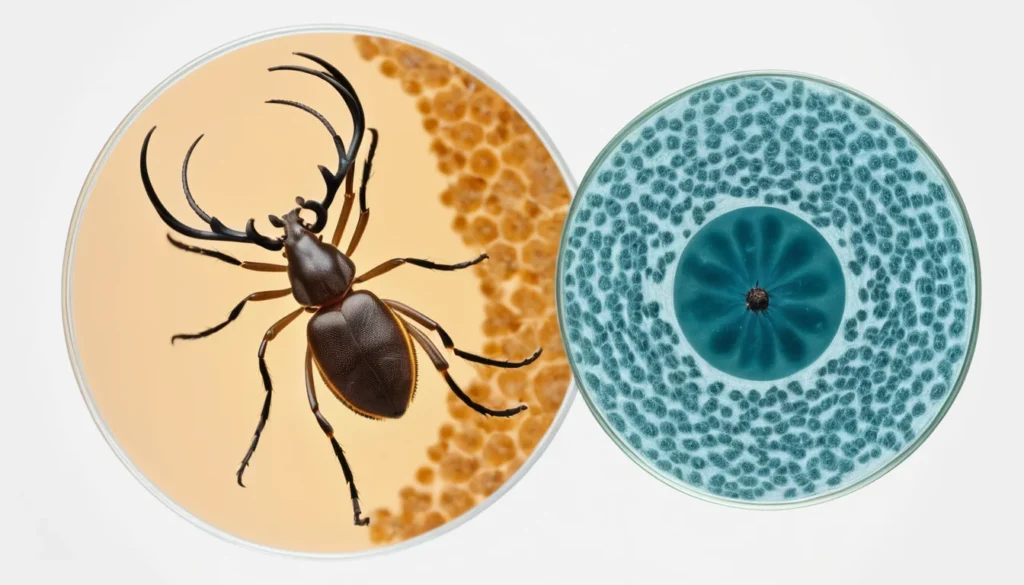
Lyme disease is an infectious illness caused by a bacterium called Borrelia burgdorferi. Ticks carry this bacteria and pass it to humans through their bite. In Canada, the black-legged tick (also called the deer tick) is the main carrier of this infection.
Not every tick bite leads to Lyme disease. The tick usually needs to stay attached to your skin for 36 to 72 hours before it can transmit the bacteria. However, because ticks are tiny and often painless, many people do not even notice they have been bitten. That is why checking your body carefully after time outdoors is so important.
According to Health Canada, the number of reported Lyme disease cases has been rising steadily across the country, particularly in Ontario, Quebec, Nova Scotia, and British Columbia. Understanding the risks is the first step toward protecting yourself and your family.
How Do Ticks Spread Lyme Disease?
Ticks live in wooded areas, leaf piles, and long grass. They attach to humans and animals by crawling onto skin and biting. Most tick bites are harmless — the majority of ticks are not infected with Borrelia burgdorferi.
However, if a tick carrying the bacteria bites you and stays attached long enough, the bacteria can enter your bloodstream. This is why removing a tick quickly and correctly matters so much. The longer it stays on, the higher the risk of infection.
For Lyme disease to develop, the infected tick must have been attached for at least 36 to 72 hours. As a result, daily tick checks after outdoor activities can genuinely reduce your risk of getting sick.
Symptoms of a Tick Bite and Lyme Disease
Most tick bites cause only minor local irritation. However, when Lyme disease develops, it produces a wide range of symptoms that can be easy to mistake for other illnesses. This is why it is sometimes called “the disease with a thousand faces.”
Early Symptoms to Watch For
Symptoms usually appear within days to a few weeks after a bite. Common early signs include:
A circular, expanding skin rash around the bite site (often looks like a bull’s-eye)
Flu-like symptoms such as fever, chills, and fatigue
Headache and neck stiffness
Muscle and joint pain
Swollen lymph nodes
Dizziness or fainting spells
A burning sensation at the bite site
Not everyone with Lyme disease develops the bull’s-eye rash. In fact, some people show no rash at all. Furthermore, some people do not notice any symptoms for several weeks after the bite.
Later-Stage Symptoms
If Lyme disease goes untreated, it can spread and cause more serious problems. These can include joint swelling and severe arthritis, heart problems (such as irregular heartbeat), neurological issues like numbness, tingling, or memory problems, and extreme fatigue that does not go away with rest.
According to the Mayo Clinic’s overview of Lyme disease, these later-stage complications can be serious and long-lasting if the disease is not caught and treated early. Early action is always the best approach.
Diagnosing Lyme Disease in Canada
Diagnosing Lyme disease can be challenging because its symptoms overlap with many other conditions. Your doctor will consider your symptoms, your recent outdoor activities, and blood test results together.
Blood Tests
The most common way to test for Lyme disease is through immunological blood tests. These tests look for antibodies your immune system makes in response to the Borrelia burgdorferi bacteria. However, your body takes up to eight weeks to produce enough antibodies to show up on a test. Therefore, a test done too soon after a bite may come back negative even if you are infected.
In Canada, testing is typically done in two stages. The first is an ELISA (enzyme-linked immunosorbent assay) test. If that result is positive or unclear, a Western blot test is done to confirm it. Both tests are available through provincial health plans and are ordered by a physician.
It is important to know that antibodies can remain in your blood for years after successful treatment. As a result, a positive test does not always mean the infection is active right now. Your doctor will interpret the results alongside your current symptoms.
What the Test Looks For
Doctors order Lyme disease tests when a patient shows signs such as extreme fatigue, fever, muscle or joint pain, headache, neck stiffness, or heart and neurological symptoms. If you have recently been outdoors in a known tick area and feel unwell, mention this to your doctor right away. It helps them make a faster, more accurate diagnosis.
Treatment Options for Lyme Disease
The good news is that Lyme disease responds well to antibiotics, especially when caught early. Your doctor will prescribe oral antibiotics — most commonly doxycycline, amoxicillin, or cefuroxime — for a period of two to four weeks. Most people recover fully with this treatment.
For more advanced cases, where the infection has spread to the nervous system or heart, intravenous (IV) antibiotics may be necessary. This type of treatment happens in a hospital or clinic setting and is covered under most provincial health plans.
There is currently no approved vaccine for Lyme disease in Canada. Prevention remains the most reliable tool. If left untreated, Lyme disease can cause lasting damage to the joints, heart, and central nervous system — so early treatment really does make a difference.
After Treatment: What to Expect
Some people experience lingering symptoms after completing antibiotic treatment. This is sometimes called Post-Treatment Lyme Disease Syndrome (PTLDS). Symptoms can include fatigue, pain, and difficulty thinking clearly. Researchers are still working to understand why this happens and how best to treat it.
If your symptoms continue after treatment, speak with your family doctor. They can refer you to a specialist or discuss further options available through your provincial health plan.
How to Remove a Tick Safely
If you find a tick attached to your skin, stay calm. The way you remove it matters. Use fine-tipped tweezers and grasp the tick as close to the skin as possible. Pull upward with steady, even pressure — do not twist or jerk. Clean the bite area with rubbing alcohol or soap and water afterward.
Do not use petroleum jelly, nail polish, or a hot match to remove a tick. These methods do not work and may actually increase the risk of infection. After removal, place the tick in a sealed bag. In some Canadian provinces, you can submit ticks for testing through public health programs — check with your local public health unit for details.
When to See a Doctor
You should see a doctor any time you find a tick attached to your skin — even if you feel fine. Visit your family doctor or a walk-in clinic as soon as possible. Most provincial health plans cover tick bite assessments and Lyme disease testing at no cost to you.
Your doctor may recommend a short course of preventive antibiotics, depending on the type of tick and how long it was attached. This decision is made case by case, based on your individual risk. Do not wait for symptoms to appear before seeking care — earlier treatment leads to better outcomes.
Seek emergency care right away if you develop difficulty breathing, chest pain, facial drooping, or sudden severe headache after a tick bite. These could be signs of a serious allergic reaction or advanced infection.
For more information on tick-borne illness prevention across Canada, visit the Government of Canada’s Lyme disease information page.
Frequently Asked Questions About Lyme Disease
How do I know if a tick bite has caused Lyme disease?
The most common early sign of Lyme disease is a circular, expanding rash around the bite site that may look like a bull’s-eye. You may also develop flu-like symptoms such as fever, fatigue, and headache within days to weeks of the bite. See a doctor promptly if you notice any of these signs after a tick bite.
Can Lyme disease be cured completely?
Yes — most people with Lyme disease recover fully when the infection is caught and treated early with antibiotics. However, some individuals experience lingering fatigue or joint pain after treatment, known as Post-Treatment Lyme Disease Syndrome. Talk to your family doctor if symptoms continue after you finish your antibiotic course.
How long does a tick need to be attached to transmit Lyme disease?
A tick generally needs to be attached to your skin for at least 36 to 72 hours to transmit the bacteria that causes Lyme disease. This is why checking your body for ticks after spending time outdoors is so important. Removing a tick quickly and correctly greatly reduces your risk of infection.
Is Lyme disease common in Canada?
Lyme disease is a growing concern in Canada, with cases reported most frequently in Ontario, Quebec, Nova Scotia, Manitoba, and British Columbia. The range of infected ticks is expanding as the climate changes, meaning more Canadians are at risk than ever before. Health Canada actively monitors tick populations and updates risk maps each year.
What should I do right after finding a tick on my body?
Remove the tick carefully using fine-tipped tweezers, pulling upward with slow, steady pressure without twisting. Clean the bite area with rubbing alcohol or soap and water, then visit your family doctor or a walk-in clinic as soon as possible. Your doctor will assess your risk for Lyme disease and decide if preventive antibiotics are needed.
Is there a vaccine for Lyme disease available in Canada?
There is currently no approved Lyme disease vaccine available in Canada. Prevention focuses on wearing protective clothing outdoors, using insect repellent containing DEET or icaridin, and doing thorough tick checks after outdoor activities. Researchers are actively working on new vaccine options, so speak with your doctor for the latest updates.
Key Takeaways
Lyme disease is caused by the bacterium Borrelia burgdorferi, spread through infected tick bites.
A tick must stay attached for 36 to 72 hours to transmit the bacteria — daily tick checks matter.
Early symptoms include a bull’s-eye rash, fever, fatigue, headache, and joint pain.
Not everyone develops a rash — see a doctor after any tick bite, even without symptoms.
Lyme disease is diagnosed using blood tests available through your provincial health plan.
Antibiotic treatment is effective, especially when started early.
There is no vaccine for Lyme disease in Canada — prevention is your best defence.
Visit your family doctor or a walk-in clinic promptly after finding an attached tick.
Always consult a qualified healthcare provider for personal medical advice about tick bites or Lyme disease.