Your lung health affects every part of your body. Your lungs bring oxygen into your blood and remove carbon dioxide with every breath you take. In this article, you will learn how your lungs are built, how they work, and what diseases can affect them. You will also find out when to see your family doctor or visit a walk-in clinic.
What Are the Lungs?
The lungs are two large organs that sit inside your chest. They are the main organs of your respiratory system — the system your body uses to breathe.
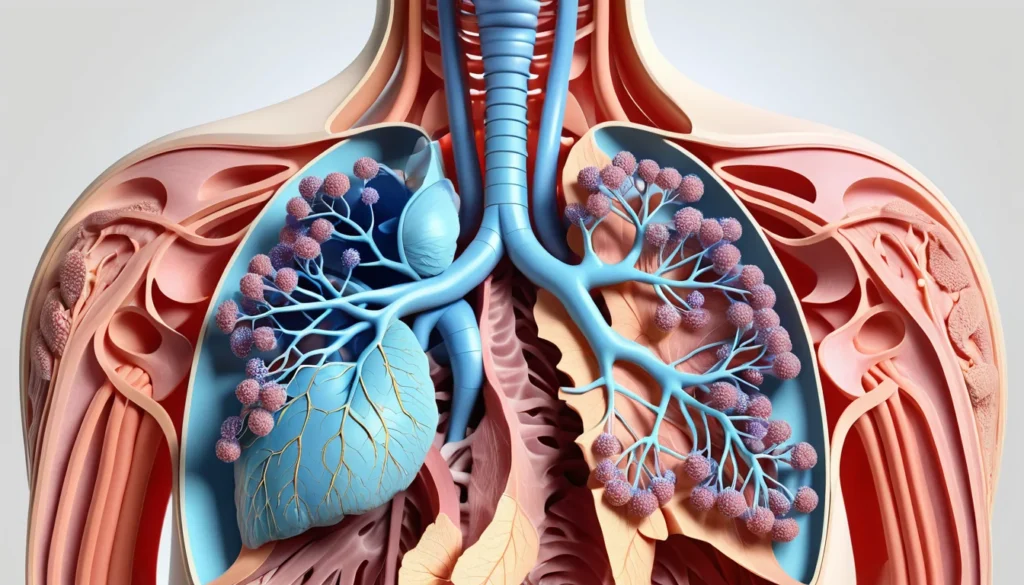
Your lungs rest on the diaphragm, a dome-shaped muscle below your chest. The diaphragm moves up and down to push air in and out of the lungs. Each lung is wrapped in a thin protective lining called the pleura.
The right lung is slightly larger than the left. It has three sections, called lobes. The left lung has two lobes. It is a little smaller because it shares space with your heart.
How the Lungs Are Structured
Understanding the structure of your lungs helps explain how they do their job. Air travels through a series of passages before it reaches the deepest parts of the lung.
The Airways
When you breathe in, air enters your nose or mouth and travels down your throat. It then passes through the trachea, also called the windpipe. The trachea splits into two large tubes called bronchi — one for each lung.
Inside each lung, the bronchi divide into smaller and smaller tubes. These smaller tubes are called bronchioles. Think of it like an upside-down tree, with the trachea as the trunk and the bronchioles as the tiny branches.
The Alveoli
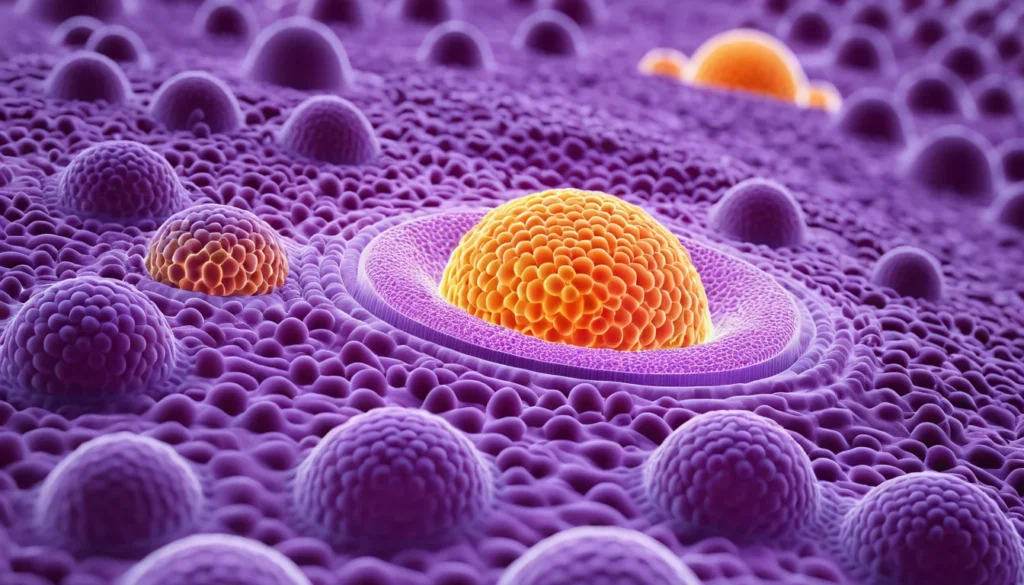
At the very end of each bronchiole sit tiny air sacs called alveoli. Your lungs contain hundreds of millions of these sacs. They are incredibly small — you need a microscope to see them.
The walls of the alveoli are extremely thin. They are wrapped in a fine network of tiny blood vessels called capillaries. This is where the most important job of the lungs happens.
How Your Lungs Work: Gas Exchange
The main job of your lungs is gas exchange. This is the process where oxygen moves from the air into your blood, and carbon dioxide moves from your blood back into the air.
When you breathe in, fresh air fills the alveoli. Oxygen passes through the thin alveolar walls and enters the capillaries. From there, your blood carries oxygen to every cell in your body.
At the same time, carbon dioxide — a waste gas — moves in the opposite direction. It passes from the blood into the alveoli. When you breathe out, your body expels this waste gas. This two-way exchange happens thousands of times every day without you thinking about it.
Can You Live With One Lung?
Yes, you can. One healthy lung can provide enough oxygen to support normal life. Some people have a surgical procedure called a pneumonectomy, which removes an entire lung. This is sometimes necessary due to cancer or severe disease.
After this surgery, most people can breathe and function well with the remaining lung. However, strenuous physical activity may become more difficult. Learn more about pneumonectomy at Mayo Clinic.
Common Lung Diseases
Many conditions can affect lung health. Some affect the lung tissue itself. Others affect the airways leading to the lungs. Doctors use the term pneumopathy to describe diseases that affect the lung tissue directly.
Infections
Pneumonia is a common lung infection that causes the air sacs to fill with fluid or pus. It can be caused by bacteria, viruses, or fungi. Symptoms include fever, cough, and difficulty breathing.
Tuberculosis (TB) is a bacterial infection that mainly affects the lungs. It spreads through the air when an infected person coughs or sneezes. TB is less common in Canada today, but it remains a global concern. Find tuberculosis information from Health Canada.
Obstructive Lung Diseases
Asthma is a condition where the airways become inflamed and narrow. This makes breathing difficult, especially during physical activity or when exposed to triggers like dust or pollen. In Canada, asthma affects over 3 million people.
Chronic obstructive pulmonary disease (COPD) includes conditions like chronic bronchitis and emphysema. In COPD, the airways and air sacs are damaged, making it hard to breathe. Smoking is the leading cause of COPD in Canada.
Emphysema specifically destroys the walls of the alveoli. As a result, the lungs become less efficient at gas exchange. Breathing becomes laboured, especially during activity.
Lung Conditions Caused by the Environment
Pneumoconiosis is a lung disease caused by inhaling dust particles — often at work. Coal miners, construction workers, and those exposed to asbestos are at higher risk. Over time, dust builds up in the lungs and causes scarring.
Pulmonary fibrosis is a condition where scar tissue forms in the lungs. This makes the lungs stiff and reduces their ability to transfer oxygen into the blood. The cause is not always known.
Pulmonary Embolism
A pulmonary embolism happens when a blood clot blocks one of the arteries in the lungs. This is a medical emergency. Symptoms include sudden chest pain, shortness of breath, and a racing heart. Call 911 immediately if you suspect a pulmonary embolism.
Lung Cancer
Lung cancer is one of the most serious threats to lung health. It is the leading cause of cancer death in Canada for both men and women. Most cases are linked to smoking, but non-smokers can develop lung cancer too.
Lung cancer often has no symptoms in its early stages. As a result, it is frequently diagnosed at a later, harder-to-treat stage. There are two main types: small cell lung cancer and non-small cell lung cancer. Read the WHO cancer fact sheet for global context.
The lungs can also develop benign (non-cancerous) growths, such as cysts. These are usually less dangerous but may still require monitoring or treatment.
How to Protect Your Lung Health
The good news is that there is a lot you can do to support strong lung health. Many of the most important steps are simple lifestyle choices.
Do Not Smoke
Smoking is the single biggest cause of preventable lung disease in Canada. Cigarette smoke damages the airways and destroys alveoli over time. If you currently smoke, quitting is the most effective thing you can do for your lungs.
Your provincial health plan may cover smoking cessation programmes, including nicotine replacement therapy and prescription medications. Ask your family doctor what options are available to you.
Avoid Air Pollution and Workplace Hazards
Long-term exposure to polluted air harms your lungs. On days when air quality is poor — which you can check through Environment and Climate Change Canada — try to stay indoors or limit outdoor activity.
If you work in construction, mining, or any industry with dust or chemical exposure, wear the proper protective equipment. Workplace lung disease is preventable with the right precautions.
Stay Active
Regular physical activity strengthens the muscles that help you breathe. Exercise also improves how efficiently your lungs deliver oxygen to your body. Even a 30-minute walk several times a week makes a difference.
Get Vaccinated
Vaccines help protect your lungs from serious infections. The flu vaccine and the pneumococcal vaccine both lower your risk of lung infections. Most provincial health plans in Canada cover these vaccines at no cost for eligible groups.
Eat a Healthy Diet
A diet rich in fibre, fruits, and vegetables supports your overall respiratory health. Foods high in antioxidants — like berries, leafy greens, and nuts — help reduce inflammation in the lungs. Staying well-hydrated also helps keep the airways clear.
When to See a Doctor
Many lung conditions improve with early treatment. However, too many Canadians wait too long before seeking help. Know the warning signs and take them seriously.
See your family doctor or visit a walk-in clinic if you experience any of the following:
A cough that lasts more than three weeks
Coughing up blood or rust-coloured mucus
Shortness of breath during everyday activities
Chest pain when breathing or coughing
Unexplained weight loss combined with breathing problems
Frequent chest infections or pneumonia
A wheezing or whistling sound when you breathe
If you have sudden, severe shortness of breath or chest pain, do not wait — call 911 or go to your nearest emergency department right away. These can be signs of a pulmonary embolism or another life-threatening condition.
Your family doctor can order breathing tests called spirometry to check how well your lungs are working. If needed, they can refer you to a respirologist — a lung specialist — through your provincial health plan.
Always speak with a qualified healthcare provider before making decisions about your health. The information in this article is for general educational purposes and does not replace professional medical advice.
Frequently Asked Questions About Lung Health
What are the early signs of poor lung health?
Early signs of poor lung health include a persistent cough, mild shortness of breath, and feeling tired after light activity. You may also notice that you get chest infections more often than usual. If these symptoms last more than a few weeks, see your family doctor or visit a walk-in clinic.
How many lobes does each lung have?
The right lung has three lobes, and the left lung has two lobes. The left lung is slightly smaller because it shares chest space with your heart. Together, both lungs contain hundreds of millions of tiny air sacs called alveoli.
Can you live a normal life with one lung?
Yes, many people live healthy lives with one lung. A single healthy lung provides enough oxygen for most daily activities. However, very intense physical exertion may be more challenging, and your overall lung health requires extra care.
What is the most common lung disease in Canada?
Asthma and COPD (chronic obstructive pulmonary disease) are among the most common lung diseases in Canada. Asthma affects over 3 million Canadians, and COPD affects hundreds of thousands more, mostly linked to smoking. Good lung health habits and regular check-ups can help manage both conditions.
How can I improve my lung health naturally?
The best ways to improve your lung health naturally include not smoking, staying physically active, eating a fibre-rich diet, and avoiding indoor and outdoor air pollution. Getting vaccinated against flu and pneumonia also protects your lungs from serious infections. Talk to your family doctor about a lung health check if you have concerns.
What does the pleura do?
The pleura is a thin two-layered membrane that surrounds each lung. It acts like a protective cushion, reducing friction as the lungs expand and contract during breathing. When the pleura becomes inflamed — a condition called pleuritis — it can cause sharp chest pain with each breath.
Key Takeaways
Your lungs are the central organs of your respiratory system, delivering oxygen to your blood and removing carbon dioxide.
The right lung has three lobes; the left lung has two. Each is protected by a membrane called the pleura.
Gas exchange happens in tiny air sacs called alveoli, where oxygen enters the blood and carbon dioxide exits.
One lung is enough to sustain life, as shown by patients who have had a full lung removed.
Common lung diseases include pneumonia, asthma, COPD, pulmonary fibrosis, pulmonary embolism, and lung cancer.
Protecting your lung health means not smoking, staying active, eating well, and getting vaccinated.
See your family doctor or a walk-in clinic if you have a cough lasting more than three weeks, shortness of breath, or cough up blood.
Call 911 for sudden, severe chest pain or breathing difficulty — these may be emergencies.
Always consult a healthcare professional for personal medical advice.