Lung pain is a common symptom that many Canadians experience at some point in their lives. It can feel like chest tightness, a sharp stab, or a dull ache deep in the chest. While it sometimes has a simple cause, it can also point to a serious condition that needs prompt medical attention. This article covers the main causes of lung pain, how doctors investigate it, and what treatment options are available.
What Is Lung Pain?
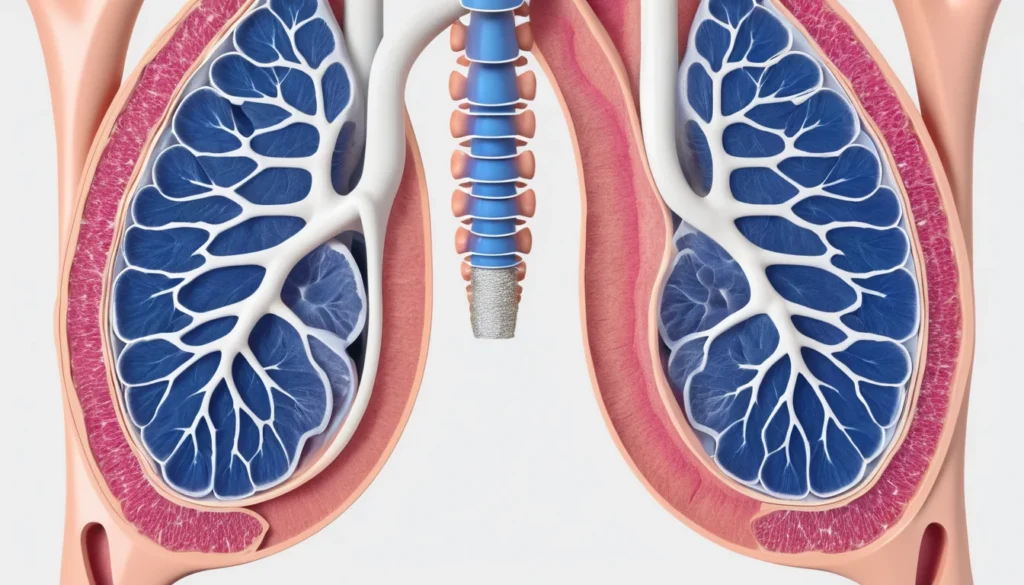
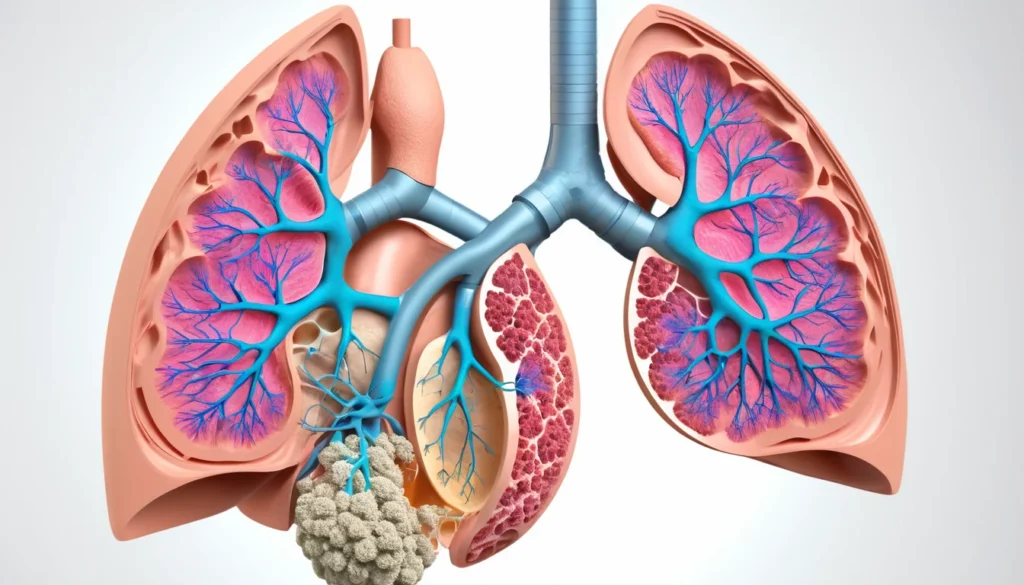
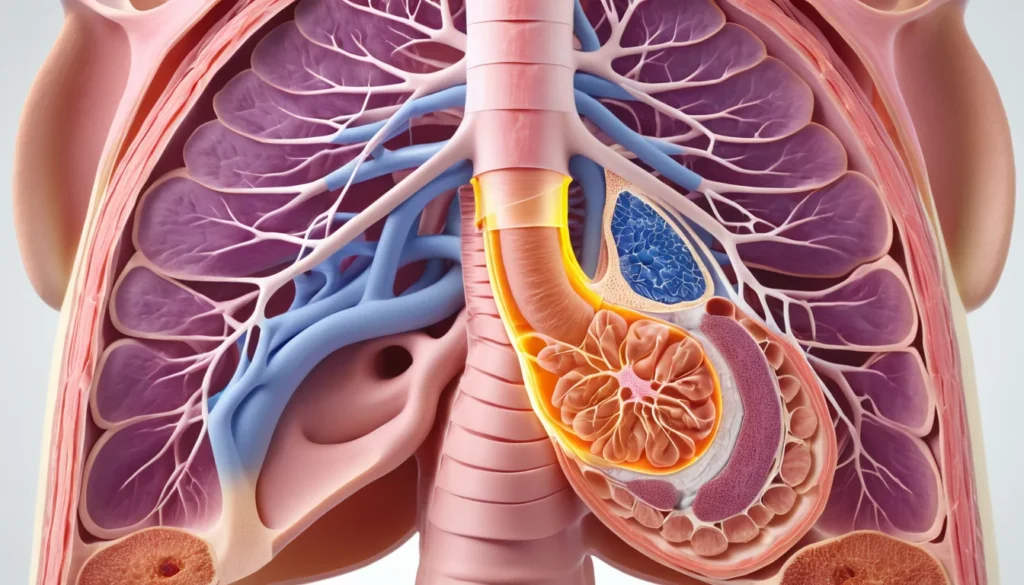
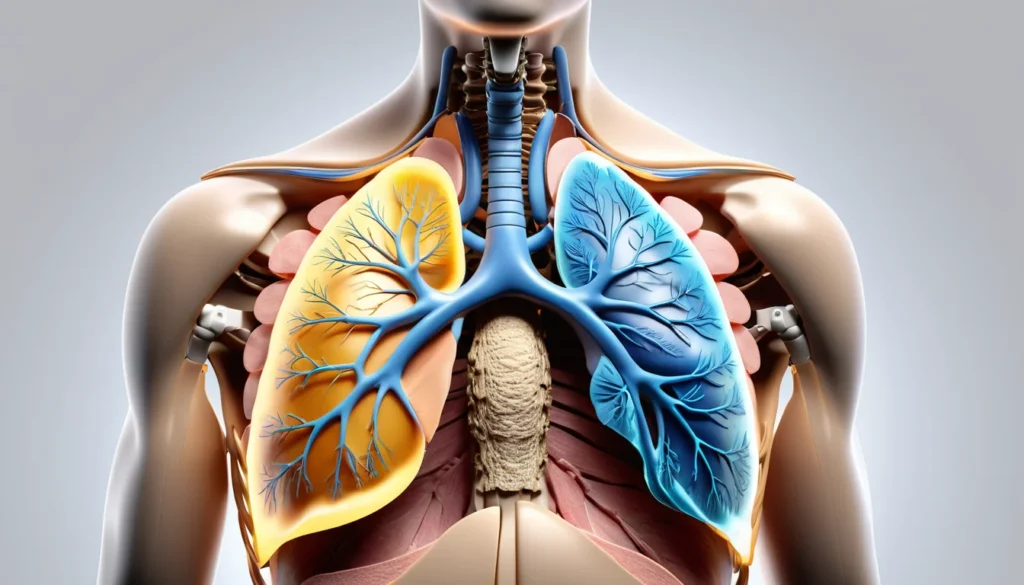
Lung pain — also called chest pain or pulmonary pain — refers to discomfort felt in the chest area, particularly around or within the lungs. The lungs sit inside the chest cavity, protected by the rib cage and surrounding muscles. However, the lungs themselves have very few pain receptors.
This means the pain you feel is often coming from nearby structures, such as the pleura (the thin lining around the lungs), the chest wall, or other organs. Therefore, identifying the true source of lung pain requires careful medical evaluation.
Common Causes of Lung Pain
Lung pain can stem from many different conditions. Some are mild and easy to treat, while others require urgent care. Here are the most common causes.
Respiratory Infections
Pneumonia, bronchitis, and upper respiratory infections are frequent causes of lung pain. These infections inflame the lung tissue and airways, leading to chest discomfort and soreness. You may also experience a cough, fever, and fatigue alongside the pain.
Most mild respiratory infections can be managed at home with rest and fluids. However, pneumonia often requires antibiotics prescribed by your family doctor or a walk-in clinic physician.
Pleurisy
Pleurisy is inflammation of the pleura, the two-layered membrane that surrounds the lungs. It causes a sharp, stabbing lung pain that often gets worse when you breathe deeply, cough, or sneeze. Infections, autoimmune diseases, and other conditions can trigger pleurisy.
Treatment focuses on addressing the underlying cause. Your doctor may also recommend anti-inflammatory medications to ease discomfort. Learn more about pleurisy and related conditions from the Mayo Clinic’s pleurisy overview.
Pulmonary Embolism
A pulmonary embolism (PE) is a blockage in one of the pulmonary arteries, usually caused by a blood clot that travels from the legs. It can cause sudden, sharp lung pain along with shortness of breath, rapid heartbeat, and dizziness. A pulmonary embolism is a medical emergency.
If you experience these symptoms together, call 9-1-1 immediately. Do not wait to see if the symptoms pass on their own.
Musculoskeletal Causes
Not all chest pain comes from the lungs or heart. Muscle strains, rib injuries, and conditions like costochondritis (inflammation where the ribs meet the breastbone) can mimic lung pain. This type of pain often worsens when you press on the chest wall or change position.
In many cases, rest and over-the-counter pain relief are enough to manage musculoskeletal chest pain. Your family doctor can help rule out more serious causes.
Cardiovascular Causes
Heart conditions such as angina (chest tightness from reduced blood flow to the heart) and heart attacks can cause pain that feels like it is coming from the lungs. This is called referred pain, and it can be very difficult to distinguish from true lung pain without medical tests.
Chest pain that spreads to the jaw, left arm, or back may signal a heart problem. Again, call 9-1-1 right away if you suspect a heart attack.
Lung Tumours
Both benign and malignant lung tumours can cause lung pain, particularly in more advanced stages. The pain may be dull and persistent, and it is often accompanied by a chronic cough, unexplained weight loss, or coughing up blood. Early detection is key to better outcomes.
Health Canada encourages Canadians at high risk — especially long-term smokers — to speak with their doctor about lung cancer screening options available in their province.
Other Causes of Lung Pain
Several less common conditions can also produce lung pain. These include:
Interstitial lung disease — conditions like pulmonary fibrosis that scar lung tissue over time
Autoimmune diseases — such as lupus or rheumatoid arthritis, which can affect the lungs
Sarcoidosis — a condition where small clumps of inflammatory cells form in the lungs
Severe allergic reactions — which can cause airway inflammation and chest tightness
Chest trauma — such as broken ribs from an accident or a fall
How Doctors Diagnose Lung Pain
Diagnosing lung pain starts with a thorough conversation between you and your doctor. Your doctor will ask about the type of pain, where it is located, how long it has lasted, and any other symptoms you have noticed. They will also ask about your medical history, smoking habits, and any recent illnesses or injuries.
Physical Examination
Your doctor will listen to your lungs and heart with a stethoscope and check for tenderness in the chest wall. This simple examination can often point toward a likely cause right away. Furthermore, it helps your doctor decide which tests to order next.
Imaging Tests
A chest X-ray is usually the first imaging test ordered. It gives a broad overview of the lungs, pleura, and surrounding structures. If more detail is needed, your doctor may order a CT (computed tomography) scan, which produces detailed cross-section images of the chest.
CT scans are especially helpful for spotting pulmonary embolisms, tumours, or interstitial lung disease that does not show clearly on an X-ray.
Blood Tests
Blood tests can reveal signs of infection, inflammation, or clotting problems. For example, a D-dimer test helps assess the likelihood of a blood clot. Blood oxygen levels may also be measured to check how well your lungs are working.
Heart Tests
If a cardiovascular cause is suspected, your doctor may order an electrocardiogram (ECG) or an echocardiogram (an ultrasound of the heart). These tests help rule out heart-related causes of chest and lung pain.
Advanced Procedures
In some cases, more involved procedures are needed. These may include:
Bronchoscopy — a thin, flexible tube is passed into the airways to look at the lungs directly and collect tissue samples
Thoracentesis — a needle is used to drain fluid from around the lungs for testing
Lung biopsy — a small sample of lung or pleural tissue is removed and examined under a microscope
Pulmonary function tests — breathing tests that measure how well air moves in and out of the lungs
Treatment Options for Lung Pain
Treatment for lung pain depends entirely on what is causing it. There is no single solution, because the underlying condition must be addressed first. As a result, getting an accurate diagnosis is the most important first step.
Treating Infections
Bacterial infections like pneumonia are treated with antibiotics. Viral infections usually require rest, fluids, and symptom management. Your family doctor or walk-in clinic can prescribe the right treatment based on your test results.
Managing Pleurisy and Inflammation
Non-steroidal anti-inflammatory drugs (NSAIDs) like ibuprofen are often used to reduce the inflammation causing pleurisy. In more severe cases, corticosteroids may be prescribed. Treating the root cause — such as an underlying infection — is also essential.
Treating Pulmonary Embolism
A pulmonary embolism requires urgent hospital treatment. Blood thinners (anticoagulants) are the main treatment and help prevent the clot from growing or new clots from forming. In severe cases, clot-dissolving medications or surgery may be needed.
Lung Cancer Treatment
Treatment for lung tumours depends on the type, size, and stage of the cancer. Options include surgery, radiation therapy, chemotherapy, targeted drug therapy, or immunotherapy. Provincial cancer programmes across Canada, such as those run through regional cancer centres, coordinate this care.
Musculoskeletal Pain Relief
For chest wall or muscle-related lung pain, rest and over-the-counter pain relievers are usually effective. Physiotherapy can also help strengthen and support the muscles around the chest. In most cases, this type of lung pain resolves within a few weeks.
For more detailed information on chest pain causes and management, the Healthline guide to chest pain offers a helpful overview of symptoms and when to seek care.
When to See a Doctor About Lung Pain
Some lung pain is mild and passes on its own. However, certain symptoms mean you should seek medical help right away. Call 9-1-1 or go to your nearest emergency room if you experience:
Sudden, severe chest or lung pain
Difficulty breathing or shortness of breath
Pain that spreads to your arm, jaw, neck, or back
Coughing up blood
Rapid heartbeat combined with chest pain
Fainting or feeling like you might pass out
For milder or ongoing lung pain, book an appointment with your family doctor. If you do not have a family doctor, a walk-in clinic is a good starting point. Your doctor can refer you to a specialist or order further tests through your provincial health plan if needed.
Remember, it is always better to have lung pain checked out than to wonder if something serious is going on. Early diagnosis leads to better outcomes in almost every case.
Frequently Asked Questions About Lung Pain
What does lung pain feel like?
Lung pain can feel like a sharp, stabbing sensation, a dull ache, or a tightness in the chest. It may worsen when you breathe deeply, cough, or move. Because the lungs have few pain receptors, lung pain often comes from surrounding structures like the pleura or chest wall.
Can lung pain go away on its own?
Mild lung pain caused by a minor respiratory infection or muscle strain can resolve on its own with rest and basic care. However, persistent or worsening lung pain should always be assessed by a doctor. Some causes, like a pulmonary embolism, require urgent treatment.
Is lung pain always a sign of something serious?
Not always — lung pain is often caused by something manageable, such as a chest infection or a pulled muscle. However, it can sometimes indicate a serious condition like a pulmonary embolism or lung cancer. It is important to see a doctor so the cause can be properly identified.
How is lung pain different from heart pain?
Heart pain often spreads to the left arm, jaw, or neck, and may come with sweating and nausea. Lung pain more commonly worsens with deep breathing or coughing. However, both can feel very similar, and only a medical evaluation can confirm the true source of the pain.
What should I do if I have lung pain in Canada?
If the lung pain is mild, start by visiting your family doctor or a local walk-in clinic — both are covered under provincial health plans in most Canadian provinces. If the pain is sudden, severe, or comes with breathing difficulty, call 9-1-1 immediately. Do not drive yourself to the emergency room in a serious situation.
Can anxiety cause lung pain?
Yes, anxiety and panic attacks can cause real physical chest tightness and lung pain. This happens because anxiety triggers muscle tension and changes in breathing patterns. However, it is important to rule out physical causes of lung pain with your doctor before attributing it to anxiety.
Key Takeaways
Lung pain is a broad term for chest discomfort that can come from the lungs, pleura, heart, or chest muscles.
Common causes include respiratory infections, pleurisy, pulmonary embolism, and musculoskeletal problems.
Diagnosis usually involves a physical exam, blood tests, and imaging such as a chest X-ray or CT scan.
Treatment depends on the underlying cause — from antibiotics for infections to anticoagulants for blood clots.
Sudden or severe lung pain, especially with breathing difficulty, is a medical emergency — call 9-1-1.
For ongoing or unexplained lung pain, visit your family doctor or a walk-in clinic for proper assessment through your provincial health plan.
Always consult a qualified healthcare provider before drawing conclusions about your symptoms. This article is for informational purposes only and does not replace professional medical advice.