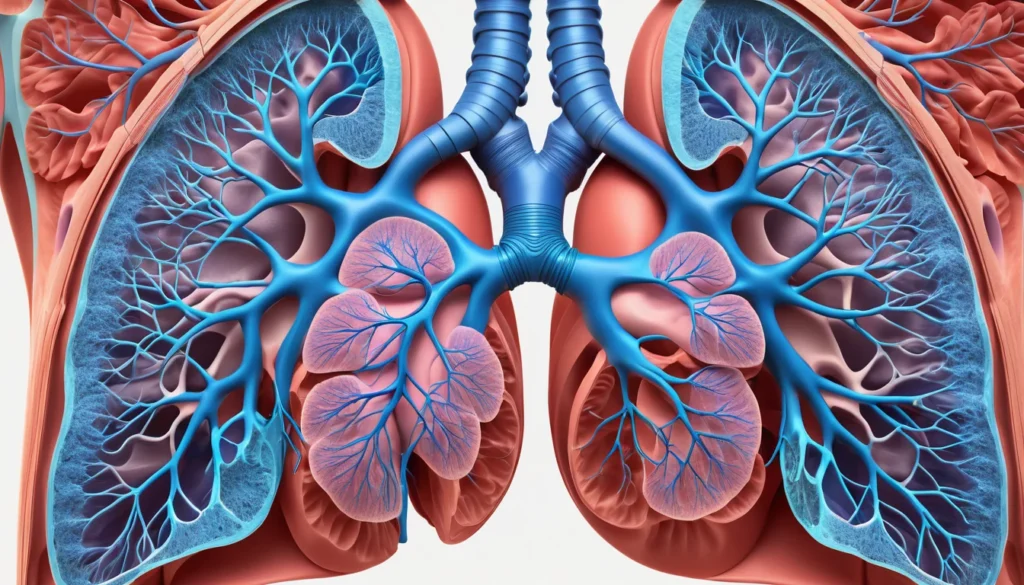
Lung disease is one of the most common health challenges facing Canadians today. Your lungs work every second of every day, and when something goes wrong, it affects your whole body. This article explains how your lungs work, the most common types of lung disease, their symptoms, and what you can do to protect your respiratory health.
How Your Lungs Work
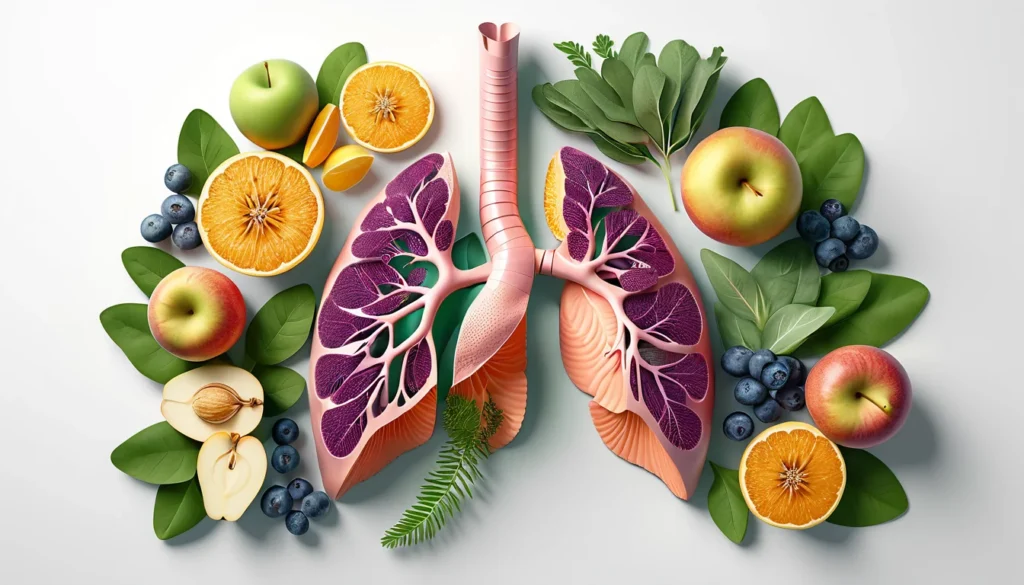
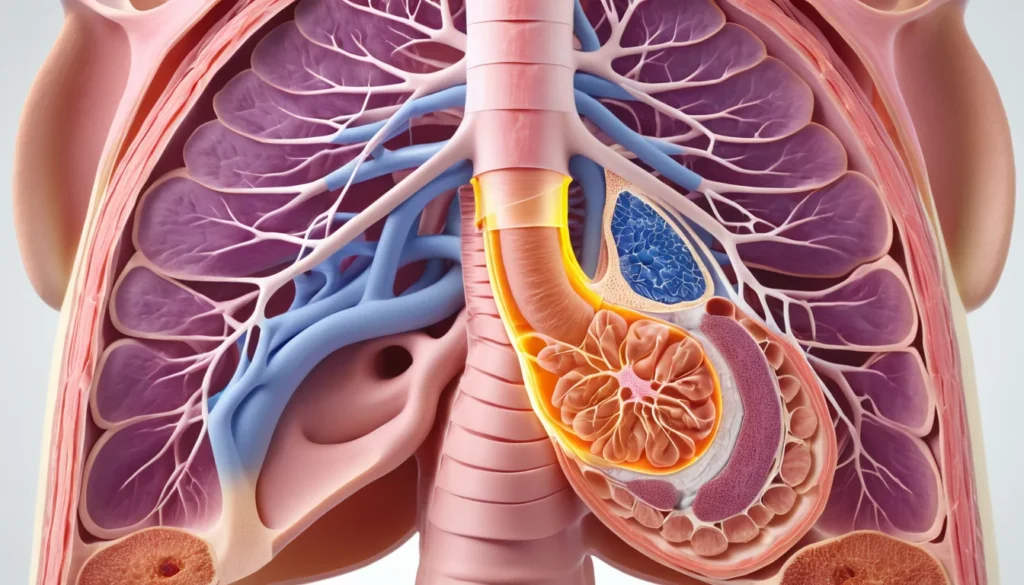
Your lungs are spongy, elastic organs inside your chest, sitting above the diaphragm. They are part of your respiratory system and are responsible for bringing oxygen into your body and removing carbon dioxide.
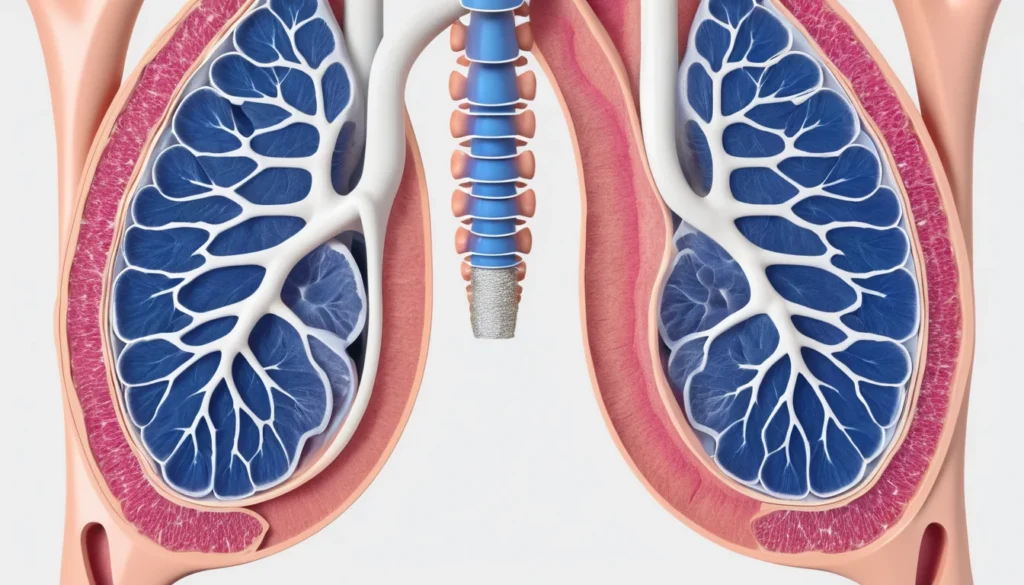
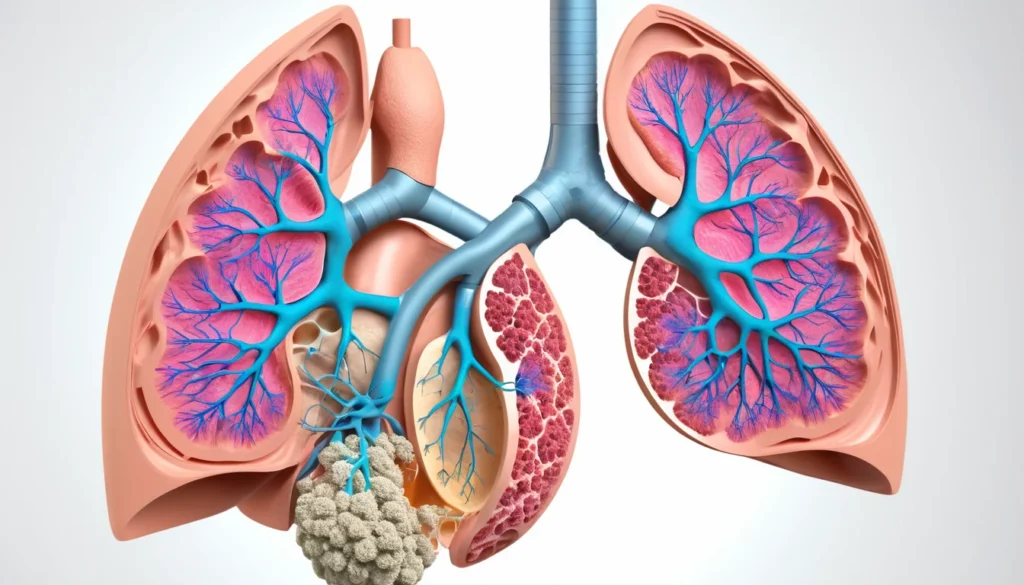
When you breathe in, air travels through a branching network of airways called the bronchial tree. This network splits into smaller and smaller tubes called bronchi and bronchioles. At the end of these tubes are tiny air sacs called alveoli.
The alveoli are where the real work happens. Oxygen passes from the alveoli into your bloodstream, and carbon dioxide moves from your blood back into the lungs to be breathed out. Every cell in your body depends on this process to survive.
Your lungs also have a built-in defence system. Immune cells and mucus work together to trap and remove harmful things you breathe in — like dust, pollen, bacteria, viruses, and chemical fumes. However, when the lungs are repeatedly exposed to irritants, this defence system can be overwhelmed.
The Three Main Types of Lung Disease
Not all lung diseases work the same way. In fact, most lung conditions fall into one of three main categories. Understanding the difference helps you recognize symptoms earlier.
1. Airway Diseases (Obstructive Lung Disease)
These conditions narrow or block the airways, making it hard to breathe out fully. Asthma, chronic bronchitis, and emphysema are the most well-known examples. People with airway diseases often feel short of breath or notice a wheezing sound when they breathe.
2. Lung Tissue Diseases (Restrictive Lung Disease)
These diseases damage the tissue of the lungs themselves. Scarring or inflammation makes the lungs stiff, so they cannot fully expand when you breathe in. Pulmonary fibrosis and sarcoidosis are two examples.
People with these conditions often describe the feeling as wearing a sweater that is too tight around the chest — they simply cannot take a deep breath. As a result, both oxygen intake and carbon dioxide removal are reduced.
3. Pulmonary Circulation Diseases
These conditions affect the blood vessels inside the lungs. Clotting, scarring, or inflammation in these vessels reduces the lungs’ ability to transfer oxygen to the blood. Furthermore, these diseases can put extra strain on the heart, sometimes leading to heart problems over time.
Common Lung Diseases Explained
Several specific lung diseases affect a large number of Canadians. Here is a closer look at the most common ones, including their causes and symptoms.
Asthma
Asthma is a chronic lung disease caused by inflammation in the airways. The bronchi and bronchioles become swollen and sensitive, and the muscles around them can tighten suddenly. This causes an asthma attack — a period of wheezing, coughing, chest tightness, and difficulty breathing.
Many things can trigger an asthma attack, including:
Cigarette smoke
Dust and airborne particles
Mould and mildew
Allergens like pet dander or pollen
Cold air or physical exercise
During an attack, the airways also produce extra mucus, which makes breathing even harder. Most asthma attacks do not cause permanent lung damage. However, a severe attack can be life-threatening, and you should seek medical help immediately if breathing becomes very difficult.
Asthma is one of the most common chronic conditions in Canadian children, but it affects adults too. Health Canada recognizes asthma as a significant public health concern across all provinces.
Chronic Obstructive Pulmonary Disease (COPD)
COPD is a term that covers two related conditions: chronic bronchitis and emphysema. Both make it progressively harder to breathe, and both cause lasting damage to the lungs.
In chronic bronchitis, the airways become inflamed and narrow permanently over time. In emphysema, the tiny air sacs (alveoli) are gradually destroyed. In both cases, the lungs lose their ability to move oxygen in and carbon dioxide out efficiently.
Smoking causes approximately 90% of COPD-related deaths. Therefore, quitting smoking is the single most important step you can take to prevent or slow this disease. If you need help quitting, your family doctor or a walk-in clinic can connect you with free smoking cessation programmes available through your provincial health plan.
For more information, visit the Mayo Clinic’s guide to COPD.
Asbestosis
Asbestosis is a chronic lung disease caused by long-term exposure to asbestos — a building material once widely used in Canadian construction. When asbestos fibres are inhaled, they irritate and scar the lung tissue over time.
In advanced cases, the lungs shrink and become stiff, losing much of their ability to expand. Asbestosis develops slowly, often appearing years or even decades after the exposure. Workers in older buildings, renovation trades, or certain industrial jobs face the highest risk.
Pulmonary Fibrosis
Pulmonary fibrosis is a lung tissue disease where the tissue between the air sacs becomes scarred and thickened. This scarring makes the lungs stiff and reduces their ability to move oxygen into the bloodstream.
There are several known causes of pulmonary fibrosis, including:
Workplace or environmental exposure (asbestos, coal dust, silica, beryllium)
Repeated exposure to mouldy hay, animal droppings, or grain dust
Certain medications that are toxic to lung tissue
Previous radiation treatment to the chest
Autoimmune conditions like systemic sclerosis
Unknown causes (called idiopathic pulmonary fibrosis)
In some cases, no clear cause is ever found. This is known as idiopathic pulmonary fibrosis, and it is the most common form of the disease.
Lung Infections
Lung infections can harm not just the lungs, but the whole body. They can be acute (short-term) or chronic (long-lasting), and they are caused by bacteria, viruses, or sometimes fungi.
Pneumonia is one of the most serious lung infections. It causes inflammation deep inside the lungs and is most dangerous for older adults, young children, and people with weakened immune systems. It is often triggered when the immune system is already weakened by a cold, flu, or another respiratory infection.
In Canada, flu shots and pneumonia vaccines are widely available through provincial health programmes. Talk to your family doctor about which vaccines are right for you.
Symptoms of Lung Disease to Watch For
Lung disease symptoms can vary depending on the type and how advanced it is. However, there are several common warning signs you should never ignore.
See a doctor if you notice any of the following:
A chronic cough that lasts more than three weeks
Shortness of breath during activities that didn’t used to cause it
Wheezing or a whistling sound when you breathe
Coughing up blood or unusual mucus
Chest pain or tightness
Unexplained fatigue or weight loss
Frequent respiratory infections
These symptoms do not always mean something serious. However, catching lung disease early gives you more treatment options and better outcomes.
How Lung Disease Is Diagnosed
If your doctor suspects a lung disease, they will likely start with a physical exam and a review of your health history. From there, several tests may follow.
Common investigations include:
Spirometry: A breathing test that measures how much air you can move in and out of your lungs
Chest X-ray or CT scan: Imaging that shows the structure of the lungs and any abnormalities
Blood oxygen tests: Measures how well your lungs are delivering oxygen to the blood
Bronchoscopy: A camera is used to look inside the airways
Lung biopsy: A small sample of lung tissue is examined in a lab
In Canada, these tests are typically covered by your provincial health plan when ordered by a physician. Your family doctor can refer you to a respirologist (a lung specialist) if needed.
How to Protect Your Lung Health
The good news is that many lung diseases are preventable. Making a few lifestyle changes can significantly reduce your risk.
Here are some of the most effective steps you can take:
Don’t smoke — and avoid second-hand smoke. Smoking is the leading cause of lung disease in Canada.
Know your workplace risks. If you work around dust, chemicals, or asbestos, wear proper protective equipment and know your rights under provincial occupational health regulations.
Improve indoor air quality. Use ventilation, reduce mould, and avoid strong chemical cleaners in enclosed spaces.
Stay active. Regular exercise strengthens the muscles that support breathing.
Get vaccinated. Flu and pneumonia vaccines protect against serious lung infections.
See your doctor regularly. Early detection makes a real difference with lung disease.
The World Health Organization’s guide to chronic respiratory diseases offers additional prevention strategies recognized globally.
When to See a Doctor
You should see your family doctor if you have any ongoing respiratory symptoms — even if they seem mild. Many lung diseases develop slowly, and early treatment can slow their progression significantly.
If you do not have a family doctor, a walk-in clinic is a great first step. A walk-in clinic doctor can assess your symptoms, order basic tests, and refer you to a specialist if needed. Most provincial health plans cover these visits.
Go to the emergency room or call 911 immediately if you experience sudden severe shortness of breath, chest pain, or if your lips or fingernails turn blue. These are signs of a serious medical emergency.
As always, this article is for general information only. Please speak with a qualified healthcare provider for advice specific to your personal health situation.
Frequently Asked Questions About Lung Disease
What are the early warning signs of lung disease?
Early signs of lung disease include a persistent cough, shortness of breath during light activity, wheezing, and frequent chest infections. Because lung disease often develops slowly, many people dismiss these symptoms at first. If any of these symptoms last more than a few weeks, it is worth speaking with your family doctor or visiting a walk-in clinic.
What is the most common lung disease in Canada?
Asthma and COPD are among the most common lung diseases affecting Canadians. Asthma is especially prevalent in children, while COPD is more common in adults over 40 who have a history of smoking. Both conditions are manageable with the right treatment plan from your healthcare provider.
Can lung disease be cured?
Some lung diseases, like pneumonia, can be fully treated and cured. However, chronic lung diseases like COPD and pulmonary fibrosis cannot be reversed — but they can be managed effectively. Early diagnosis and treatment are key to slowing the progression of chronic lung disease and maintaining a good quality of life.
What causes lung disease in non-smokers?
Lung disease can develop in non-smokers due to second-hand smoke, air pollution, workplace exposures (like asbestos or silica dust), genetic factors, and autoimmune conditions. Indoor air quality — including mould, radon gas, and chemical fumes — is also a significant and often overlooked cause. If you are a non-smoker with respiratory symptoms, your doctor can help identify the cause.
How is lung disease treated in Canada?
Treatment for lung disease in Canada depends on the specific condition and its severity. Options include inhalers, medications, pulmonary rehabilitation programmes, oxygen therapy, and in some cases surgery. Most treatments are covered under provincial health plans, and your family doctor can refer you to a respirologist for specialized care.
Is lung disease hereditary?
Some lung diseases have a genetic component. For example, a rare condition called alpha-1 antitrypsin deficiency can cause COPD in people who have never smoked. Asthma also tends to run in families. However, environmental factors like smoking and air quality play a much larger role in most cases of lung disease.
Key Takeaways
Your lungs bring oxygen into your body and remove carbon dioxide — they are essential to every function in your body. The three main types of lung disease are airway diseases, lung tissue diseases, and pulmonary circulation diseases. Common lung diseases include asthma, COPD, asbestosis, pulmonary fibrosis, and pneumonia. Smoking is the leading preventable cause of lung disease in Canada. Early symptoms like a chronic cough or shortness of breath should never be ignored — see your family doctor or a walk-in clinic. Many lung diseases are manageable when caught early, and most diagnostic tests and treatments are covered by provincial health plans. Prevention strategies — including not smoking, getting