Lung cancer is the leading cause of cancer death in Canada — for both men and women. While prostate and breast cancers are diagnosed more often, no other cancer kills more Canadians each year. Because lung cancer is usually found late, only about 14% of people diagnosed will survive five years or more. Understanding the causes, types, and warning signs can help you protect yourself and your family.
What Is Lung Cancer?
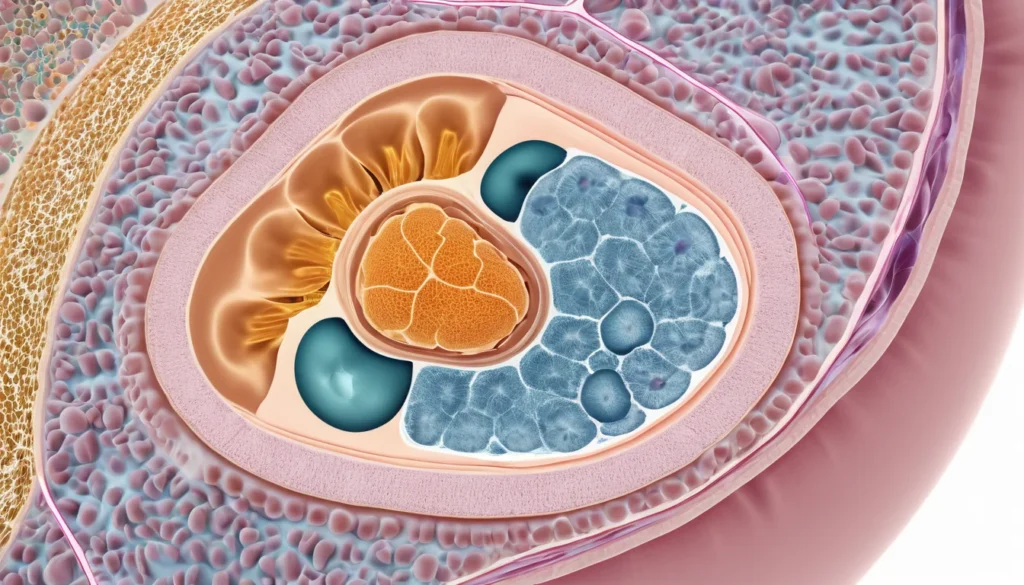
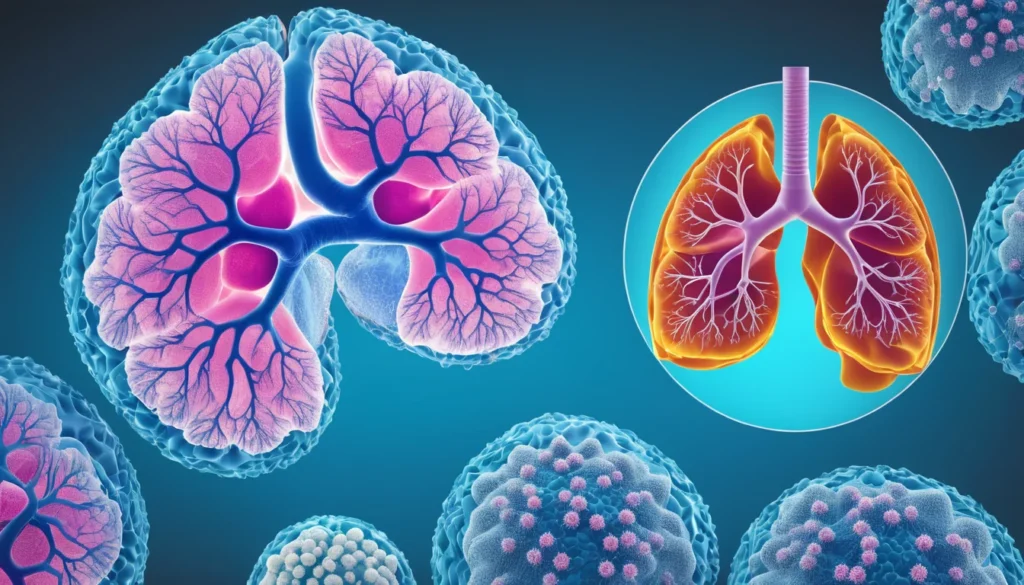
Lung cancer happens when cells inside the lungs grow out of control. These abnormal cells form a tumour that looks and behaves differently from the healthy tissue around it.
Tumours are dangerous for two main reasons. First, they steal oxygen and nutrients from healthy tissue. Second, they press on nearby structures and can interfere with normal breathing.
In addition, lung cancer cells can spread — or metastasize — to other parts of the body. They travel through the lymph system or bloodstream to reach distant organs such as the brain, liver, or bones. This spreading is what makes lung cancer especially life-threatening.
Primary vs. Secondary Lung Cancer
Lung cancer can be primary or secondary. Primary lung cancer starts inside the lung itself. Secondary lung cancer happens when cancer from another organ spreads to the lungs.
The lungs are actually one of the most common places in the body where cancer from elsewhere will spread. This is important because primary and secondary lung cancers are treated very differently.
Types of Lung Cancer
There are two main types of lung cancer, and knowing which type you have directly affects your treatment plan. Together, these two types account for more than 95% of all lung cancer diagnoses.
Small Cell Lung Cancer
Small cell lung cancer (SCLC) is the less common of the two main types. However, it is the more aggressive one. It grows quickly and often spreads to other parts of the body before it is even diagnosed.
Because of this, surgery is rarely an option for SCLC. Instead, doctors typically treat it with chemotherapy and radiation therapy. Unfortunately, survival rates for this type remain low.
Non-Small Cell Lung Cancer
Non-small cell lung cancer (NSCLC) is the most common type, accounting for roughly 80% of all lung cancer cases. It tends to grow more slowly than small cell lung cancer. Surgery is often part of the treatment when the cancer is caught early enough.
Non-small cell lung cancer includes several subtypes:
Adenocarcinoma: The most common type overall, making up 30–40% of all lung cancers. One subtype, bronchioloalveolar carcinoma, can look like pneumonia on an X-ray, which sometimes delays diagnosis.
Squamous cell carcinoma: The second most common type, found in about 30% of cases.
Large cell carcinoma: Accounts for roughly 10% of lung cancers.
Other Types
About 5% of lung cancers fall into other categories. These include carcinoid tumours, lymphomas, and cancers that have spread to the lungs from elsewhere in the body. Carcinoid tumours, for example, make up about 1% of all lung cancer cases.
What Causes Lung Cancer?
Unlike many other cancers, the main cause of lung cancer is well known. Smoking is responsible for more than 90% of all lung cancer cases. Researchers confirmed the link between smoking and lung cancer as far back as the 1950s.
The risk is significant. A person who smokes more than one pack of cigarettes per day is 20 to 25 times more likely to develop lung cancer than someone who has never smoked.
Smoking Risk by Sex
The risk differs slightly between men and women. Male smokers face about a 17% lifetime risk of developing lung cancer. Female smokers face about a 12% risk. Both numbers are far higher than the risk for non-smokers.
Pipe and cigar smoking also raise your risk, even if you do not inhale deeply. There is no truly “safe” form of tobacco use when it comes to lung cancer.
What Happens After You Quit Smoking?
Quitting smoking does reduce your risk over time, but it takes many years. After 15 years without smoking, your risk begins to approach that of a lifelong non-smoker. However, your risk only drops to about 2% after 30 years of not smoking.
In the first 10 years after quitting, your risk remains quite high. This is why quitting as early as possible makes such a big difference. Talk to your family doctor or visit a walk-in clinic about smoking cessation programmes available through your provincial health plan.
Other Causes of Lung Cancer
Lung cancer also develops in people who have never smoked. In these cases, other factors are often involved:
Radon gas: A naturally occurring radioactive gas that can build up in homes, especially in basements. Health Canada recommends testing your home for radon, as it is the second leading cause of lung cancer in Canada.
Asbestos exposure: Long-term exposure to asbestos fibres — often in older workplaces or buildings — is a known lung cancer risk, sometimes causing a condition called asbestosis.
Air pollution: Living or working in heavily industrial areas with poor air quality raises long-term risk.
Second-hand smoke: Regular exposure to other people’s cigarette smoke also increases risk.
Genetic factors: A family history of lung cancer may raise your personal risk, even without other factors present.
Who Is Most at Risk?
Lung cancer is relatively rare in people under age 40. However, the risk rises steadily as you get older. Cases peak around age 70, which is why regular conversations with your doctor become especially important as you age.
Furthermore, the longer and more heavily a person has smoked, the greater their risk. Starting smoking at a young age is a particularly strong risk factor, as the lungs are exposed to harmful substances for a longer period of time.
According to the World Health Organization, over 1.3 million people die from lung cancer worldwide every year. This makes it a major global public health concern, not just a Canadian one.
Symptoms of Lung Cancer
One of the biggest challenges with lung cancer is that it often causes no obvious symptoms in its early stages. By the time symptoms appear, the cancer has frequently already spread. This is a key reason why survival rates remain low.
Common symptoms to watch for include:
A cough that does not go away or gets worse over time
Coughing up blood, even a small amount
Chest pain or discomfort, especially when breathing deeply or coughing
Shortness of breath that is new or worsening
Unexplained weight loss or loss of appetite
Feeling very tired without a clear reason
Hoarseness or a change in your voice
Recurring chest infections such as bronchitis or pneumonia
These symptoms can also be caused by many other conditions. However, if any of them persist for more than two to three weeks, it is important to get checked. The Mayo Clinic outlines additional lung cancer symptoms worth reviewing.
When to See a Doctor
If you have a persistent cough, unexplained weight loss, or any difficulty breathing that concerns you, do not wait. Book an appointment with your family doctor as soon as possible. If you do not have a family doctor, a walk-in clinic is a good first step.
Your doctor may order a chest X-ray or other imaging to get a clearer picture. Catching lung cancer earlier gives you more treatment options and better outcomes.
If you are a current or former smoker, speak to your doctor about lung cancer screening. Some provinces offer low-dose CT screening programmes for people at high risk. Your provincial health plan may cover this. Ask your doctor what is available in your area.
It is also worth discussing radon testing for your home, especially if you live in a region of Canada known for higher radon levels, such as parts of Manitoba, Saskatchewan, or New Brunswick. Home radon test kits are widely available and affordable.
Always speak with a qualified healthcare provider for personal medical advice. The information in this article is for general education only and does not replace a professional diagnosis or treatment plan.
Frequently Asked Questions About Lung Cancer
What is the most common cause of lung cancer in Canada?
Smoking is by far the most common cause of lung cancer in Canada, responsible for more than 90% of cases. Radon gas exposure is the second leading cause. Health Canada recommends testing your home for radon, especially in basements.
Can you get lung cancer if you have never smoked?
Yes, non-smokers can develop lung cancer. Risk factors for non-smokers include radon gas, long-term asbestos exposure, second-hand smoke, air pollution, and genetic factors. If you have symptoms that concern you, see your doctor regardless of your smoking history.
What are the early warning signs of lung cancer?
Lung cancer often has no symptoms in its early stages, which makes it hard to catch. When symptoms do appear, they may include a persistent cough, coughing up blood, chest pain, or unexplained weight loss. See your family doctor if any of these last more than two to three weeks.
What is the difference between small cell and non-small cell lung cancer?
Small cell lung cancer is less common but grows and spreads very quickly, often before diagnosis. Non-small cell lung cancer is more common and grows more slowly. Treatment differs significantly — small cell is usually treated with chemotherapy and radiation, while non-small cell may be treated with surgery.
Does quitting smoking lower your lung cancer risk?
Yes, quitting smoking does reduce your lung cancer risk over time. After 15 years without smoking, your risk begins to approach that of a non-smoker. The earlier you quit, the greater the benefit — talk to your family doctor about stop-smoking programmes covered by your provincial health plan.
Is lung cancer screening available in Canada?
Some Canadian provinces offer low-dose CT screening for people at high risk of lung cancer, such as long-term smokers over a certain age. Coverage varies by province. Ask your family doctor or visit a walk-in clinic to find out what screening options are available to you through your provincial health plan.
Key Takeaways
Lung cancer is the number one cancer killer in Canada for both men and women.
Smoking causes more than 90% of all lung cancer cases. Quitting at any age reduces your risk.
Radon gas is the second leading cause of lung cancer in Canada. Test your home.
There are two main types: small cell and non-small cell lung cancer. Each requires a different treatment approach.
Lung cancer often shows no symptoms early on. See your family doctor if you notice a persistent cough, chest pain, or unexplained weight loss.
Screening programmes may be available in your province if you are at high risk. Ask your doctor.
Never ignore symptoms — visiting a walk-in clinic or your family doctor early can make a real difference in outcomes.