Lung cancer is one of the most serious and common cancers in the world. It affects the airways and lung tissue, and it causes more deaths each year than almost any other type of cancer. In Canada, thousands of people are diagnosed every year. Understanding the risk factors, warning signs, and treatment options can help you protect your health and have informed conversations with your family doctor.
What Is Lung Cancer?
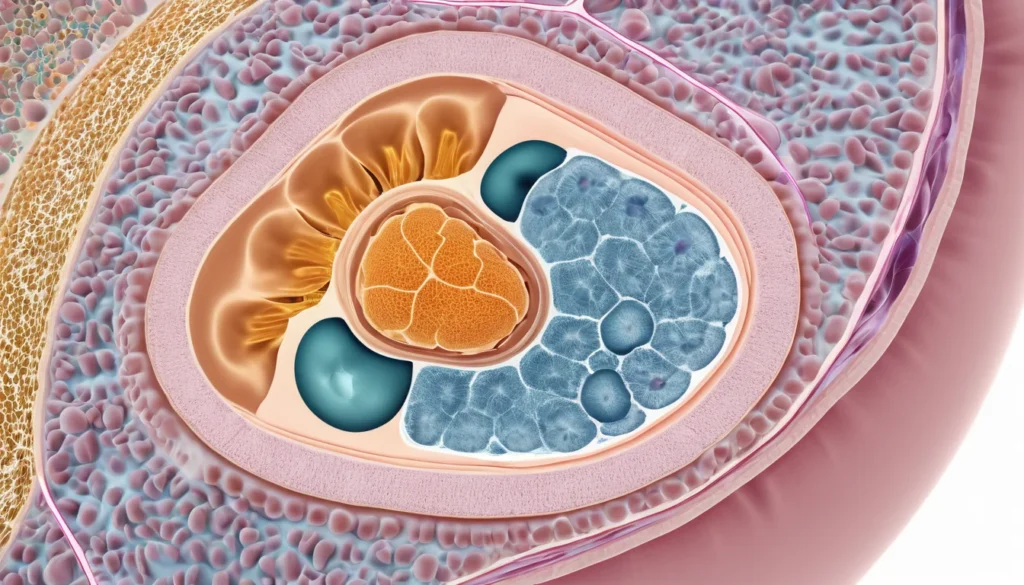
Lung cancer occurs when abnormal cells grow uncontrolled in the lungs. These cells can form tumours in the bronchial tubes (the large airways), or deeper in the tiny air sacs called alveoli. The alveoli are where your body exchanges oxygen and carbon dioxide — so when cancer grows there, it seriously affects your ability to breathe.
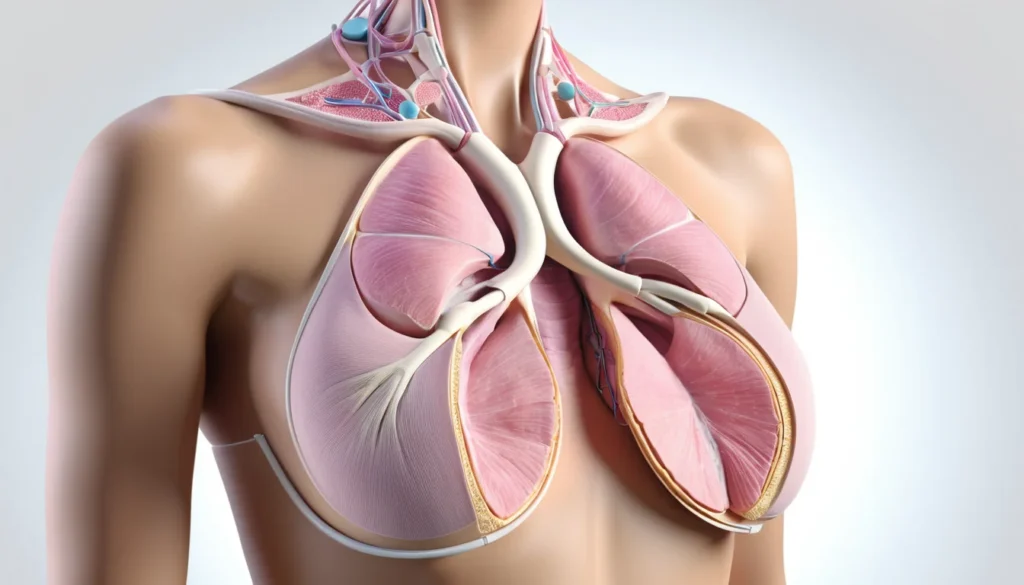
Your respiratory system starts at your nose and mouth, then continues through your throat, voice box, windpipe, and bronchial tubes, finally reaching the alveoli. A tumour anywhere along this path can disrupt normal breathing.
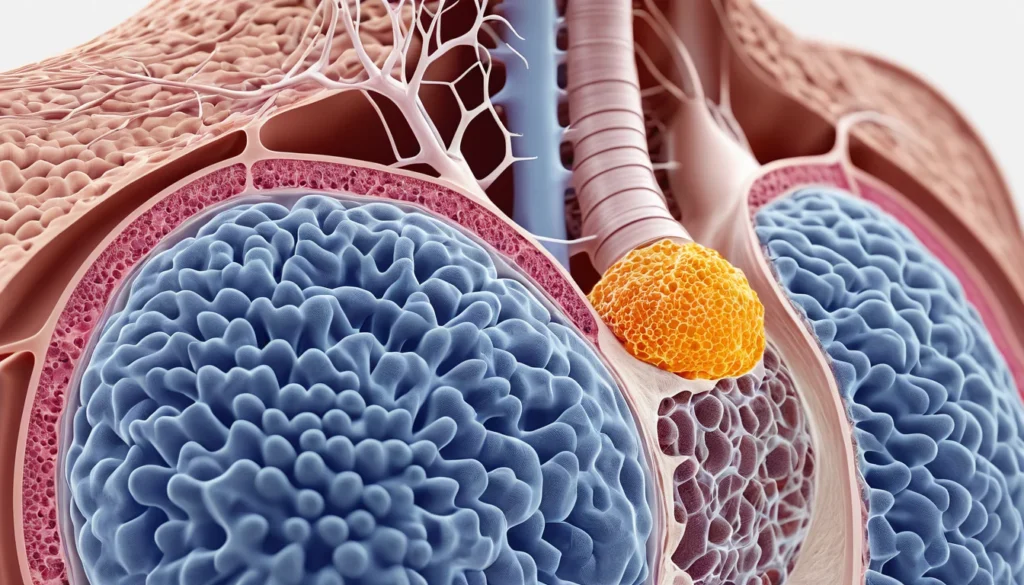
Cancerous cells are larger than normal cells and demand much more blood and nutrients. However, unlike healthy lung cells, they cannot perform any useful function. They cannot move oxygen into your bloodstream or remove carbon dioxide. As a result, the lungs work harder and harder just to keep up.
The Two Main Types of Lung Cancer
Doctors generally classify lung cancer into two major categories. The first is non-small cell lung cancer (NSCLC), which is the most common type. It includes cancers that start in the alveoli or larger bronchial tubes. The second is small cell lung cancer (SCLC), which is less common but tends to grow and spread more quickly.
Lung cancer can affect one lung or both lungs. It can stay in one lobe — the right lung has three lobes and the left has two — or it can spread across multiple lobes. When cancer spreads to lymph nodes or other organs such as the liver or brain, it is called metastatic lung cancer. This stage usually carries a more serious prognosis.
According to the World Health Organization’s cancer fact sheet, lung cancer remains one of the leading causes of cancer death globally, with approximately 1.4 to 1.8 million deaths recorded each year.
Lung Cancer Risk Factors
Knowing your risk factors is a powerful first step. Some factors you can control, and others you cannot. However, being aware of all of them helps you and your doctor make better decisions about screening and prevention.
Smoking
Smoking is by far the biggest risk factor for lung cancer. Research shows that smoking is linked to over 80% of all lung cancer cases. This includes cigarettes, cigars, and pipes. The longer you smoke and the more you smoke each day, the higher your risk.
Tobacco smoke does serious damage to the cells lining your airways. Furthermore, smoking changes the haemoglobin in your red blood cells — converting it into methhaemoglobin. This altered form cannot carry oxygen and carbon dioxide properly. As a result, your blood becomes less efficient at delivering oxygen throughout your body.
In addition to lung cancer, smoking is linked to cancers of the lips, throat, and larynx, as well as serious heart disease. Quitting smoking at any age reduces your risk. Talk to your family doctor or pharmacist about smoking cessation programmes available through your provincial health plan.
Second-Hand Smoke
You do not have to smoke yourself to face a higher risk. Second-hand smoke — breathing in someone else’s cigarette smoke — is also a confirmed risk factor for lung cancer. This is especially important for children and non-smoking adults who live or work with smokers.
Workplace and Environmental Exposures
Certain jobs put workers at higher risk of lung cancer. For example, people who work with asbestos face a significantly elevated risk. Workers in wood processing, resin manufacturing, flooring, automotive, textile, and footwear industries may breathe in fine particles and toxic chemicals daily.
These tiny particles damage the lining of the airways over time. With repeated exposure, these injuries can eventually trigger the development of lung cancer. If you work in one of these industries, ask your employer about workplace safety protections and speak with your doctor about monitoring your lung health.
Air Pollution
Daily exposure to urban air pollution also plays a role. People who live in heavily polluted areas or who spend long hours outdoors near heavy traffic face ongoing exposure to toxic airborne chemicals. Over time, this exposure can damage lung tissue and raise cancer risk.
Secondary Lung Cancer (Metastases)
Sometimes lung cancer does not start in the lung at all. Cancer from other organs — such as the liver, ovaries, or peritoneum — can travel through the lymphatic system and settle in the lungs. This is called secondary lung cancer or pulmonary metastases. It is treated differently from primary lung cancer, so accurate diagnosis is essential.
For more detailed information on risk factors, visit Health Canada’s official health resources.
Stages of Lung Cancer
Lung cancer is staged using the TNM system, which looks at the size of the tumour (T), whether it has spread to lymph nodes (N), and whether it has spread to other parts of the body (M). Based on this, doctors assign a stage from I to IV.
Stages I and II are considered early-stage lung cancer. At these stages, the tumour is still relatively small and has not spread far. Unfortunately, lung cancer at these stages often causes no obvious symptoms. Many people do not know anything is wrong.
Stages III and IV involve more extensive spread. Stage IV means the cancer has spread to distant organs. At this point, treatment becomes more complex, and the focus may shift toward managing symptoms and maintaining quality of life.
Early detection significantly improves outcomes. This is why regular check-ups with your family doctor matter, especially if you have known risk factors.
Signs and Symptoms of Lung Cancer
Lung cancer symptoms often appear gradually and can easily be mistaken for other conditions like a cold or bronchitis. This is one reason why so many cases are caught late.
Early Warning Signs
In the early stages, symptoms may feel mild and come and go. You might notice shortness of breath during activities that never used to wind you. You may also feel a persistent sensation of breathlessness in the morning after waking up or when changing positions quickly.
Frequent respiratory infections — such as repeated bouts of bronchitis or what feels like a constant cold — can also be an early warning sign. Furthermore, smokers often dismiss these symptoms as a normal part of smoking, which delays diagnosis.
The Smoker’s Cough
One well-known early symptom is smoker’s cough. This dry, persistent cough typically appears in the morning after waking. It may also flare up in cold air or fresh mountain-style air. Many people blame it on their smoking habit or the weather. However, it is worth discussing with a doctor, especially if it changes in character or frequency.
Later-Stage Symptoms
As lung cancer progresses, symptoms become more noticeable and harder to ignore. These may include:
Coughing up blood or blood-tinged mucus
Severe shortness of breath even at rest or with minimal activity
Nighttime breathing difficulties
A noticeable drop in blood oxygen levels
Unexplained weight loss or fatigue
Chest pain that worsens with deep breathing or coughing
If you or someone you know experiences any of these symptoms, it is important to seek medical attention promptly. Do not wait to see if they go away on their own.
The Mayo Clinic’s guide to lung cancer symptoms and causes provides additional detail on what to watch for.
Lung Cancer Treatment Options
Treatment for lung cancer depends on the type, stage, and your overall health. Your medical team — which may include a respirologist, oncologist, and surgeon — will work together to create a plan that is right for you. In Canada, these specialists are accessible through referrals from your family doctor within your provincial health system.
Surgery
For early-stage lung cancer, surgery may be recommended to remove the tumour and surrounding tissue. This can involve removing a small section of the lung, an entire lobe, or in some cases, an entire lung. Surgery is most effective when the cancer has not spread beyond the lung.
Chemotherapy
Chemotherapy uses powerful drugs to kill cancer cells. It can be used before surgery to shrink a tumour, after surgery to destroy remaining cancer cells, or as the main treatment when surgery is not possible. Chemotherapy is often given in cycles, with rest periods in between to allow your body to recover.
Radiation Therapy
Radiation therapy uses high-energy beams to target and destroy cancer cells. It is sometimes used alongside chemotherapy or as an alternative to surgery for patients who cannot undergo an operation. It can also help relieve symptoms in advanced-stage cancer.
Targeted Therapy and Immunotherapy
Newer treatments are available for certain types of lung cancer. Targeted therapy uses drugs designed to attack specific genetic mutations in cancer cells. Immunotherapy helps your own immune system recognise and fight the cancer. These treatments are typically recommended after genetic testing of the tumour and are part of a growing area of cancer care in Canada.
When to See a Doctor
If you have any of the symptoms described above — especially a persistent cough, shortness of breath, or coughing up blood — contact your family doctor as soon as possible. Do not wait for things to get worse. If your family doctor is not available, a walk-in clinic can assess your symptoms and arrange referrals if needed.
You should also speak with your doctor if you are a long-time smoker, have worked in a high-risk industry, or have a family history of lung cancer. Your doctor can discuss whether you qualify for a lung cancer screening programme through your provincial health plan. Low-dose CT scanning is available in some provinces for high-risk individuals and can detect lung cancer at an earlier, more treatable stage.
This article is for informational purposes only and does not replace professional medical advice. Always consult a qualified healthcare provider for diagnosis and treatment decisions.
Frequently Asked Questions About Lung Cancer
What are the first signs of lung cancer?
Early signs of lung cancer can include a persistent cough, shortness of breath during light activity, and frequent respiratory infections. Many people also notice a smoker’s cough in the morning. Because these symptoms are easy to mistake for other conditions, lung cancer is often caught late — which is why regular check-ups with your family doctor are so important.
Can you get lung cancer if you have never smoked?
Yes, non-smokers can develop lung cancer. Risk factors for non-smokers include second-hand smoke exposure, radon gas in the home, workplace exposure to asbestos or toxic chemicals, and air pollution. In some cases, lung cancer in non-smokers is linked to specific genetic mutations that have nothing to do with smoking.
Is lung cancer treatable if caught early?
Yes, early-stage lung cancer is much more treatable than advanced-stage cancer. When lung cancer is detected at Stage I or II, surgery can often remove the tumour successfully. Survival rates drop significantly in later stages, which is why early detection through screening and regular medical check-ups is so important.
How is lung cancer diagnosed in Canada?
Lung cancer is typically diagnosed through a combination of imaging tests, such as a chest X-ray or CT scan, followed by a biopsy to confirm the presence of cancer cells. Your family doctor can order initial tests and refer you to a respirologist or oncologist through your provincial health plan. Some provinces also offer low-dose CT screening programmes for high-risk individuals.
What is the difference between small cell and non-small cell lung cancer?
Non-small cell lung cancer (NSCLC) is the most common type, making up roughly 85% of all lung cancer cases. It tends to grow more slowly. Small cell lung cancer (SCLC) is less common but spreads much more rapidly and is more often linked to heavy smoking. Treatment approaches differ between the two types, so accurate diagnosis is essential.
Does quitting smoking reduce the risk of lung cancer?
Yes, absolutely. Quitting smoking at any age reduces your risk of developing lung cancer over time. The longer you stay smoke-free, the more your risk decreases. Your family doctor or pharmacist can connect you with smoking cessation programmes, many of which are covered under provincial health plans across Canada.
Key Takeaways
Lung cancer is the leading cause of cancer death worldwide, claiming over 1.4 million lives each year.
Smoking is responsible for more than 80% of lung cancer cases, but non-smokers can develop it too.
Other risk factors include second-hand smoke, asbestos exposure, workplace chemicals, and air pollution.
Early-stage lung cancer often causes no symptoms — making screening and routine check-ups critical.
Key warning signs include a persistent cough, shortness of breath, and coughing up blood.
Treatment options include surgery, chemotherapy, radiation, targeted therapy, and immunotherapy.
If you have concerns, speak with your family doctor or visit a walk-in clinic. Early action saves lives.