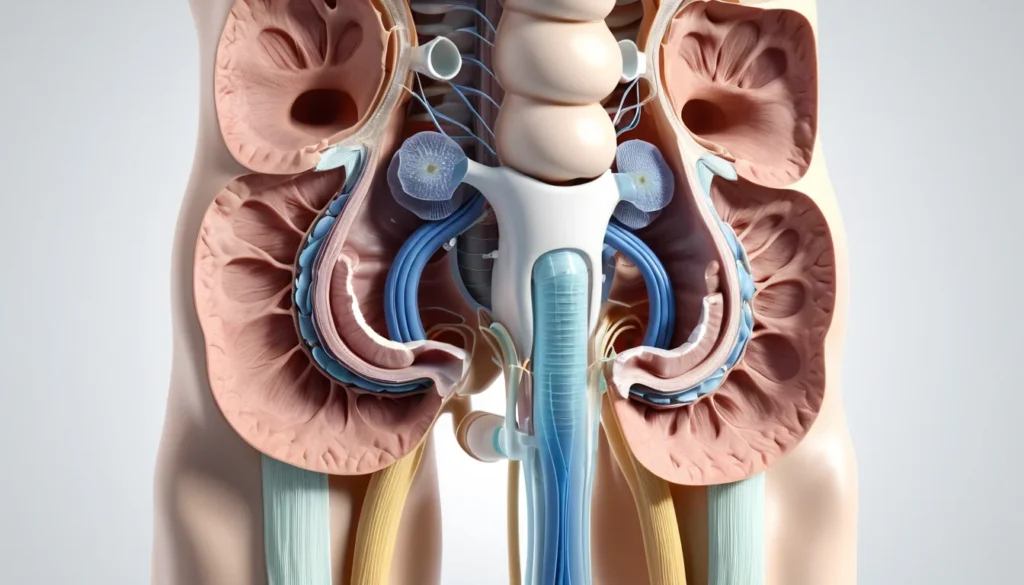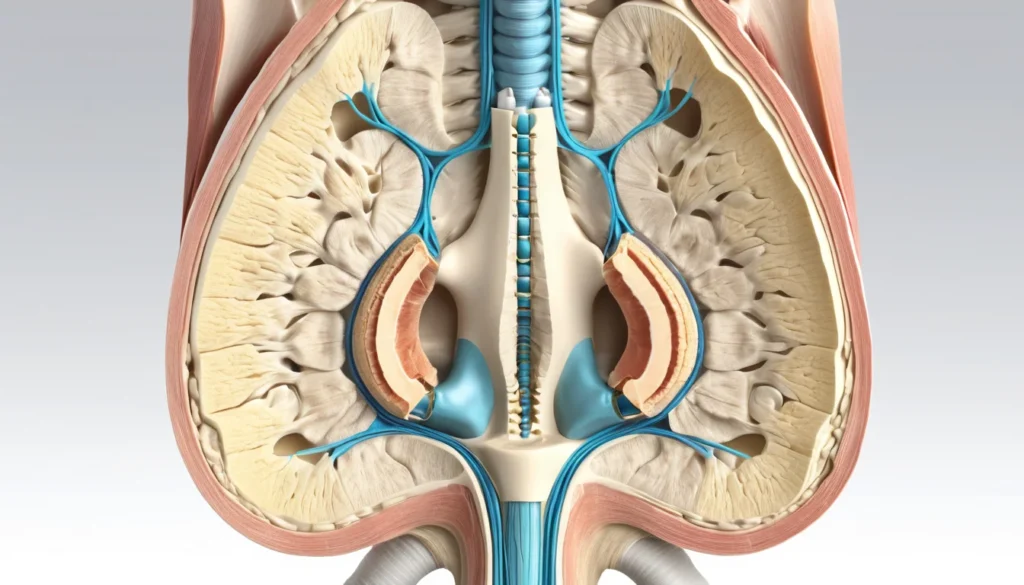
A lumbar puncture, often called a spinal tap, is a medical procedure used to collect or examine the fluid surrounding your brain and spinal cord. It can also be used to deliver medication or a contrast dye directly into the spinal canal. Understanding what a lumbar puncture involves can help ease anxiety and prepare you for what to expect before, during, and after the procedure.
What Is a Lumbar Puncture?
A lumbar puncture is a procedure where a doctor inserts a thin, hollow needle into the lower part of your spine. This area is called the lumbar region, which is why the procedure has that name. The goal is to access the fluid-filled space around your spinal cord.
That fluid is called cerebrospinal fluid, or CSF. It cushions your brain and spinal cord and keeps them protected. By sampling or testing CSF, doctors can learn a great deal about your nervous system health. In some cases, medication or contrast dye may also be injected through the same needle.
According to Mayo Clinic’s guide on lumbar puncture, this procedure is considered safe and well-established when performed correctly by a trained medical professional.
Why Is a Lumbar Puncture Performed?
Doctors use a lumbar puncture for several important reasons. It is a key diagnostic tool for many serious conditions affecting the brain and spinal cord. Your doctor may recommend one if they suspect you have a condition that affects your central nervous system.
Common Diagnostic Reasons
A lumbar puncture can help diagnose or rule out conditions such as:
Meningitis — a dangerous infection of the membranes surrounding the brain and spinal cord
Encephalitis — inflammation of the brain, often caused by infection
Multiple sclerosis — a degenerative disease of the central nervous system
Subarachnoid haemorrhage — bleeding around the brain
Certain types of cancer affecting the brain or spinal cord
Guillain-Barré syndrome — a rare condition where the immune system attacks the nervous system
Furthermore, lumbar punctures can measure the pressure of cerebrospinal fluid. High pressure may indicate a condition called intracranial hypertension. This measurement is an important part of the diagnostic picture.
Therapeutic and Imaging Uses
Beyond diagnosis, doctors also use lumbar punctures to deliver treatment. For example, chemotherapy drugs can be injected directly into the CSF to treat certain cancers. In addition, contrast dye may be introduced before imaging scans called myelograms, which help doctors visualize the spinal canal in detail.
Sometimes, a lumbar puncture is used to relieve pressure by draining excess CSF. This can provide significant relief for patients with specific conditions. Your specialist will explain clearly which purpose the procedure serves in your case.
How Doctors Check If You Are a Candidate
Before performing a lumbar puncture, your doctor must confirm that it is safe for you. Not everyone is a suitable candidate. There are important contraindications that must be ruled out first.
One of the most critical checks involves looking for signs of raised intracranial pressure. This is elevated pressure inside the skull. If intracranial pressure is too high, a lumbar puncture can be dangerous, as draining fluid could cause serious complications.
The Eye Examination
To check for raised intracranial pressure, your doctor will often perform a fundoscopic exam. This is an examination of the back of your eye, called the fundus. The doctor looks for a sign called papilloedema, which is swelling of the optic nerve head caused by increased pressure.
If papilloedema is present, a lumbar puncture will not be performed until imaging — such as a CT scan — confirms it is safe to proceed. This precaution protects you from harm. Your safety always comes first.
Other Contraindications
Other reasons a lumbar puncture may be postponed or avoided include:
Infection at the site where the needle would be inserted
Certain blood clotting disorders or low platelet counts
Use of blood-thinning medications such as warfarin or newer anticoagulants
Suspected spinal instability or certain spinal deformities
However, in the absence of these contraindications, a lumbar puncture is generally considered a low-risk procedure. Your medical team will review your full health history and current medications before proceeding.
What to Expect During the Procedure
Many people feel nervous about a lumbar puncture. Knowing what to expect can make a real difference. The procedure is more manageable than most people imagine.
You will typically lie on your side with your knees pulled up toward your chest, or you may sit hunched forward. This position opens the spaces between the vertebrae in your lower back. Your skin will be cleaned thoroughly and a local anaesthetic will be applied to numb the area.
The Needle Insertion
Once the area is numb, the doctor carefully inserts a thin hollow needle between two vertebrae in the lower back. Most patients feel some pressure rather than sharp pain. The local anaesthetic does an effective job of reducing discomfort.
In many cases, particularly when done in a hospital setting, additional sedation or anaesthesia may be used. This is especially common for children or for patients who are very anxious. The procedure itself typically takes about 30 to 45 minutes from start to finish.
Collecting Cerebrospinal Fluid
Once the needle is in place, CSF flows out slowly through the needle. The doctor collects a small amount in sterile tubes for laboratory testing. Pressure measurements may also be taken at this point using a manometer connected to the needle.
If the purpose is to inject medication or contrast dye, this is done through the same needle. Therefore, only one insertion is needed for multiple purposes. The needle is then carefully removed and a small bandage is placed over the site.
Recovery After a Lumbar Puncture
After a lumbar puncture, you will be asked to lie flat on your back for several hours. This is an important step. Staying flat helps prevent the most common complication of the procedure: a post-lumbar puncture headache.
In a hospital setting, you may be monitored for up to 24 hours following the procedure. You will be encouraged to rest and to drink plenty of fluids. Staying hydrated supports CSF replenishment and may reduce your risk of a headache.
The Post-Lumbar Puncture Headache
A post-lumbar puncture headache is caused by a small, temporary drop in CSF pressure. It usually feels worse when you sit or stand up and better when you lie down. This type of headache typically appears within 24 to 48 hours after the procedure.
As a result of improvements in needle design, post-lumbar puncture headaches are less common today than they used to be. Doctors now use very fine, atraumatic needles that reduce the risk significantly. However, if you develop a severe or persistent headache, you should contact your healthcare provider right away.
Other Possible Side Effects
Additional side effects after a lumbar puncture may include:
Mild back pain or soreness at the needle site
Temporary leg numbness or tingling
Nausea in some cases
Serious complications from a lumbar puncture are rare. According to Healthline’s overview of spinal tap risks and recovery, the risk of significant infection or nerve damage is very low when the procedure is performed under sterile conditions by an experienced clinician.
Lumbar Puncture in the Canadian Healthcare System
In Canada, lumbar punctures are performed in hospitals, outpatient clinics, and neurology centres across the country. Your family doctor or a specialist — such as a neurologist or infectious disease physician — will refer you for this procedure if they believe it is medically necessary. Provincial health plans typically cover lumbar punctures when they are medically indicated.
Wait times can vary depending on your province and the urgency of your condition. If a lumbar puncture is needed urgently — for example, to rule out meningitis — it will be performed quickly in an emergency department. For less urgent diagnostic workups, the procedure may be scheduled within days to weeks at a hospital or specialty centre.
For more general information on diagnostic procedures covered under Canadian provincial plans, you can visit Health Canada’s official health information page. Understanding your provincial coverage helps you plan and reduces unexpected stress.
When to See a Doctor
You should speak with your family doctor or visit a walk-in clinic if you are experiencing symptoms that could indicate a problem with your brain or spinal cord. These might include severe sudden headache, stiff neck, confusion, fever, or unusual neurological symptoms like numbness or weakness.
Your family doctor is your first point of contact in the Canadian healthcare system. They can evaluate your symptoms and refer you to a specialist or hospital if a lumbar puncture is needed. If your symptoms come on suddenly and are severe, go to your nearest emergency department without waiting.
After a lumbar puncture, contact your doctor or go to the emergency room if you notice any of the following warning signs:
A severe headache that does not improve when lying down
Fever or signs of infection at the needle site, such as redness or discharge
Difficulty urinating or loss of bladder control
Numbness, weakness, or paralysis in your legs
Worsening back pain that is not relieved by rest or over-the-counter pain medication
These symptoms are uncommon, but they should always be taken seriously. Early attention from a medical professional leads to better outcomes.
Frequently Asked Questions About Lumbar Puncture
Is a lumbar puncture painful?
A lumbar puncture is generally not very painful for most people. Local anaesthetic is used to numb the lower back before the needle is inserted, so many patients feel only pressure or mild discomfort. Some soreness at the site may last for a day or two after the procedure.
How long does a lumbar puncture take?
The lumbar puncture procedure itself usually takes about 30 to 45 minutes from start to finish. However, you may spend additional time in recovery — often lying flat for several hours — before being discharged or moved to a ward. If you are having the procedure as an outpatient, plan for a half-day visit in total.
What should I do after a lumbar puncture?
After a lumbar puncture, you should rest and lie flat for as long as your healthcare team recommends, typically several hours. Drink plenty of fluids to help replenish cerebrospinal fluid and lower your risk of a post-procedure headache. Avoid strenuous activity for at least 24 hours and follow any specific instructions given by your medical team.
What conditions can a lumbar puncture diagnose?
A lumbar puncture can help diagnose a range of conditions affecting the central nervous system, including meningitis, encephalitis, multiple sclerosis, and certain cancers. It is also used to detect bleeding around the brain and to measure cerebrospinal fluid pressure. Your doctor will explain exactly what they are looking for based on your symptoms.
Are there risks associated with a lumbar puncture?
A lumbar puncture is generally considered safe when performed by a trained physician on an appropriate candidate. The most common side effect is a post-procedural headache, which occurs in a minority of patients and usually resolves with rest and fluids. Serious complications such as infection or nerve injury are rare.
Is a lumbar puncture covered by provincial health plans in Canada?
Yes, a lumbar puncture is covered by provincial health insurance plans across Canada when it is deemed medically necessary by a physician. You do not need to pay out of pocket for the procedure itself when referred through the public healthcare system. Talk to your family doctor if you have questions about coverage or referrals in your province.
Key Takeaways
A lumbar puncture (spinal tap) is a procedure that accesses the cerebrospinal fluid in the lower spine for diagnosis, treatment, or imaging purposes.
It is used to diagnose serious conditions including meningitis, multiple sclerosis, and bleeding around the brain.
Before the procedure, doctors rule out contraindications such as raised intracranial pressure, often by examining the back of the eye.
Most patients experience pressure rather than pain, thanks to local anaesthetic applied beforehand.
After the procedure, lying flat and staying hydrated helps prevent the most common side effect — a post-lumbar puncture headache.
In Canada, the procedure is covered by provincial health plans when medically necessary and is performed in hospitals and specialty centres across the country.
Always consult your family doctor, a walk-in clinic, or visit an emergency department if you have symptoms that concern you or if you experience complications after a lumbar puncture.
This article is for general informational purposes only and does not replace professional medical advice. Always speak with a qualified healthcare provider — such as your family doctor or a specialist — before making decisions about your health or any medical procedure.