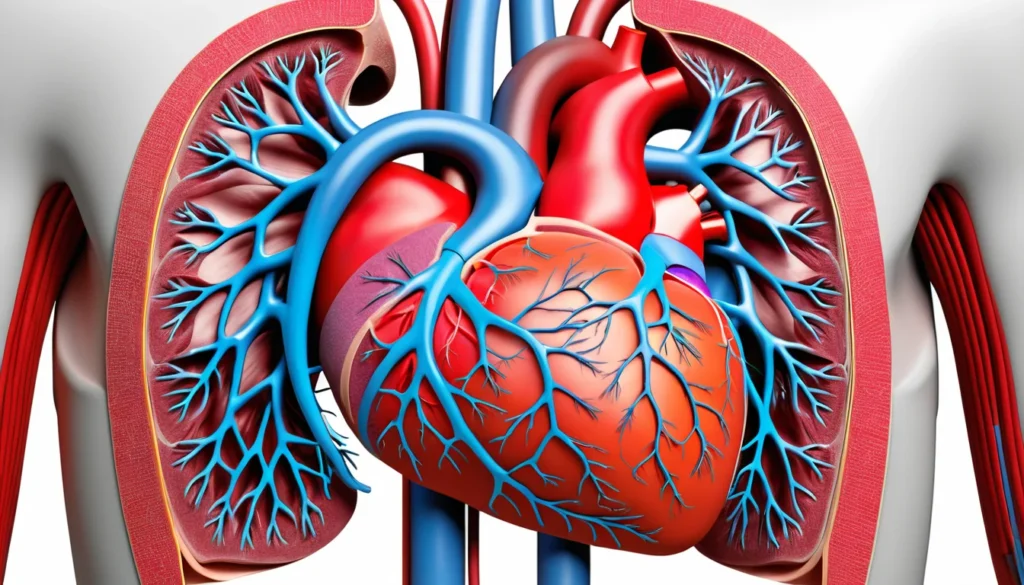
Low blood pressure — known medically as hypotension — happens when your blood pressure reading falls below 90/60 mmHg. For most healthy adults, a normal reading sits around 120/80 mmHg. While low blood pressure can actually be a sign of good cardiovascular health in athletes, it can also signal an underlying problem — especially in older adults. This article explains what low blood pressure is, what causes it, and when you should speak with a healthcare provider.
What Is Low Blood Pressure?
Blood pressure measures the force of blood pushing against your artery walls. It is recorded as two numbers: systolic (the pressure when your heart beats) over diastolic (the pressure when your heart rests between beats). A reading below 90/60 mmHg is considered low blood pressure.
In healthy people, especially athletes, low blood pressure is often a sign that the heart and blood vessels are working efficiently. However, when blood pressure drops too low — particularly if it happens suddenly — the brain and other vital organs may not receive enough blood. This can cause dizziness, fainting, and other serious symptoms.
Chronic low blood pressure on its own is rarely dangerous. The real concern is when blood pressure drops suddenly, cutting off adequate blood flow to the brain.
Understanding Orthostatic Hypotension
One of the most common forms of low blood pressure is called orthostatic hypotension, also known as postural hypotension. This occurs when your blood pressure drops suddenly after you stand up from a lying or seated position. You may feel dizzy, lightheaded, or briefly faint.
When you stand up, gravity pulls blood down into your legs. Normally, your autonomic nervous system — the part of your nervous system that controls involuntary functions like heartbeat — quickly responds. It signals the heart to beat faster and the blood vessels to tighten, keeping your blood pressure stable.
In people with orthostatic hypotension, this automatic response is too slow or does not happen at all. As a result, blood pressure falls before the body can compensate. This is why symptoms often appear in the first few seconds after standing.
How Common Is Orthostatic Hypotension?
Orthostatic hypotension becomes more common with age. Researchers estimate that between 10 and 20 percent of older adults experience it. As we age, blood flow to the brain naturally decreases — sometimes due to a build-up of plaque in the arteries (atherosclerosis). This makes older adults more vulnerable to sudden drops in blood pressure.
In addition, postprandial hypotension — a drop in blood pressure after eating a meal — affects up to one-third of older adults. This is a common but often overlooked cause of dizziness and falls after meals.
Common Causes of Low Blood Pressure
Low blood pressure does not always have one clear cause. However, several conditions and lifestyle factors are known to contribute. Understanding these causes can help you and your family doctor find the right approach.
Medical Conditions Linked to Low Blood Pressure
Heart conditions — such as heart failure or abnormal heart rhythms (arrhythmias), which reduce the heart’s ability to pump blood effectively
Hormonal disorders — including an underactive thyroid (hypothyroidism), an overactive thyroid (hyperthyroidism), low blood sugar (hypoglycaemia), and diabetes
Nervous system disorders — such as autonomic neuropathy or Shy-Drager syndrome, which affect the nerves that regulate blood pressure
Peripheral neuropathy — including nerve damage caused by diabetic neuropathy
Liver disease — which can affect blood volume and circulation
Cardiovascular disease — including atherosclerosis, where arteries become narrowed and stiff
Nutritional deficiencies — such as low levels of vitamin B12 or other essential nutrients
Amyloidosis — a rare condition where an abnormal protein builds up in the body’s organs
Spinal cord injuries — which can disrupt the body’s ability to regulate blood pressure
Lifestyle and Situational Causes
Low blood pressure can also happen to otherwise healthy people. Common triggers include:
Dehydration — not drinking enough fluids, especially in hot weather
Prolonged standing or sitting in the heat
Skipping meals or not eating enough
Advanced fatigue or exhaustion
Pregnancy — blood pressure often drops during the first and second trimesters
Strong emotions, fear, or anxiety
Blood loss during menstruation
Severe infections (septicaemia) that affect the whole body
Severe dehydration from vomiting or diarrhoea, which also causes electrolyte loss
Severe allergic reactions (anaphylaxis)
Hypothermia (dangerously low body temperature) or heat stroke
Medications That Can Cause Low Blood Pressure
Several prescription and over-the-counter medications are strongly linked to low blood pressure. If you take any of these, speak with your family doctor or pharmacist about monitoring your blood pressure.
Medications most commonly associated with orthostatic hypotension include:
Blood pressure medications — diuretics (water pills), beta-blockers, calcium channel blockers, and ACE inhibitors
Nitrates — often used for chest pain (angina), these relax and widen blood vessels
Antidepressants — particularly tricyclic antidepressants
Anti-Parkinson’s medications — which affect the nervous system
Antipsychotics and neuroleptics — used for certain mental health conditions
Anxiety medications, sedatives, and sleep aids — which can lower blood pressure as a side effect
Overuse of over-the-counter medications — always follow dosage instructions carefully
Never stop taking a prescribed medication without speaking to your doctor first. However, if you suspect your medication is causing dizziness or low blood pressure, your doctor may be able to adjust your dose or suggest an alternative.
Symptoms of Low Blood Pressure
Many people with mildly low blood pressure have no symptoms at all. However, when blood pressure drops too quickly or falls very low, you may notice the following:
Dizziness or lightheadedness, especially after standing up
Fainting or near-fainting (syncope)
Blurred or temporary vision changes
Nausea
Fatigue or general weakness
Difficulty concentrating
Cold, pale, or clammy skin
Rapid or shallow breathing
A sudden, severe drop in blood pressure is a medical emergency. It can deprive the heart, brain, and kidneys of oxygen very quickly. For example, a drop from 120/80 to 80/50 can cause shock and requires immediate medical attention.
Learn more about how blood pressure affects your health from Health Canada’s official health resources.
Risk Factors: Who Is Most Affected?
While anyone can develop low blood pressure, certain groups face a higher risk. Knowing your risk can help you take preventive steps.
Older Adults
Both high and low blood pressure become more common as we age. This happens partly due to natural changes in the heart, blood vessels, and nervous system. Older adults — particularly those with high blood pressure or autonomic nervous system problems — are most likely to experience postural hypotension.
People With Chronic Conditions
If you have diabetes, heart disease, Parkinson’s disease, or a neurological condition, your risk of low blood pressure is higher. Furthermore, if you are managing multiple conditions with several medications, the combined effect can sometimes lower blood pressure more than expected.
Pregnant Women
Blood pressure naturally falls during pregnancy, especially in the first and second trimesters. This is normal, but it is worth monitoring at your prenatal appointments.
For more detail on blood pressure ranges and what they mean, visit the Mayo Clinic’s guide to low blood pressure.
When to See a Doctor
If you regularly feel dizzy or lightheaded after standing up, it is a good idea to speak with your family doctor. Mild, occasional dizziness may not be serious, but recurring symptoms deserve attention. Your doctor can check your blood pressure in different positions and review your medications.
Visit a walk-in clinic if your regular doctor is unavailable and you are experiencing frequent symptoms. Most provincial health plans across Canada cover these visits, so cost should not be a barrier to getting checked.
Call 911 or go to your nearest emergency room immediately if you or someone you know experiences:
Sudden, severe dizziness or fainting
Chest pain combined with low blood pressure
Signs of shock — rapid breathing, cold clammy skin, confusion, or loss of consciousness
Severe allergic reaction (anaphylaxis)
Heavy bleeding that will not stop
Always consult a qualified healthcare provider before making any changes to your medications or treatment plan. The information in this article is for general educational purposes only and does not replace professional medical advice.
Frequently Asked Questions
What is considered low blood pressure in Canada?
In Canada, low blood pressure is generally defined as a reading below 90/60 mmHg. A normal blood pressure reading is around 120/80 mmHg. If your reading is consistently below 90/60 and you have symptoms like dizziness, speak with your family doctor.
What are the most common symptoms of low blood pressure?
The most common symptoms of low blood pressure include dizziness, lightheadedness, fainting, nausea, and fatigue — especially after standing up quickly. Some people also experience blurred vision or difficulty concentrating. If these symptoms happen regularly, book an appointment with your doctor.
Can dehydration cause low blood pressure?
Yes, dehydration is one of the most common causes of low blood pressure. When your body loses too much fluid — through sweating, vomiting, or diarrhoea — blood volume drops, which can lower your blood pressure. Drinking enough water throughout the day, especially in warm weather, helps prevent this.
Which medications can cause low blood pressure?
Several medications are known to cause low blood pressure as a side effect, including diuretics, beta-blockers, ACE inhibitors, nitrates, antidepressants, and sedatives. If you suspect your medication is making you dizzy or lightheaded, do not stop taking it on your own — talk to your family doctor or pharmacist first.
Is low blood pressure dangerous?
Mild, chronic low blood pressure is usually not dangerous on its own. However, a sudden drop in blood pressure can be serious because it can reduce blood flow to the brain, heart, and kidneys. Seek emergency care immediately if you experience fainting, chest pain, confusion, or signs of shock.
Why do I feel dizzy when I stand up quickly?
Feeling dizzy when you stand up quickly is a sign of orthostatic hypotension, a form of low blood pressure that occurs when blood temporarily pools in your legs after you change position. It is especially common in older adults and people taking blood pressure medications. Standing up slowly and staying well hydrated can help reduce this symptom.
Key Takeaways
Low blood pressure is defined as a reading below 90/60 mmHg.
In healthy people — especially athletes — low blood pressure can be a positive sign of cardiovascular fitness.
Orthostatic (postural) hypotension is the most common type and causes dizziness when standing up.
Common causes include dehydration, medications, heart conditions, hormonal disorders, and nervous system problems.
Older adults are at the highest risk, with an estimated 10 to 20 percent experiencing postural hypotension.
Several common medications — including blood pressure drugs, antidepressants, and sedatives — can trigger low blood pressure.
Speak with your family doctor or visit a walk-in clinic if you experience recurring dizziness or fainting. Most provincial health plans in Canada cover these visits.
A sudden, severe drop in blood pressure is a medical emergency — call 911 immediately.
For further reading on cardiovascular health and blood pressure management, explore resources from the World Health Organization on cardiovascular diseases.