Loeys-Dietz syndrome is a rare genetic disorder that affects connective tissue throughout the body. Connective tissue gives your bones, ligaments, muscles, and blood vessels their strength and flexibility. Because it touches so many systems at once, this condition can cause a wide range of symptoms — from heart problems to skeletal changes to skin differences. If you or someone you love has been told they may have this condition, this guide will help you understand what it means and what steps to take next.
What Is Loeys-Dietz Syndrome?
Loeys-Dietz syndrome was first described in 2005. It shares some features with Marfan syndrome and Ehlers-Danlos syndrome. However, it is caused by different genetic mutations and must be managed differently.
Connective tissue disorders can affect the entire body. This includes the skeletal system, skin, heart, eyes, and immune system. Because Loeys-Dietz syndrome is relatively newly discovered, researchers are still learning about its full range of effects.
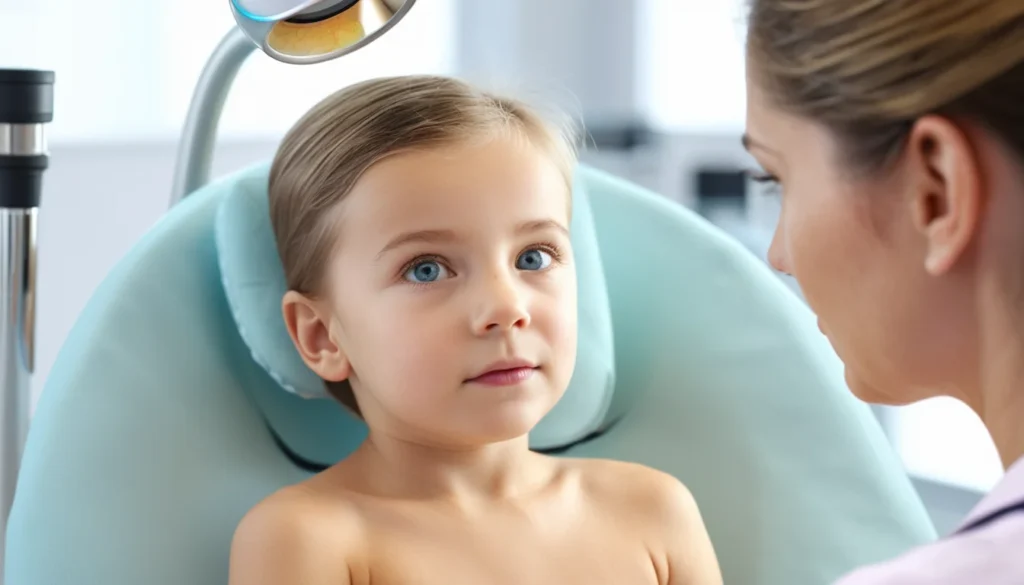
People with Loeys-Dietz syndrome often have distinct facial features. These include widely spaced eyes, a split in the soft part of the roof of the mouth (called a bifid uvula), and eyes that point in different directions (strabismus).
Types of Loeys-Dietz Syndrome
There are five types of Loeys-Dietz syndrome. Each type depends on which gene mutation causes the disorder.
Type I: Caused by mutations in the TGFBR1 gene
Type II: Caused by mutations in the TGFBR2 gene
Type III: Caused by changes in the SMAD3 gene
Type IV: Caused by mutations in the TGFB2 gene
Type V: Caused by changes in the TGFB3 gene
Because this is a newer diagnosis, scientists are still studying how each type behaves differently. Research into Loeys-Dietz syndrome continues to grow each year.
What Parts of the Body Does Loeys-Dietz Syndrome Affect?
As a connective tissue disorder, Loeys-Dietz syndrome can touch almost any part of the body. However, certain areas are more commonly involved.
Heart and aorta (the body’s main artery)
Other blood vessels
Eyes
Face and skull
Spine and skeleton
Joints
Skin
Immune system
Digestive system
Hollow organs, such as the spleen, uterus, and intestines
It is important to know that symptoms vary widely from person to person. Two people with Loeys-Dietz syndrome may have very different experiences.
Symptoms of Loeys-Dietz Syndrome
Symptoms of Loeys-Dietz syndrome can appear at any point — from childhood through adulthood. Their severity also varies greatly from one person to the next.
Cardiovascular Symptoms
The heart and blood vessels are among the most seriously affected areas. These symptoms can be life-threatening if not monitored carefully.
Aortic enlargement: The aorta widens beyond its normal size
Aneurysm: A bulge in a blood vessel wall that can rupture
Aortic dissection: A sudden tear in the layers of the aorta wall
Twisted arteries: Arteries that follow an abnormal, winding path
Heart defects: Structural problems present from birth
For more information on aortic conditions, Healthline’s guide to aortic aneurysms provides a helpful overview.
Facial Features
Many people with Loeys-Dietz syndrome share certain facial characteristics. These features can help doctors identify the condition early.
Widely spaced eyes (hypertelorism)
Bifid uvula (a split in the dangling tissue at the back of the throat)
Cleft palate (an opening in the roof of the mouth)
Premature fusion of skull bones (craniosynostosis)
Bluish tint to the whites of the eyes
Small or receding chin
Low or flat cheekbones
Skeletal Symptoms
The bones and joints are also commonly affected by Loeys-Dietz syndrome. These problems can impact movement and quality of life.
Unusually long fingers and toes
Finger contractures (fingers that cannot fully straighten)
Clubfoot (feet turned inward at birth)
Scoliosis (curvature of the spine)
Unstable spine
Loose, overly flexible joints
Sunken chest (pectus excavatum) or protruding chest (pectus carinatum)
Early-onset osteoarthritis
Flat feet
Skin Symptoms
Skin changes are another hallmark of this condition. These symptoms are often noticeable from an early age.
Translucent or see-through skin
Soft, velvety skin texture
Easy bruising
Higher risk of internal bleeding
Eczema
Unusual scarring
Eye Symptoms
Eye problems are also common in Loeys-Dietz syndrome. In some cases, these require ongoing specialist care.
Nearsightedness (myopia)
Problems with the eye muscles
Crossed eyes (strabismus)
Retinal detachment
Immune System and Digestive Symptoms
Some people with Loeys-Dietz syndrome also experience immune-related and digestive problems. These can include food or environmental allergies, inflammatory bowel disease, and asthma.
Causes of Loeys-Dietz Syndrome
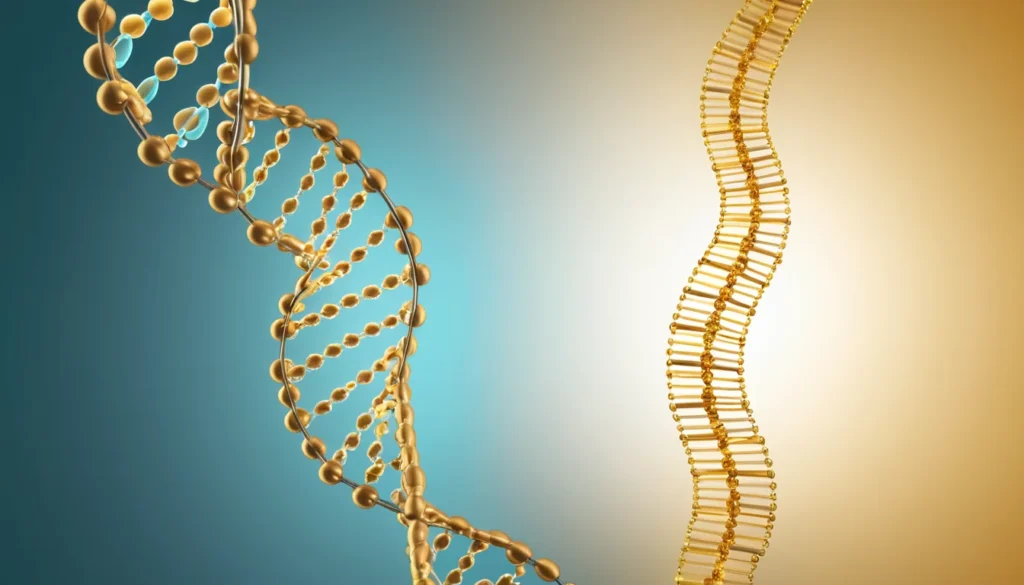
Loeys-Dietz syndrome is caused by a mutation in one of five genes: TGFBR1, TGFBR2, SMAD3, TGFB2, or TGFB3. These genes play a role in how connective tissue develops and functions.
The disorder follows an autosomal dominant inheritance pattern. This means that only one copy of the mutated gene is enough to cause the condition. Therefore, if one parent has Loeys-Dietz syndrome, each child has a 50% chance of inheriting it.
However, about 75% of cases occur in people with no family history of the syndrome. In these situations, the genetic mutation happens on its own, before birth. This is called a de novo mutation.
You can learn more about how genetic disorders are inherited through Health Canada’s genetic health resources.
Loeys-Dietz Syndrome and Pregnancy
Pregnancy requires special planning for women with Loeys-Dietz syndrome. It is strongly recommended to speak with a geneticist before becoming pregnant.
Pregnancy puts extra stress on the heart and blood vessels. As a result, women with this condition face a much higher risk of aortic dissection and uterine rupture — both during pregnancy and shortly after delivery.
Women with aortic enlargement or heart defects should discuss these risks with their care team before trying to conceive. This type of pregnancy is generally considered high-risk and will likely require close monitoring throughout.
Furthermore, some medications used to treat Loeys-Dietz syndrome are not safe during pregnancy. They carry an increased risk of birth defects or pregnancy loss. Always review your medications with your doctor before becoming pregnant.
Treatment Options for Loeys-Dietz Syndrome
There is currently no cure for Loeys-Dietz syndrome. However, treatment can help manage symptoms, prevent complications, and improve quality of life.
In the past, many people with this condition were misdiagnosed with Marfan syndrome. It is now understood that Loeys-Dietz syndrome requires its own distinct treatment approach. Working with a specialist who knows this condition is essential.
Monitoring the Heart and Aorta
Because of the high risk of aortic rupture, close and regular monitoring is critical. This typically involves imaging tests such as echocardiograms or MRI scans to track the size of the aorta over time.
Your specialist may recommend these scans every six to twelve months, depending on your situation. Early detection of aortic enlargement gives the best chance for safe, planned intervention.
Medications
Certain medications can help reduce stress on the aorta. Beta-blockers and angiotensin receptor blockers (ARBs) are commonly used for this purpose. Your doctor will decide which option is right for you based on your age, overall health, and specific gene mutation.
Surgery
Surgery may be needed to repair or replace the aorta before it reaches a dangerous size. In Loeys-Dietz syndrome, doctors often recommend surgery at smaller aortic measurements than they would for other conditions. This is because the aorta can dissect at smaller sizes than in Marfan syndrome.
Physiotherapy and Supportive Care
Physiotherapy can help manage joint instability, scoliosis, and muscle weakness. Occupational therapy may also help with daily activities. Bracing, orthotics, or other supportive devices may be recommended for skeletal issues.
Eye and Skin Care
Regular eye exams are important to watch for retinal detachment and other changes. A dermatologist can help manage skin symptoms such as eczema and unusual scarring.
When to See a Doctor
If you notice any of the features described in this article — especially in a child — speak with your family doctor as soon as possible. Early diagnosis makes a significant difference in outcomes for people with Loeys-Dietz syndrome.
Your family doctor can refer you to the appropriate specialists, including a cardiologist, geneticist, or connective tissue clinic. If you do not have a family doctor, a walk-in clinic can help you get started and arrange referrals through your provincial health plan.
Seek emergency care immediately if you or someone you know experiences sudden, severe chest or back pain. This could be a sign of aortic dissection, which is a medical emergency. Do not wait — call 911.
Always consult a qualified healthcare provider before making any decisions about diagnosis or treatment. This article is intended for informational purposes only.
Frequently Asked Questions About Loeys-Dietz Syndrome
What is Loeys-Dietz syndrome and how is it different from Marfan syndrome?
Loeys-Dietz syndrome is a genetic connective tissue disorder caused by mutations in genes such as TGFBR1 or TGFBR2. While it shares some features with Marfan syndrome — such as aortic enlargement and tall stature — it is caused by different gene mutations. As a result, Loeys-Dietz syndrome requires its own specific treatment and monitoring plan.
Is Loeys-Dietz syndrome hereditary?
Yes, Loeys-Dietz syndrome follows an autosomal dominant inheritance pattern, meaning one mutated copy of the gene is enough to cause the condition. If a parent has Loeys-Dietz syndrome, each child has a 50% chance of inheriting it. However, about 75% of cases occur with no family history, due to a spontaneous genetic mutation.
How is Loeys-Dietz syndrome diagnosed?
Loeys-Dietz syndrome is typically diagnosed through a combination of clinical evaluation and genetic testing. A doctor will look for characteristic features such as widely spaced eyes, aortic enlargement, and skeletal changes. Genetic testing can confirm which specific gene mutation is responsible for the condition.
Can people with Loeys-Dietz syndrome live a normal life?
Many people with Loeys-Dietz syndrome live full and meaningful lives with proper medical management. Regular monitoring, appropriate medications, and surgery when needed can greatly reduce the risk of life-threatening complications. Early diagnosis and a strong specialist care team are key to the best possible outcomes.
Is Loeys-Dietz syndrome covered under provincial health plans in Canada?
In Canada, medically necessary specialist visits, diagnostic imaging, and surgeries related to Loeys-Dietz syndrome are generally covered under provincial health plans. Coverage for genetic testing may vary by province. Speak with your family doctor or provincial health authority to understand what is available in your region.