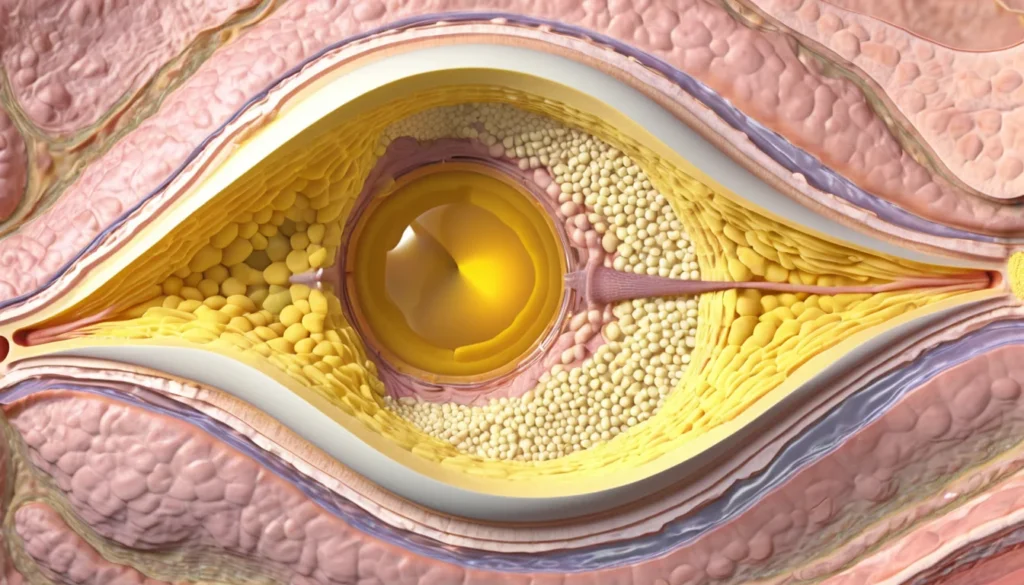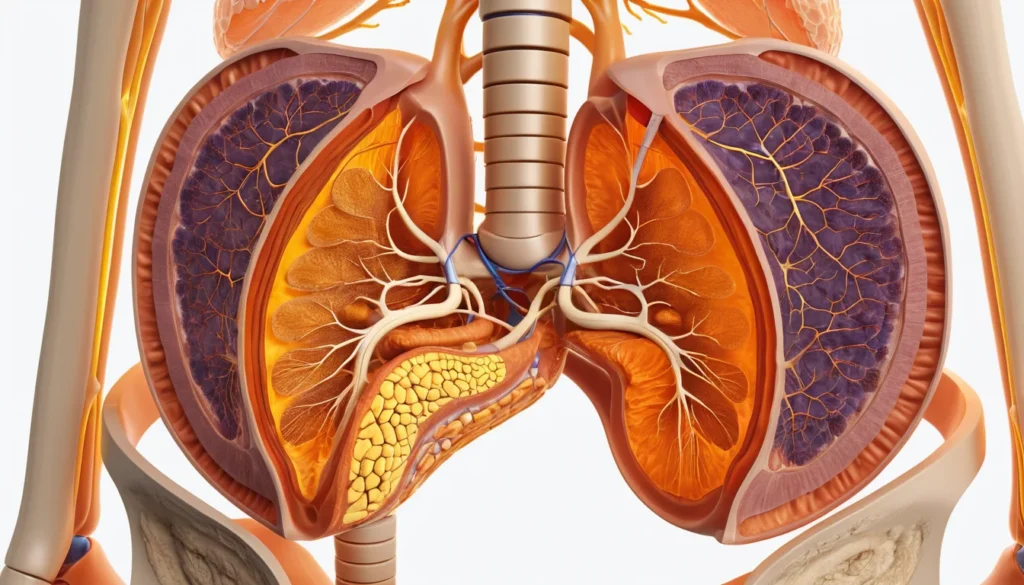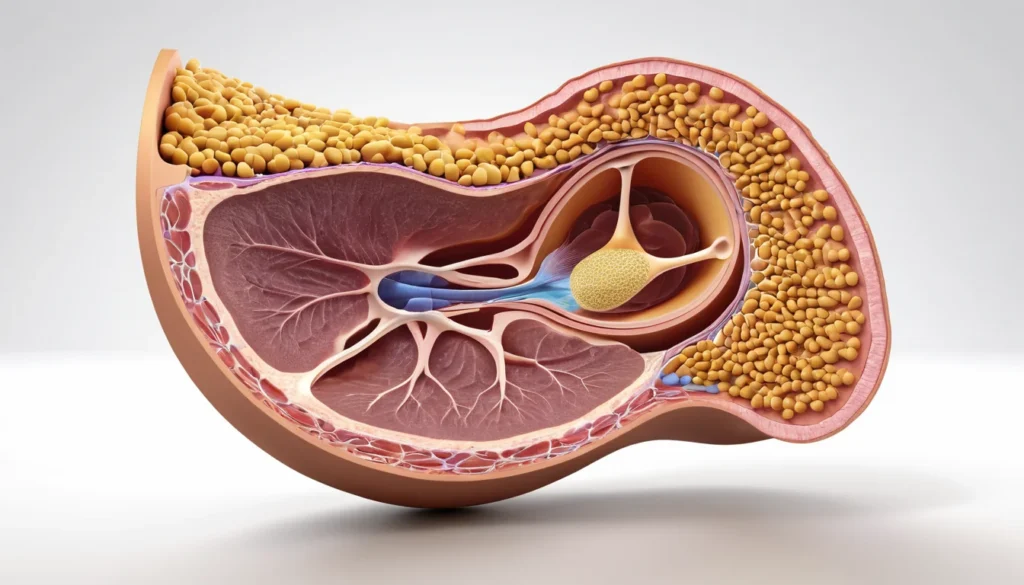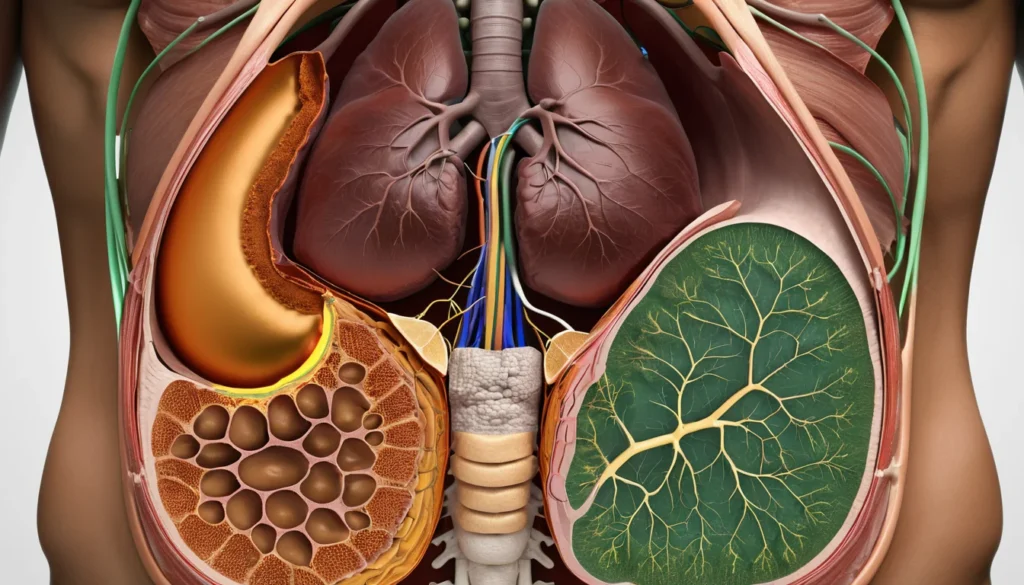
Your liver health matters more than most people realize. The liver is the second-heaviest organ in the body, weighing up to 1.5 kilograms in adults. It sits in the upper right side of your abdomen, just below the diaphragm. It quietly performs hundreds of vital jobs every single day — and when it struggles, your whole body feels it.
What Does Your Liver Actually Do?
Scientists have identified more than 500 functions carried out by the liver. That makes it one of the hardest-working organs in your body. Understanding what it does helps explain why liver health is so important to protect.
Here are some of the liver’s most important jobs:
It produces bile, a fluid that helps your body break down and absorb fats from food.
It filters harmful substances from your blood, including alcohol, ammonia, and certain medications.
It converts glucose into glycogen, storing it as an energy reserve to keep your blood sugar balanced.
It makes cholesterol and special proteins that carry fats through your bloodstream.
It processes old red blood cells, turning haemoglobin into bilirubin, which leaves the body through bile.
It helps absorb vitamin K, which your body needs to form blood clots properly.
It stores vitamins A, D, E, K, and B12, along with minerals like copper and iron.
It filters excess hormones, such as estrogen and aldosterone, from your blood.
Bile also plays a key role in removing waste products from your body through your stool. Without healthy bile production, your digestive system cannot absorb certain nutrients properly.
The Liver’s Amazing Ability to Heal Itself
The liver is unique among human organs. It has a remarkable ability to regenerate — meaning it can rebuild cells that have been damaged by short-term illness or injury. However, this ability has limits.
When the liver suffers repeated or long-term damage, the changes can become permanent. Scar tissue builds up and interferes with normal liver function. At that point, recovery becomes very difficult or impossible. This is why catching liver problems early is so important for your overall liver health.
What Can Damage Your Liver?
Many things can harm your liver over time. Some causes are within your control, and others are not. Common causes of liver damage include:
Drinking too much alcohol
Eating a diet high in unhealthy fats
Long-term use of certain medications
Viral infections, such as hepatitis A, B, C, or E
Genetic conditions passed down through families
Exposure to environmental toxins
Both the amount of alcohol you drink and how long you drink it matter. As consumption increases over time, the risk of developing fatty liver disease, hepatitis, and cirrhosis rises significantly. In Canada and other Western countries, alcohol is one of the leading causes of chronic liver disease.
Liver Health and Alcohol: What You Need to Know
More than 90% of the alcohol you drink is processed by your liver. Your liver converts alcohol into byproducts, some of which are toxic. Drinking regularly overwhelms the liver’s enzyme systems and allows these toxic substances to build up.
Over time, this leads to a progression of liver conditions. First comes fatty liver disease (steatosis), where fat accumulates in liver cells. Next comes alcoholic hepatitis, where the liver becomes inflamed. Finally, cirrhosis can develop — a stage where healthy liver tissue is replaced by permanent scar tissue.
The harmful effects of alcohol on the liver have been documented since the 16th century. Today, health experts across Canada consistently highlight alcohol as a major, preventable risk factor for serious liver disease. For more information, visit Health Canada’s guidance on alcohol and your health.
Everyday Toxins and Your Liver
Modern life exposes us to many substances the liver must filter. Air pollution, food additives, and chemicals hidden in processed foods all add to your liver’s daily workload. Your liver handles this background load constantly, without complaint.
However, adding alcohol or other avoidable substances on top of this puts extra strain on an already busy organ. Think of it this way: your liver is already working overtime dealing with the environment around you. Reducing voluntary toxin exposure — like cutting back on alcohol or ultra-processed foods — gives your liver a much-needed break.
Hepatitis Viruses and Liver Health
Several viruses target the liver directly. At least five viral agents are known to cause acute liver damage: hepatitis A, B, C, D, and E. Each has been identified and can be detected through specific medical tests.
Hepatitis A is often called the “dirty hands disease.” It spreads through contaminated food or water and usually resolves on its own without lasting damage. Good hand hygiene and safe food handling go a long way in preventing it.
Hepatitis B and C are far more aggressive. They spread through blood or unprotected sexual contact. Both can lead to chronic liver disease, cirrhosis, and liver cancer if left untreated. In Canada, free testing for hepatitis B and C may be available through your provincial health plan. Talk to your family doctor about whether you should be tested. You can also learn more from the World Health Organization’s fact sheet on hepatitis C.
Warning Signs of Liver Disease
One of the most dangerous things about liver disease is that it often causes no symptoms in its early stages. Many Canadians live with liver damage for years without knowing it. By the time symptoms appear, the disease may already be advanced.
However, when symptoms do show up, they can include:
Jaundice — yellowing of the skin and whites of the eyes
Abdominal pain or swelling
Swelling in the legs and ankles
Dark-coloured urine
Pale or clay-coloured stools
Nausea or vomiting
Loss of appetite
Bruising easily
If you notice any of these signs, do not wait to get them checked out. Some of these symptoms can have other causes, but they all deserve prompt medical attention. For a full overview of liver disease symptoms, Mayo Clinic’s liver disease resource is a helpful reference.
When to See a Doctor About Your Liver Health
You should speak with your family doctor if you have any of the warning signs listed above. You should also talk to a doctor if you drink alcohol regularly, have a family history of liver disease, or take long-term medications that may affect your liver.
If you do not have a family doctor, a walk-in clinic is a good first step. Many provinces also offer telehealth services where you can speak to a nurse or doctor by phone or video call at no cost. Early detection makes a big difference in liver disease outcomes, so do not put off getting checked.
Your provincial health plan may cover blood tests that check how well your liver is working. These are called liver function tests and are a routine part of many health check-ups. Ask your doctor whether these tests are right for you.
How to Support Good Liver Health Every Day
The good news is that many of the biggest risks to your liver are within your control. Small, consistent choices add up over time and can make a real difference in protecting this vital organ.
Here are practical steps you can take to support your liver health:
Limit alcohol. Follow Canada’s guidance on low-risk drinking. Less is always better for your liver.
Eat a balanced diet. Focus on vegetables, fruit, whole grains, and lean protein. Reduce saturated fats and ultra-processed foods.
Stay at a healthy weight. Excess body fat, especially around the abdomen, increases the risk of fatty liver disease.
Exercise regularly. Physical activity helps your body manage blood sugar and fat more efficiently.
Get vaccinated. Vaccines for hepatitis A and B are safe, effective, and available across Canada.
Use medications carefully. Always follow dosage instructions. Talk to your pharmacist before combining medications.
Practise safe sex and avoid sharing needles. This reduces your risk of hepatitis B and C.
Frequently Asked Questions About Liver Health
What are the early signs of liver damage?
Early liver damage often causes no symptoms at all, which makes it easy to miss. When signs do appear, they may include fatigue, mild abdominal discomfort, or slightly yellowed skin. Supporting your liver health with regular check-ups is the best way to catch problems early.
Can a damaged liver repair itself?
Yes — the liver has a remarkable ability to regenerate after short-term damage. However, repeated or long-term injury, such as that caused by chronic alcohol use, can lead to permanent scarring called cirrhosis. Once cirrhosis develops, the damage cannot be fully reversed.
How much alcohol is safe for the liver?
No amount of alcohol is completely risk-free for liver health. Canada’s updated guidance now recommends that the less alcohol you drink, the better for your overall health. If you drink, staying within low-risk limits and having alcohol-free days each week helps reduce the burden on your liver.
What is the difference between hepatitis B and hepatitis C?
Both hepatitis B and C are viral infections that can seriously damage your liver over time. Hepatitis B can be prevented with a vaccine, while hepatitis C currently has no vaccine but can be cured with modern antiviral medications. Both spread through blood contact or unprotected sex, so testing is important if you are at risk.
What foods are bad for liver health?
Foods high in saturated fat, added sugar, and salt put extra strain on your liver. Ultra-processed foods, fast food, and sugary drinks are particularly hard on liver health over time. A diet rich in vegetables, whole grains, and lean proteins helps your liver function at its best.
How do I get my liver checked in Canada?
You can ask your family doctor or a walk-in clinic for a liver function blood test. This is a routine, low-cost test that checks how well your liver is working and is covered by most provincial health plans. If you have risk factors for liver disease, regular testing is a smart and simple step to take.
Key Takeaways
Your liver performs over 500 functions, including filtering toxins, producing bile, and storing vitamins.
Good liver health depends on limiting alcohol, eating well, staying active, and getting vaccinated against hepatitis.
Liver disease often has no symptoms in its early stages — regular check-ups are the best protection.
The liver can heal from short-term damage, but long-term harm leads to permanent scarring (cirrhosis).
Hepatitis B and C are serious viral threats to liver health and spread through blood and unprotected sex.
If you notice yellowing skin, dark urine, swelling, or unusual fatigue, see your family doctor or visit a walk-in clinic promptly.
Many provincial health plans cover liver function blood tests — ask your doctor if you are due for one.
This article is for general information only and does not replace professional medical advice. Always speak with your family doctor or a qualified healthcare provider about any concerns regarding your liver health or any other medical condition.