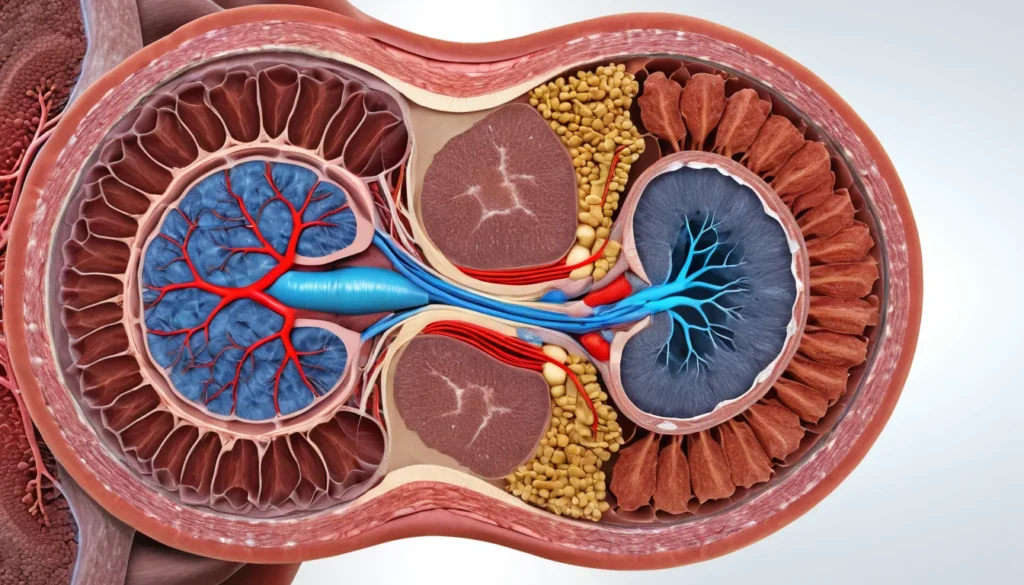
Liver cirrhosis is a serious, potentially life-threatening condition where healthy liver tissue is slowly replaced by scar tissue. Over time, this scarring stops your liver from working properly. In Canada, liver disease affects hundreds of thousands of people, and cirrhosis is one of its most severe forms. This guide explains what liver cirrhosis is, what causes it, what symptoms to watch for, and how doctors diagnose it.
What Is Liver Cirrhosis?
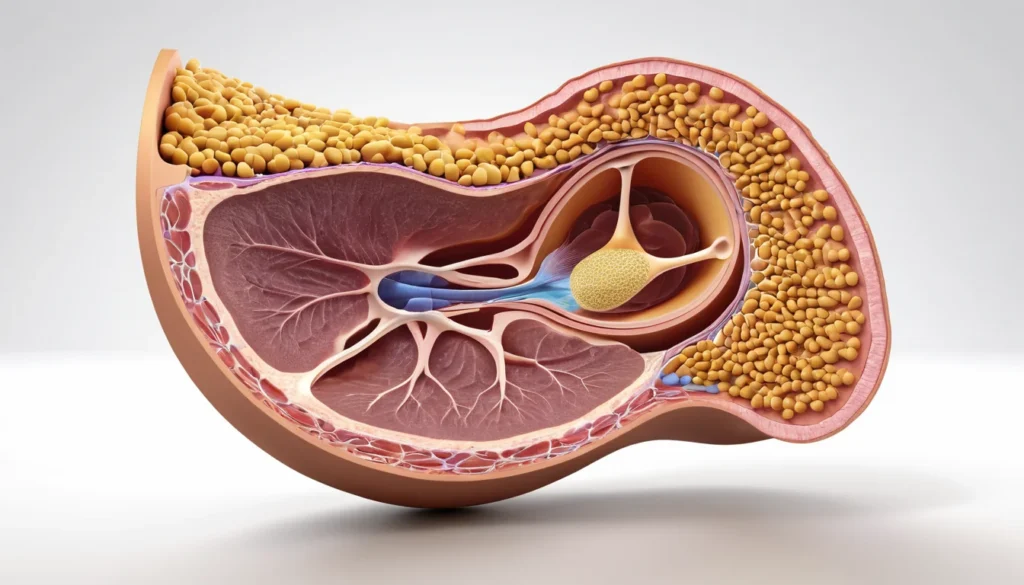
Liver cirrhosis happens when fibrous (scar) tissue builds up inside the liver over many years. This scar tissue replaces healthy liver cells and prevents the liver from doing its job. The liver is one of your body’s hardest-working organs — it filters your blood, helps digest food, and removes toxins.
As cirrhosis develops, the scar tissue surrounds healthy liver cells. This gives the liver a lumpy, nodular appearance. These lumps can block or inflame the bile ducts — the small tubes that carry bile from your liver to your digestive system. When bile cannot flow properly, it backs up into the liver and bloodstream.
Scar tissue can also block blood flow from the intestines to the liver. This raises the pressure inside the portal vein — the large vein that carries blood to your liver. Doctors call this portal hypertension. As a result, fluid can build up in the abdomen, and blood vessels in the digestive tract can become enlarged and bleed.
Common Causes of Liver Cirrhosis
Liver cirrhosis has many possible causes. Some people develop it without any clear reason. Doctors call this cryptogenic cirrhosis. However, two causes account for the majority of cases in Canada: long-term heavy alcohol use and chronic viral hepatitis.
Alcohol-Related Liver Cirrhosis
Drinking heavily over a long period is one of the leading causes of liver cirrhosis. In men, cirrhosis can develop after 10 to 15 years of heavy daily drinking. Women are at risk after a shorter period of heavy use. Overall, at least 10 to 15 percent of people who drink heavily over many years will develop liver cirrhosis.
The numbers are significant. More than 26,000 people die from cirrhosis each year globally, and at least 40 percent of those cases are linked to chronic alcohol use. If you are concerned about your drinking, speaking with your family doctor is a good first step.
Hepatitis B and C
Chronic infection with the hepatitis B or C virus is another major cause of liver cirrhosis. About 40 percent of people with long-term viral hepatitis will eventually develop cirrhosis. The process is slow — it often takes 20 years or more. However, people with viral hepatitis who also drink heavily can develop cirrhosis much faster. Learn more about hepatitis C from the World Health Organization.
Non-Alcoholic Fatty Liver Disease (NAFLD)
Non-alcoholic steatohepatitis (NASH) is a condition where fat builds up in the liver — even in people who rarely or never drink alcohol. This condition is becoming more common in Canada, linked closely to obesity, type 2 diabetes, and poor diet. NASH can quietly progress to liver cirrhosis and may explain many cases once labelled as having an unknown cause.
Other Causes of Liver Cirrhosis
Several other conditions can lead to liver cirrhosis. These include:
Primary biliary cirrhosis — inflammation and blockage of the bile ducts, likely related to an immune system problem
Autoimmune hepatitis — where the immune system mistakenly attacks the liver
Inherited conditions — such as Wilson’s disease, cystic fibrosis, or hemochromatosis (iron overload)
Severe drug reactions — long-term exposure to certain medications or environmental toxins
Alpha-1 antitrypsin deficiency — a rare inherited disorder
Primary sclerosing cholangitis — a long-term bile duct disease
Symptoms of Liver Cirrhosis
One of the challenges with liver cirrhosis is that many people have no symptoms in the early stages. The liver is a resilient organ — it can keep functioning even when partially damaged. Symptoms often appear only when the damage becomes severe.
When symptoms do appear, they can include:
Swelling in the legs and ankles — caused by fluid build-up
A swollen abdomen — fluid collecting in the belly (called ascites)
Fatigue and weakness — feeling very tired even without much activity
Jaundice — yellowing of the skin and the whites of the eyes
Itchy skin — all over the body
Nosebleeds — or bruising easily after minor bumps
Red, blotchy palms — a sign called palmar erythema
Unintended weight loss — and muscle wasting
Abdominal pain or discomfort
Frequent infections — because the liver supports your immune system
Confusion or difficulty thinking clearly — a sign that toxins are affecting the brain
Furthermore, some of these symptoms — like confusion and severe swelling — can signal a medical emergency. Do not wait to seek care if these appear suddenly.
How Doctors Diagnose Liver Cirrhosis
Diagnosing liver cirrhosis usually begins with a physical exam and a review of your medical history. Your doctor will look for signs of liver damage, ask about your drinking habits, any medications you take, and whether you have had hepatitis. From there, a combination of tests helps confirm the diagnosis.
Blood Tests for Liver Inflammation
Blood tests can show whether your liver is inflamed or damaged. Doctors look at several markers:
AST (Aspartate Aminotransferase) — also called GOT; a raised level suggests liver cell damage
ALT (Alanine Aminotransferase) — also called GPT; another marker of liver cell injury
LDH (Lactate Dehydrogenase) — a raised level can indicate liver or blood cell damage
ALP (Alkaline Phosphatase) — a raised level may point to blocked bile ducts
GGT (Gamma-Glutamyl Transferase) — elevated levels can signal alcohol-related liver inflammation or bile duct problems; certain medications like phenobarbital can also raise GGT
Imaging and Liver Biopsy
Imaging tests such as ultrasound, CT scan, or MRI give doctors a picture of your liver. These tools help detect tumours, blocked bile ducts, liver size changes, and problems with blood flow. The Mayo Clinic provides a detailed overview of cirrhosis diagnosis and treatment.
A liver biopsy is the most definitive test. A doctor removes a small sample of liver tissue using a thin needle. A specialist then examines it under a microscope. This is currently the only test that can confirm a cirrhosis diagnosis with certainty.
When to See a Doctor
If you notice any of the symptoms listed above — especially jaundice, significant swelling, or confusion — contact your family doctor as soon as possible. These symptoms should never be ignored. If you do not have a family doctor, a walk-in clinic can assess you and refer you for testing.
In Canada, blood tests and imaging for liver disease are covered under most provincial health plans. Your doctor can arrange these tests through your provincial health care system. Early detection of liver cirrhosis can slow its progression and reduce the risk of life-threatening complications.
If your symptoms are severe — such as vomiting blood, extreme confusion, or a very swollen abdomen — go to your nearest emergency department right away. Health Canada provides resources on liver and hepatitis health for Canadians.
Always speak with a qualified healthcare provider before making any decisions about your health. This article is for informational purposes only and does not replace professional medical advice.
Frequently Asked Questions About Liver Cirrhosis
Can liver cirrhosis be reversed?
Liver cirrhosis cannot be fully reversed, because scar tissue that has already formed is permanent. However, treating the underlying cause — such as stopping alcohol use or managing hepatitis — can slow or stop further damage. In early stages, the liver has some ability to heal itself.
What are the first signs of liver cirrhosis?
Many people with early liver cirrhosis have no symptoms at all. When signs do appear, they often include fatigue, mild abdominal discomfort, and itchy skin. As the condition progresses, more noticeable symptoms like jaundice, swelling, and easy bruising can develop.
How much alcohol causes liver cirrhosis?
There is no completely safe level of alcohol when it comes to liver health, but liver cirrhosis typically develops after many years of heavy daily drinking. For men, this often means 10 to 15 years of high consumption; for women, the threshold is lower. Not everyone who drinks heavily will develop cirrhosis, but the risk is significant.
Is liver cirrhosis the same as liver failure?
Liver cirrhosis and liver failure are related but not the same condition. Cirrhosis refers to the scarring of liver tissue, while liver failure means the liver can no longer perform its essential functions. Severe, end-stage liver cirrhosis can lead to liver failure if left untreated.
Can you live a normal life with liver cirrhosis?
Many people with early-stage liver cirrhosis live active lives, especially when the underlying cause is treated and managed. Lifestyle changes — like stopping alcohol, eating well, and taking prescribed medications — make a significant difference. Regular monitoring by your family doctor or a liver specialist is important.
How is liver cirrhosis diagnosed in Canada?
In Canada, liver cirrhosis is typically diagnosed through a combination of blood tests, imaging (such as ultrasound or CT scan), and sometimes a liver biopsy. These tests are covered under most provincial health plans. Your family doctor or a walk-in clinic can refer you for testing if cirrhosis is suspected.
Key Takeaways
Liver cirrhosis is a serious condition where scar tissue replaces healthy liver tissue, reducing liver function over time.
The most common causes in Canada are long-term heavy alcohol use and chronic hepatitis B or C infection.
Other causes include fatty liver disease (NASH), autoimmune conditions, and inherited disorders.
Many people have no symptoms in the early stages. Symptoms like jaundice, swelling, and confusion appear as the disease advances.
Diagnosis involves blood tests, imaging, and sometimes a liver biopsy — all accessible through your provincial health plan.
Early treatment can slow the progression of cirrhosis and prevent life-threatening complications.
If you have concerns about your liver health, speak with your family doctor or visit a walk-in clinic as soon as possible.