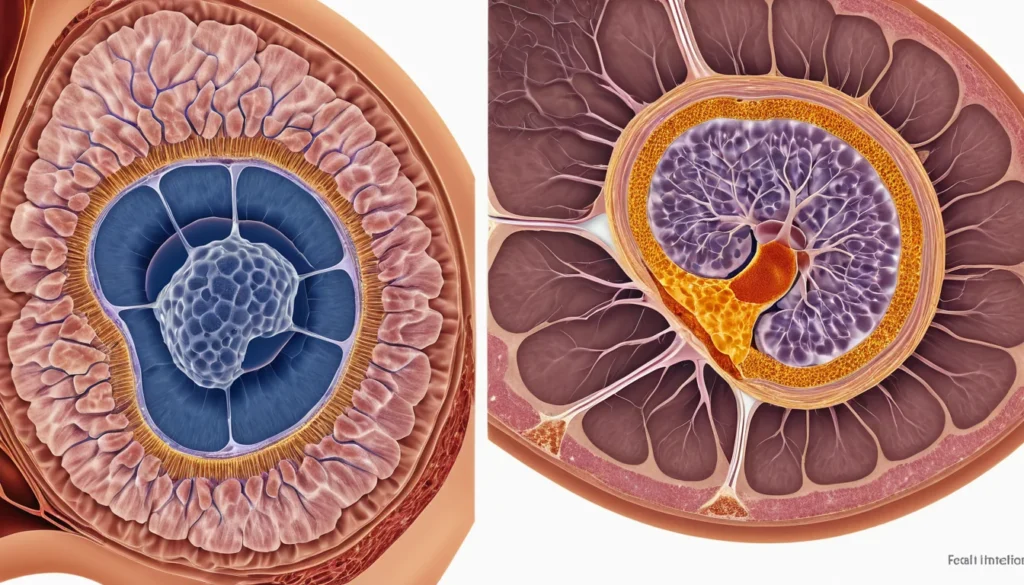
Liver cirrhosis is a serious condition where healthy liver tissue is slowly replaced by scar tissue. Over time, this scarring blocks blood flow through the liver and stops it from working properly. In Canada, liver disease affects hundreds of thousands of people, and many do not know they have it until the damage is already significant. This article explains what causes liver cirrhosis, what symptoms to look for, and what complications can develop if the condition goes untreated.
Why Your Liver Matters
Your liver is the largest organ inside your body. It performs hundreds of tasks that keep you alive and healthy every single day.
For example, your liver filters toxins and harmful chemicals from your blood. It also produces proteins that help control bleeding, fights infection by making antibodies, and releases bile to help you digest fats and absorb vitamins. Without a working liver, survival is not possible.
In liver cirrhosis, nodules and fibrous scar tissue gradually replace healthy liver cells. As a result, the liver becomes less and less able to carry out these essential jobs. According to the World Health Organization, cirrhosis is one of the leading causes of liver-related death worldwide, claiming tens of thousands of lives each year.
Common Causes of Liver Cirrhosis
There are many possible causes of liver cirrhosis. However, a few stand out as the most common in Canada.
Chronic Alcohol Use
Heavy, long-term alcohol use is one of the leading causes of liver cirrhosis. In general, cirrhosis from alcohol tends to develop after more than 10 years of heavy drinking.
The amount of alcohol that can cause damage varies from person to person. Research suggests that women who drink two to three alcoholic drinks per day, and men who drink three to four per day, put their livers at significant risk. Alcohol appears to damage the liver by interfering with the normal breakdown of proteins, fats, and sugars.
Chronic Hepatitis C
Along with heavy alcohol use, chronic hepatitis C is one of the most common causes of liver cirrhosis in Canada. The hepatitis C virus causes ongoing inflammation inside liver tissue. Over several decades, this inflammation slowly destroys liver cells and leads to widespread scarring.
Many Canadians living with hepatitis C were infected years or even decades ago and may not yet have symptoms. Furthermore, effective treatments are now available in Canada through provincial health plans, so early testing is very important. You can learn more from Health Canada’s hepatitis C information page.
Chronic Hepatitis B and D
Chronic hepatitis B works in a similar way to hepatitis C. It causes long-term inflammation and liver cell damage that can eventually lead to cirrhosis. Hepatitis D is a separate virus, but it can only infect people who already carry hepatitis B.
When someone has both hepatitis B and hepatitis D at the same time, liver disease typically progresses much faster than with hepatitis B alone. Vaccination against hepatitis B is part of Canada’s routine immunisation schedule and provides strong protection.
Autoimmune Hepatitis
In autoimmune hepatitis, the body’s own immune system mistakenly attacks liver tissue. This causes ongoing inflammation and cell destruction. Over time, without treatment, this can lead to liver cirrhosis.
This condition can affect people of any age. It is more common in women than in men. With early diagnosis and the right medications, many Canadians with autoimmune hepatitis live full and healthy lives.
Non-Alcoholic Fatty Liver Disease
Non-alcoholic fatty liver disease (NAFLD) happens when fat builds up in the liver in people who drink little or no alcohol. In some people, this fat causes inflammation, which then leads to scarring and, eventually, liver cirrhosis.
NAFLD is closely linked to obesity, type 2 diabetes, high cholesterol, and heart disease. It is becoming increasingly common in Canada, especially as rates of obesity and diabetes continue to rise. Eating a balanced diet rich in fibre and staying physically active are key steps in prevention.
Blocked Bile Ducts
Bile ducts carry bile from the liver to the small intestine. When these ducts become blocked, bile backs up inside the liver and damages liver tissue. In adults, the most common cause of this blockage is a condition called primary biliary cholangitis, where the bile ducts become inflamed, blocked, and scarred.
In children, biliary atresia — a rare condition where bile ducts are absent or destroyed from birth — is the most frequent cause of bile duct blockage. Secondary biliary cirrhosis can also develop in adults after accidental damage to the bile ducts during surgery.
Inherited Conditions and Other Causes
Several inherited conditions can damage the liver and lead to cirrhosis over time. These include hemochromatosis (too much iron in the body), Wilson’s disease (too much copper), alpha-1 antitrypsin deficiency, and glycogen storage diseases.
In addition, certain prescription medications, long-term exposure to environmental toxins, and some infections can also cause liver cirrhosis in rare cases. Always speak with your family doctor or pharmacist if you are concerned about a medication’s effect on your liver.
Symptoms of Liver Cirrhosis
One of the most challenging things about liver cirrhosis is that many people have no symptoms at all in the early stages. The liver is a resilient organ. It can keep working even when a significant portion of it is already scarred.
However, as more and more healthy tissue is replaced by scar tissue, symptoms begin to appear. These may include:
Persistent fatigue and low energy
Loss of appetite and unintended weight loss
Nausea
Weakness
Abdominal discomfort or pain
Small, spider-like blood vessels visible just under the skin
As liver cirrhosis progresses further, more serious symptoms and complications tend to develop. In some cases, these complications are actually the first signs that something is wrong.
Complications of Liver Cirrhosis
When the liver loses its ability to function normally, it affects the entire body. The complications of liver cirrhosis can be serious and even life-threatening. Therefore, early detection and treatment are essential.
Oedema and Ascites
The liver produces a protein called albumin, which helps keep fluid inside blood vessels. When liver cirrhosis reduces albumin production, fluid leaks out and collects in the legs and ankles (oedema) or inside the abdomen (ascites). Ascites can cause significant bloating and discomfort.
Easy Bruising and Bleeding
A healthy liver produces clotting proteins that control bleeding. In liver cirrhosis, the liver can no longer make enough of these proteins. As a result, people bruise very easily and may bleed longer than normal from small cuts. Some people also develop reddish patches on the palms of their hands, known as palmar erythema.
Jaundice
Jaundice causes the skin and the whites of the eyes to turn yellow. This happens because the damaged liver can no longer process bilirubin, a yellow waste product created when old red blood cells break down. Jaundice is often one of the more visible signs of liver cirrhosis.
Severe Itching
When bilirubin and its byproducts build up in the skin, they can cause intense, persistent itching (called pruritus). This symptom can significantly affect quality of life and sleep. It is a direct result of the liver’s reduced ability to clear waste from the body.
Gallstones
Liver cirrhosis can prevent bile from flowing properly into the gallbladder. When bile cannot move freely, it can harden and form gallstones. Gallstones may cause sharp pain in the upper right abdomen and may require medical treatment.
Hepatic Encephalopathy
When the liver cannot remove toxins from the blood, those toxins can travel to the brain. This condition is called hepatic encephalopathy. It can cause confusion, memory problems, difficulty concentrating, changes in personality, and trouble sleeping at night with excessive drowsiness during the day.
In severe cases, hepatic encephalopathy can lead to coma or death. Early warning signs include neglecting personal hygiene and noticeable changes in mood or behaviour. These signs should never be ignored.
Increased Sensitivity to Medications
A healthy liver breaks down many medications before they build up to harmful levels in the blood. In liver cirrhosis, this process slows down considerably. As a result, normal doses of some medications can become toxic. Always tell your doctor and pharmacist about your liver condition before starting any new medicine.
When to See a Doctor
If you notice any of the symptoms described in this article — especially jaundice, severe fatigue, abdominal swelling, or unexplained bruising — contact your family doctor as soon as possible. Do not wait for symptoms to get worse.
If you do not have a family doctor, a walk-in clinic is a good first step. A doctor can order blood tests and imaging to check how well your liver is functioning. Early diagnosis gives you the best chance of slowing or managing liver cirrhosis effectively.
Canadians who are at higher risk — including those with a history of heavy alcohol use, hepatitis B or C, obesity, or a family history of liver disease — should speak with their doctor about regular liver screening. Many provincial health plans cover the blood tests needed to monitor liver health. You can find more information about liver disease through the Mayo Clinic’s cirrhosis overview.
This article is for general information only and does not replace professional medical advice. Always consult a qualified healthcare provider for diagnosis and treatment specific to your situation.
Frequently Asked Questions About Liver Cirrhosis
Can liver cirrhosis be reversed?
Liver cirrhosis cannot be fully reversed once significant scarring has formed. However, treating the underlying cause — such as stopping alcohol use or treating hepatitis — can slow or stop further damage. In early stages, some liver function may improve with proper medical care.
What are the first signs of liver cirrhosis?
In many cases, liver cirrhosis causes no obvious symptoms in its early stages. When symptoms do appear, they often include fatigue, loss of appetite, nausea, and mild abdominal discomfort. Spider-like blood vessels appearing on the skin can also be an early warning sign.
How is liver cirrhosis diagnosed in Canada?
Your family doctor or a specialist can diagnose liver cirrhosis using blood tests, ultrasound, CT scans, or a liver biopsy. Blood tests check how well the liver is working and look for signs of damage or inflammation. Many of these tests are covered under provincial health plans across Canada.
Is liver cirrhosis the same as liver failure?
Liver cirrhosis and liver failure are not the same thing, but cirrhosis can lead to liver failure if it is not treated. Cirrhosis refers to the scarring of the liver, while liver failure means the liver has stopped working well enough to sustain life. Liver failure is a medical emergency.
Can you live a normal life with liver cirrhosis?
Many people with early-stage liver cirrhosis can live relatively normal lives with the right medical care and lifestyle changes. Avoiding alcohol, eating a healthy diet high in fibre, and taking prescribed medications consistently are all important. Regular follow-up with your doctor helps catch any new complications early.
What foods should you avoid if you have liver cirrhosis?
People with liver cirrhosis are generally advised to avoid alcohol completely, reduce salt intake to help prevent fluid retention, and limit highly processed foods. A diet rich in vegetables, whole grains, and lean protein supports liver health. Always ask your doctor or a registered dietitian for personalised guidance.
Key Takeaways
Liver cirrhosis occurs when scar tissue replaces healthy liver cells, reducing the liver’s ability to function.
The most common causes in Canada include chronic alcohol use, hepatitis C, hepatitis B, autoimmune hepatitis, and non-alcoholic fatty liver disease.
Many people have no symptoms in the early stages, which makes regular check-ups essential for those at higher risk.
Complications can include fluid retention, jaundice, easy bruising, gallstones, and hepatic encephalopathy.
Early diagnosis and treatment can slow the progression of liver cirrhosis and significantly improve quality of life.
If you have any concerns about your liver health, speak with your family doctor or visit a walk-in clinic as soon as possible.