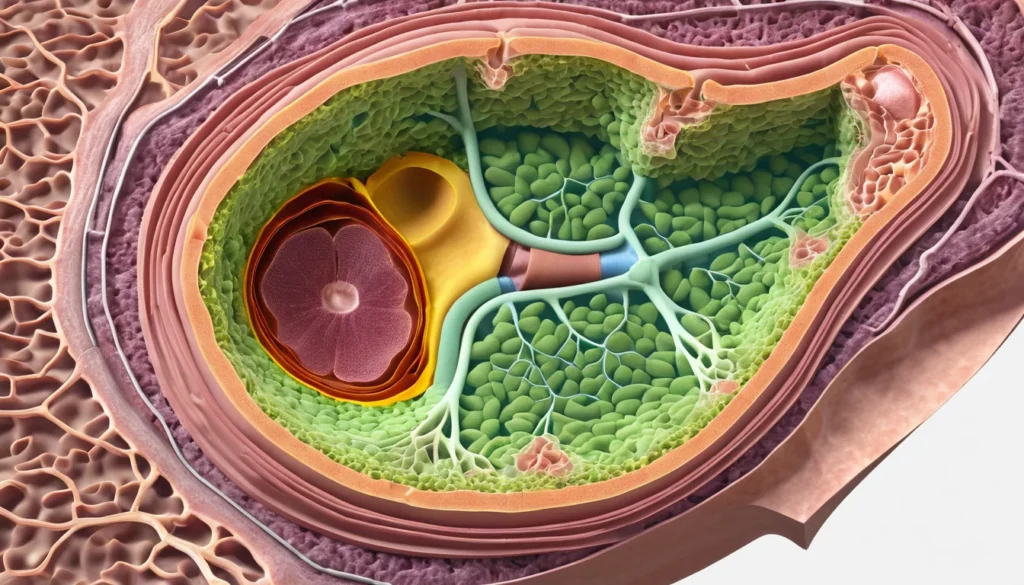
A liver abscess is a pocket of pus that forms inside the liver due to a bacterial infection. It is a serious condition that can become life-threatening if left untreated. In Canada, most cases are treated successfully when caught early. This article explains what causes a liver abscess, what symptoms to watch for, and how doctors diagnose and treat it.
What Is a Liver Abscess?
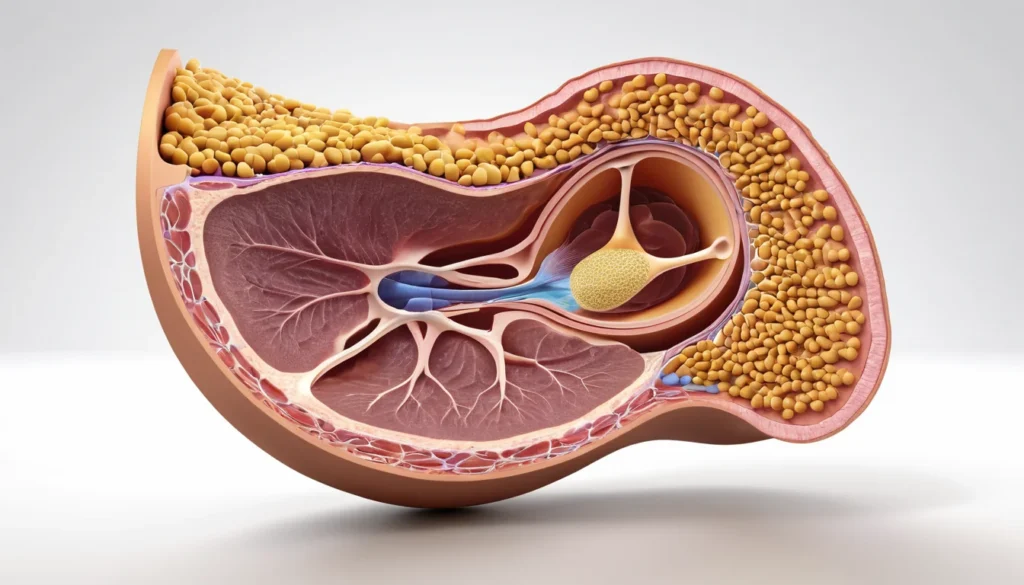
A liver abscess is a well-defined collection of pus that builds up inside liver tissue. Pus is a thick fluid made up of white blood cells, dead cells, and cellular debris. It forms when your body tries to fight off a bacterial infection.
In a healthy immune response, pus drains away from the site of infection. However, with a liver abscess, the pus becomes trapped inside the liver instead of draining. This trapped fluid leads to swelling, inflammation, and pain.
The most common type is called a pyogenic liver abscess, which means it is caused by bacteria. According to Mayo Clinic, liver abscesses are relatively rare but require prompt medical attention. Without treatment, a liver abscess can lead to life-threatening complications.
Common Causes of a Liver Abscess
Several underlying health conditions can lead to a liver abscess. Understanding the root cause is important because it guides how doctors plan treatment.
Biliary Tract Disease
The most common cause is a problem with the biliary tract. The biliary tract includes the bile ducts, gallbladder, and related structures that carry bile from the liver into the small intestine. When these ducts become blocked or infected, bacteria can travel to the liver and cause an abscess.
Research shows that an infected biliary tract is linked to up to 50% of all liver abscesses. Blockages can be caused by gallstones, tumours, or inflammation. In addition, cancers of the pancreas, bile ducts, or liver can contribute to biliary tract infections.
Other Medical Causes
Beyond biliary disease, several other conditions can trigger a liver abscess. These include:
Perforated appendicitis: When the appendix bursts, bacteria spill into the abdominal cavity. These bacteria can travel to the liver through the bloodstream.
Pancreatic cancer: Tumours near the head of the pancreas can block bile ducts and promote bacterial growth.
Colon cancer: Colorectal cancer can allow bacteria to enter the portal blood system, which feeds directly into the liver.
Inflammatory bowel conditions: Conditions like diverticulitis or a perforated bowel are medical emergencies. Infectious material from the colon can spread into the abdomen and reach the liver.
Septicemia (blood poisoning): When a bacterial infection spreads through the bloodstream, it can seed infection sites throughout the body, including the liver.
Liver trauma: Physical injury to the liver from an accident or penetrating wound can create conditions where bacteria thrive.
It is also worth noting that people living with diabetes have a significantly higher risk. Studies suggest that people with diabetes are 3.6 times more likely to develop a liver abscess. This is because diabetes can weaken the immune system, making the body less able to fight off infection.
Signs and Symptoms of a Liver Abscess
The symptoms of a liver abscess can come on suddenly. They often resemble the symptoms of a biliary tract infection, so it is important to see a doctor for a proper diagnosis.
Common symptoms include:
Fever — often high and persistent
Chills and shaking
Nausea and vomiting
Pain in the upper right side of the abdomen — directly over the liver area
Rapid, unexplained weight loss — sometimes up to 10 kg over a few weeks
Dark-coloured urine
Pale or clay-coloured stools
Diarrhoea
Some symptoms may appear before the abscess fully forms and then worsen as the pus collection grows. Therefore, do not wait for symptoms to become severe before seeking medical care. Healthline’s overview of liver abscess provides additional detail on how these symptoms progress over time.
How Doctors Diagnose a Liver Abscess
A doctor — usually a gastroenterologist or internal medicine specialist — will start by reviewing your symptoms and medical history. From there, they will order tests to confirm the diagnosis.
Imaging Tests
Imaging is the most important tool for diagnosing a liver abscess. Doctors commonly use:
Abdominal ultrasound: This is usually the first imaging test. It can detect a liver abscess in most cases and is widely available at hospitals and diagnostic imaging centres across Canada.
CT scan with contrast dye: A CT scan gives a more detailed picture. It helps confirm the abscess and shows its exact size and location.
MRI: An MRI may be used when more detail is needed, or when CT results are unclear.
On imaging, a pyogenic liver abscess typically appears as a mass containing both fluid and gas. This appearance helps doctors distinguish it from other liver conditions.
Blood Tests and Cultures
In addition to imaging, doctors will order blood tests. These look for signs of infection and inflammation, such as elevated white blood cell and neutrophil counts. Blood cultures are also taken to identify the specific bacteria causing the infection. This is critical because it helps doctors choose the right antibiotic.
Treatment Options for a Liver Abscess
Treatment for a liver abscess depends on the size of the abscess and the severity of the infection. Most patients need a combination of antibiotic therapy and drainage of the abscess.
Antibiotic Therapy
Antibiotics are always part of the treatment plan. In mild cases, antibiotics alone may be enough to clear a small liver abscess. However, most cases also require drainage. Antibiotics are given intravenously (through an IV) during a hospital stay, then continued orally for several weeks after discharge. The goal is to completely eliminate the bacterial infection and prevent it from returning.
Percutaneous Drainage
Percutaneous drainage is the preferred treatment for most liver abscesses. A doctor inserts a thin drainage catheter through the skin and into the abscess. This procedure is guided by ultrasound imaging, making it minimally invasive and precise. The catheter allows the pus to drain safely out of the liver.
During the same procedure, the doctor may also take a small biopsy of liver tissue. This helps assess the overall health of the liver following the infection.
Surgical Drainage
In more severe cases, surgery may be necessary. Surgical drainage is used when the abscess is very large, has not responded to other treatments, or has ruptured. After surgery, patients receive IV antibiotics in hospital, followed by oral antibiotics at home. The goal is always to prevent the infection from spreading into the bloodstream.
Risks and Complications
A liver abscess that is not treated quickly can lead to serious complications. The most dangerous complication is septicemia, also called sepsis. Sepsis is a life-threatening condition where the infection spreads through the entire body, putting all major organs at risk of failure.
During sepsis, blood pressure can drop dangerously low. The heart, lungs, kidneys, and liver can all begin to shut down. This requires immediate emergency care, including IV antibiotics and fluids. According to the World Health Organization’s sepsis fact sheet, sepsis is one of the leading causes of death in hospitals worldwide.
Other complications of an untreated liver abscess can include rupture of the abscess into the abdominal cavity, spread of infection to surrounding organs, and the development of additional abscesses.
When to See a Doctor
If you have pain in your upper right abdomen along with fever, chills, or unexplained weight loss, do not wait. These symptoms need prompt medical attention. Visit your family doctor as soon as possible, or head to a walk-in clinic if your regular doctor is not available.
If your symptoms are severe — especially if you have a high fever, are vomiting repeatedly, or feel very unwell — go to your nearest emergency department right away. Provincial health plans across Canada cover diagnosis and treatment for conditions like a liver abscess, so cost should not be a barrier to seeking care.
Always speak with a qualified healthcare provider before drawing any conclusions about your symptoms. Only a doctor can properly diagnose and treat a liver abscess.
Frequently Asked Questions
What is a liver abscess and how serious is it?
A liver abscess is a pocket of pus that forms inside the liver due to a bacterial infection. It is a serious medical condition that can be life-threatening if not treated promptly. However, most cases of liver abscess are successfully treated with antibiotics and drainage when caught early.
What are the most common symptoms of a liver abscess?
The most common symptoms of a liver abscess include fever, chills, pain in the upper right side of the abdomen, nausea, vomiting, and unexplained weight loss. Some people also notice dark urine or pale stools. These symptoms can come on suddenly and tend to worsen as the abscess grows.
How is a liver abscess treated in Canada?
In Canada, a liver abscess is typically treated with a combination of antibiotic therapy and drainage of the abscess. Drainage is usually done using a minimally invasive procedure guided by ultrasound. Treatment is covered under provincial health plans, and most patients are hospitalized during the initial phase of treatment.
Can a liver abscess go away on its own without treatment?
No, a liver abscess will not go away on its own. Without medical treatment, the infection will worsen and can spread to the bloodstream, causing life-threatening sepsis. It is essential to seek medical care as soon as possible if you suspect you have a liver abscess.
Who is most at risk of developing a liver abscess?
People with biliary tract disease, pancreatic cancer, colon cancer, or a history of abdominal infections are at higher risk of developing a liver abscess. Individuals living with diabetes are also at significantly increased risk because diabetes can weaken the immune system. Anyone who has recently had abdominal surgery or a serious infection should be aware of the symptoms.
Is a liver abscess the same as liver cancer?
No, a liver abscess is not the same as liver cancer. A liver abscess is an infection caused by bacteria, while liver cancer involves the abnormal growth of cancerous cells in the liver. However, certain cancers — such as pancreatic or bile duct cancer — can increase the risk of developing a liver abscess by blocking bile flow and promoting bacterial infection.
Key Takeaways
A liver abscess is a serious bacterial infection that creates a pocket of pus inside the liver.
The most common cause is biliary tract disease, which accounts for up to 50% of all cases.
Key symptoms include fever, upper right abdominal pain, chills, vomiting, and rapid weight loss.
Diagnosis involves ultrasound, CT scans, blood tests, and blood cultures.
Treatment combines antibiotic therapy with drainage of the abscess, either percutaneously or surgically.
The most dangerous complication is sepsis, which is a medical emergency.
People with diabetes face a significantly higher risk and should be especially vigilant.
If you have symptoms, see your family doctor, visit a walk-in clinic, or go to an emergency department promptly.
All treatments are covered under provincial health plans across Canada.