Liposuction is one of the most common cosmetic surgery procedures in Canada. It removes unwanted fat deposits from specific areas of the body to reshape and contour your figure. However, it is not a weight-loss solution, and it comes with real risks that every Canadian should understand before making a decision.
What Is Liposuction?
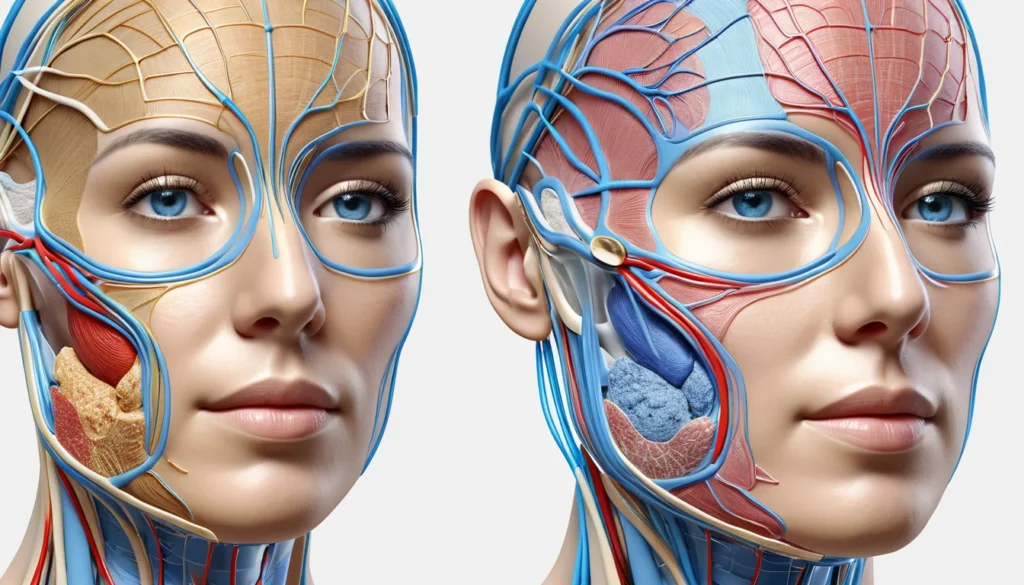
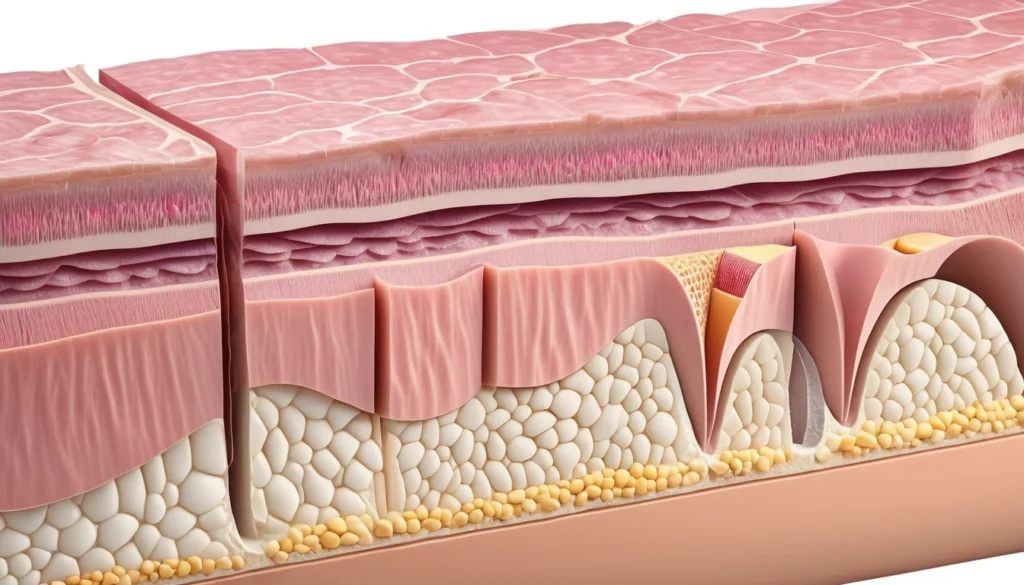
Liposuction — also called lipoplasty or liposculpture — breaks down and removes fat from targeted areas of the body. Surgeons commonly perform it on the abdomen, thighs, hips, buttocks, arms, neck, and chin.
It is important to understand what liposuction does not do. It does not treat cellulite or stretch marks. It is also not a treatment for obesity or a general way to lose weight.
The procedure permanently removes fat cells and changes the shape of your body. However, if you do not maintain a healthy lifestyle after surgery, remaining fat cells can still grow larger over time.
Who Is a Good Candidate for Liposuction?
Liposuction works best for people who are already at a stable, healthy weight. These are individuals who have stubborn fat deposits in certain areas that do not respond to diet and exercise.
To be considered a good candidate, you should:
Be over 18 years of age
Be in good overall health
Have realistic expectations about results
Have firm, elastic skin
Be a non-smoker, or willing to quit before surgery
Liposuction is not recommended for people with coronary artery disease, diabetes, or a weakened immune system. Furthermore, results from liposuction tend to be subtle rather than dramatic. Most people benefit more from lifestyle changes first.
Body Areas Commonly Treated
Surgeons can perform liposuction on many parts of the body. The most common treatment areas include:
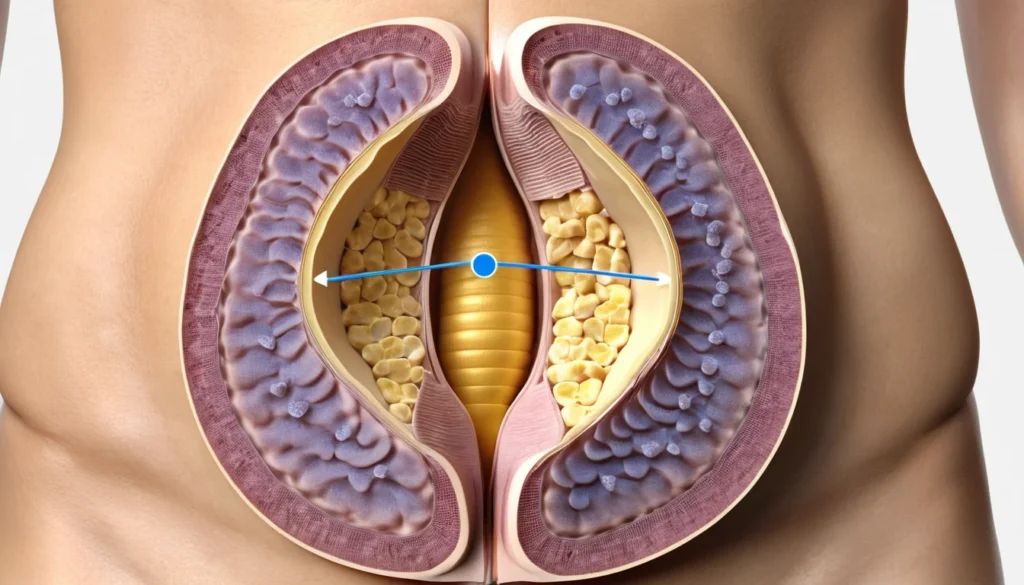
Abdomen and waist
Hips and buttocks
Thighs (inner and outer)
Upper arms
Chest and back
Neck and under the chin
Medical Conditions That Liposuction May Help
Beyond cosmetic uses, doctors sometimes recommend liposuction to treat specific medical conditions. In addition to body contouring, the procedure has a few recognised medical applications.
Lymphoedema
Lymphoedema is a chronic condition where excess fluid (called lymph) collects in body tissues. This causes swelling, most often in the arms or legs. Liposuction is sometimes used to reduce swelling, discomfort, and pain in affected areas.
Gynaecomastia
This condition involves excess fat that builds up in breast tissue in men. Liposuction can remove this unwanted fat and help restore a flatter chest contour.
Lipomas
Lipomas are benign (non-cancerous) fatty tumours. In some cases, liposuction offers a less invasive way to remove them compared to traditional surgery.
Extreme Weight Loss After Obesity
A person who has lost a significant amount of weight — for example, at least 40% of their body mass index (BMI) — may need help removing excess skin and fat. Liposuction can be part of that process.
Types of Liposuction Techniques
There are several different liposuction techniques available today. Your surgeon will recommend the best one based on your needs, health, and the area being treated.
Tumescent Liposuction
This is the most common technique used in Canada. The surgeon injects a sterile saltwater solution mixed with a local anaesthetic (lidocaine) and a blood-vessel-narrowing drug (epinephrine) into the target area. The fat is then removed through small tubes called cannulas.
Ultrasound-Assisted Liposuction
This technique uses ultrasonic vibrations to liquefy fat before removal. It can make fat easier to suction out, especially in fibrous or dense areas. As a result, it may reduce recovery time in some patients.
Laser-Assisted Liposuction
Laser liposuction uses low-energy laser waves to break down fat. It is considered less invasive than traditional methods. However, it is not suitable for everyone.
Dry Liposuction
This older method involves no injected fluid before fat removal. It is rarely used today because it carries a higher risk of bruising and bleeding.
What to Expect: Before, During, and After Surgery
Before Your Procedure
Your surgeon will ask you to complete pre-operative tests to confirm you are healthy enough for surgery. There are several important steps to follow beforehand:
Stop taking aspirin or anti-inflammatory medications at least two weeks before surgery
Women may need to pause oral contraceptives
If you have anaemia, your doctor may recommend iron supplements
You will sign a consent form confirming you understand the risks, benefits, and alternatives
Being fully informed before surgery is essential. Take the time to ask your surgeon all your questions at your pre-operative appointment.
During the Procedure
Liposuction generally takes between one and four hours. Most procedures are done under general anaesthesia. However, epidural anaesthesia may be used for lower-body procedures, and local anaesthesia may be used for very small treatment areas.
After Surgery and Recovery
Recovery from liposuction depends on how much fat was removed and which technique was used. Here is what you can generally expect:
Patients under general anaesthesia typically spend one night in hospital
Patients under local anaesthesia may go home the same day
The treated area will be bandaged or fitted with a compression garment
Antibiotics are prescribed to prevent infection
Pain relievers help manage discomfort during recovery
Bruising and temporary numbness or tingling in the treated area are common
Most people return to light activity within a few days. However, strenuous exercise and heavy lifting should be avoided for several weeks. Always follow your surgeon’s specific recovery instructions.
Risks of Liposuction
Like any surgery, liposuction carries real risks. The amount of risk is often linked to how much fat is removed and the overall health of the patient. According to the Mayo Clinic’s overview of liposuction, complications can range from minor to serious.
Common risks include:
Infection at the surgical site
Bruising and swelling that may last weeks
Numbness or tingling (paraesthesia) in treated areas
Irregular contours or uneven results
Scarring at incision points
Fluid accumulation (seroma) under the skin
More serious complications — such as blood clots, anaesthesia reactions, or organ damage — are rare but possible. Therefore, choosing a qualified and experienced surgeon is critical. Healthline provides a detailed breakdown of liposuction risks and safety that is worth reviewing.
The Health Canada medical devices information page is also a helpful resource for understanding how cosmetic procedures are regulated in Canada.
When to See a Doctor
If you are thinking about liposuction, start by speaking with your family doctor. They can review your health history and help you decide whether this procedure is appropriate for you. Your family doctor may also refer you to a certified plastic surgeon.
If you do not have a family doctor, a walk-in clinic can be a good first step. A clinic doctor can assess your overall health and discuss whether cosmetic surgery referrals are available through your provincial health plan.
After surgery, contact your doctor right away if you notice signs of infection, unusual pain, fever, or increasing swelling. Do not wait for your follow-up appointment if something feels wrong.
Always consult a qualified healthcare professional before making any decisions about cosmetic surgery. Every person’s health situation is different, and only your doctor can give you advice tailored to your specific needs.
Frequently Asked Questions About Liposuction
Is liposuction covered by provincial health plans in Canada?
In most cases, liposuction is considered a cosmetic procedure and is not covered by provincial health plans. However, if it is performed to treat a medical condition such as lymphoedema or gynaecomastia, partial coverage may be available. Check with your provincial health authority or family doctor to confirm what applies in your province.
How long do liposuction results last?
Liposuction permanently removes fat cells from the treated area. However, if you gain weight after the procedure, remaining fat cells in other areas of your body can still enlarge. Maintaining a healthy diet and regular exercise helps preserve your results long-term.
What is the recovery time after liposuction?
Most people recover from liposuction within two to four weeks for light activity. Full recovery, including return to intense exercise, may take six weeks or longer. Your surgeon will give you a personalised recovery plan based on how much fat was removed and your overall health.
Does liposuction remove cellulite?
No. Liposuction does not remove cellulite or stretch marks. The procedure targets deeper fat deposits and is intended to reshape the body’s contour. If cellulite is a concern, speak with a dermatologist about other available treatments.
Is liposuction safe?
Liposuction is generally considered safe when performed by a qualified, board-certified surgeon on a healthy patient. However, all surgical procedures carry some risk, including infection, bruising, and anaesthesia reactions. The more fat removed, the higher the potential risk, so always discuss safety with your surgeon beforehand.
What is the difference between liposuction and a tummy tuck?
Liposuction removes fat deposits but does not address loose or excess skin. A tummy tuck (abdominoplasty) removes both excess skin and fat from the abdomen while tightening the underlying muscles. Your plastic surgeon can help you determine which procedure — or combination of both — is right for you.
Key Takeaways
Liposuction is a cosmetic procedure that removes fat from specific body areas to improve body shape and contour.
It is not a weight-loss treatment and does not address cellulite or stretch marks.
Good candidates are healthy adults at a stable weight with stubborn fat that does not respond to diet and exercise.
Several techniques exist, including tumescent, ultrasound-assisted, and laser-assisted liposuction.
Risks include infection, bruising, numbness, and irregular results. More serious complications are rare but possible.
In some cases, liposuction treats medical conditions like lymphoedema, gynaecomastia, or lipomas.
Always speak with your family doctor or a walk-in clinic physician before pursuing any cosmetic surgery.
Maintaining a healthy lifestyle after surgery is essential to preserve your results.