Lipoproteins are tiny particles in your blood that carry fats — including cholesterol and triglycerides — through your body. Most Canadians have heard of “good” and “bad” cholesterol, but understanding how lipoproteins actually work can help you make smarter choices for your heart health. This article explains what lipoproteins are, what the different types do, and why your levels matter for your long-term health.
What Are Lipoproteins?
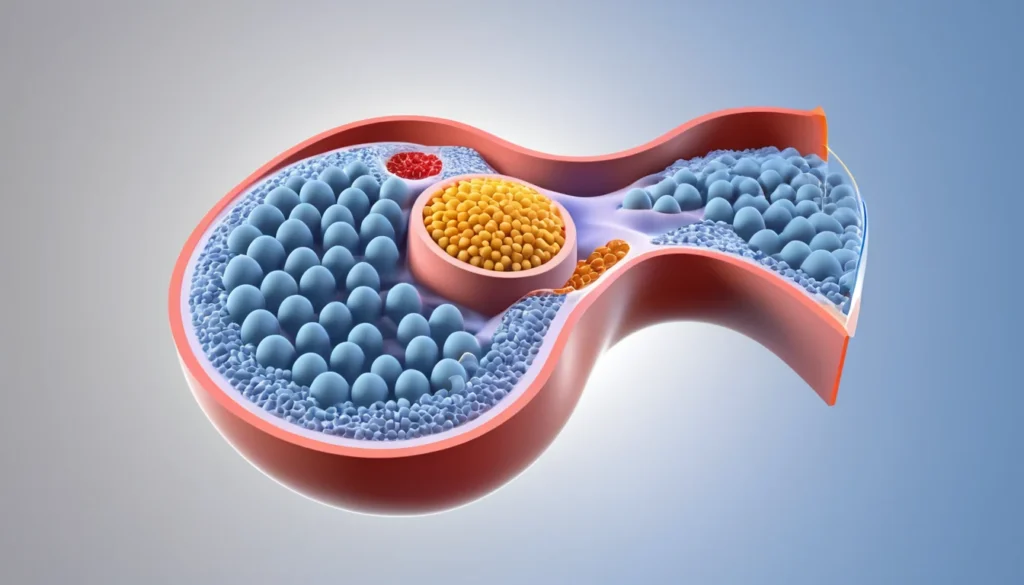
Your body needs fats — called lipids — to function. However, fats cannot travel through your bloodstream on their own because they do not mix with water. Lipoproteins solve this problem. They are chemical compounds made of protein combined with a lipid, such as cholesterol, triglycerides, or phospholipids.
Think of a lipoprotein as a tiny delivery vehicle. The protein shell makes it water-friendly, while the lipid cargo rides safely inside. These particles travel through both your blood and your lymphatic fluid, delivering fats to the cells and tissues that need them.
Lipoproteins are produced mainly in the liver and the small intestine. Your body makes them constantly as part of normal metabolism. However, the balance between different types of lipoproteins plays a major role in your risk for heart disease and stroke — two of the leading causes of death in Canada.
The Main Types of Lipoproteins
Not all lipoproteins are the same. Scientists classify them by their density — how much protein versus fat they contain. Higher protein content means higher density. The three types you will hear about most often are LDL, HDL, and VLDL.
LDL: Low-Density Lipoprotein
LDL stands for low-density lipoprotein. It is often called “bad” cholesterol, though it is not cholesterol itself — it is the particle that carries cholesterol from the liver to the rest of your body. LDL delivers cholesterol to your cells, which need small amounts of it to work properly.
The problem arises when there is too much LDL in your blood. Excess LDL can stick to the walls of your arteries, forming a build-up called plaque. Over time, this plaque hardens and narrows your arteries — a condition known as atherosclerosis. As a result, blood flow to your heart and brain becomes restricted, raising your risk of heart attack and stroke.
According to Health Canada, cardiovascular disease remains one of the most serious public health concerns in the country. Keeping your LDL levels in a healthy range is one of the most important steps you can take to protect your heart.
HDL: High-Density Lipoprotein
HDL stands for high-density lipoprotein. This is the particle commonly called “good” cholesterol. HDL works in the opposite direction of LDL — it picks up cholesterol from your tissues and artery walls and carries it back to your liver. Your liver then breaks it down and removes it from your body.
Higher HDL levels are generally linked to a lower risk of heart disease. In addition, HDL may have anti-inflammatory effects that help protect your blood vessels. Think of HDL as your body’s natural cleanup crew, removing excess cholesterol before it can cause damage.
Lifestyle factors that raise HDL include regular physical activity, quitting smoking, and eating heart-healthy fats — such as those found in olive oil, avocados, and nuts. For more detail on healthy cholesterol habits, the Mayo Clinic’s guide to high cholesterol is a helpful resource.
VLDL: Very Low-Density Lipoprotein
VLDL stands for very low-density lipoprotein. This type of lipoprotein carries triglycerides — a form of fat your body uses for energy — from the liver to your tissues. VLDL is considered a precursor to LDL. As VLDL releases its triglyceride cargo, it gradually becomes denser and transforms into LDL.
High VLDL levels are often linked to high triglyceride levels in the blood. Both are associated with an increased risk of heart disease. Furthermore, elevated VLDL is commonly seen alongside other conditions such as type 2 diabetes, obesity, and metabolic syndrome.
Why Lipoprotein Levels Matter for Canadians
In Canada, routine blood tests ordered by your family doctor often include a lipid panel — a test that measures your total cholesterol, LDL, HDL, and triglycerides. Your doctor uses these numbers together to get a full picture of your cardiovascular risk. No single number tells the whole story.
Provincial health plans across Canada generally cover lipid panel testing when ordered by a physician. Your doctor may recommend testing as early as your 30s or 40s, or sooner if you have a family history of heart disease. Regular testing helps catch problems early — before symptoms develop.
The ratio of your total cholesterol to your HDL level is also important. A lower ratio means a healthier balance of lipoproteins in your blood. Your family doctor or nurse practitioner can explain what your specific numbers mean for your individual health situation.
What Affects Your Lipoprotein Levels?
Many factors influence the balance of lipoproteins in your blood. Some of these factors are within your control, while others — like genetics — are not. Understanding both helps you take the most effective steps.
Diet and Nutrition
What you eat has a direct effect on your lipoprotein levels. Foods high in saturated fat — such as red meat, butter, and full-fat dairy products — tend to raise LDL. Trans fats, found in some processed and fried foods, raise LDL and lower HDL at the same time, making them especially harmful.
On the other hand, a diet rich in fibre — particularly soluble fibre from oats, legumes, and fruits — can help lower LDL. Omega-3 fatty acids, found in fatty fish like salmon and mackerel, help lower triglycerides and raise HDL. The World Health Organization also recommends limiting saturated fat to less than 10% of your total daily energy intake. You can read more about WHO’s healthy diet guidelines for further guidance.
Physical Activity
Regular exercise is one of the most effective ways to improve your lipoprotein profile. Aerobic exercise — such as brisk walking, cycling, or swimming — can raise HDL levels and lower triglycerides. Even moderate activity, like 30 minutes of walking most days of the week, can make a meaningful difference.
Canada’s Physical Activity Guidelines recommend at least 150 minutes of moderate-to-vigorous aerobic activity per week for adults. Meeting this target supports not only your lipoprotein levels but also your overall cardiovascular health.
Smoking and Alcohol
Smoking lowers HDL and damages artery walls, making it easier for LDL to cause plaque build-up. Quitting smoking is one of the single most impactful things you can do for your heart health. Many provinces offer free smoking cessation programmes and support lines.
Alcohol has a more complicated relationship with lipoproteins. Moderate alcohol consumption has been linked to slightly higher HDL in some studies. However, heavy drinking raises triglycerides and VLDL significantly. Most health guidelines caution against using alcohol as a strategy to improve heart health.
Genetics and Family History
Some people have a genetic condition called familial hypercholesterolaemia, which causes very high LDL levels from birth — regardless of diet or lifestyle. This condition is more common than many people realize and often goes undiagnosed. If heart disease runs in your family, ask your doctor about getting screened.
Your ethnic background can also play a role. Research shows that people of South Asian descent, for example, may be at higher risk for adverse lipoprotein profiles even with a healthy lifestyle. Your doctor can factor in your family history and background when assessing your overall risk.
How Are Lipoprotein Levels Treated?
When lifestyle changes alone are not enough to bring lipoprotein levels into a healthy range, your doctor may recommend medication. The most commonly prescribed drugs for high LDL are called statins. Statins work by reducing the amount of cholesterol your liver produces, which lowers the amount of LDL in your blood.
Other medications — such as fibrates, niacin, or PCSK9 inhibitors — may be used to target high triglycerides or very high LDL. The right choice depends on your specific lipoprotein profile, other health conditions, and your personal risk factors.
It is important to continue healthy lifestyle habits even if you are taking medication. Medication and lifestyle work together — they are not alternatives to each other. Your doctor or pharmacist can explain how your specific medication works and what to expect.
When to See a Doctor
High or unbalanced lipoprotein levels usually cause no symptoms. This is why regular testing is so important. You will not feel different if your LDL is too high — but the damage to your arteries is still happening.
You should talk to your family doctor or visit a walk-in clinic if:
You have never had your cholesterol checked and you are over 40
You have a family history of heart disease or stroke
You have been diagnosed with diabetes, high blood pressure, or obesity
You smoke or have recently quit smoking
You are pregnant or planning a pregnancy (cholesterol levels can shift significantly)
Most provincial health plans cover routine lipid panel testing when it is ordered by a physician. If you do not have a family doctor, a walk-in clinic can order basic blood work and refer you to appropriate care. Do not wait for symptoms — early detection saves lives.
Always speak with a qualified healthcare provider before making changes to your diet, exercise routine, or medications. The information in this article is for general educational purposes only.
Frequently Asked Questions About Lipoproteins
What is the difference between lipoproteins and cholesterol?
Cholesterol is a waxy fat-like substance your body needs to build cells. Lipoproteins are the particles that carry cholesterol — along with other fats — through your blood. So when your doctor talks about LDL or HDL, they are referring to the lipoprotein particles that transport cholesterol, not the cholesterol itself.
What is a healthy lipoprotein level in Canada?
Canadian guidelines generally recommend an LDL level below 2.0 mmol/L for people at high cardiovascular risk, and below 3.5 mmol/L for those at lower risk. HDL levels above 1.0 mmol/L for men and 1.3 mmol/L for women are considered healthy. Your doctor will interpret your specific lipoprotein numbers based on your overall health profile.
Can you lower LDL lipoproteins naturally without medication?
Yes, lifestyle changes can meaningfully lower LDL lipoproteins for many people. Eating more soluble fibre, reducing saturated fat, exercising regularly, and quitting smoking are all proven strategies. However, some people — particularly those with genetic conditions — may need medication in addition to lifestyle changes.
How often should Canadians get their lipoprotein levels tested?
Most Canadian guidelines recommend that adults begin cholesterol testing around age 40, or earlier if risk factors are present. After your first test, your doctor will advise how often to repeat it based on your results and risk level. Routine lipoprotein testing is typically covered under provincial health plans when ordered by a physician.
Is VLDL more dangerous than LDL?
Both VLDL and LDL lipoproteins are associated with increased cardiovascular risk, but LDL tends to receive more attention because it contributes directly to artery-clogging plaque. VLDL is mainly a carrier of triglycerides and is a precursor to LDL — so high VLDL levels often signal high triglycerides and further downstream production of LDL. Your doctor will assess both when reviewing your full lipid panel.
Does diet alone control lipoprotein levels?
Diet plays an important role, but it is just one piece of the puzzle. Lipoproteins are also influenced by genetics, physical activity, smoking, body weight, and underlying conditions like diabetes. For some people, diet changes alone can bring levels into a healthy range, while others will need medication alongside a healthy lifestyle.
Key Takeaways
Lipoproteins are particles that carry fats — including cholesterol and triglycerides — through your blood and lymphatic system.
The three main types are LDL (low-density), HDL (high-density), and VLDL (very low-density).
LDL is often called “bad” cholesterol because excess amounts can build up in your arteries and raise heart disease risk.
HDL is called “good” cholesterol because it carries cholesterol back to the liver for removal from the body.
VLDL carries triglycerides and is a precursor to LDL — high VLDL often signals high triglyceride levels.
Diet, exercise, smoking, genetics, and underlying health conditions all affect your lipoprotein levels.
Most provincial health plans cover routine lipid panel testing — talk to your family doctor or visit a walk-in clinic to get tested.
High LDL typically causes no symptoms, so regular blood testing is the only reliable way to know your levels.
Treatment may include lifestyle changes, medication, or both — always follow the guidance of a qualified healthcare provider.