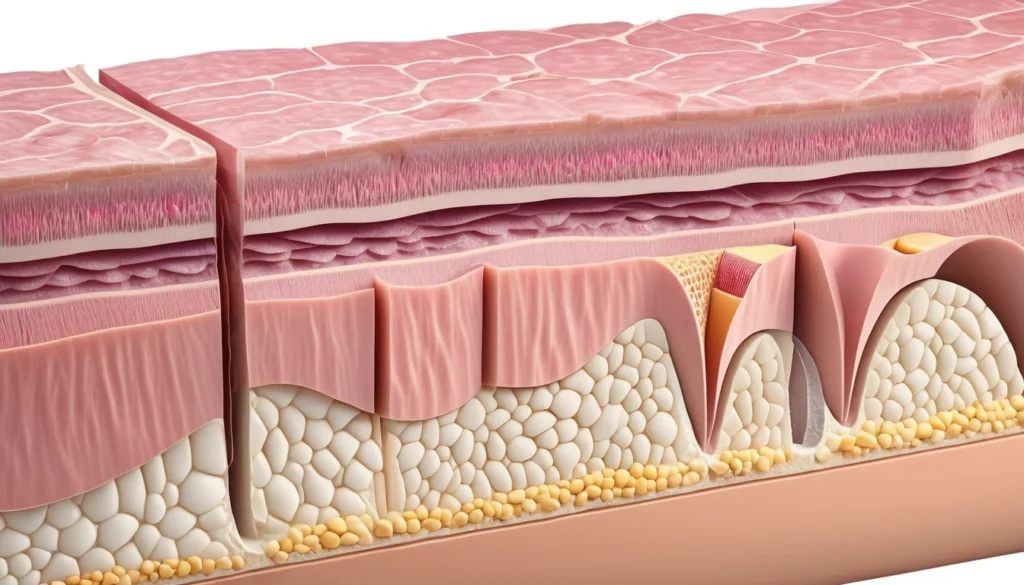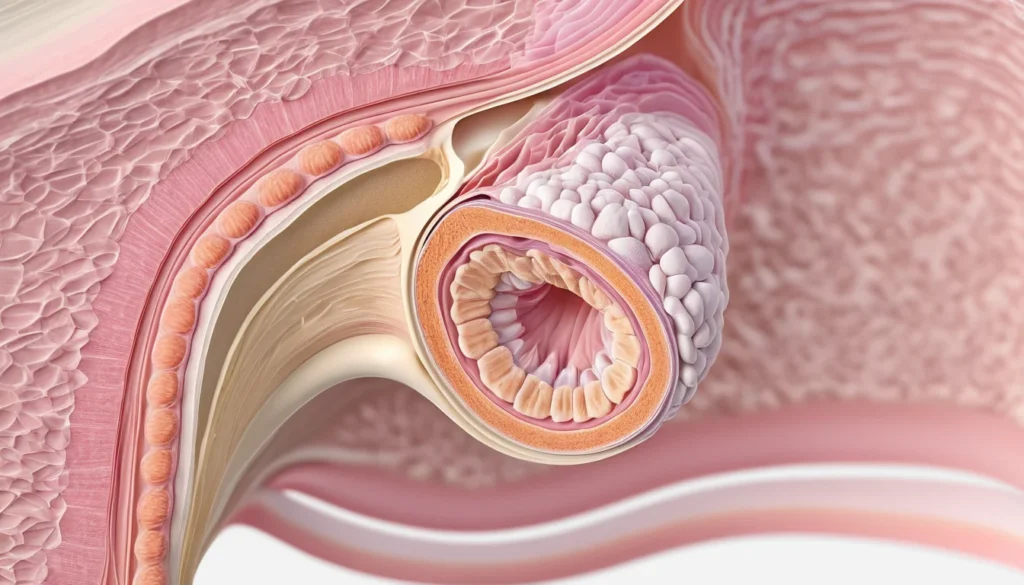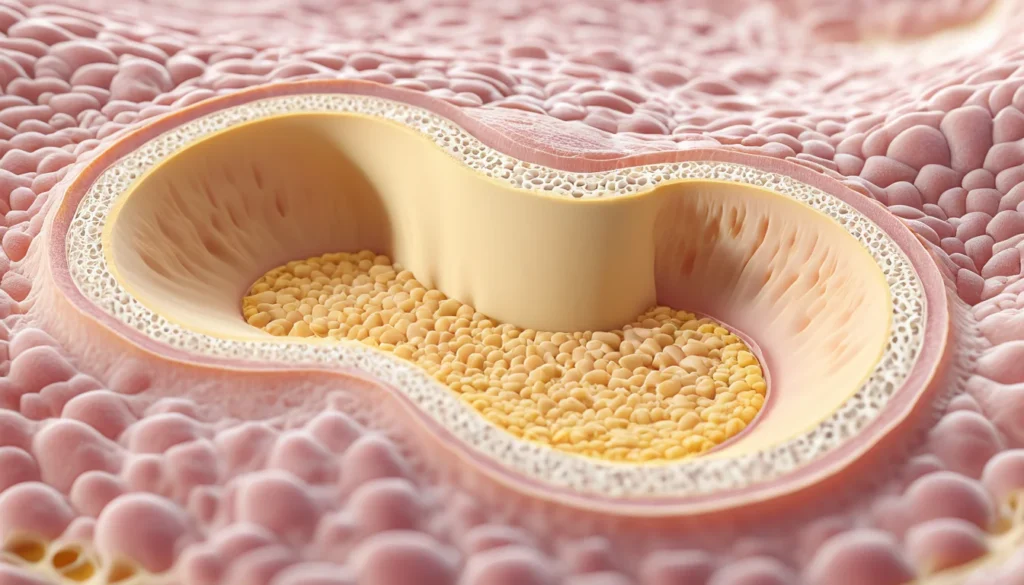
A lipoma is a slow-growing, soft lump of fatty tissue that forms just under the skin. It is the most common type of benign (non-cancerous) soft tissue growth in the body. Lipomas are generally harmless, painless, and do not require treatment. However, understanding what they are, how they form, and when to seek care can give you peace of mind.
What Is a Lipoma?
A lipoma forms when fat cells grow inside a thin, fibrous capsule beneath the skin. These lumps are not attached to surrounding tissue, which means they move easily when you press on them. They feel soft and doughy to the touch.
Lipomas can appear almost anywhere on the body. However, they most commonly show up on the trunk, neck, shoulders, upper arms, armpits, and thighs. In some cases, a person may develop more than one lipoma at the same time.
According to the Mayo Clinic’s overview of lipomas, these growths are very common and affect roughly 1 in 1,000 people. They are most likely to appear between the ages of 40 and 60, though they can occur at any age — including at birth.
What Causes a Lipoma?
The exact cause of a lipoma is not fully understood. Research suggests that genetics play a role. If a parent or sibling has had a lipoma, you may be more likely to develop one too.
In some cases, a minor injury to the affected area may trigger growth. However, it is important to note that being overweight or obese does not cause lipomas. Anyone, regardless of body size, can develop one.
Genetic Conditions Linked to Lipomas
Certain rare genetic conditions can cause multiple lipomas to develop. These include:
Dercum’s disease (also called adiposis dolorosa): causes painful lipomas, mainly on the arms, legs, and trunk.
Gardner syndrome: a genetic disorder that leads to multiple lipomas and other growths.
Familial multiple lipomatosis: an inherited condition that causes many lipomas to develop over time.
Madelung’s disease: more common in men who drink heavily, causing large fatty deposits around the neck and shoulders.
These conditions are uncommon. Most people who develop a lipoma do not have an underlying genetic disorder.
Symptoms of a Lipoma
Most lipomas cause no symptoms at all. In fact, many people discover one only by accident — for example, while getting dressed or during a routine check-up. However, there are some common features to look out for.
A typical lipoma:
Is soft and smooth to the touch
Moves easily when pressed with a finger
Is usually small — between 1 and 3 centimetres in size
Grows very slowly or stays the same size for years
Sits just beneath the surface of the skin
Is painless in most cases
In some cases, a lipoma may cause discomfort. This is more likely if it presses on a nearby nerve or develops close to a joint. Furthermore, if a lipoma contains blood vessels — a type called an angiolipoma — it may be tender or painful when touched.
When a Lipoma Becomes Noticeable
The most bothersome symptom is often appearance. As a lipoma grows larger, it may become visible under the skin, especially in exposed areas like the neck or arms. This can affect a person’s confidence and comfort.
In addition, a larger lipoma may press on surrounding structures and interfere with movement. For example, a lipoma near the shoulder may make it uncomfortable to carry a bag or wear tight clothing.
Types of Lipoma
All lipomas contain fat cells by definition. However, some also include other types of tissue. Understanding the different types can help explain why some lipomas behave differently than others.
Conventional lipoma: The most common type. It contains white fat cells, which store energy.
Angiolipoma: Contains fat and blood vessels. These are often painful or tender.
Fibrolipoma: Made up of fat and fibrous tissue. It tends to feel firmer than a typical lipoma.
Hibernoma: Contains brown fat cells instead of white. Brown fat generates heat and is less common in adults.
Myelolipoma: Contains fat and blood-forming tissue. These are rare and often found in internal organs.
Pleomorphic lipoma: Contains fat cells of different sizes and shapes. These need careful monitoring to rule out other conditions.
How Is a Lipoma Diagnosed?
In most cases, a doctor can diagnose a lipoma through a simple physical examination. They will feel the lump, check its size, assess whether it moves freely, and ask if it causes any pain.
However, sometimes further testing is needed to confirm the diagnosis. Your doctor may recommend a biopsy, where a small sample of tissue is removed and examined under a microscope. This step helps rule out a liposarcoma, which is a rare cancerous tumour that can look similar to a lipoma.
Imaging Tests
In uncommon situations, your doctor may order an ultrasound, MRI (magnetic resonance imaging), or CT (computed tomography) scan. These tests give a clearer picture of the lump’s size and depth. They are especially useful if the lipoma is in a location that is hard to examine by touch alone.
For most Canadians, a family doctor or walk-in clinic physician can assess a lipoma and refer you to a specialist if needed. Provincial health plans generally cover diagnostic imaging when it is medically necessary. Check with your provincial health authority for coverage details in your area.
Lipoma Treatment Options
In general, a lipoma does not need treatment. Because it is not cancerous and cannot become cancerous, many people choose to leave it alone. There is currently no known way to prevent a lipoma from forming or growing.
That said, there are effective treatment options available if a lipoma is causing problems. Your doctor will discuss the best option based on the size, location, and your personal preferences.
Surgical Removal
The most common treatment is surgical excision — cutting out the lipoma. A doctor or surgeon will inject a local anaesthetic around the area, make a small incision in the skin, remove the lipoma, and close the wound with stitches. Most people go home the same day.
This procedure is typically done in a doctor’s office, an outpatient surgical centre, or a walk-in minor surgery clinic. It is straightforward and has a very low rate of complications. As a result, recovery is usually quick.
In some cases, the lipoma may be in a location that requires a more involved approach — for example, deep within muscle tissue. In these situations, the procedure may take place in a hospital operating room under general anaesthesia.
Liposuction
Liposuction is another option, particularly for larger lipomas. A thin tube is inserted through a small cut, and the fat is suctioned out. This method leaves a smaller scar. However, it may not remove all the fat cells, so there is a small chance the lipoma could return.
Steroid Injections
Some doctors use steroid injections to shrink a lipoma. This does not remove it completely, but it can reduce its size over time. This option may suit people who want to avoid surgery. However, it is less commonly used in Canadian clinical practice than surgical removal.
You can learn more about treatment approaches at Healthline’s detailed lipoma guide.
When to See a Doctor
Most lipomas are harmless and do not need urgent attention. However, you should speak with your family doctor or visit a walk-in clinic if you notice any of the following:
The lump is growing quickly
It becomes painful or tender
The skin over it looks red, warm, or inflamed
The lump feels hard or does not move freely
You develop multiple new lumps in a short period of time
You are unsure whether what you are feeling is a lipoma
It is always better to have a new lump checked by a healthcare professional. While lipomas are almost always benign, only a doctor can confirm the diagnosis. In Canada, your family doctor is the best first point of contact. If you do not have a family doctor, a walk-in clinic can assess the lump and refer you for further testing if needed.
For broader guidance on skin conditions and when to seek care, visit Health Canada’s official health information page.
Frequently Asked Questions About Lipomas
Is a lipoma dangerous or cancerous?
A lipoma is not cancerous and cannot become cancerous. It is a benign (harmless) growth made of fat cells. However, if you notice any changes in a lump — such as rapid growth or pain — you should have your doctor examine it to rule out other conditions.
Do lipomas go away on their own?
Lipomas do not typically disappear on their own. They tend to stay the same size for many years or grow very slowly. If a lipoma is bothering you, talk to your doctor about removal options.
Does lipoma removal hurt?
Lipoma removal is usually done under local anaesthesia, so you will not feel pain during the procedure. Some soreness or bruising is normal in the days after surgery. Most people recover quickly and return to their regular activities within a few days.
Can a lipoma come back after removal?
When a lipoma is fully removed through surgical excision, it rarely comes back. However, if removal is incomplete — for example, through liposuction — there is a small chance of recurrence. Your surgeon will discuss the best approach for your situation.
Is lipoma removal covered by provincial health plans in Canada?
Coverage for lipoma removal varies by province. Removal is generally covered when it is medically necessary — for example, if the lipoma is painful, growing, or affecting your movement. Removal for cosmetic reasons alone may not be covered. Contact your provincial health authority or family doctor for guidance specific to your province.
What is the difference between a lipoma and a cyst?
A lipoma is a soft, moveable lump made of fat cells that sits just under the skin. A cyst is a sac filled with fluid or semi-solid material and is usually closer to the skin’s surface. Both are benign, but a doctor can tell the difference through a physical exam or ultrasound.
Key Takeaways
A lipoma is a soft, non-cancerous lump of fat that grows just under the skin.
Lipomas affect about 1 in 1,000 people and are most common between ages 40 and 60.
They are usually painless, slow-growing, and do not require treatment.
Genetics likely play a role in their development. Being overweight does not cause lipomas.
Treatment options include surgical removal, liposuction, and steroid injections.
See your family doctor or a walk-in clinic if a lump changes in size, becomes painful, or concerns you.
Always consult a qualified healthcare professional before making any decisions about your health.