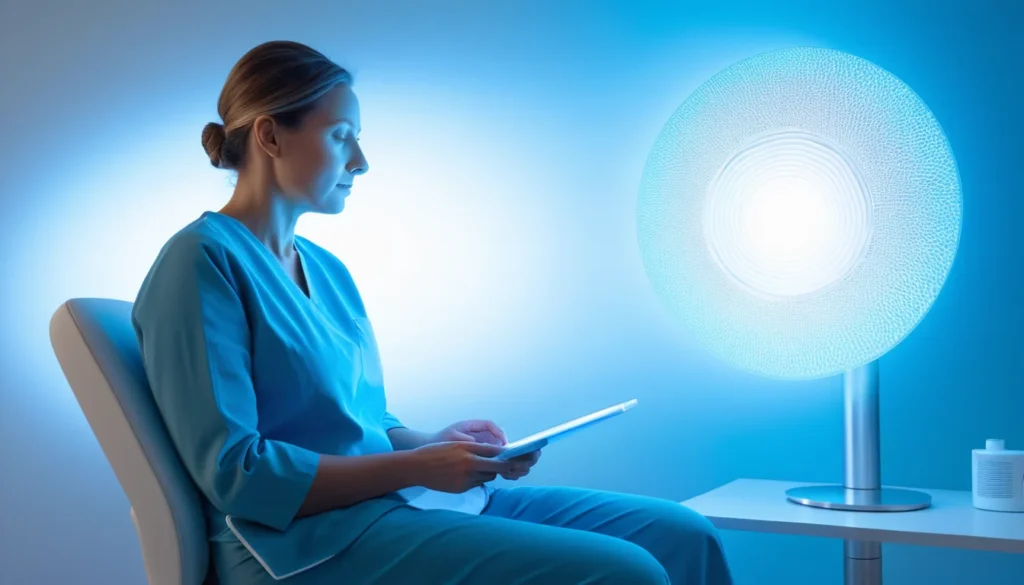
Light therapy is a medical treatment that uses light to improve certain health conditions, from skin problems like acne and psoriasis to seasonal depression. It has been used for decades, and many Canadians — especially those dealing with long, dark winters — may find it helpful. This article explains how light therapy works, what conditions it can treat, and how to use it safely.
What Is Light Therapy?
Light therapy, also called phototherapy or actinotherapy, uses controlled exposure to light to treat specific medical conditions. The light source can be natural sunlight or an artificial lamp designed for medical use. Depending on the condition being treated, the type, intensity, and duration of light exposure will vary.
There are two main types of light therapy. The first uses sunlight or ultraviolet (UV) light to treat skin conditions. The second uses bright, white artificial light to treat mood disorders like seasonal affective disorder (SAD). Both approaches have been studied and are used in clinical and home settings across Canada.
How Light Therapy Works
Your body responds to light in powerful ways. Light affects your skin cells, your hormones, and even your brain chemistry. For skin conditions, UV light can slow the rapid growth of skin cells or kill bacteria. For mood disorders, bright light helps reset your body’s internal clock and boosts chemicals in the brain like serotonin.
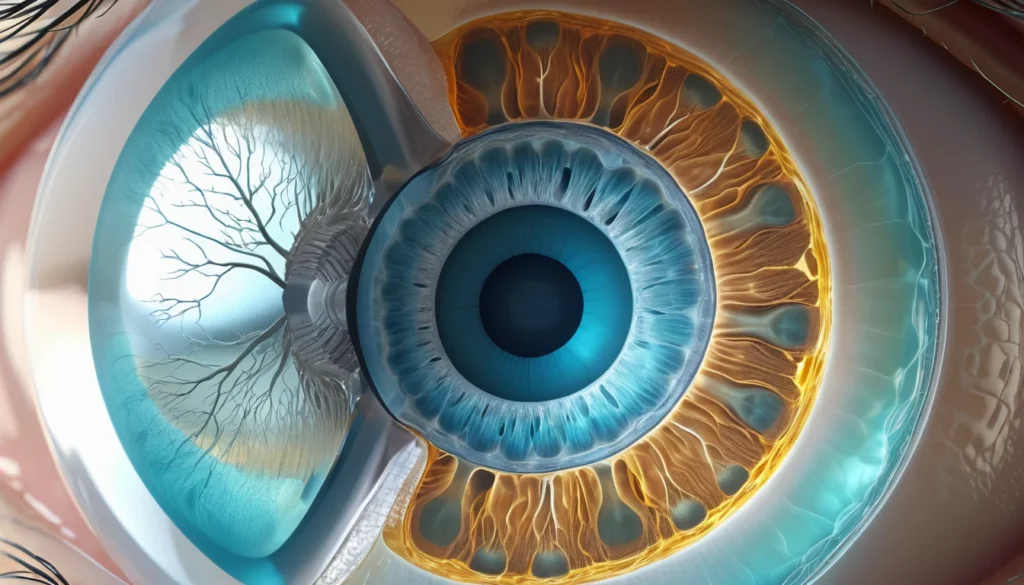
The skin absorbs light energy, which then triggers biological changes at a cellular level. For example, UV exposure can reduce inflammation in conditions like psoriasis. In contrast, bright white light used for mood treatment works through the eyes, not the skin, so you should never look directly into UV lamps.
According to Mayo Clinic’s overview of light therapy, sessions typically last between 20 and 60 minutes depending on the lamp’s intensity and the condition being treated. Your doctor or specialist will guide you on the right duration for your needs.
Light Therapy for Skin Conditions
Sunlight and Heliotherapy
Heliotherapy is the use of natural sunlight as a medical treatment. It is one of the oldest forms of light therapy. Controlled exposure to sunlight can help reduce acne breakouts and improve psoriasis symptoms in many people. However, too much unprotected sun exposure carries serious risks, including sunburn and increased skin cancer risk.
In Canada, supervised heliotherapy is sometimes recommended as part of a broader skin care plan. Your family doctor or dermatologist can advise you on safe sun exposure times based on your skin type, your location, and the season. Always use sunscreen on areas that are not being treated.
UV Light Therapy for Psoriasis and Acne
Artificial UV light therapy is commonly used in dermatology clinics across Canada. It is one of the most effective treatments for moderate to severe psoriasis. It works by slowing the overactive skin cell production that causes the thick, scaly patches of psoriasis.
There are different types of UV light used in treatment. UVB (ultraviolet B) light is the most common and is often used in a medical centre or specialist clinic. Narrowband UVB therapy, a more targeted form, has become the standard of care in many provinces. PUVA therapy combines UVA light with a medication called psoralen to enhance the effect.
For acne, blue light therapy is a popular option. It targets the bacteria responsible for breakouts without the side effects of some oral medications. Blue light devices are available both at clinics and for home use, though professional treatment tends to be more effective.
You can read more about the use of phototherapy for skin conditions through Healthline’s guide to phototherapy.
Light Therapy for Seasonal Depression
What Is Seasonal Affective Disorder (SAD)?
Seasonal affective disorder, commonly known as SAD, is a type of depression that follows a seasonal pattern. It typically begins in the fall and continues through the winter months. SAD affects roughly two to three percent of Canadians, with a milder form — sometimes called the “winter blues” — affecting many more.
Canada’s northern geography means shorter daylight hours in winter. This lack of natural light can disrupt your body’s internal clock and lower serotonin levels in the brain. As a result, many Canadians experience low energy, low mood, increased sleep, and changes in appetite during the colder months.
How Bright Light Therapy Helps SAD
Bright light therapy, sometimes called lux therapy, is one of the most well-studied treatments for SAD. It involves sitting near a special lamp that produces very bright, white light — typically 10,000 lux — for a set period each day. Most sessions happen in the morning and last between 20 and 30 minutes.
The bright light enters through your eyes and signals your brain to reduce melatonin production (the hormone that makes you sleepy) while boosting serotonin. This helps improve mood, energy, and sleep patterns. Many people begin to feel better within one to two weeks of starting regular sessions.
However, light therapy for SAD is not a cure. It works best as part of a broader treatment plan that may include therapy, exercise, and in some cases, medication. Speak with your family doctor before starting light therapy, especially if you have a history of eye problems, bipolar disorder, or are taking medications that increase light sensitivity.
Starting Sessions at a Clinic Versus at Home
Many Canadians begin their light therapy sessions at a specialised centre or with guidance from a mental health professional. This helps ensure you are using the right lamp and following a safe routine. After your initial sessions, many people continue treatment at home with a medically approved light therapy lamp.
When choosing a home light therapy lamp, look for one that produces 10,000 lux of white light and filters out UV rays. Lamps vary widely in quality, so ask your doctor or pharmacist for a recommendation. Some provincial health plans may cover light therapy equipment with a doctor’s prescription — check with your provincial health authority or benefits plan.
Is Light Therapy Effective? What the Research Says
The evidence for light therapy varies depending on the condition. For SAD and non-seasonal depression, light therapy has strong research support. Multiple clinical studies show it can be as effective as antidepressant medication for some people, with fewer side effects.
For psoriasis, UV phototherapy has decades of research behind it and is considered a first-line treatment by many dermatologists. For acne, the evidence is more mixed, and results depend on the severity of the condition and the type of light used.
The World Health Organization’s information on depression highlights the importance of evidence-based treatment options like light therapy for mood disorders. However, researchers continue to study new applications and long-term outcomes. In addition, individual responses to light therapy can vary significantly.
Possible Side Effects and Safety Tips
Light therapy is generally safe when used correctly. However, some people do experience side effects. These are usually mild and go away on their own. Common side effects of bright light therapy include headaches, eye strain, nausea, and irritability. These often improve once you shorten the session length or move the lamp farther away.
UV light therapy carries a different set of risks. Too much UV exposure can damage the skin over time and increase the risk of skin cancer. This is why UV treatments are always supervised by a healthcare provider and kept to the minimum effective dose. You should never use UV light therapy without medical supervision.
Here are some general safety tips for light therapy:
Always follow the instructions from your doctor or specialist.
Use only lamps designed for medical light therapy — not tanning beds.
Do not look directly into UV lamps.
Tell your doctor about all medications you take, as some increase sensitivity to light.
If you have a history of eye conditions, get an eye exam before starting bright light therapy.
Stop treatment and contact your doctor if you experience significant side effects.
When to See a Doctor
If you think light therapy might help you, the first step is to talk to your family doctor. They can assess whether it is appropriate for your specific condition and help you get started safely. If you do not have a family doctor, a walk-in clinic can provide an initial assessment and a referral if needed.
You should definitely see a doctor before starting light therapy if you experience symptoms of depression that affect your daily life, if your skin condition is not responding to over-the-counter treatments, or if you are pregnant or taking medications regularly. Light therapy can interact with certain drugs, including some antibiotics and antipsychotics.
In Canada, your provincial health plan may cover some forms of phototherapy, particularly for conditions like psoriasis. Ask your doctor about available treatments in your province and whether a referral to a dermatologist or psychiatrist is appropriate for your situation.
Frequently Asked Questions About Light Therapy
What does light therapy actually do for your body?
Light therapy uses controlled light exposure to trigger biological changes in your body. Depending on the type, it can slow abnormal skin cell growth, kill acne-causing bacteria, or help regulate your brain’s mood and sleep chemicals. The effects of light therapy depend on the wavelength and intensity of the light used.
How long does it take for light therapy to work for seasonal depression?
Most people notice an improvement in their mood and energy within one to two weeks of starting daily light therapy sessions. However, results can vary depending on the severity of your symptoms and how consistently you use the treatment. Continuing sessions throughout the winter season gives the best results for seasonal depression.
Can I do light therapy at home in Canada?
Yes, many Canadians use light therapy lamps at home, especially for treating seasonal affective disorder. It is best to start with guidance from your family doctor or a specialist to ensure you choose the right device and follow a safe routine. Look for a lamp that produces 10,000 lux of white light and filters out UV rays.
Is light therapy covered by provincial health plans in Canada?
Coverage varies by province. UV phototherapy for skin conditions like psoriasis is often covered when performed at a medical centre with a doctor’s referral. Home light therapy lamps for SAD are generally not covered by provincial plans, though some extended health benefits or employer plans may include them. Ask your doctor or provincial health authority for details.
Are there any risks to using light therapy?
Light therapy is generally safe, but it does carry some risks depending on the type used. Bright white light therapy can cause mild headaches, eye strain, or nausea, especially at first. UV light therapy carries a risk of skin damage if overused, which is why it should always be supervised by a healthcare professional.
Can light therapy help with acne?
Yes, certain types of light therapy — particularly blue light therapy — can help reduce acne by targeting the bacteria that cause breakouts. Light therapy for acne is available at dermatology clinics and through some home devices, though clinical treatments tend to produce stronger results. Talk to your family doctor or dermatologist to find out if it is a good option for your skin.
Key Takeaways
Light therapy uses natural or artificial light to treat a range of health conditions, including acne, psoriasis, and seasonal depression.
Heliotherapy uses sunlight, while clinical phototherapy uses controlled UV or bright white light sources.
Bright light therapy is one of the most effective and well-researched treatments for seasonal affective disorder (SAD), which affects many Canadians during winter.
UV phototherapy for skin conditions like psoriasis is widely available at dermatology centres across Canada and may be covered by your provincial health plan.
Light therapy is generally safe but does have potential side effects — always consult your family doctor or visit a walk-in clinic before starting treatment.
Home light therapy is possible, but it is best to get professional guidance first to choose the right equipment and approach for your needs.
This article is for general information purposes only. Always speak with your family doctor or a qualified healthcare provider before starting any new treatment, including light therapy.