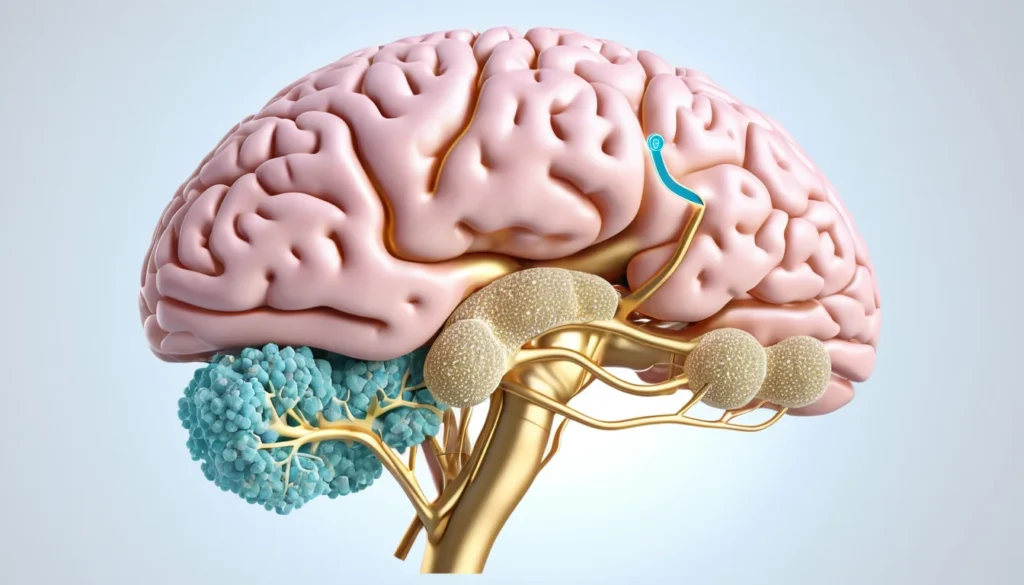
The LH hormone, also called luteinizing hormone, is a key player in your reproductive health. It is made by a small gland in your brain called the pituitary gland. In women, it helps control the menstrual cycle and triggers ovulation. In men, it signals the body to produce testosterone.
What Is the LH Hormone?
Luteinizing hormone is what doctors call a gonadotropin — a hormone that acts directly on the reproductive glands. In women, those glands are the ovaries. In men, they are the testes. The LH hormone works closely with another hormone called follicle-stimulating hormone, or FSH.
Together, LH and FSH control much of your reproductive function. Your body releases these hormones in carefully timed pulses. This balance is essential for healthy fertility in both men and women.
According to Mayo Clinic, luteinizing hormone plays a central role in the regulation of the reproductive system throughout a person’s life. Understanding how it works can help you make sense of fertility testing and hormonal health concerns.
How the LH Hormone Is Controlled
Your brain controls LH hormone levels through a careful chain of signals. It starts in a region of the brain called the hypothalamus. The hypothalamus releases a hormone called gonadotropin-releasing hormone, or GnRH.
GnRH then tells the pituitary gland to release LH and FSH into the bloodstream. Once LH reaches the ovaries or testes, those glands respond by producing sex hormones. In women, the ovaries produce estrogen and progesterone. In men, the testes produce testosterone.
This chain of command — from the hypothalamus to the pituitary to the reproductive glands — is called the HPG axis. When any part of this system is disrupted, it can affect hormone levels throughout your body.
The Role of LH Hormone in Women
In women, the LH hormone has several important jobs throughout the menstrual cycle. During the first half of the cycle, LH helps the ovaries produce androgens, which are then converted into estrogen. This rising estrogen helps prepare the uterus for a possible pregnancy.
The LH Surge and Ovulation
Around the middle of the cycle, LH levels spike sharply. This is called the LH surge. The surge triggers ovulation — the release of a mature egg from the ovary. This is the most fertile window of the menstrual cycle.
After ovulation, LH helps the empty follicle transform into a structure called the corpus luteum. The corpus luteum then produces progesterone, which supports a potential pregnancy. If no pregnancy occurs, progesterone levels drop, and the cycle begins again.
Home ovulation predictor kits work by detecting the LH surge in urine. Many Canadians use these kits when trying to conceive. However, a positive result simply means ovulation is likely — it does not confirm that pregnancy will occur.
LH Levels During Menopause
As women approach menopause, the ovaries become less responsive to LH and FSH. In response, the pituitary gland produces more and more of both hormones. Therefore, high LH levels in older women are a normal sign of menopause.
Your family doctor can order a simple blood test to check your LH levels. This is often part of a broader hormonal assessment during perimenopause or when investigating fertility concerns.
The Role of LH Hormone in Men
In men, the LH hormone stimulates specialised cells in the testes called Leydig cells. These cells produce testosterone. Testosterone is essential for sperm production, muscle mass, bone density, and overall male reproductive health.
In addition, healthy LH levels help maintain a normal sperm count. If LH levels are too low or too high, testosterone production is affected. This can lead to fertility problems and other health concerns.
Men do not experience the same monthly cycle as women. However, LH is still released in regular pulses throughout the day. These pulses help maintain steady testosterone levels.
What Abnormal LH Hormone Levels Mean
Both high and low LH levels can point to underlying health conditions. Your doctor will usually interpret LH results alongside FSH, testosterone, or estradiol levels. No single result tells the whole story.
High LH and FSH With Low Sex Hormones
When LH and FSH levels are both elevated, but sex hormone levels (such as testosterone or estradiol) are low, this pattern suggests a problem with the reproductive glands themselves. Doctors call this primary gonadal insufficiency, or gonadal failure.
In this situation, the pituitary gland is working correctly — it is sending strong signals. However, the ovaries or testes are not responding properly. As a result, sex hormone levels stay low despite high gonadotropin levels.
This condition can cause infertility. It may also lead to symptoms like irregular periods, low libido, fatigue, and bone loss over time. In Canada, this kind of hormonal imbalance is typically investigated through your family doctor or a referral to an endocrinologist or reproductive specialist.
Low LH and FSH With Low Sex Hormones
When LH, FSH, and sex hormones are all low at the same time, the problem likely originates in the brain — specifically the hypothalamus or pituitary gland. This is called secondary or central hypogonadism.
One known cause is a pituitary adenoma — a usually non-cancerous tumour on the pituitary gland. This tumour can interfere with normal hormone signalling. Other causes include certain genetic conditions that affect how the hypothalamus develops and functions.
Symptoms of low LH in this context may include absent or irregular periods in women, reduced testosterone in men, and infertility in both. These conditions require medical evaluation and are managed by specialists.
For more detailed information on how the pituitary gland works, Healthline’s guide to luteinizing hormone offers a helpful overview backed by medical review.
LH Hormone Testing in Canada
An LH hormone blood test is a routine diagnostic tool. Your family doctor can order it, or you may be referred for it through a fertility clinic or an endocrinology programme. In most provinces, LH testing is covered under provincial health plans when there is a medical reason for it.
The test involves a simple blood draw. For women, timing matters — your doctor will likely ask you to come in at a specific point in your menstrual cycle. For men, timing is less critical.
Results are usually available within a few days. Your doctor will review them in context with your symptoms and other hormone levels. Never interpret hormone test results on your own, as normal ranges can vary by lab and by individual circumstances.
What to Expect During Your Appointment
When you see your family doctor about a possible hormonal concern, be ready to describe your symptoms in detail. Mention any changes in your menstrual cycle, sexual function, energy levels, or fertility concerns. The more information you provide, the better your doctor can tailor testing.
In some cases, your doctor may refer you to a fertility centre or a hormone specialist (endocrinologist). Wait times vary by province, but your family doctor can help navigate the referral process.
Treatment Options When LH Levels Are Abnormal
Treatment depends entirely on the underlying cause of the hormonal imbalance. There is no one-size-fits-all approach. Your care team will develop a plan based on your specific results, symptoms, and health goals.
In cases of gonadal insufficiency, hormone replacement therapy (HRT) may be recommended. For women, this might include estrogen or progesterone. For men, testosterone replacement therapy may be considered.
When the goal is to restore fertility, doctors sometimes use human chorionic gonadotropin (hCG). This hormone mimics the action of LH in the body. It is given by intramuscular injection and can stimulate testosterone production or support egg development.
Furthermore, if a pituitary adenoma is causing low LH, treatment may involve medication, radiation, or surgery — depending on the size and type of tumour. These decisions are made by a team of specialists.
Health Canada provides resources on reproductive and hormonal health programmes available to Canadians. Talking to your provincial health authority can also help you understand what services are covered in your area.
When to See a Doctor About Your LH Hormone
You should speak with your family doctor if you notice any of the following signs. These symptoms may point to a hormonal imbalance worth investigating. Early diagnosis often leads to better outcomes.
Irregular or absent menstrual periods
Difficulty getting pregnant after 12 months of trying (or 6 months if you are over 35)
Unexplained changes in libido or sexual function
Excessive fatigue or mood changes that do not improve with rest
Signs of early menopause, such as hot flashes in younger women
Low testosterone symptoms in men, such as reduced muscle mass or low energy
If you do not have a family doctor, a walk-in clinic can be a good starting point. A walk-in doctor can order initial bloodwork and refer you onward if needed. Most provincial health plans cover this type of visit.
Remember, this article is for general information only. Always consult a qualified healthcare provider before making decisions about your health or any medical treatment.
Frequently Asked Questions About LH Hormone
What does the LH hormone do in the body?
The LH hormone (luteinizing hormone) is produced by the pituitary gland in the brain. In women, it triggers ovulation and helps regulate the menstrual cycle. In men, it signals the testes to produce testosterone.
What does a high LH hormone level mean?
A high LH hormone level, especially when combined with low sex hormone levels, can indicate that the ovaries or testes are not functioning properly. In women, it may also be a normal sign of menopause or the mid-cycle LH surge before ovulation. Your doctor can help interpret your specific results.
What does a low LH hormone level mean?
Low LH hormone levels may suggest a problem with the hypothalamus or pituitary gland, rather than the reproductive organs themselves. This can affect fertility and sex hormone production in both men and women. A healthcare provider will usually order additional tests to find the cause.
Can the LH hormone affect fertility?
Yes, the LH hormone plays a direct role in fertility. In women, the LH surge triggers ovulation, which is necessary for conception. In men, LH stimulates testosterone production, which is essential for sperm development. Abnormal LH levels in either sex can contribute to infertility.
How is the LH hormone tested in Canada?
The LH hormone is measured through a simple blood test that your family doctor or a specialist can order. In most provinces, this test is covered under your provincial health plan when there is a medical reason for it. Results are typically reviewed alongside other hormone levels for a complete picture.
Is the LH hormone the same as hCG?
No, LH hormone and hCG (human chorionic gonadotropin) are not the same, but they are closely related. Both hormones act on similar receptors in the reproductive glands. However, hCG is produced during pregnancy and is sometimes used medically to mimic LH in fertility treatments.
Key Takeaways
The LH hormone (luteinizing hormone) is produced by the pituitary gland and is essential for reproductive health in both men and women.
In women, LH triggers ovulation and helps regulate the menstrual cycle. In men, it stimulates testosterone production.
High LH with low sex hormones can indicate gonadal insufficiency. Low LH alongside low sex hormones may point to a hypothalamus or pituitary problem.
LH hormone testing is available through your family doctor and is typically covered by provincial health plans when medically indicated.
Treatment depends on the underlying cause and may include hormone therapy, fertility medications, or specialist referral.
If you have concerns about your hormonal health or fertility, speak with your family doctor or visit a walk-in clinic as a first step.