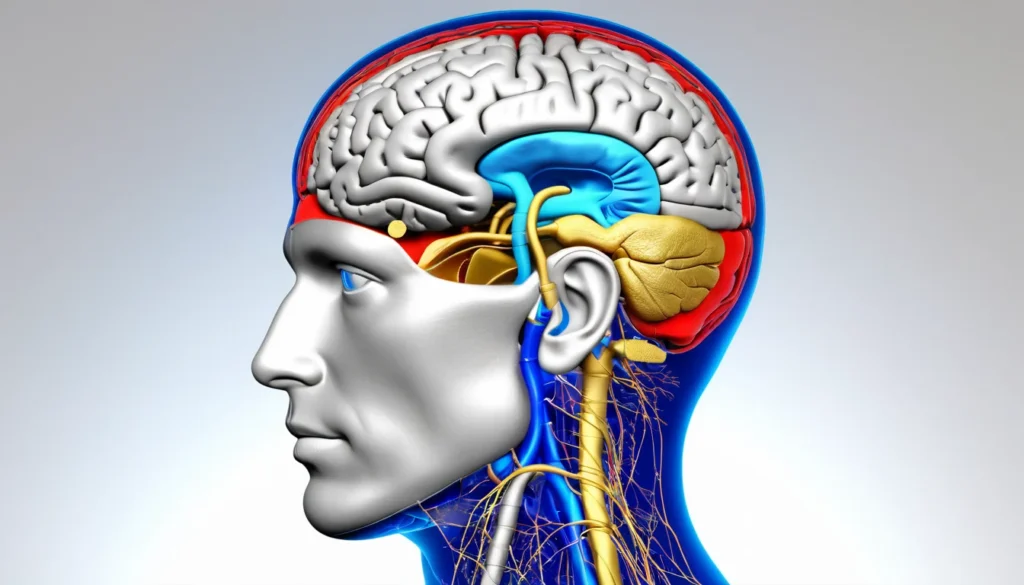
Lewy body dementia is the second most common form of progressive dementia in Canada, after Alzheimer’s disease. It happens when a protein called alpha-synuclein builds up inside brain cells, forming clumps known as Lewy bodies. These deposits change how the brain works, affecting thinking, movement, behaviour, and mood. Most people are diagnosed after age 50, and it appears to affect men more often than women.
What Is Lewy Body Dementia?
Lewy body dementia (LBD) is a brain disorder that gets worse over time. The Lewy bodies — named after the doctor who first described them — disrupt the brain’s chemical signals. As a result, a wide range of symptoms can appear, from memory problems to trouble walking.
Dementia is a broad term for a decline in thinking skills caused by changes and damage in the brain. It rarely occurs before age 65. However, lewy body dementia can sometimes appear earlier, and symptoms usually develop slowly over several years.
LBD can be hard to diagnose. Early signs are often mistaken for Alzheimer’s disease or other mental health conditions. It can appear on its own or alongside other brain disorders. According to Mayo Clinic’s overview of Lewy body dementia, it affects an estimated 1.4 million people in North America.
Stages of Lewy Body Dementia
LBD progresses at a different pace for each person. How quickly symptoms worsen depends on overall health, age, and the severity of the disease at diagnosis.
Early Stage
In the early stage, symptoms are often mild. Many people can still carry out most of their daily activities. Changes may be subtle — a slight tremor, occasional confusion, or vivid dreams. These signs are easy to overlook at first.
Middle Stage
As the disease progresses, thinking and movement become more difficult. People with lewy body dementia in the middle stage often need more help at home. Daily tasks like cooking, managing medications, or driving may no longer be safe.
Late Stage
In the late stage, full-time care is usually needed. The person may lose the ability to communicate clearly or move safely on their own. Family caregivers often play a central role at this point, and home care or a long-term care facility may be required. Many provincial health plans across Canada offer support programmes for families in this situation.
Signs and Symptoms of Lewy Body Dementia
Not everyone with LBD experiences all the symptoms. However, there are several common warning signs to watch for. Any sudden or dramatic change in thinking, memory, movement, or behaviour should be reported to a doctor right away.
Changes in Thinking and Memory
Up to 80% of people with lewy body dementia experience visual hallucinations — seeing things that are not there. These often appear early in the disease. Less common are hallucinations involving sounds or smells.
Attention and alertness can also shift unpredictably. A person may seem clear-headed one hour and deeply confused the next. These fluctuations are a key feature of LBD and help doctors tell it apart from Alzheimer’s disease.
Memory problems may not appear right away — this is different from Alzheimer’s. However, as lewy body dementia worsens, memory loss often develops. Confusion about time and place, difficulty with language, and trouble making decisions are also common.
Movement Problems (Motor Symptoms)
Some people develop movement problems early on. Others may not notice them for years. Early signs can include a change in handwriting or a slightly stiff walk — easy to miss at first.
More noticeable motor symptoms include:
Muscle stiffness or rigidity
A shuffling walk
Tremors, especially when at rest
Loss of balance and frequent falls
A stooped or hunched posture
Reduced facial expressions
Difficulty swallowing
Sleep Problems
Sleep disturbances are common in LBD but often go undiagnosed. These include excessive daytime sleepiness, insomnia, and restless leg syndrome. Many people also act out their dreams during sleep — a condition called REM sleep behaviour disorder.
Mood and Behaviour Changes
LBD can cause significant changes in mood and behaviour. These changes often worsen as thinking skills decline. Common examples include depression, anxiety, agitation, restlessness, and paranoia.
Furthermore, the nervous system that controls heart rate, glands, and muscles can also be affected. This can lead to changes in body temperature, high blood pressure, dizziness, fainting, sensitivity to heat and cold, urinary incontinence, and constipation.
Types of Lewy Body Dementia
There are two main types of lewy body dementia, and both involve the same abnormal protein deposits in the brain. The key difference is in which symptoms appear first.
Dementia with Lewy Bodies (DLB)
In this type, thinking and cognitive symptoms appear within one year of movement problems — or even before them. A person may begin to show confusion or hallucinations before any physical signs develop. Over time, movement problems like stiffness and tremors also emerge.
Parkinson’s Disease Dementia (PDD)
In this type, movement problems come first. A person is diagnosed with Parkinson’s disease and experiences symptoms like slow movement, muscle rigidity, and a shuffling gait. Mental and cognitive changes then develop more than one year later. In addition, mood and behaviour changes may follow. Both types of LBD share many features over time, which is why they are grouped together under the broader term lewy body dementia.
For more information on how dementia is classified, visit the World Health Organization’s fact sheet on dementia.
What Causes Lewy Body Dementia?
The exact cause of lewy body dementia is not fully understood. Researchers know that Lewy bodies — clusters of the protein alpha-synuclein — form inside brain cells. These deposits damage and eventually destroy neurons, disrupting brain function.
It is not yet clear why these protein clumps form in some people and not others. However, researchers believe a combination of factors may play a role. These include age, genetics, and possibly environmental influences. Having a first-degree relative with LBD may slightly increase your risk.
Currently, there is no known way to prevent lewy body dementia. Research is ongoing, and scientists continue to study the connection between Lewy body proteins and other brain diseases like Parkinson’s and Alzheimer’s. For the latest research updates, the Health Canada website provides information on neurological disease research and support programmes in Canada.
When to See a Doctor
If you or someone you love is showing signs of memory loss, confusion, hallucinations, or movement changes, do not wait to get help. These symptoms should always be assessed by a healthcare professional.
Start by booking an appointment with your family doctor. They can perform an initial assessment and refer you to a neurologist or specialist if needed. If you do not have a family doctor, a walk-in clinic is a good first step. Many provinces also have memory clinics through their regional health authorities.
Early diagnosis matters. It allows families to plan ahead, access provincial support services, and start treatments that may help manage symptoms. Always speak with a qualified healthcare provider before drawing any conclusions about symptoms — only a doctor can properly diagnose lewy body dementia.
Frequently Asked Questions About Lewy Body Dementia
What are the first signs of Lewy body dementia?
The earliest signs of lewy body dementia often include vivid visual hallucinations, unpredictable shifts in alertness, and mild movement changes like a slight stiffness or change in handwriting. Sleep disturbances — especially acting out dreams — are also an early warning sign. If you notice these changes in yourself or a loved one, speak with your family doctor.
How is Lewy body dementia different from Alzheimer’s disease?
Lewy body dementia and Alzheimer’s both affect memory and thinking, but they differ in key ways. LBD often causes hallucinations, movement problems, and fluctuating alertness early on, while Alzheimer’s typically begins with memory loss. A neurologist can help determine which type of dementia is present through a detailed assessment.
How long can someone live with Lewy body dementia?
The lifespan after a lewy body dementia diagnosis varies widely. On average, people live between 5 and 8 years after symptoms begin, though some live longer. The progression depends on factors like age, overall health, and access to supportive care. Early diagnosis and proper management can improve quality of life.
Is Lewy body dementia hereditary?
Most cases of lewy body dementia are not directly inherited. However, having a close family member with LBD may slightly increase your risk. Researchers are still studying the genetic factors involved. If you have concerns about family history, discuss them with your doctor.
Can Lewy body dementia be treated?
There is currently no cure for lewy body dementia, but symptoms can be managed. Medications may help with hallucinations, movement problems, mood changes, and sleep disturbances. Physiotherapy, occupational therapy, and speech therapy can also support daily functioning. Your doctor can create a care plan tailored to your specific needs.
What is the difference between Lewy body dementia and Parkinson’s disease?
Both conditions involve Lewy body protein deposits in the brain, and they share many symptoms. The key difference is timing: in lewy body dementia (DLB), cognitive symptoms appear first or alongside movement problems. In Parkinson’s disease dementia, movement problems come at least a year before cognitive decline. A specialist can help clarify the diagnosis.
Key Takeaways
Lewy body dementia is the second most common form of progressive dementia in Canada, after Alzheimer’s disease.
It is caused by abnormal protein deposits (Lewy bodies) in the brain that disrupt thinking, movement, behaviour, and mood.
Symptoms include visual hallucinations, fluctuating alertness, movement problems, sleep disturbances, and mood changes.
There are two main types: dementia with Lewy bodies (DLB) and Parkinson’s disease dementia (PDD).
The exact cause is unknown, but age and genetics may play a role.
There is no cure, but symptoms can be managed with medications and therapies.
If you notice signs of LBD in yourself or a loved one, speak with your family doctor or visit a walk-in clinic as a first step.