Levodopa for Parkinson’s disease is one of the most effective and widely used treatments available today. Parkinson’s disease is a progressive neurological condition that affects roughly 1% of Canadians over the age of 60. Understanding how levodopa works — and when it is used — can help patients and families make informed decisions alongside their healthcare team.
What Is Parkinson’s Disease?
Parkinson’s disease is a neurodegenerative condition. This means it involves the gradual breakdown and loss of nerve cells in the brain over time.
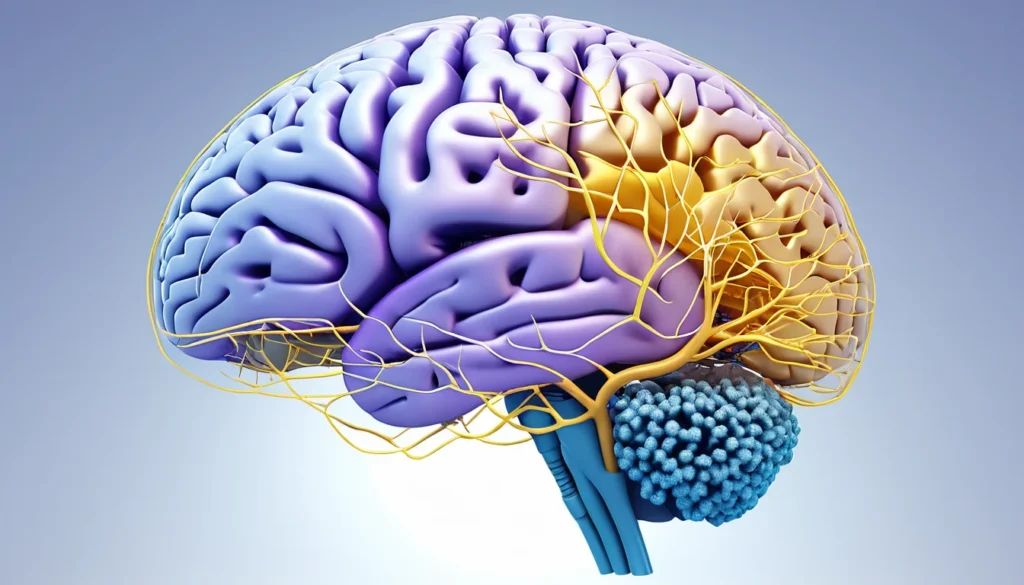
The nerve cells most affected are called dopaminergic neurons. These cells produce dopamine, a chemical messenger that helps control movement. They are located in a region of the brain called the substantia nigra, sometimes referred to as the nigrostriatal pathway.
As these neurons die off, dopamine levels in the brain drop significantly. By the time most people receive a clinical diagnosis, more than 80% of these neurons may already be gone.
What Causes Parkinson’s Disease?
The exact cause is not fully understood. However, researchers believe a combination of genetic mutations and environmental toxins may play a role.
A key feature of the disease is the presence of Lewy bodies — abnormal protein clumps that form inside nerve cells. These are a hallmark of Parkinson’s disease, though they can also appear in other neurological conditions.
According to the World Health Organization’s overview of Parkinson’s disease, the condition affects millions of people worldwide and its prevalence is rising. Men are about 1.5 times more likely to develop Parkinson’s than women.
Recognising the Symptoms of Parkinson’s Disease
The early signs of Parkinson’s disease can be subtle. Many people dismiss the first symptoms as normal signs of ageing.
Over time, the loss of dopamine leads to noticeable motor problems. The most common symptoms include:
Muscle rigidity — stiffness in the limbs or trunk
Tremor — shaking, often starting in one hand
Bradykinesia — slowness of movement
Akinesia — loss of voluntary movement in more advanced cases
Postural instability — difficulty with balance and posture
Speech changes — slurred or softened speech as the disease progresses
These symptoms tend to worsen gradually. In later stages, they can interfere with daily activities like dressing, eating, and personal hygiene.
Is There a Cure for Parkinson’s Disease?
Currently, there is no cure for Parkinson’s disease. However, there are many effective medications that can control symptoms and significantly improve quality of life.
The goal of treatment is to manage symptoms as effectively as possible for as long as possible. Current therapies can typically keep symptoms well-controlled for roughly five to six years. After that period, the disease often progresses further and symptoms become harder to manage.
How Levodopa for Parkinson’s Disease Works
Levodopa is considered the gold-standard medication for managing Parkinson’s disease symptoms. It works by replenishing the brain’s supply of dopamine.
Dopamine itself cannot be given directly as a medication. This is because it cannot cross the blood-brain barrier — a protective filter that controls what enters the brain from the bloodstream. Levodopa, however, can cross this barrier. Once inside the brain, it is converted into dopamine, restoring levels that have been depleted by the disease.
How Levodopa Is Absorbed in the Body
Levodopa is absorbed in the small intestine. Absorption can be reduced if you take it alongside foods that are high in amino acids, such as high-protein meals. For this reason, many doctors recommend taking levodopa at a specific time relative to meals.
Once absorbed, levodopa can be converted into dopamine both inside the brain and in peripheral tissues outside the brain. Conversion outside the brain is responsible for many of the medication’s side effects, such as nausea, vomiting, and low blood pressure.
Why Levodopa Is Combined With Carbidopa
To reduce these side effects, levodopa is almost always prescribed alongside another medication called carbidopa. Carbidopa is a decarboxylase inhibitor — it blocks the conversion of levodopa into dopamine in the body’s peripheral tissues.
This combination offers several important benefits:
More levodopa reaches the brain, increasing its effectiveness
Fewer side effects occur in the rest of the body
Lower doses of levodopa are needed to achieve the same therapeutic effect
Nausea and cardiovascular side effects are significantly reduced
It is important to note that taking levodopa together with high doses of vitamin B6 (pyridoxine) — but without carbidopa — can cause levodopa to break down too quickly. This can cancel out nearly all of its therapeutic benefits. Always speak with your doctor or pharmacist before taking any supplements alongside your Parkinson’s medications.
When Is Levodopa Used in Parkinson’s Treatment?
Levodopa for Parkinson’s disease is considered safe and effective at all stages of the condition. However, the approach to starting treatment has evolved over the years.
In the past, levodopa was the first medication prescribed to newly diagnosed patients. Today, many specialists prefer to begin treatment with a class of medications called dopamine agonists. These drugs stimulate dopamine receptors directly, helping to reduce motor symptoms and dyskinesia (involuntary, uncontrolled movements).
Dopamine Agonists vs. Levodopa
Dopamine agonists work differently from levodopa. Rather than being converted into dopamine, they mimic dopamine’s effects by activating the same receptors in the brain.
Some research suggests that dopamine agonists may help slow the progression of neurodegeneration, though this is still being studied. They are generally better tolerated in younger patients with milder symptoms.
Levodopa can be added right from the start of treatment, or introduced later when dopamine agonists are no longer providing sufficient relief. In more advanced stages of Parkinson’s disease, levodopa remains the most powerful tool available for managing symptoms.
As the Mayo Clinic explains in its guide to Parkinson’s disease treatment, the timing and combination of medications is highly individual and should always be guided by a specialist.
Long-Term Use and Motor Complications
Long-term use of levodopa can lead to motor complications over time. These include dyskinesia (involuntary movements) and “wearing-off” episodes, where the medication becomes less effective between doses.
Furthermore, after five to six years of treatment, many patients find that medications can no longer fully control their symptoms. At that point, advanced therapies such as deep brain stimulation may be considered. Your neurologist or movement disorder specialist will guide these decisions.
When to See a Doctor
If you or a loved one are noticing unexplained tremors, stiffness, or slowness of movement, it is important to speak with a healthcare provider. These symptoms do not always mean Parkinson’s disease, but they deserve proper evaluation.
Start by booking an appointment with your family doctor. If you do not have a family doctor, a walk-in clinic can provide an initial assessment and refer you to a neurologist. Most provincial health plans in Canada cover specialist referrals for neurological conditions.
If you have already been diagnosed with Parkinson’s disease and are finding that your current medications are less effective, speak with your doctor as soon as possible. Do not adjust your levodopa dose on your own. Changes to Parkinson’s medications should always be made under medical supervision.
For more information on managing neurological conditions in Canada, Health Canada provides resources on neurological health and patient support programmes.
Frequently Asked Questions About Levodopa for Parkinson’s Disease
What does levodopa do for Parkinson’s disease?
Levodopa for Parkinson’s disease works by crossing the blood-brain barrier and converting into dopamine inside the brain. This helps replace the dopamine that is lost as the disease destroys dopamine-producing nerve cells. As a result, it improves movement, reduces rigidity, and helps control tremors.
Why is levodopa combined with carbidopa?
Levodopa is combined with carbidopa to prevent the medication from breaking down in the bloodstream before it reaches the brain. Carbidopa blocks this peripheral conversion, which means more levodopa gets to where it is needed and side effects like nausea are significantly reduced. Most levodopa prescriptions in Canada come as a combined carbidopa-levodopa tablet.
What are the side effects of levodopa?
Common side effects of levodopa include nausea, vomiting, low blood pressure, and dizziness, especially when starting treatment. With long-term use, some patients develop dyskinesia — involuntary, uncontrolled movements. Taking levodopa with carbidopa helps reduce many of these side effects significantly.
How long does levodopa work for Parkinson’s disease?
Levodopa for Parkinson’s disease typically provides good symptom control for approximately five to six years. After this period, many patients experience “wearing-off” effects, where the medication becomes less consistent between doses. Your neurologist may adjust the dosing schedule or add other medications to manage this.
Can you eat normally while taking levodopa?
High-protein foods can interfere with how well levodopa is absorbed in the small intestine. Many doctors recommend taking levodopa either 30 minutes before meals or at least an hour after eating. Talk to your family doctor or pharmacist about the best timing for your specific prescription.
Is levodopa available in Canada?
Yes, levodopa combined with carbidopa is widely available in Canada and is covered under most provincial drug benefit programmes for eligible patients. Your family doctor or neurologist can prescribe it, and coverage details vary by province. Check with your provincial health plan or a licensed pharmacist for coverage information specific to your situation.
Key Takeaways
Parkinson’s disease is caused by the loss of dopamine-producing nerve cells in the brain, leading to progressive movement problems.
Levodopa for Parkinson’s disease works by crossing the blood-brain barrier and converting into dopamine, replenishing depleted levels.
Levodopa is almost always prescribed alongside carbidopa to improve effectiveness and reduce side effects.
Treatment today often begins with dopamine agonists, with levodopa added as symptoms progress or when agonists are no longer sufficient.
Current medications typically control symptoms well for five to six years, after which additional strategies may be needed.
Always consult your family doctor or neurologist before starting, stopping, or adjusting any Parkinson’s medication. Never change your dose on your own.
If you do not have a family doctor, a walk-in clinic can provide an initial assessment and refer you to a specialist through your provincial health plan.